What Is Overlanding? A Practical Guide to Vehicle-Based Backcountry Travel
What Overlanding Actually Means
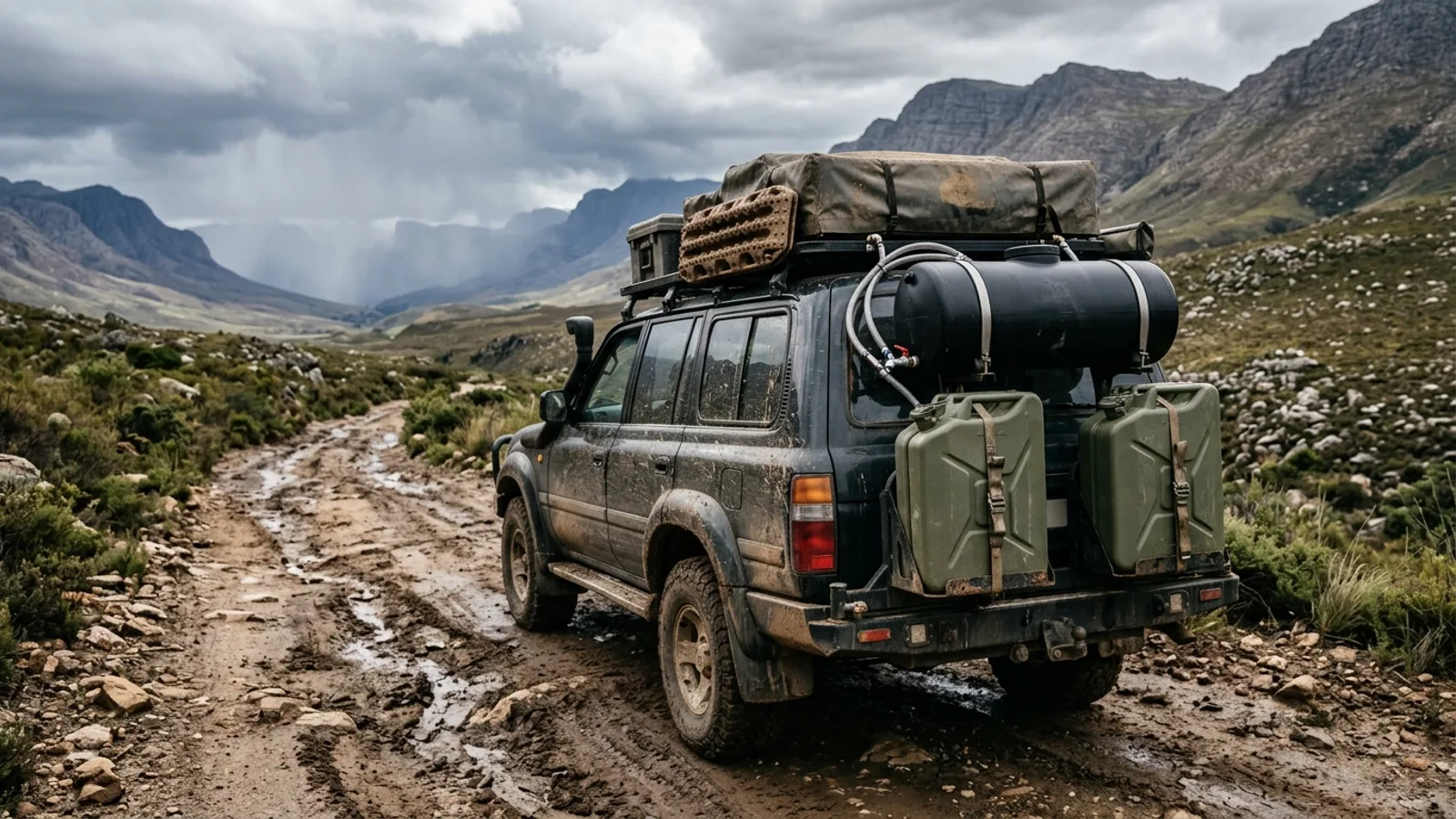
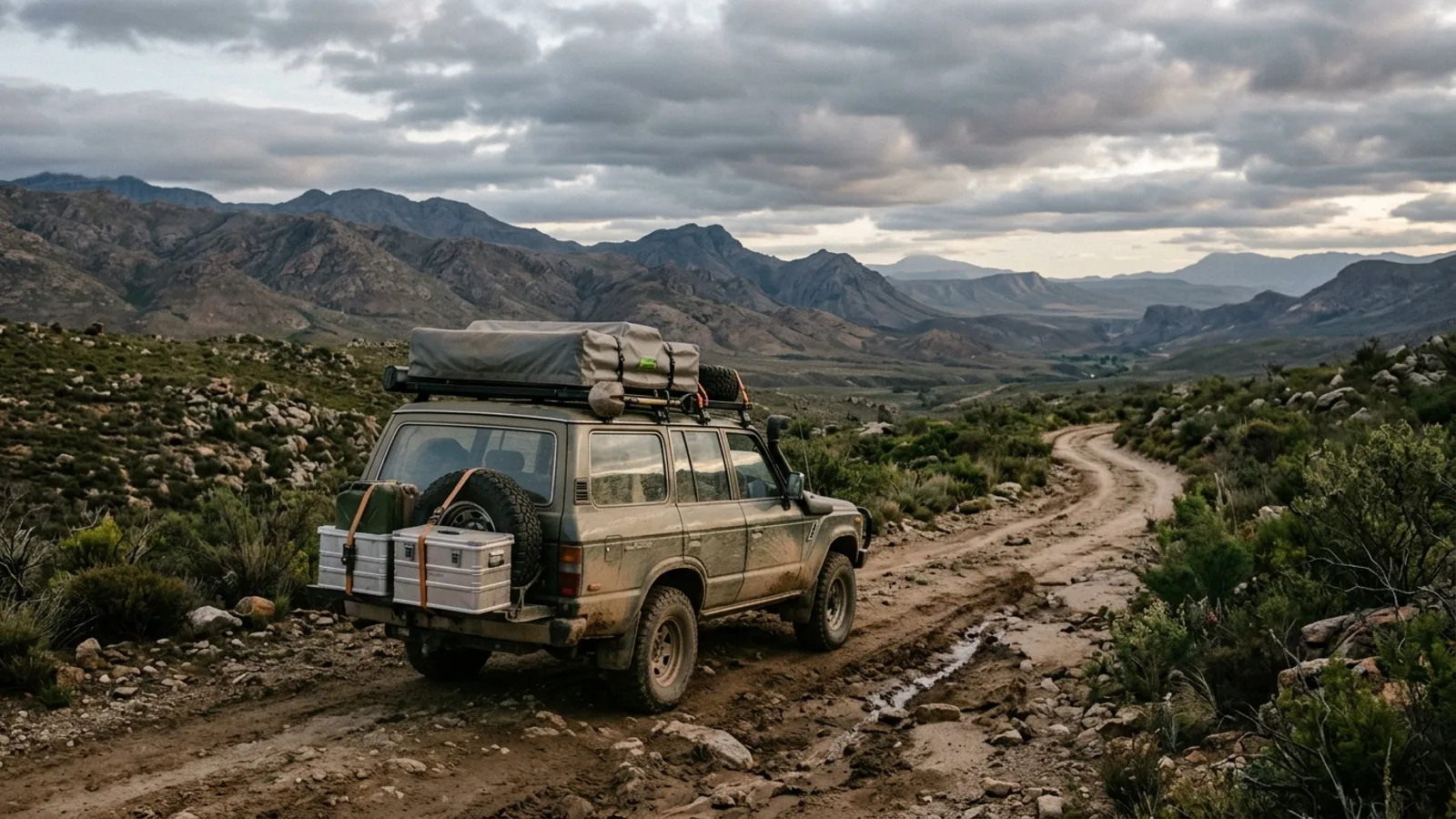
Overlanding is self-reliant travel by vehicle, usually over multiple days, where the route and the experience of getting there matter as much as any destination. It blends elements of road-tripping, off-road driving, and backcountry camping. The vehicle serves as both transportation and mobile basecamp, carrying everything needed to sleep, cook, and handle minor emergencies without resupply for extended stretches.
What separates it from a normal camping road trip is the terrain and the mindset. Overlanding routes often include unpaved forest roads, rutted tracks, water crossings, or high-clearance trails that a standard sedan can't handle. The traveler is expected to be reasonably self-sufficient: capable of dealing with a flat tire, a stuck vehicle, or a navigation error without cell service or nearby help.
Choosing a Vehicle
There's no single correct overlanding vehicle. The right choice depends on the terrain you plan to cover, how many people and how much gear you're carrying, and how long you'll be out.
- SUVs with four-wheel drive and good ground clearance are the most common choice. They balance off-road capability with everyday drivability and enough cargo room for a small group.
- Pickup trucks offer a bed for storage or a truck-bed camper setup, along with strong towing capacity if you're bringing a trailer.
- Vans, especially four-wheel-drive conversions, provide standing room and built-in living space, which suits longer trips but can limit access to tighter or rougher trails.
- Motorcycles and ATVs give access to narrower trails and a more minimalist style of travel, at the cost of cargo capacity and weather protection.
What matters more than the vehicle badge is condition and setup: reliable four-wheel drive or all-wheel drive, tires matched to the terrain, adequate ground clearance, and a maintenance history you trust. A well-maintained older vehicle will generally serve you better than a newer one you don't know the service history of. Any vehicle intended for rough tracks should be checked over — fluids, tires, brakes, and suspension — before a remote trip, not after something fails.
Essential Gear
Gear needs shift with trip length and location, but a few categories apply almost everywhere:
- Navigation: a physical map and compass as backup to any GPS device or phone app, since electronics and signal can fail.
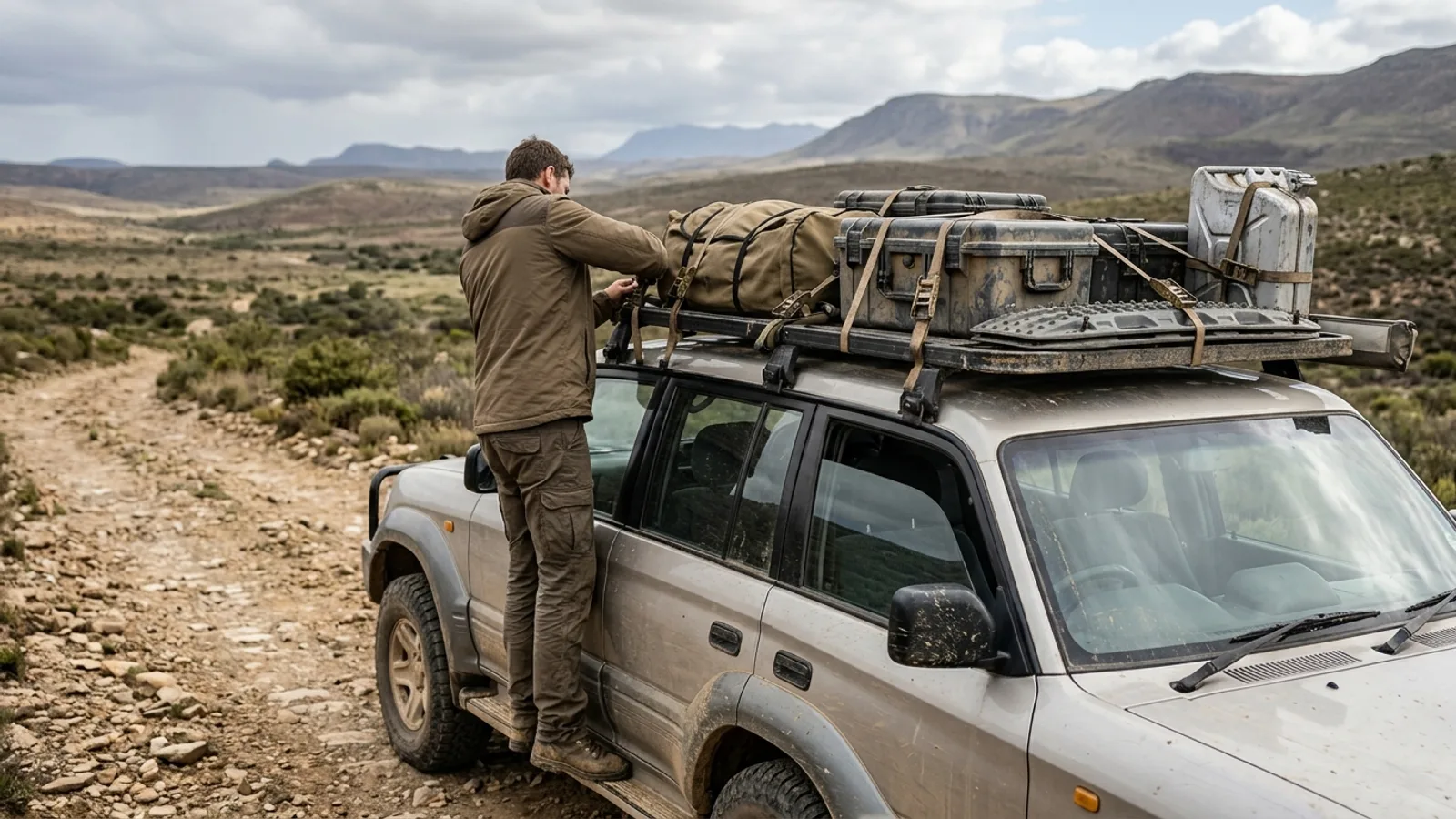
- Recovery gear: traction boards, a shovel, and a way to recover a stuck vehicle appropriate to your terrain.
- Tire repair: a full-size spare, a plug kit, and a way to air tires up and down for different surfaces.
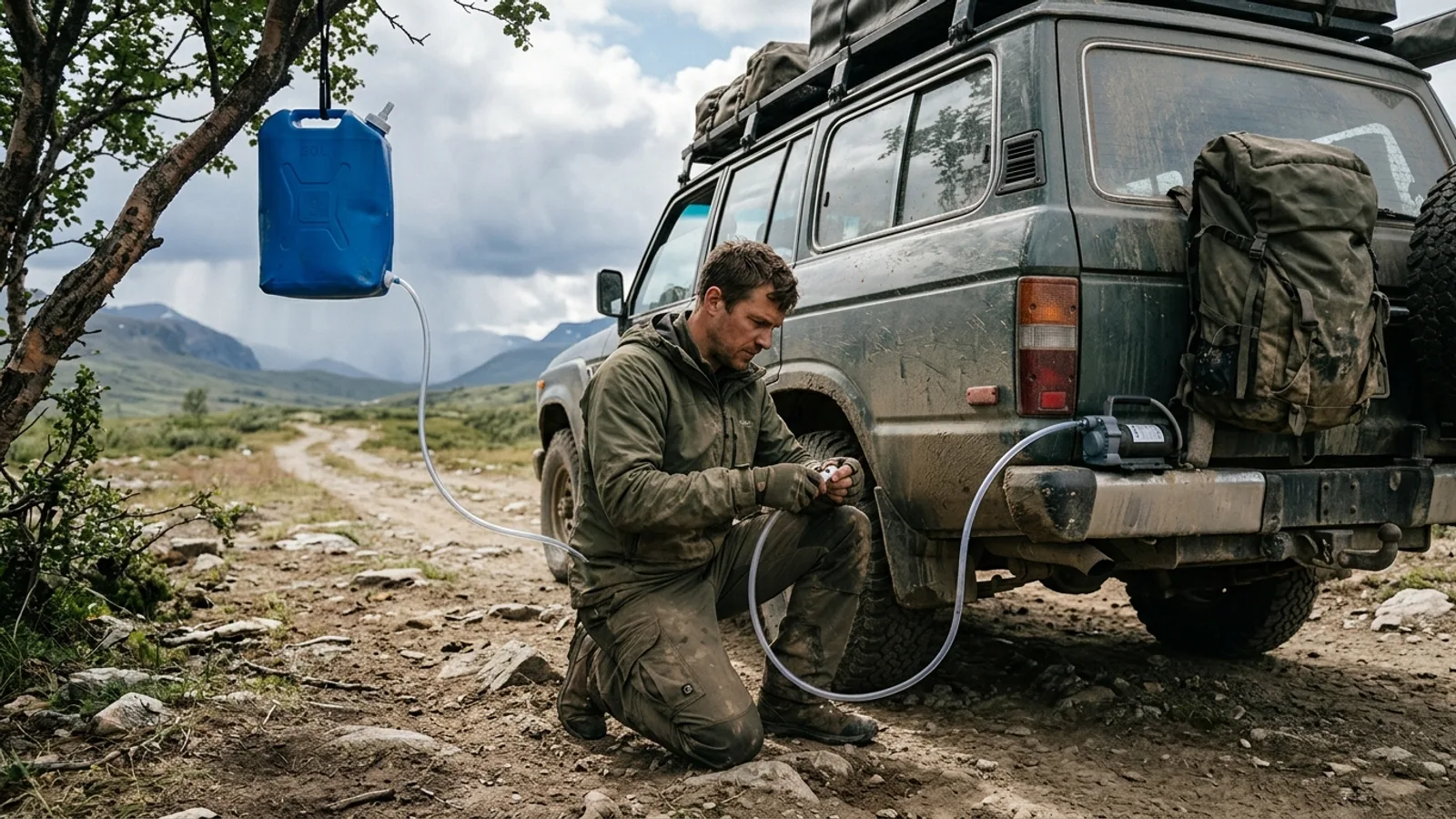
- Water and food: more than you expect to need, plus a plan for how you'll treat or filter water if you run low.
- First aid: a kit sized to your group, along with basic knowledge of how to use it.
- Communication: a satellite messenger or similar device for areas without cell coverage, so you can call for help if something goes wrong.
- Camping basics: shelter, sleeping system, and a way to cook that doesn't depend on finding firewood.
Test your gear before you depend on it in the field. A recovery board or water filter you've never used is a liability during an actual problem.
Skills Matter More Than Equipment
Good judgment and basic vehicle-recovery skills reduce risk more than any single piece of gear. Before heading out, it helps to know how to change a tire on uneven ground, how to read a route for water crossings or washouts, and how to turn back when conditions exceed your vehicle's or your own capability. Overconfidence in remote terrain is a more common cause of trouble than equipment failure.
Tell someone your planned route and expected return time before you leave cell coverage. This single habit does more for your safety than most gear purchases.
Planning a Trip
Start smaller than you think you need to. A weekend route on maintained forest roads within a day's drive of help is a better first outing than a multi-week remote expedition. Check current conditions, seasonal road closures, and any permits or fire restrictions for the area you're visiting, since these can change and directly affect where you can legally and safely drive or camp.
Public lands generally allow dispersed camping in specific zones, but rules vary by location and season. Confirm what's permitted before you arrive rather than assuming.
Why People Take Up Overlanding
The appeal is straightforward: it offers access to remote, quiet places that aren't reachable by conventional car camping, along with the flexibility to change plans as you go. It also builds practical skills — vehicle maintenance, navigation, basic wilderness first aid — that carry over into other outdoor pursuits. Many overlanders also value the community around it, trading route information and technical advice with other travelers who share the interest.