Choosing and Using a Roof Rack for Overlanding

Why Roof Racks Matter for Overlanding
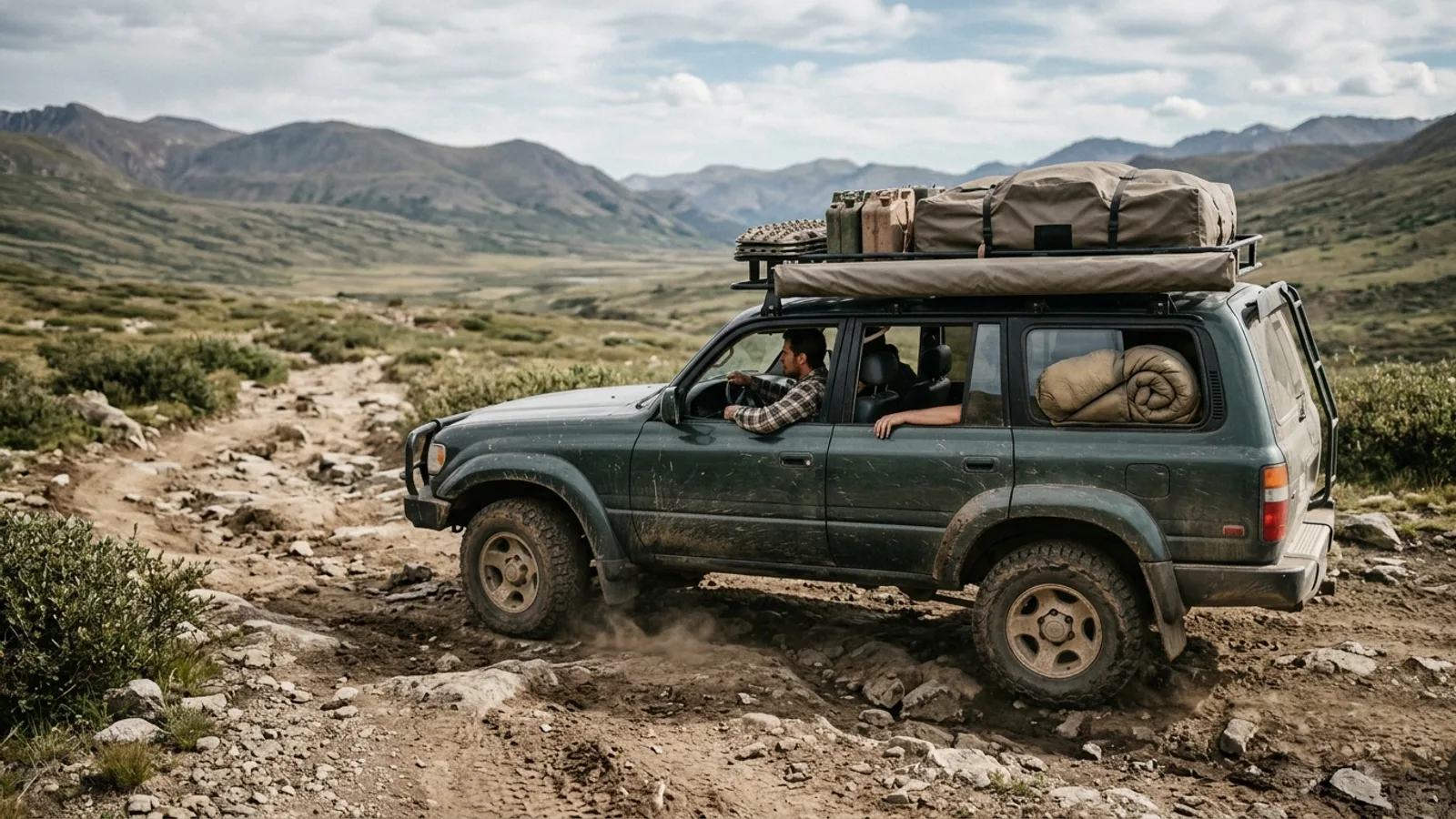
A roof rack turns unused space above your vehicle into usable storage. For overlanding, where trips often mean carrying a tent, recovery gear, water, fuel, and cooking equipment, that extra capacity can be the difference between a cramped cabin and a workable camp setup. Moving bulky items to the roof also frees interior space for passengers and keeps sharp or dirty gear out of the cabin.
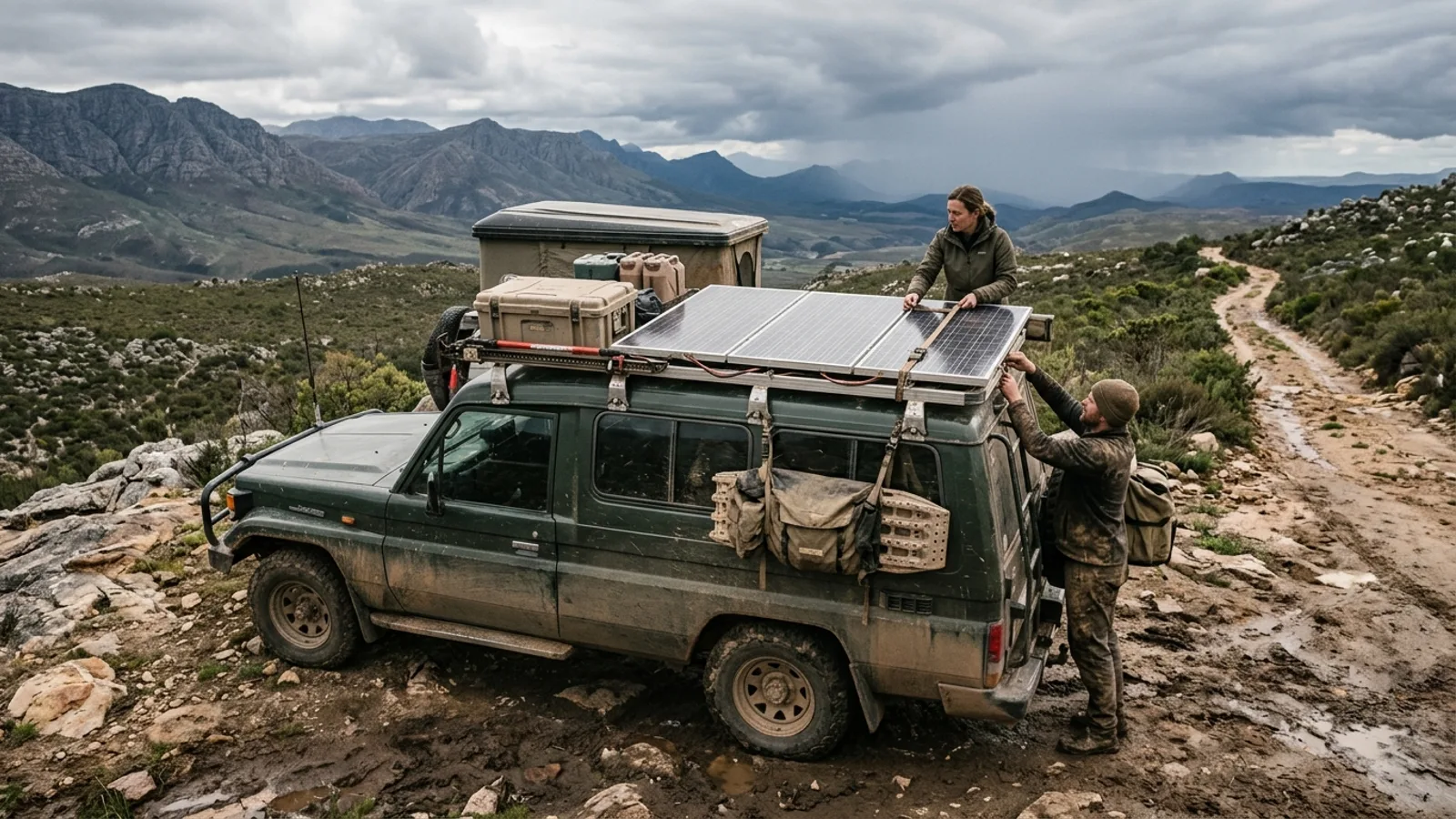
A rack also gives you a stable platform for accessories that need to sit above the vehicle, such as a rooftop tent, awning, or extra lighting.
What to Consider Before Choosing One
Start with your vehicle's roof load rating, which is usually distinct from the rack's own weight capacity. The rating you actually need to respect is the lower of the two: what your roof structure can bear, and what the rack is built to hold. Manufacturers publish both a static load rating (for parked, stationary weight, such as a rooftop tent) and a dynamic rating (for weight carried while driving), and the dynamic number is almost always lower.
Also think about what you'll mount and how often you'll load or unload it. A rack chosen for one big trip may not suit frequent, quick access to gear.
Types of Roof Racks
Full-Length Platforms
These run most of the roof's length and give the most flexible mounting surface. They suit overlanders carrying large or oddly shaped gear, or those who want to mount several accessories at once. The tradeoff is added wind resistance and, on some vehicles, a higher center of gravity.
Low-Profile Racks
Sitting close to the roofline, these reduce wind noise and drag and keep the vehicle's silhouette compact. They work well for lighter loads or for drivers who want a rack mainly to mount a small number of accessories rather than pile on cargo.
Basket-Style Racks
An open, caged design that makes loading loose or irregular items straightforward. Airflow through the basket can reduce wind noise compared with a solid platform, though the open structure isn't ideal for very small items that could slip through gaps.
Materials
Aluminum racks are lightweight and naturally corrosion-resistant, which makes them a common choice where keeping roof weight down matters, since weight on the roof affects handling and stability more than the same weight carried low in the vehicle.
Steel racks are heavier but generally more resistant to impact and rough handling, which appeals to overlanders who expect harsh trail conditions. Steel needs a protective coating and periodic inspection to prevent rust, especially if that coating gets chipped on the trail.
Composite and hybrid racks, built from combinations of plastics, fiberglass, and metal, aim for a middle ground of reduced weight with decent durability. Quality varies a lot between products, so check the load rating rather than assuming lighter always means less capable.
Installation and Fit
Universal or adjustable racks fit a range of vehicles and are useful if you switch vehicles or want a simpler upgrade path. Always confirm the rack's dimensions and rated capacity match your specific roof, rails, or mounting points before relying on it.
Vehicle-specific racks integrate with a particular make and model's factory mounting points or roof rails, generally giving a more secure, better-distributed fit and a cleaner aerodynamic profile.
Installing a rack yourself is realistic if you're comfortable following torque specifications and double-checking hardware, but professional installation is worth considering for complex mounting systems or when you're unsure about your vehicle's load points. Whichever route you take, recheck that all mounting hardware is torqued correctly after the first several drives, since fasteners can settle.
Useful Features
Wind deflectors or fairings mounted at the front of a rack reduce noise and drag, which matters most at highway speeds and on long drives.
Look for a mounting system with multiple attachment points, such as integrated tracks or crossbar slots, so you can add or rearrange accessories like a rooftop tent, awning, or storage box without buying a whole new rack later.
Load Capacity and Weight Distribution
Distribute weight evenly across the rack and keep the heaviest items as low and centered as practical. A heavy, unevenly loaded roof changes how a vehicle handles, particularly in crosswinds or on uneven terrain, and can increase rollover risk in an emergency maneuver.
Never exceed the dynamic load rating while driving, even if the rack's static rating looks like it has room to spare. When in doubt, carry less on the roof and more inside or in a trailer.
Maintenance
Inspect the rack periodically for loose bolts, cracked mounts, or corrosion, especially after rough roads or trips through salt air, mud, or snow. Clean off dirt and debris regularly, since trapped grit can wear down finishes and fasteners over time.
Address rust or coating damage as soon as you notice it rather than waiting, since small spots spread quickly once the surface is compromised. When storing a vehicle for an extended period, removing accessories and covering the rack can extend its usable life.