Choosing the Right Suspension for Overlanding
Why Suspension Matters for Overlanding
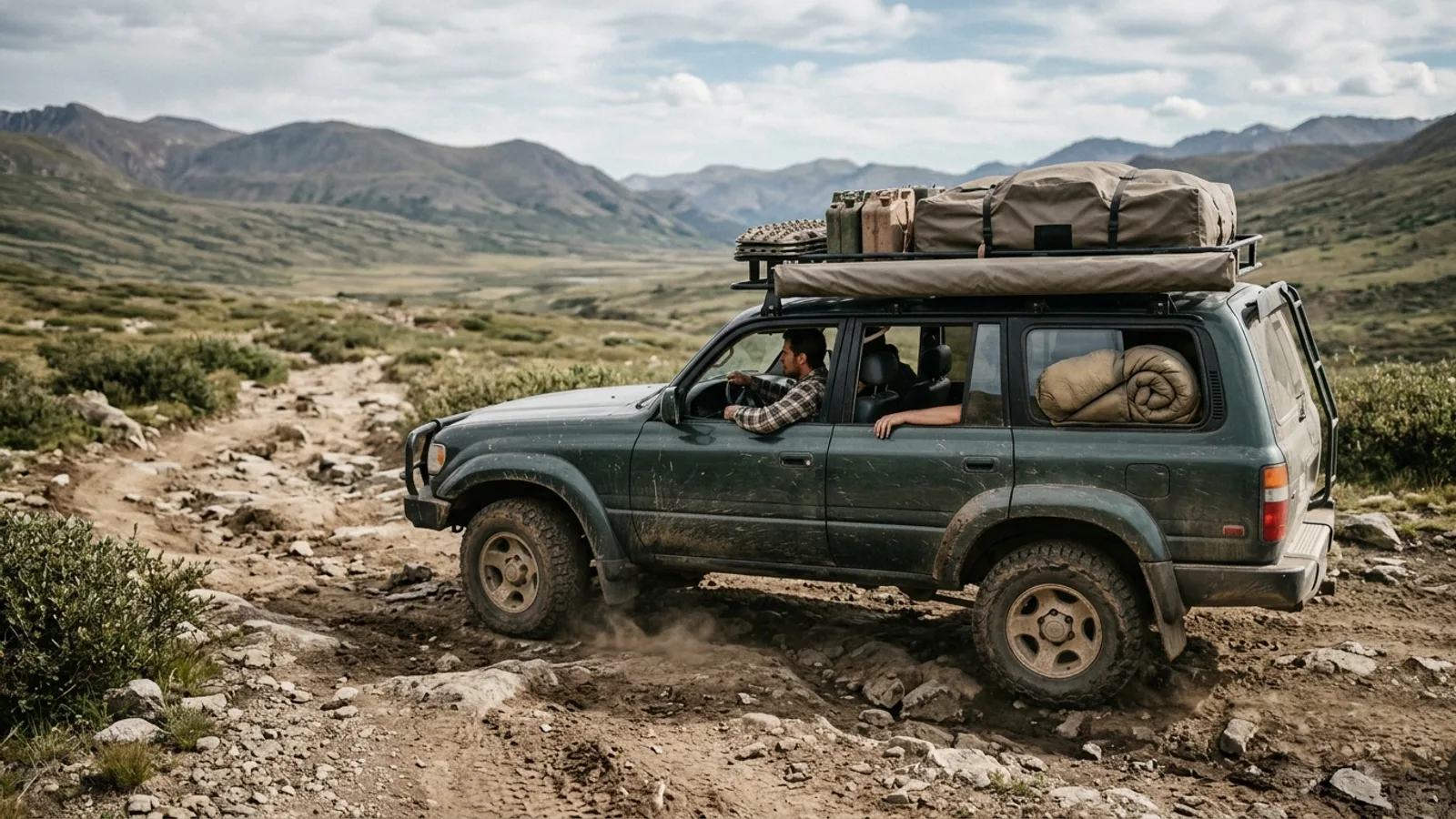
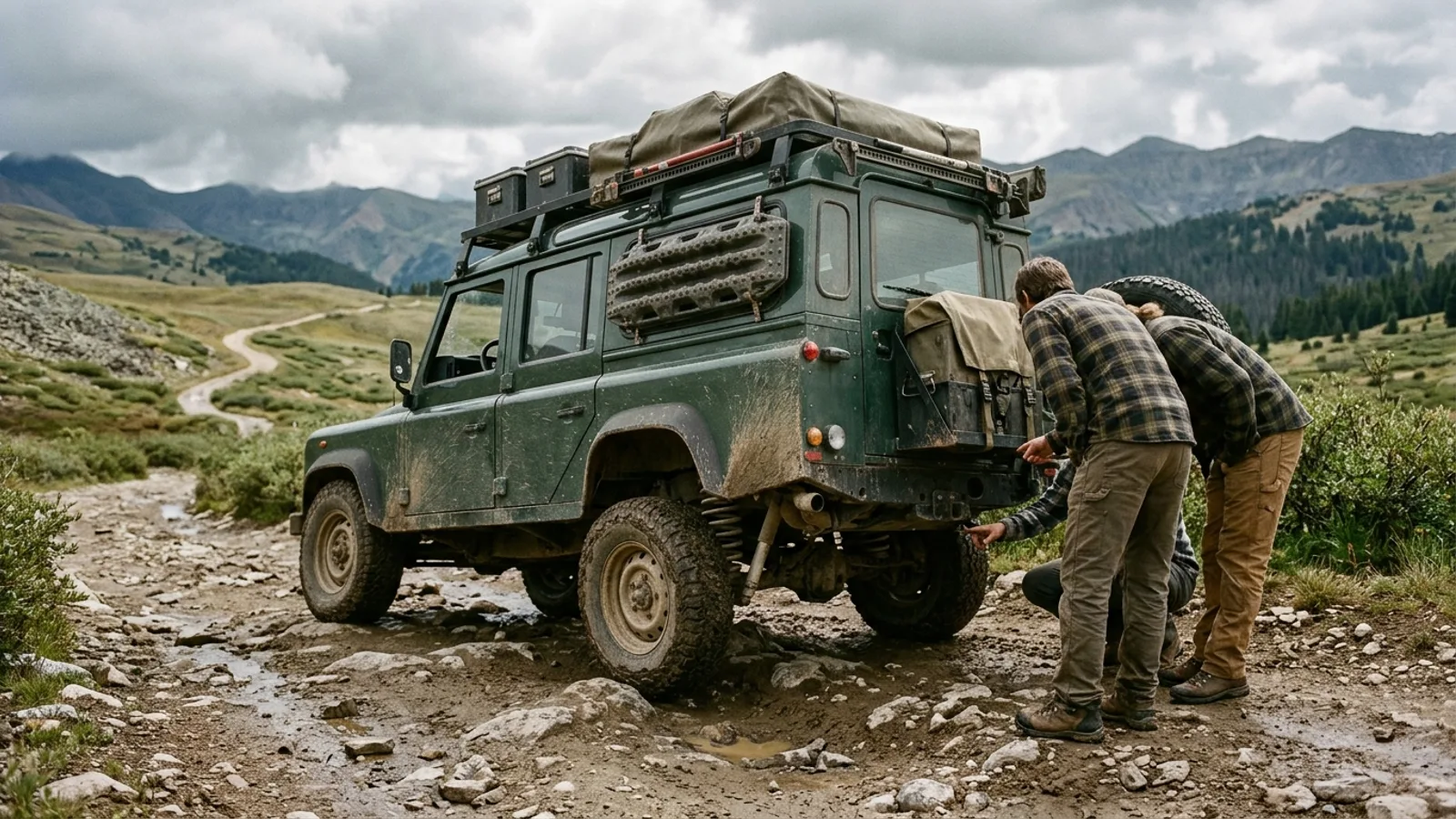
Overlanding puts different demands on a vehicle than daily driving or even typical off-roading. You're often carrying extra weight — rooftop tents, water, recovery gear, food, fuel — over long distances on uneven surfaces. Suspension is what keeps the tires in contact with the ground, absorbs impacts, and keeps the vehicle stable and controllable under that load. A setup that works well for an unloaded weekend trail rig can feel very different once it's loaded for a multi-week trip.
Factors to Weigh Before Choosing a Setup
Weight and Load Capacity
Start with a realistic estimate of your fully loaded vehicle weight, including passengers, water, fuel, gear, and any roof-top or trailer load. Suspension that's undersized for the load will sag, ride harshly, and wear out faster. Oversizing it for a load you'll never carry usually just makes the unloaded ride stiffer and less comfortable. Matching suspension capacity to your actual loaded weight — not the vehicle's base curb weight — is the single most important decision in the process.
Terrain and Conditions
Think about the terrain you'll actually spend most of your time on. Rocky, technical trails reward setups with more wheel articulation and robust protection for suspension components. Sand and desert driving benefit from suspension that keeps the vehicle stable at speed over washboard and dips. Mixed-use overlanding — long stretches of pavement connected by rougher forest or desert roads — often calls for a balanced setup rather than one optimized for a single extreme.
Budget and Performance Goals
More travel and more adjustability generally cost more, and performance gains beyond a certain point come with diminishing returns for typical overland use. It's worth being honest about how extreme your driving really is. A moderate, well-maintained upgrade often serves an overlander better than a maximum-travel system designed for competitive off-road racing.
Types of Suspension Systems
Independent Suspension
Each wheel moves independently of the others, which generally gives a smoother on-road ride and better handling at speed. It's common on newer trucks and SUVs. The tradeoff is typically less strength under extreme articulation compared to solid axles, and repairs in the field can be more complex.
Solid Axle Suspension
A solid axle connects both wheels on one axle together. This design tends to be simpler, stronger, and easier to repair or modify, which is why it remains popular for serious off-road and expedition vehicles. The ride is usually firmer on pavement than an independent setup.
Coil Springs
Coil springs are common on both independent and solid-axle setups. They generally offer a smoother, more comfortable ride than leaf springs and progressive spring rates that handle a range of loads reasonably well, though heavy, sustained loads may require add-on load-support components.
Leaf Springs
Leaf springs are valued for their simplicity, durability, and load-carrying capacity, which is why they're still common on trucks and trailers that carry heavy or variable loads. The ride is typically firmer than coil springs, especially when unloaded.
Air Suspension
Air springs let you adjust ride height and stiffness to match your load, which is useful for a vehicle that goes from empty to fully loaded between trips. They add mechanical complexity — compressors, lines, and seals — which means more potential points of failure, particularly in dusty or freezing conditions, so field-serviceability is worth considering before committing to this option.
Matching a System to Your Use
There's no single "best" suspension for overlanding — the right choice depends on your vehicle, typical load, and the terrain you actually drive. A heavy, slow-moving expedition truck loaded with camping gear has different needs than a lighter vehicle doing occasional weekend trips. When in doubt, prioritize durability and simplicity over sheer performance; a system you can inspect, maintain, and repair yourself or find parts for on the road is often more valuable than one with higher peak capability.
Installation and Maintenance
Whether you install suspension yourself or have a shop do it, a few practices help it last:
- Follow torque specifications. Suspension bolts are engineered to specific torque values; over- or under-tightening can lead to premature wear or failure.
- Inspect before and after installation. Check bushings, mounts, and hardware for damage or wear before fitting new components, and recheck everything after the first few drives as parts settle.
- Get an alignment check. Any suspension change can affect alignment. Uneven tire wear or a vehicle that pulls to one side are signs it needs attention.
- Keep up a regular inspection routine. Look for leaks around shocks or air components, cracks in leaf springs, and play in bushings or joints. Catching wear early is cheaper and safer than dealing with a failure on the trail.
- Lubricate as specified. Some components need periodic greasing; others are sealed and shouldn't be opened. Follow the specific component's guidance rather than a one-size-fits-all schedule.
- Know your limits. Suspension work affects handling and safety. If you're unsure about a step, having a qualified mechanic check the work is a reasonable precaution.
Bottom Line
Good overlanding suspension isn't necessarily the most extreme option — it's the one matched to your vehicle's real loaded weight, the terrain you actually drive, and a maintenance routine you'll actually keep up with. Getting those three things right does more for comfort, control, and reliability than any single spec.