Overlanding Gear Checklist: What to Pack and Why
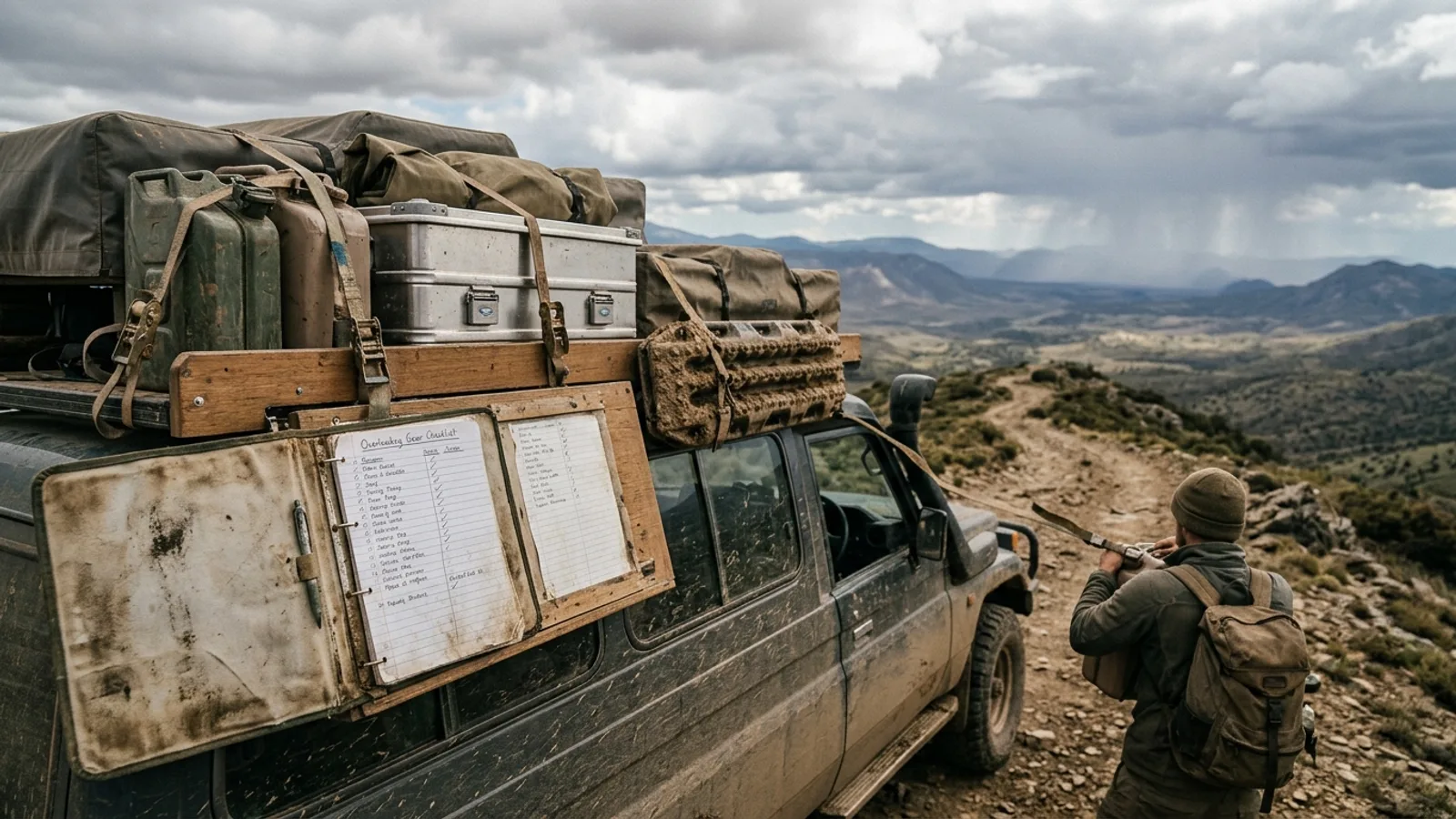
Planning Your Gear Around Self-Sufficiency
Overlanding means traveling by vehicle to remote places and being ready to camp, cook, and handle problems without outside help. The gear you carry should cover six basic needs: shelter, food and water, navigation, communication, safety, and vehicle support. Building your kit around these categories, rather than buying gear piecemeal, helps you spot gaps before you're far from help.
Before a trip, lay out everything by category and ask what happens if a specific item fails. A backup for navigation, water, and fire-starting matters more than having extra of everything else.
Shelter and Sleeping
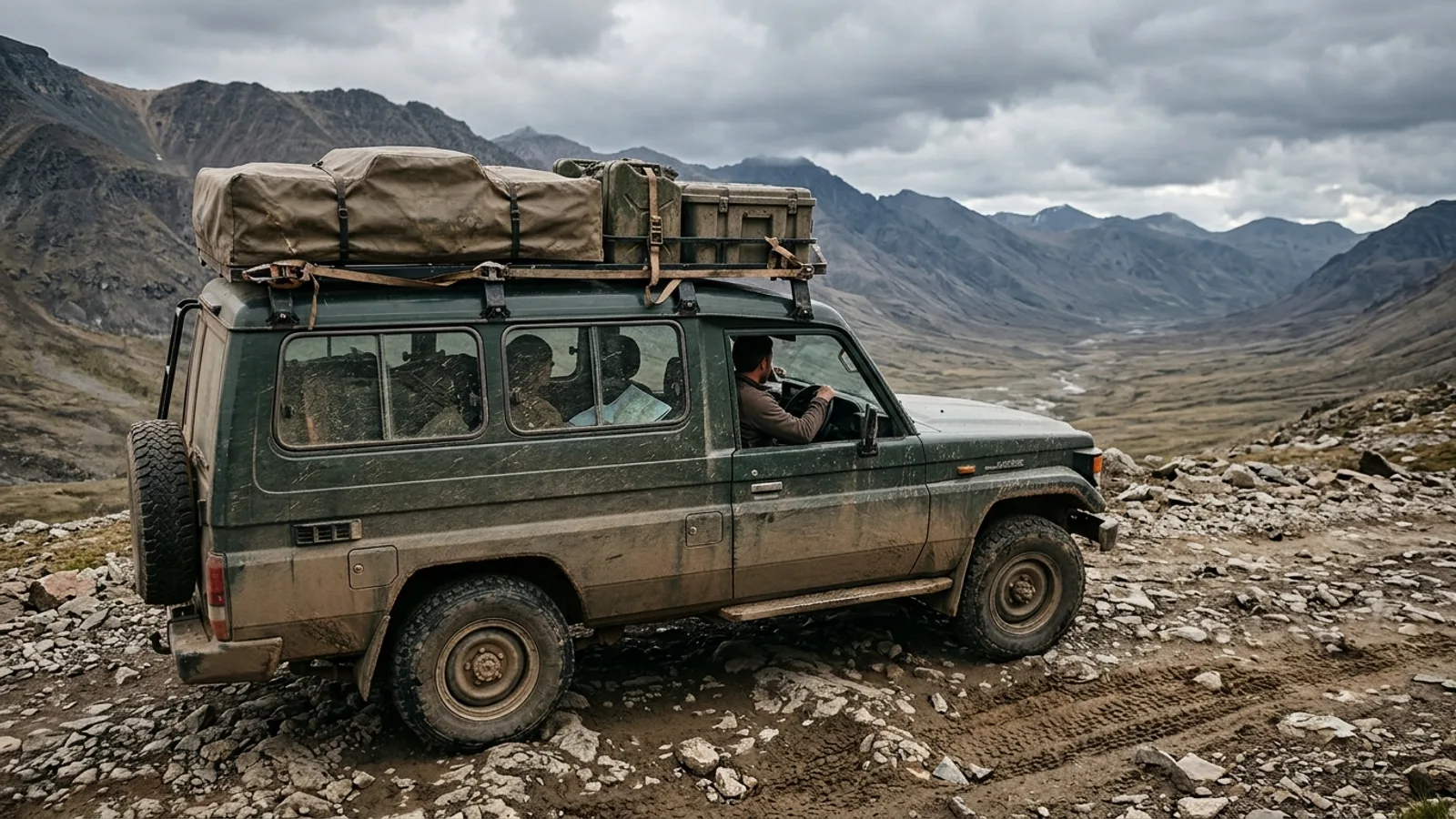
A rooftop tent, ground tent, or vehicle-based sleeping setup should match the terrain and season you expect. Ground tents work almost anywhere but take longer to pitch; rooftop tents set up quickly and keep you off uneven or wet ground, but they add weight and height to the vehicle, which affects fuel use and clearance.
Sleeping bags are rated by temperature, and it's safer to choose a rating colder than the lowest temperature you expect, since ratings assume ideal conditions. A sleeping pad matters as much as the bag itself — it insulates you from the ground, where most heat loss happens overnight.
Bring stakes, guylines, and a small repair kit for your shelter, along with a headlamp or lantern for moving around camp after dark. A folding chair and table make basic camp life easier, and a portable shower or privacy screen is worth it on longer trips.
Cooking and Food Storage
A compact camp stove that runs on a fuel type you can reliably find or carry is the center of most overlanding kitchens. Match its size and burner count to your group and the meals you actually plan to cook — simple one-pot meals need far less gear than trips with fresh cooking every night.
Store food in sturdy, sealed containers, and keep it separate from scented items like toiletries. In areas with bears or other wildlife, use containers or storage methods appropriate to that risk, and never store food inside a tent.
Carry more water than you think you'll need, and have a way to treat additional water from natural sources if your route allows it — filters, purification tablets, or UV treatment each have tradeoffs in speed, weight, and what they remove. Know which method you're using and its limitations before you rely on it.
Navigation and Communication
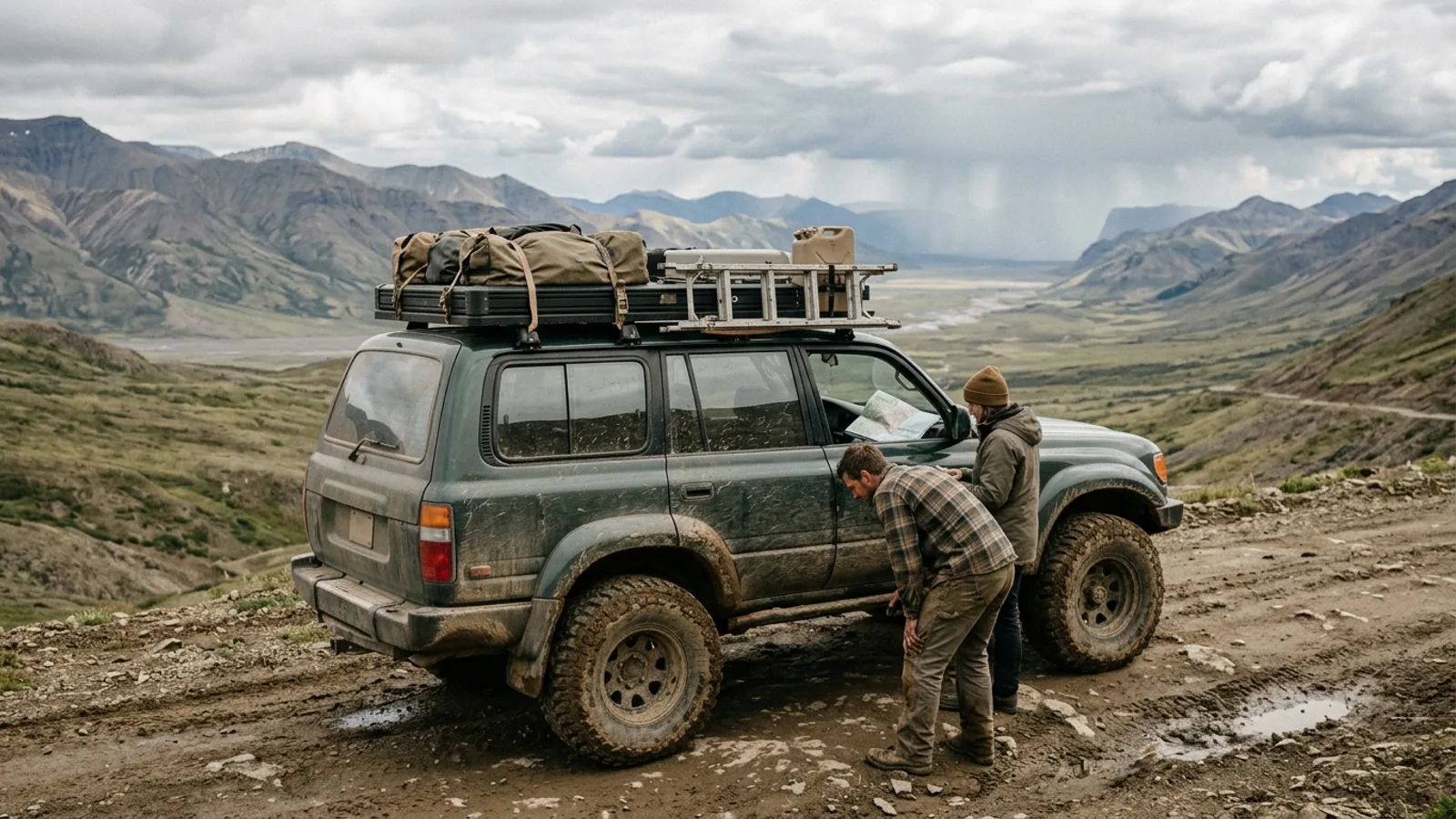
Carry a paper map and compass as a backup even if you're using GPS, since electronics can fail, lose signal, or run out of power. Learn basic map-reading before you need it — figuring it out during an actual emergency is much harder.
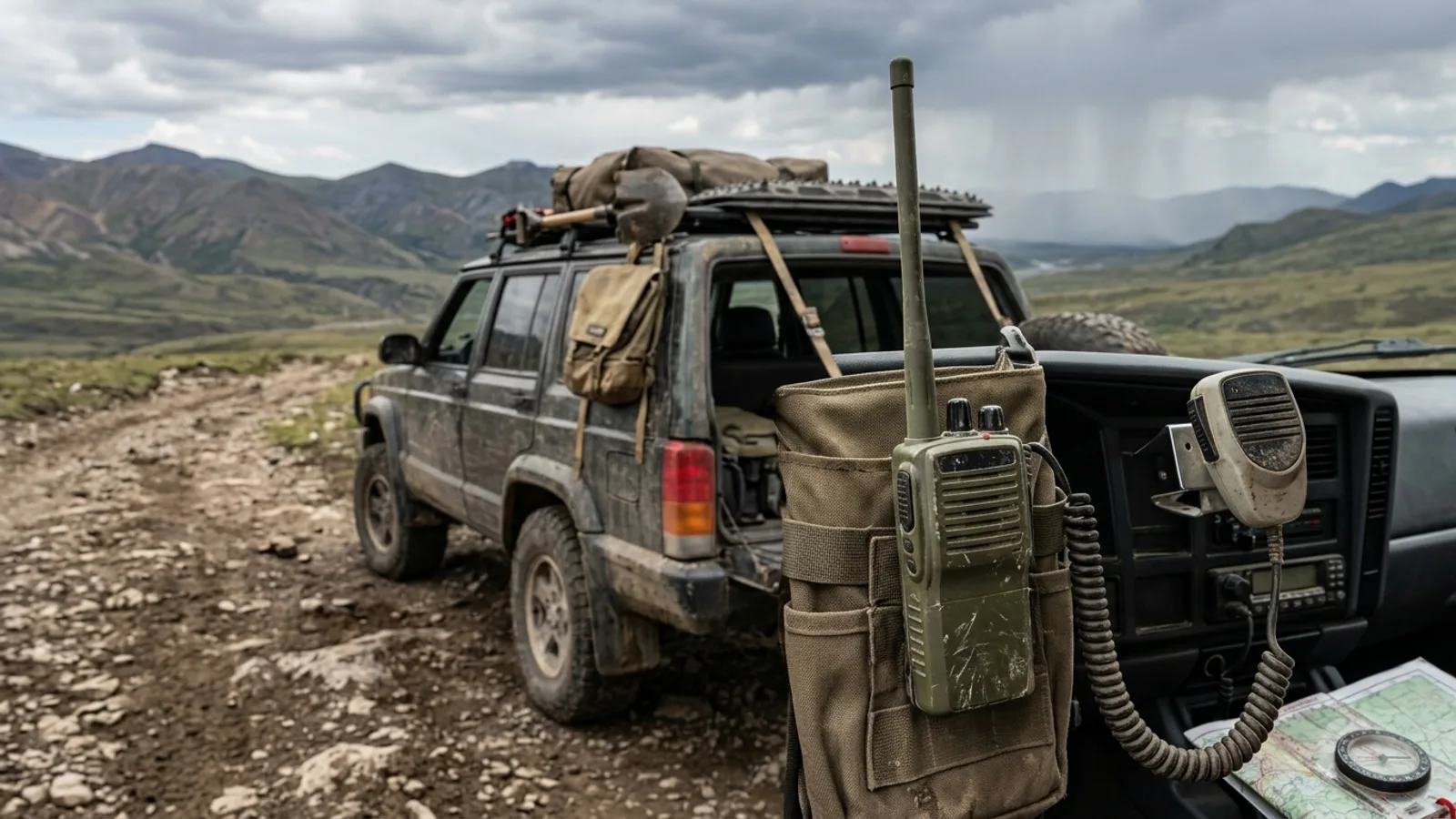
Cell coverage disappears quickly outside populated areas. A satellite messenger or personal locator beacon gives you a way to call for help when phones don't work, and some models allow basic two-way texting. Two-way radios are useful for keeping multiple vehicles in a group coordinated on the same route.
Before you leave, tell someone your planned route and expected return time. This one habit does more for your safety than most gear on this list.
Safety and First Aid
A first aid kit for overlanding should go beyond a basic car kit — include supplies for cuts, sprains, blisters, burns, and any medications your group needs. Check it before each trip and restock anything used or expired.
Carry a fire extinguisher rated for multiple fire types, since campfires, stoves, and vehicle systems each present different risks. Know how to use it before an emergency, and keep it somewhere you can reach quickly.
An emergency blanket is small, cheap insurance against hypothermia, and a basic multi-tool, a spare flashlight with batteries, and a small folding shovel round out a minimal emergency kit. A whistle or small signal mirror weighs almost nothing and can help rescuers find you if you're ever stranded away from your vehicle.
Clothing and Personal Items
Dress in layers so you can adjust to temperature swings between day and night, which are often larger away from cities. Bring rain protection even if the forecast looks clear, and choose footwear suited to the terrain you'll actually be walking on, not just driving through.
Pack basic toiletries and any personal medications in a way that's easy to find, and consider a small trash bag system for packing out everything you bring in — this matters more the farther you are from regular services.
Vehicle Essentials
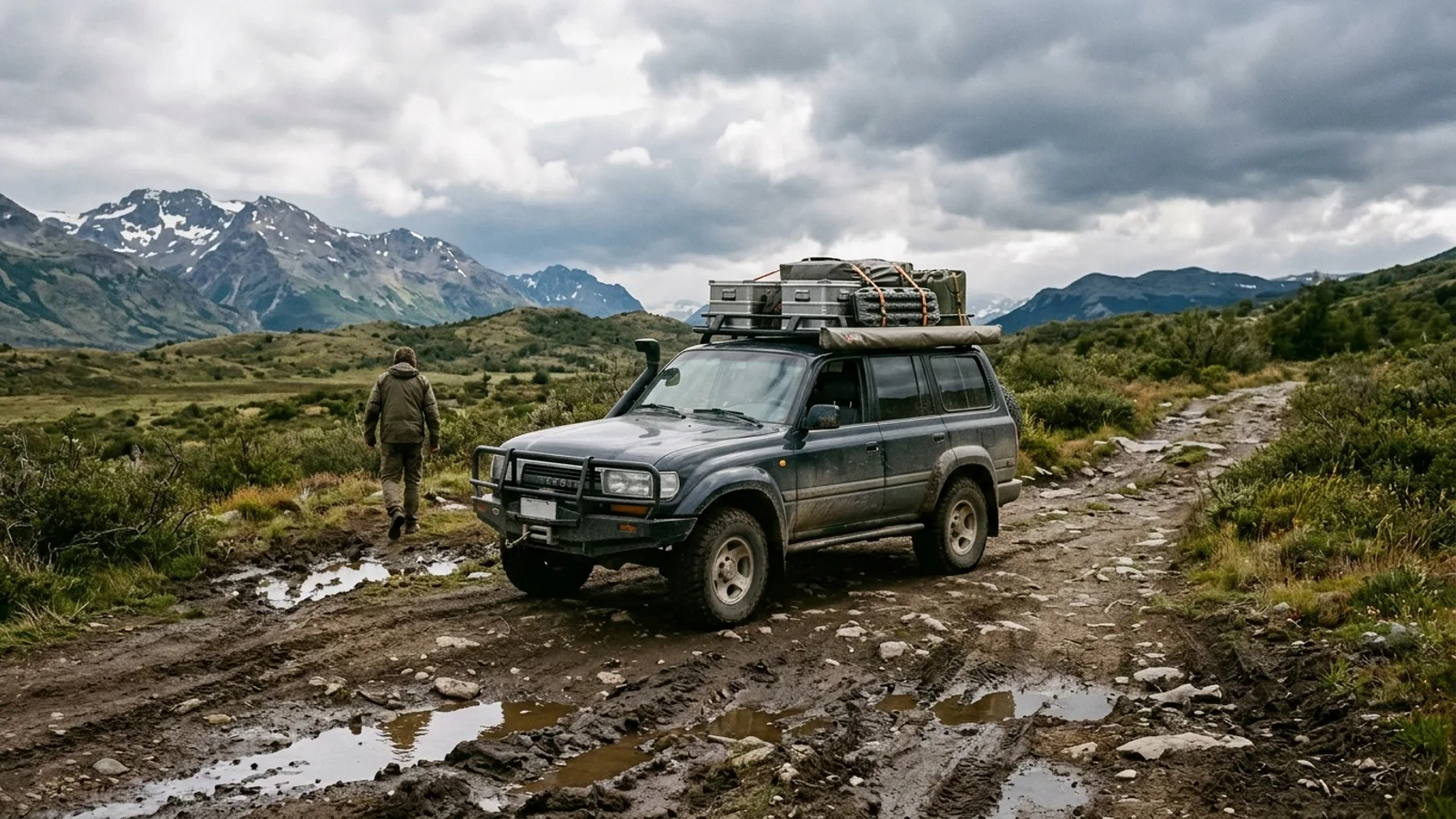
Recovery gear — a tow strap, shovel, and traction aids suited to the terrain — lets you get unstuck without waiting for outside help. A full-size spare tire, a way to check and adjust tire pressure, and a basic tool kit cover the most common mechanical issues.
Carry extra fuel only if your route genuinely requires it, and store it securely outside the passenger area. Know the basics of your vehicle's fluid levels and where to check them, since small issues are much easier to catch early than after a breakdown far from a service station.
Before any trip, walk through your entire gear list by category. The goal isn't to carry everything possible — it's to have a working answer for shelter, food, water, navigation, and emergencies, so a single failure doesn't turn into a real problem.