How to Start Overlanding: A Beginner's Guide
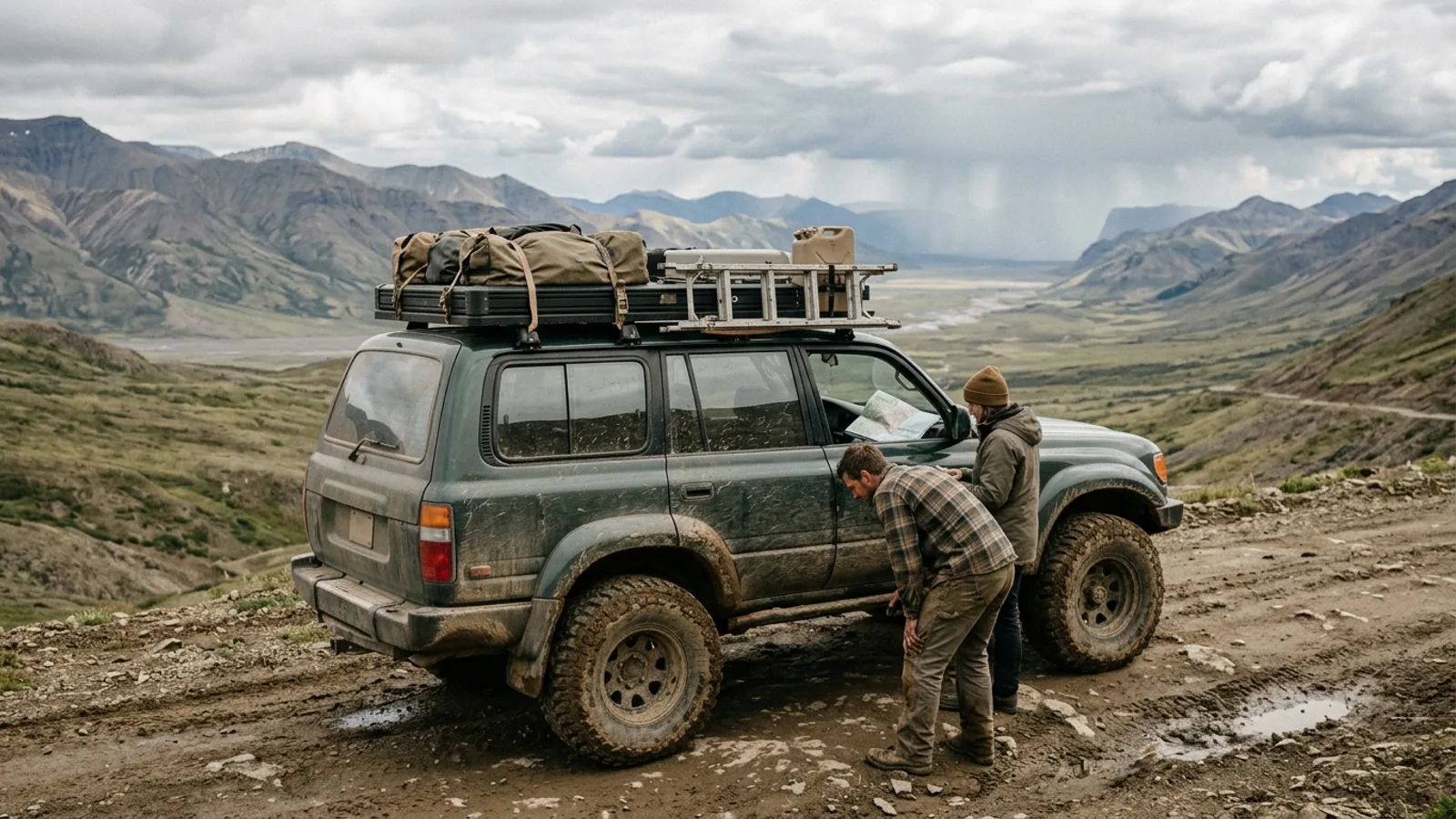
Overlanding is vehicle-based travel that emphasizes the journey over the destination. You drive off-road or on remote backroads, camp along the way, and rely mostly on what you're carrying rather than on hotels or restaurants. It sits somewhere between road-tripping and backcountry expedition travel, and it doesn't require an expensive rig or years of experience to try responsibly.
What Overlanding Actually Involves
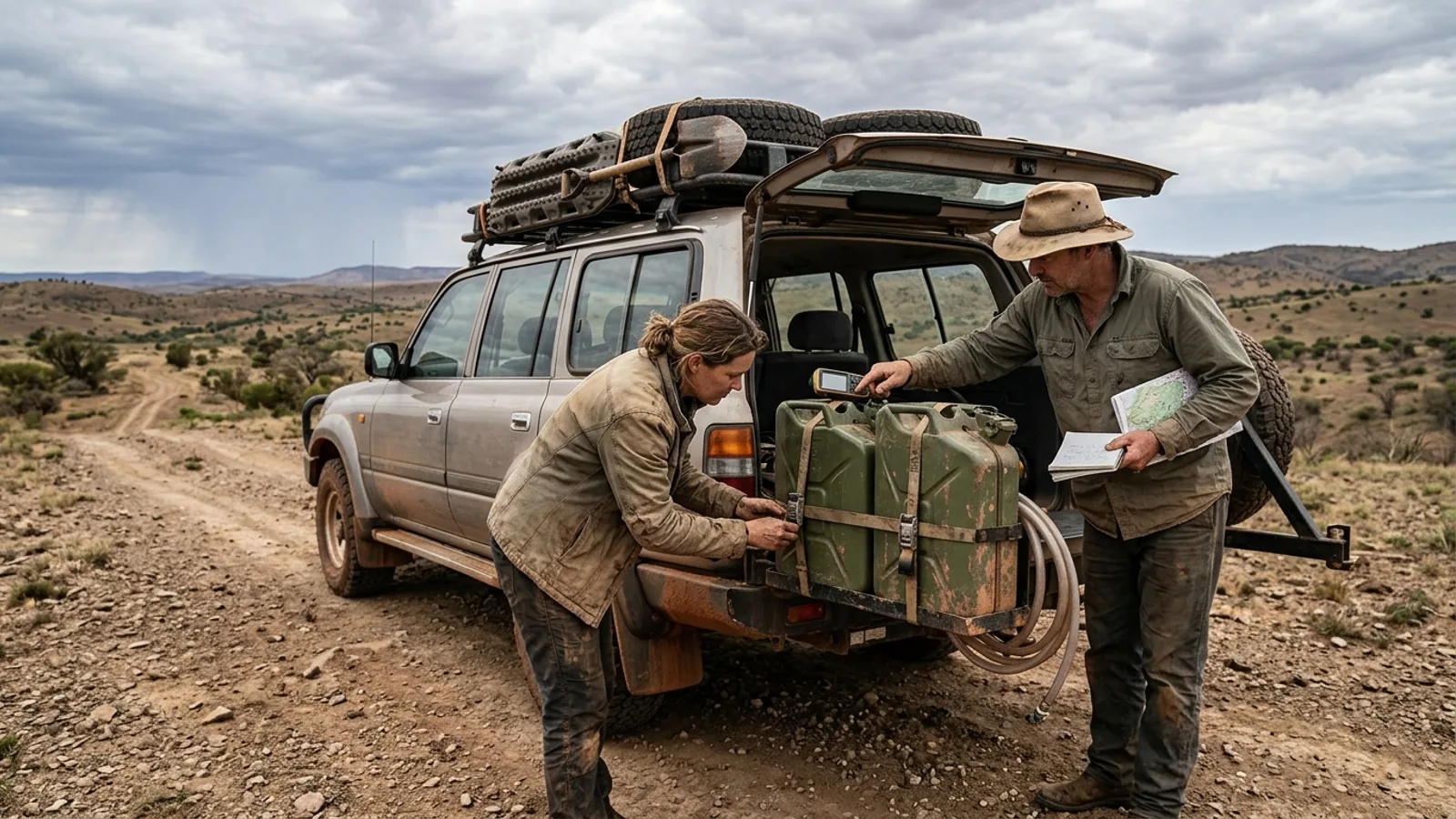
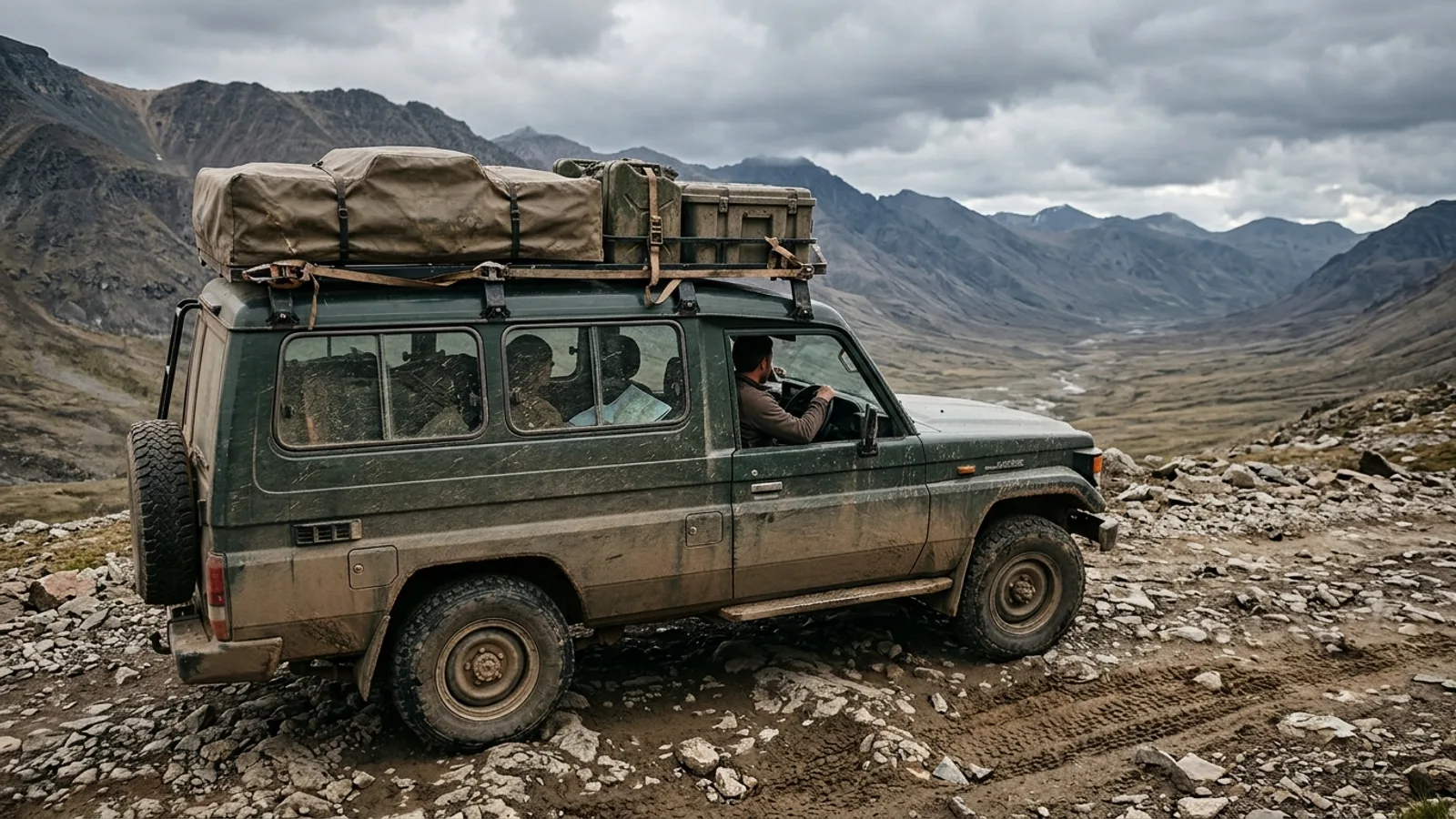
At its core, overlanding means self-sufficient travel over multiple days, usually along dirt roads, forest routes, or remote tracks that a standard vehicle couldn't comfortably handle. You carry your own food, water, shelter, and recovery gear because help may be hours away. The appeal is access: overlanding routes often reach places you simply can't get to any other way, and they let you camp in solitude far from crowded campgrounds.
It's not the same as rock crawling or competitive off-roading. The goal isn't to find the hardest obstacle but to travel comfortably and safely across varied terrain, often for days at a time.
Choosing and Preparing a Vehicle
You don't need a heavily modified rig to start. Many beginners do their first trips in a stock SUV or truck with four-wheel drive or all-wheel drive and reasonable ground clearance. What matters most is mechanical reliability: a vehicle that's been well-maintained and inspected before departure will serve you better than one with impressive modifications but deferred maintenance.
Before any trip, check fluid levels, tire condition and pressure, brakes, and battery health. Carry a full-size spare, and know how to change a tire on uneven ground. As you gain experience, common upgrades include:
- All-terrain tires for better grip on dirt, gravel, and rock
- Increased ground clearance through suspension upgrades, useful once you're tackling rougher trails
- Auxiliary lighting for driving and camp use after dark
- Rooftop or ground tents designed for frequent setup and breakdown
- Storage systems that keep gear organized and secure over rough terrain
Modify gradually, based on the terrain you're actually driving. It's easy to over-build a vehicle for trips you'll never take.
Essential Gear
A solid gear list balances recovery, navigation, camping, and daily living needs.
Recovery and Repair
- Traction boards or similar devices for sand, mud, or snow
- Recovery straps rated for your vehicle's weight
- A basic tool kit and common spare parts (belts, fuses, fluids)
- A tire repair kit and a way to air tires up and down
Navigation
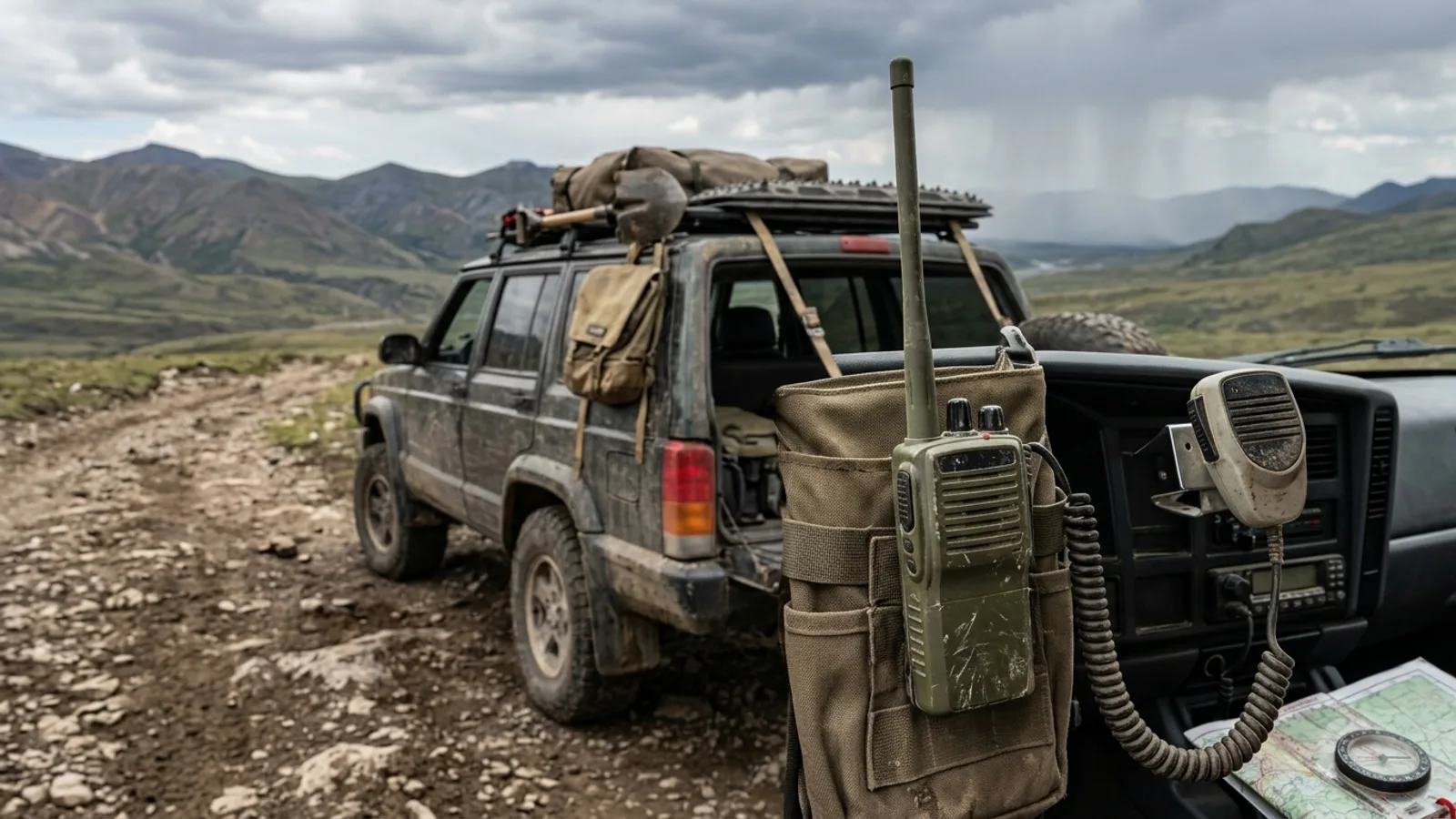
- A GPS device or offline mapping app loaded before you lose signal
- Physical paper maps as a backup that never runs out of battery
- A compass, and the basic skill to use it alongside a map
Camping and Personal Gear
- A tent or sleeping setup rated for the conditions you'll face
- Layered clothing for temperature swings between day and night
- Enough water for drinking, cooking, and cleaning, plus a way to treat more if needed
- Shelf-stable food and a cooler for perishables
- Sun protection, insect repellent, and a basic first aid kit
Write your own checklist based on trip length, climate, and group size rather than copying someone else's list wholesale. What you need in a desert differs from what you need in mountains or coastal terrain.
Planning a Route
Start with routes that are well-documented and frequently traveled by other overlanders. These tend to have clearer trail conditions, more predictable cell coverage, and other travelers nearby if something goes wrong. Save the remote, rarely-traveled routes for after you've built experience and confidence.
Before you go:
- Research current trail conditions and any seasonal closures or permit requirements
- Study topographic maps to understand elevation changes, water crossings, and potential obstacles
- Check the weather forecast for the entire trip window, not just departure day
- Tell someone your planned route and expected return time
- Identify bailout points where you could exit the route early if conditions turn
Many public lands have backroads and forest routes suitable for a first overlanding trip — look for ones near you that are described as beginner-friendly or low-difficulty by land management agencies or established overlanding communities.
Building Skills and Judgment
The most important overlanding skill isn't driving technique — it's judgment. Knowing when to turn around, when a water crossing is too deep, or when weather makes a route unsafe will keep you out of trouble far more reliably than any piece of gear.
Practice basic recovery techniques in a low-stakes setting before you need them for real. Learn how your vehicle behaves in sand, mud, and on loose gravel at a controlled pace. Travel with at least one other vehicle when possible, especially on remote or unfamiliar routes.
Getting Started
Begin with short trips close to home on established routes. Use them to test your gear, refine your packing list, and learn your vehicle's limits. Each trip will teach you what you actually need versus what you thought you needed. Over time, you can extend trip length and route difficulty as your skills and confidence grow.