How to Find Overlanding Trails: A Practical Guide
What Overlanding Actually Means
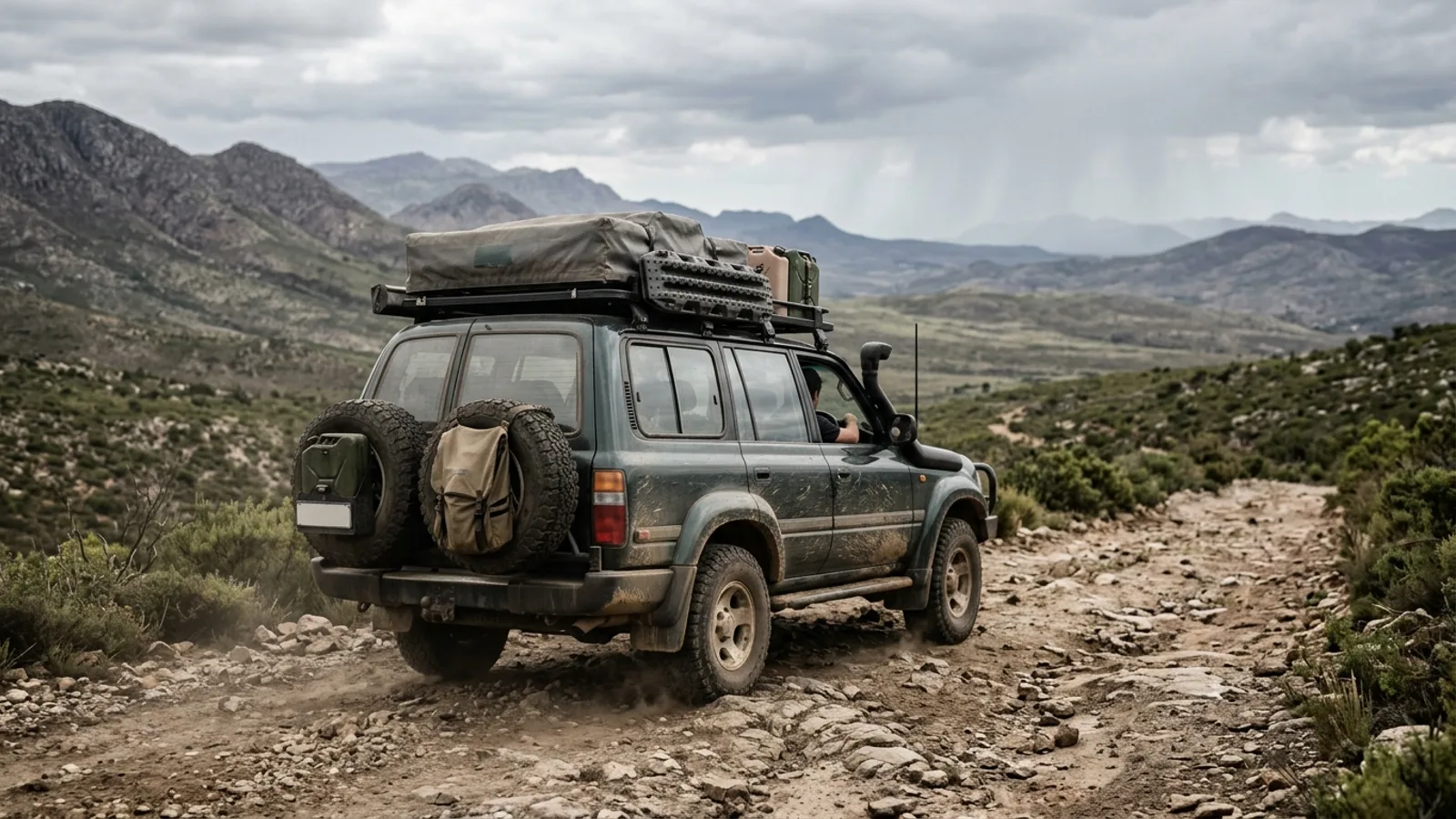
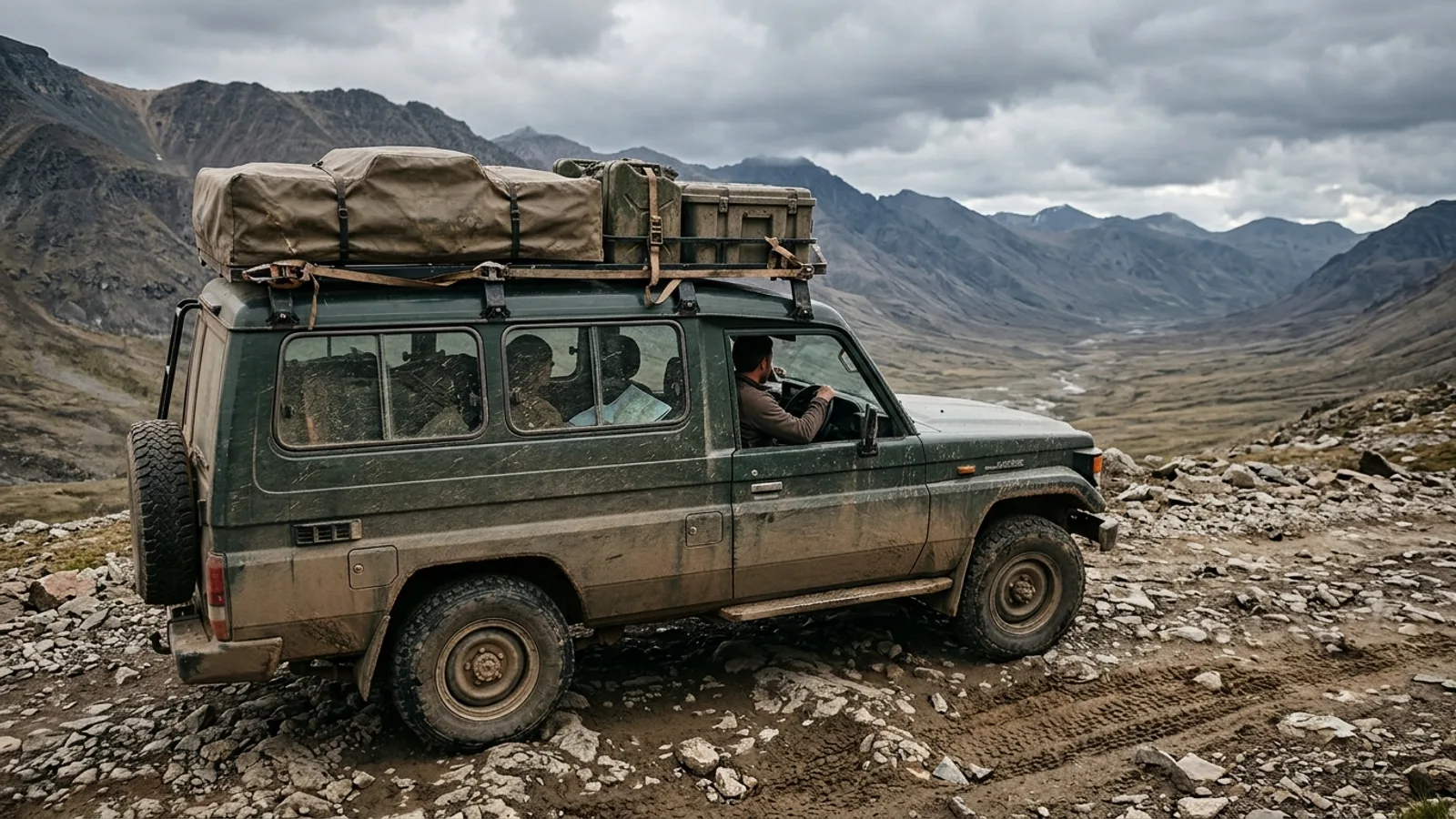
Overlanding is self-reliant, vehicle-based travel through remote terrain, where the journey itself is the point rather than a fixed destination. You carry your shelter, food, water, and tools with you, and you're prepared to handle mechanical or navigational problems without outside help for extended periods.
This sets it apart from a typical road trip. A road trip usually connects paved routes between towns and attractions. Overlanding moves through backcountry roads, forest tracks, and undeveloped land where cell service, fuel, and repair shops may be hours away.
Where to Find Reliable Trail Information
No single source is complete. Cross-checking a few of the following will give you the clearest, most current picture of a route.
Land Management Agencies
Public land agencies that manage forests, deserts, and rangeland publish maps, road classifications, seasonal closures, and permit requirements for the areas they oversee. This is usually the most authoritative source for whether a route is legally open to vehicles and what condition it's likely to be in. Check for fire restrictions, weather-related closures, and any permit requirements before you go.
Trail and Route Databases
Several mapping platforms and apps focus specifically on off-road and overland routes, showing difficulty ratings, user comments, and GPS tracks. These are useful for discovering routes and getting a sense of what to expect, but conditions change — washouts, downed trees, and new closures often outpace what's shown on a map. Treat user-submitted difficulty ratings as a starting point, not a guarantee.
Community Knowledge
Online forums and local off-road clubs are good for firsthand, recent trip reports, especially for less-documented routes. People who've driven a trail in the last season can tell you about water crossings, obstacles, or closures that haven't made it into any official listing yet.
Rangers and Local Contacts
Ranger stations, visitor centers, and local outfitters often know about current trail conditions, recent wildlife activity, and hazards that don't appear online. A short conversation before you head out can save you from a dead end or an unnecessary risk.
Paper Maps as Backup
Carry a physical topographic map of the area along with a compass, and know how to use both. Batteries die, devices break, and signal disappears exactly where you need it most. A paper map won't run out of power.
Preparing Your Vehicle and Yourself
Reliability matters more than capability. A well-maintained vehicle with modest off-road ability will get you further than a highly capable one that hasn't been serviced. Before a trip, check fluid levels, tire condition and pressure, brakes, belts, and the battery. Know your vehicle's ground clearance, approach and departure angles, and how to engage four-wheel drive or low range if it has them.
Understand the terrain you're heading into and match your route to your vehicle's real capabilities, not its advertised ones. Sand, mud, rock, and steep grades each demand different skills and equipment, and conditions can change quickly with weather.
Essential Gear
First Aid and Medical Supplies
Carry a well-stocked first aid kit and know how to use everything in it. Include supplies for cuts, sprains, blisters, and insect bites, along with any personal medications you rely on.
Emergency Communication
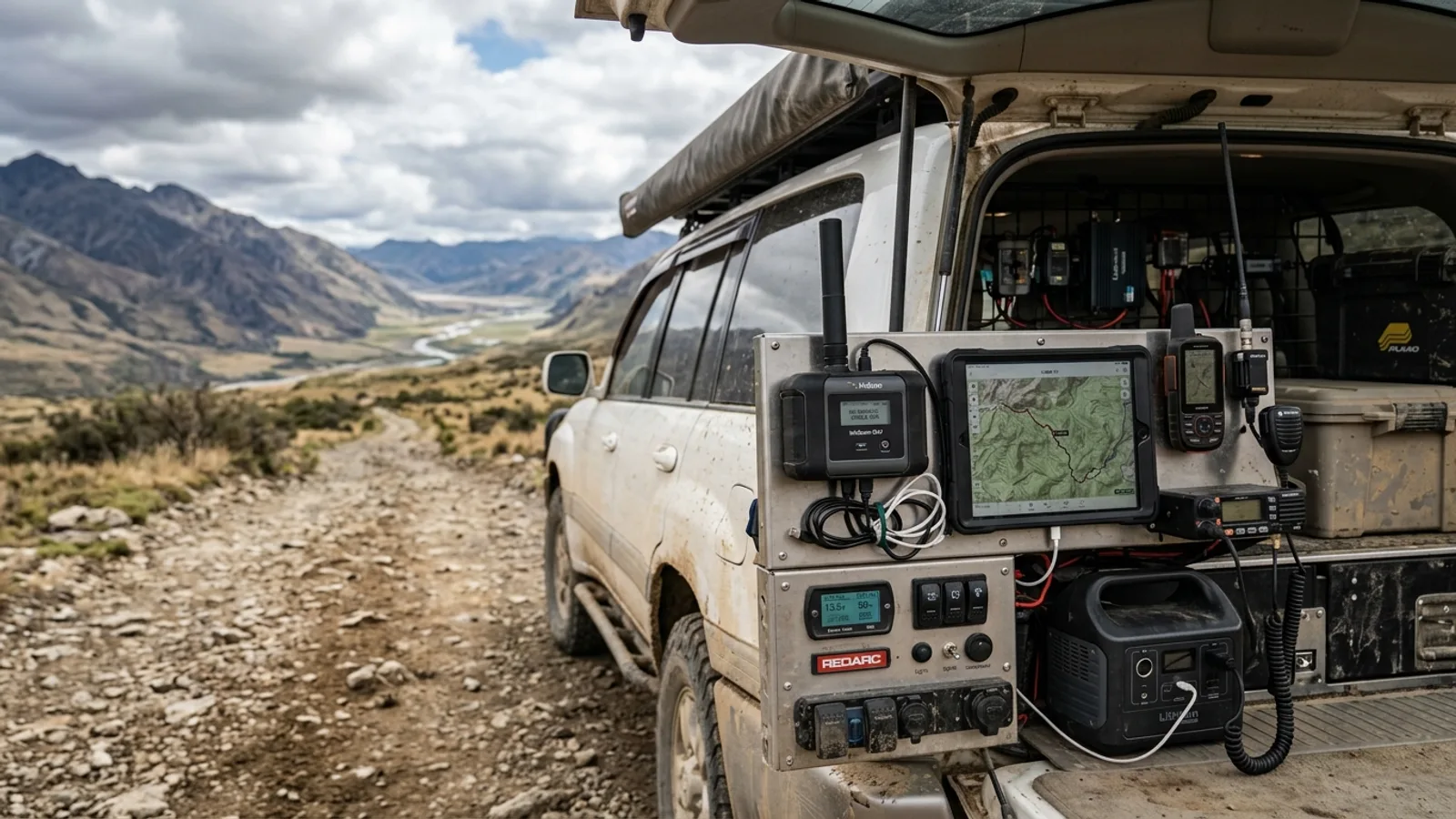
In areas without cell coverage, a satellite communicator or similar device lets you call for help or check in with others. Learn how to use it before you're relying on it in an emergency.
Vehicle Recovery Equipment
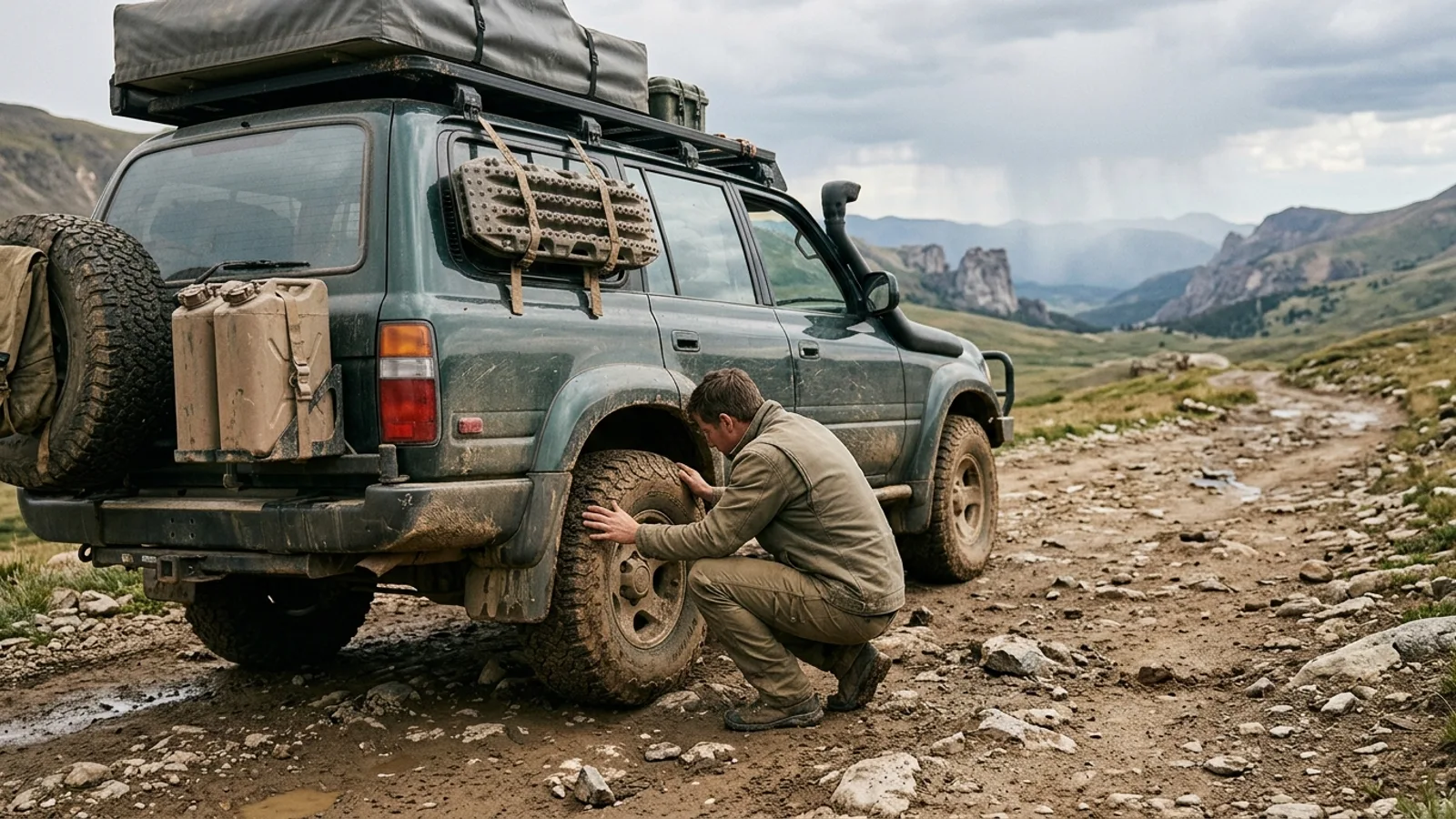
A basic recovery kit — traction aids, a tow strap, and shackles rated for your vehicle's weight — helps you get unstuck without waiting for outside assistance. Learn proper recovery technique beforehand; using recovery gear incorrectly can be dangerous.
Tools and Spare Parts
Basic hand tools, a tire repair kit, an air compressor, and commonly needed spares (fuses, a belt, extra fluids) let you handle small failures on the spot instead of ending the trip early.
Water, Food, and Cooking Gear
Carry more water than you think you'll need, plus a way to filter or treat additional water if you're relying on natural sources. Pack simple, durable cooking equipment and enough food to cover delays.
Planning and Navigation
Share your planned route and expected return time with someone before you leave. Build in extra time and fuel for detours, and identify bailout points where you could exit the route early if conditions turn bad.
Check weather forecasts for the whole area you'll be traveling through, not just your starting point — conditions can shift dramatically with elevation and terrain.
Traveling With Others
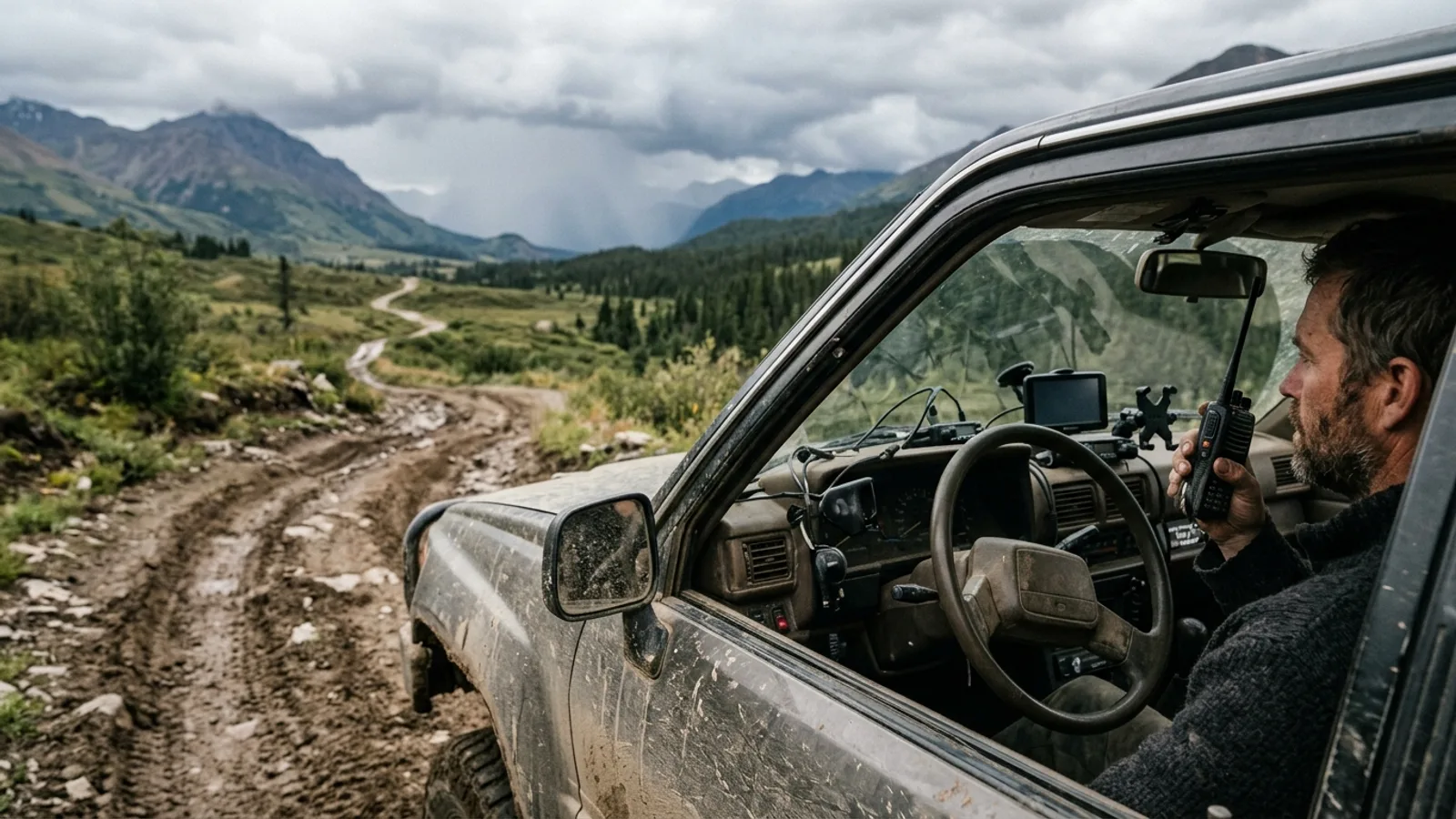
Traveling in a small group of vehicles adds a real safety margin: extra recovery gear, extra hands, and someone who can go for help if needed. Agree in advance on pace, communication methods between vehicles, and what to do if someone gets separated or a vehicle breaks down.
Final Thoughts
Finding good overlanding routes takes some combination of official sources, trail databases, community knowledge, and local advice — no single source is enough on its own. Thorough vehicle preparation and the right gear are what turn a remote breakdown from an emergency into a minor inconvenience. Take the time to prepare well, and the backcountry becomes far more forgiving.