How to Choose a Vehicle for Overlanding
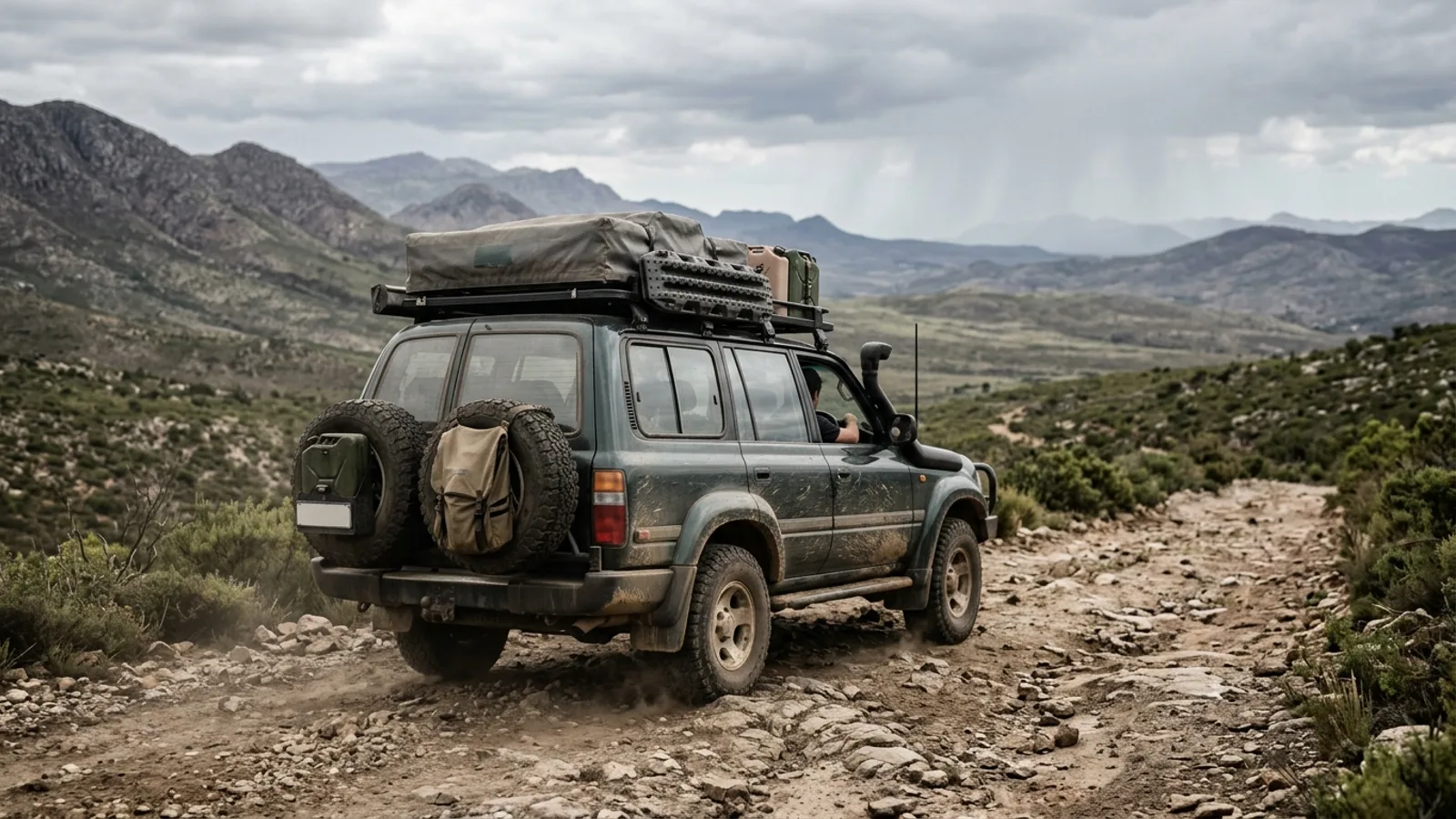
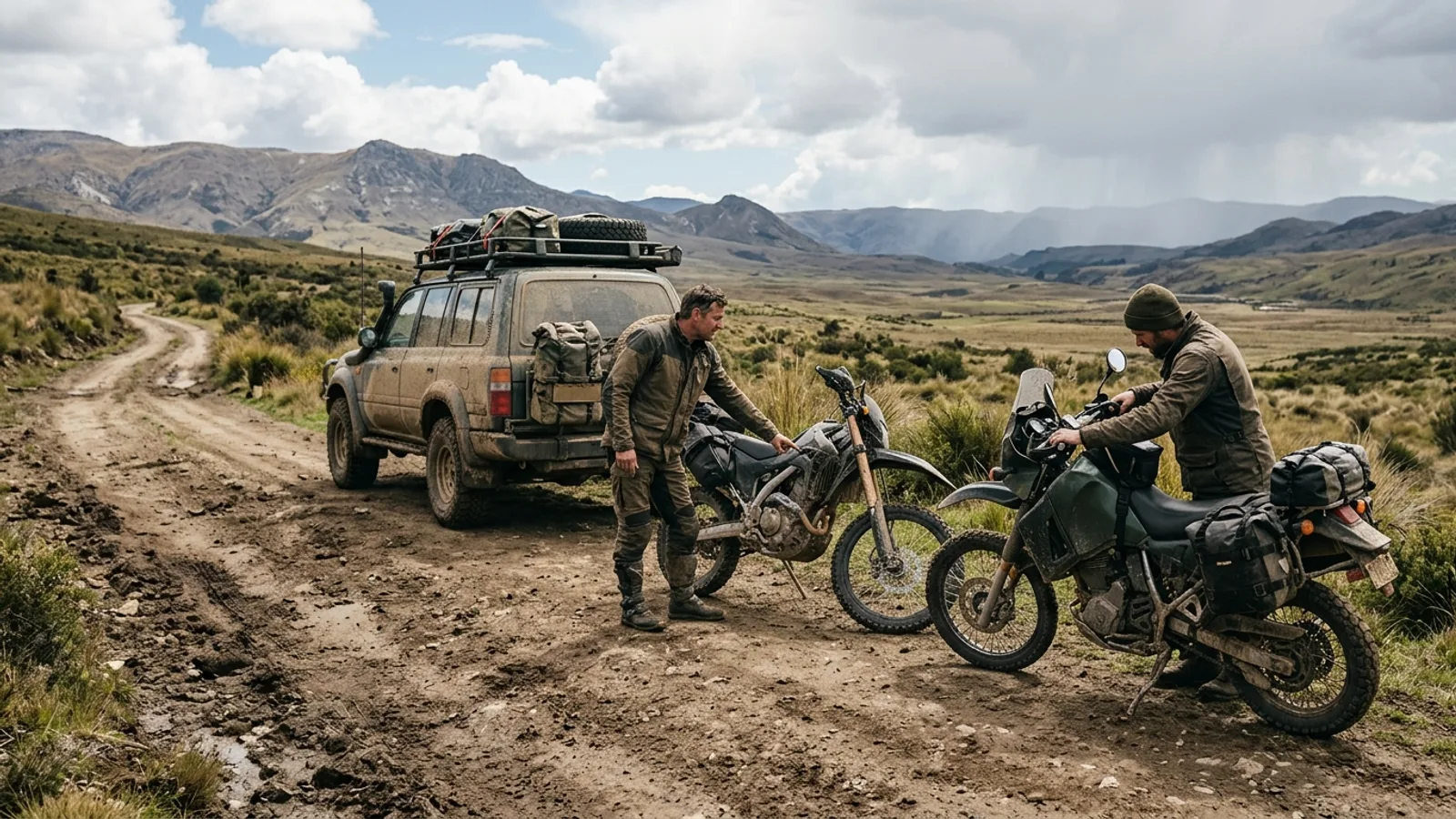
Overlanding is less about a specific vehicle and more about how well that vehicle matches your gear, your routes, and your skills. Trucks, SUVs, and even capable crossovers can all work. What matters is understanding the tradeoffs involved before you build or buy.
Start With How You'll Actually Use It
Before comparing specs, think honestly about your trips. Are you mostly on graded dirt and forest roads, or do you regularly encounter deep mud, rock ledges, and stream crossings? Do you travel solo or with a partner and gear for extended stays? A vehicle built for weekend car camping on maintained roads doesn't need the same capability as one meant for remote, multi-week routes with no services nearby.
Matching the vehicle to the actual difficulty of your typical trip avoids two common mistakes: overbuilding a rig that's harder to drive and maintain than necessary, or underbuilding one that gets stuck or breaks down when you need it most.
Payload and Weight Matter More Than People Expect
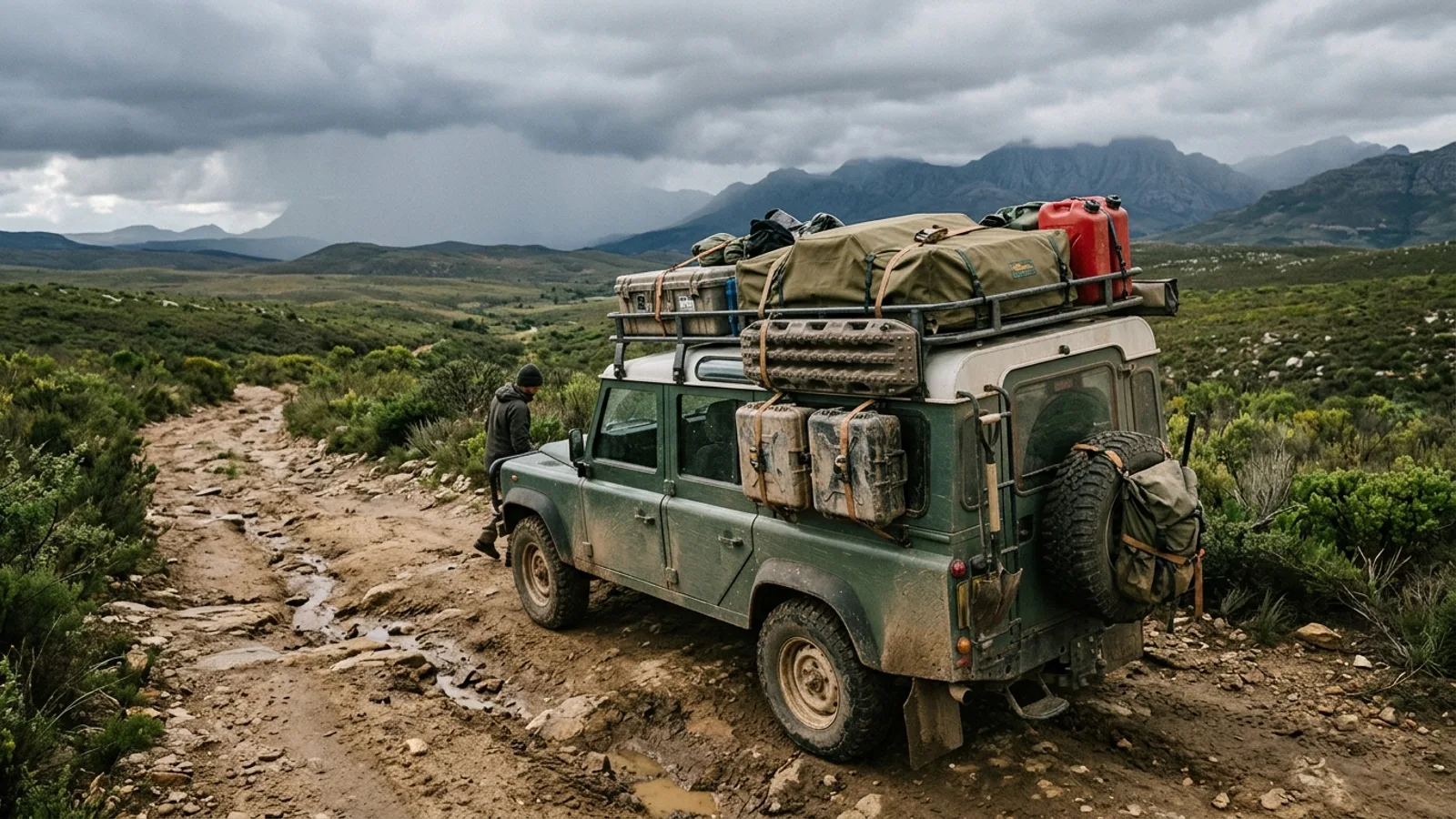
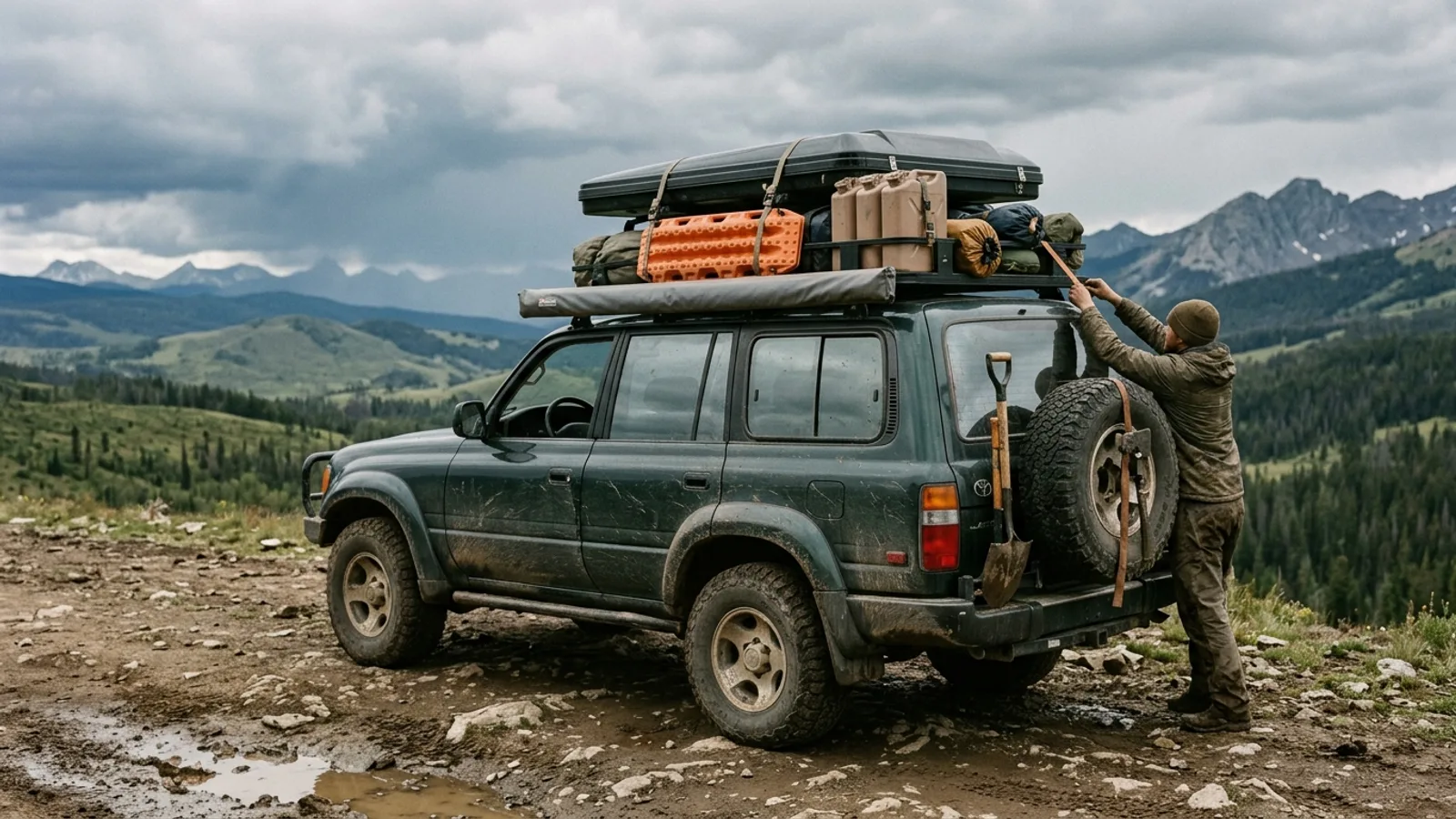
Overlanding setups add up quickly: a rooftop tent or ground tent, recovery gear, water and fuel storage, a cooler or fridge, tools, food, and personal items. All of this weight has to fit within the vehicle's rated payload capacity, which is the difference between a vehicle's empty weight and its maximum allowed weight — not the same as towing capacity.
Exceeding payload isn't just a paperwork issue. An overloaded vehicle handles poorly, brakes less effectively, wears tires and suspension prematurely, and can strain the drivetrain on rough terrain. Before buying accessories, weigh your typical loadout, or at least add up manufacturer weights, and compare the total to the vehicle's payload rating with a safety margin left over.
Size and Drivability on the Trail
Larger vehicles offer more interior space and payload capacity, but they cost you maneuverability. Narrow forest roads, tight switchbacks, and technical trail sections all reward a shorter wheelbase and narrower body. A vehicle that feels comfortable on the highway can feel enormous the first time you're threading it between trees or along a ledge.
If most of your travel involves narrow, technical routes, a mid-size vehicle is usually easier to live with than a full-size one, even if it means sacrificing some cargo room or towing capacity.
Drivetrain and Off-Road Features
A few mechanical features consistently make the biggest difference in difficult terrain:
- Four-wheel drive with a low-range gear gives you the control needed for steep or technical sections at low speed.
- Locking differentials (especially rear) keep both wheels on an axle turning together, which helps enormously when one wheel loses traction.
- Skid plates protect the underside of the engine, transmission, and fuel tank from rocks and debris.
- Hill descent control and similar traction-management systems help maintain a controlled speed on steep descents without heavy brake use.
- Sufficient ground clearance and approach/departure angles reduce the risk of scraping or hanging up on obstacles.
None of these features substitute for driving skill, but they widen the margin for error on terrain that punishes mistakes.
Fuel Range and Efficiency
Remote routes often mean long stretches between fuel stops. Efficiency matters, but usable range — fuel economy combined with tank size, plus any auxiliary fuel storage — matters more. A vehicle with modest efficiency but a large tank can still outlast a more efficient vehicle with a small one.
If you plan to travel in areas with sparse fuel availability, plan your range conservatively and always keep a buffer beyond what you think you'll need, since terrain, weather, and detours can change consumption significantly.
Reliability and Repairability
Far from cell service, mechanical simplicity and a strong reputation for reliability outweigh raw performance. Vehicles with widespread parts availability and mechanics familiar with the platform are easier to get fixed if something goes wrong, even in small towns near your route.
Before a big trip, address any known maintenance issues, carry basic spares and fluids, and understand how to check the essentials yourself: tire pressure and condition, fluid levels, and battery connections.
Aftermarket and Modification Support
Almost any vehicle can be upgraded with recovery points, additional lighting, roof racks, storage systems, and suspension improvements. Vehicles with a long production history and a large owner community tend to have more aftermarket options and more shared knowledge about what works, but a smaller aftermarket doesn't rule out a vehicle — it just means more custom fabrication and research.
When modifying a vehicle, prioritize changes that improve reliability and recovery (like better tires, skid protection, and recovery gear) over changes purely for appearance.
Weigh Your Own Priorities
There is no single best overlanding vehicle. A mid-size truck or SUV tends to suit tight trails and technical terrain better; a full-size truck offers more payload and towing for bigger builds and trailers. Diesel and gas powertrains each carry different tradeoffs in torque, fuel availability, and maintenance complexity.
The right choice comes from matching payload needs, size constraints, terrain difficulty, and your comfort with maintenance and repair — not from chasing the vehicle with the longest feature list.