Overlanding Essentials: What to Pack for Self-Sufficient Vehicle Travel
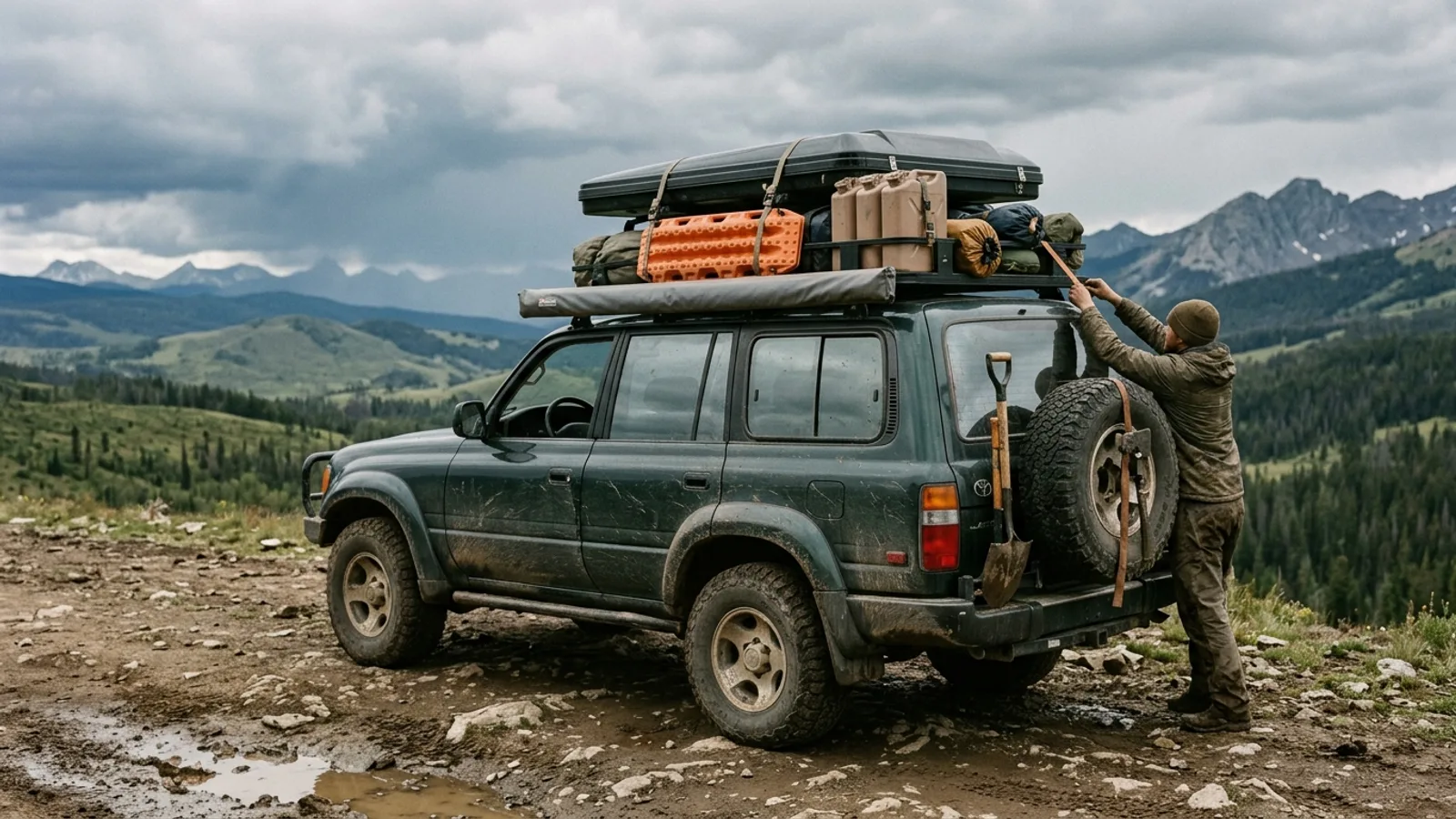
What Overlanding Involves
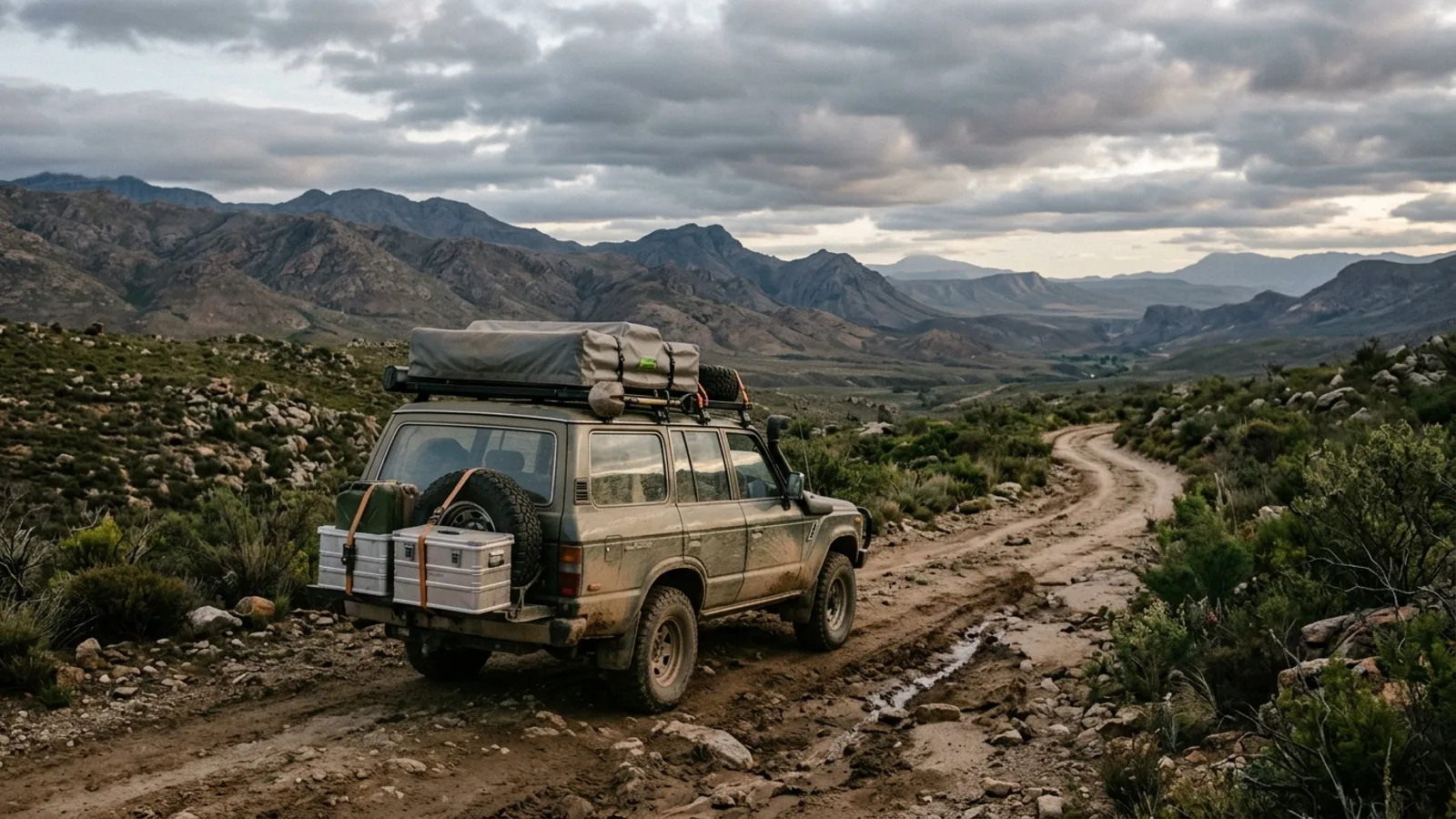
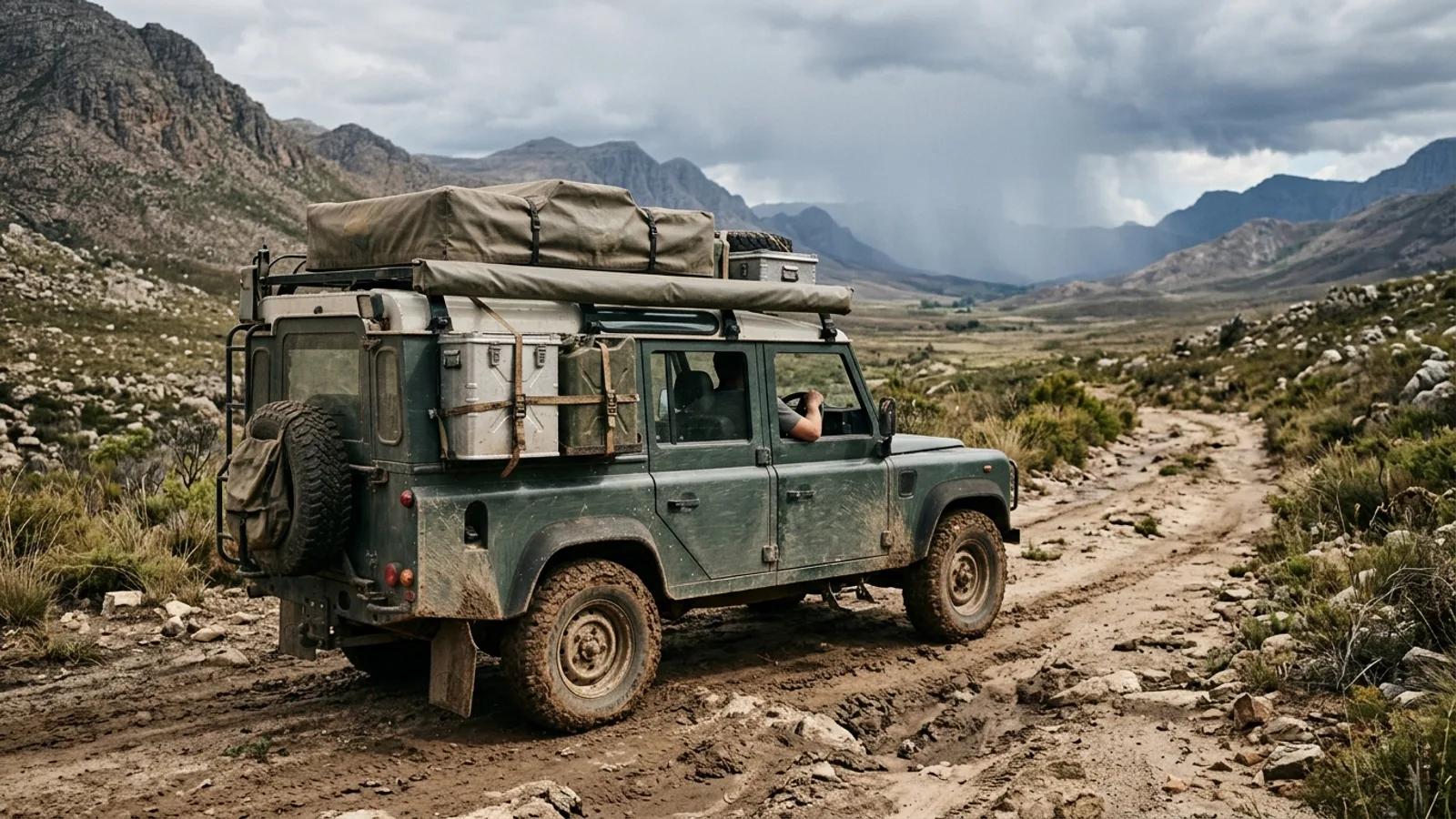
Overlanding is vehicle-based travel where the journey itself is the point, not just the destination. Trips often span multiple days, cover remote or rough terrain, and require carrying everything needed to camp, cook, navigate, and handle problems without easy access to towns or services.
Because help and supplies can be hours away, the gear you bring has to cover both routine camp life and the unexpected: a flat tire on a lonely track, a sudden storm, or a wrong turn with no signal. Good preparation is less about having every possible item and more about having reliable systems for shelter, food, navigation, and safety.
Shelter and Sleep
Shelter choices for overlanding generally fall into three types: a ground tent, a rooftop tent, or sleeping inside the vehicle itself. Each has trade-offs. Ground tents are inexpensive to replace and don't add weight or height to the vehicle. Rooftop tents set up quickly and keep you off uneven or damp ground, but add weight up high, which can affect handling. Sleeping in the vehicle works well for solo travelers or bad weather but limits interior storage.
Whatever you choose, prioritize how it performs in wind and rain, and how long setup and teardown actually take after a long driving day — this matters more than square footage.
For sleeping systems, match your sleeping bag's temperature rating to the coldest nights you realistically expect, not the average. A sleeping pad or mattress matters as much as the bag itself, since compressed insulation underneath you does little to block cold ground. Bring a way to dry out damp bedding, even if it's just extra time in the sun each morning.
Cooking and Food
A simple, dependable cooking setup beats an elaborate one you rarely use in the field. A stable stove, adequate fuel, and cookware that nests for storage cover most needs. Plan meals that require minimal cleanup and refrigeration, especially for the first days of a trip before ice or perishables run low.
Store food securely against animals and rodents, and keep a separate, sealed container for scraps and packaging until you can dispose of them properly. Carry more water than you think you'll need, and have a backup method to treat water from natural sources in case your stored supply runs low.
Navigation and Communication
Cell coverage disappears quickly once you leave paved roads. Carry offline maps on your phone or a dedicated GPS unit, and know how to read a paper map and compass as a backup that never needs batteries. Download or print route information before you leave rather than counting on a signal along the way.
For emergency contact outside cell range, a satellite messenger or personal locator beacon is the most reliable option. These devices let you send a distress signal or basic status update from almost anywhere. Tell someone at home your planned route and expected return date regardless of what electronics you carry.
Safety and Emergency Gear
A first aid kit for overlanding should go beyond a basic car kit: include supplies for wound care, sprains, and any prescription medications you take regularly, stored where heat and moisture won't degrade them. Know how to use what you pack — a kit is only useful if you're comfortable applying it under stress.
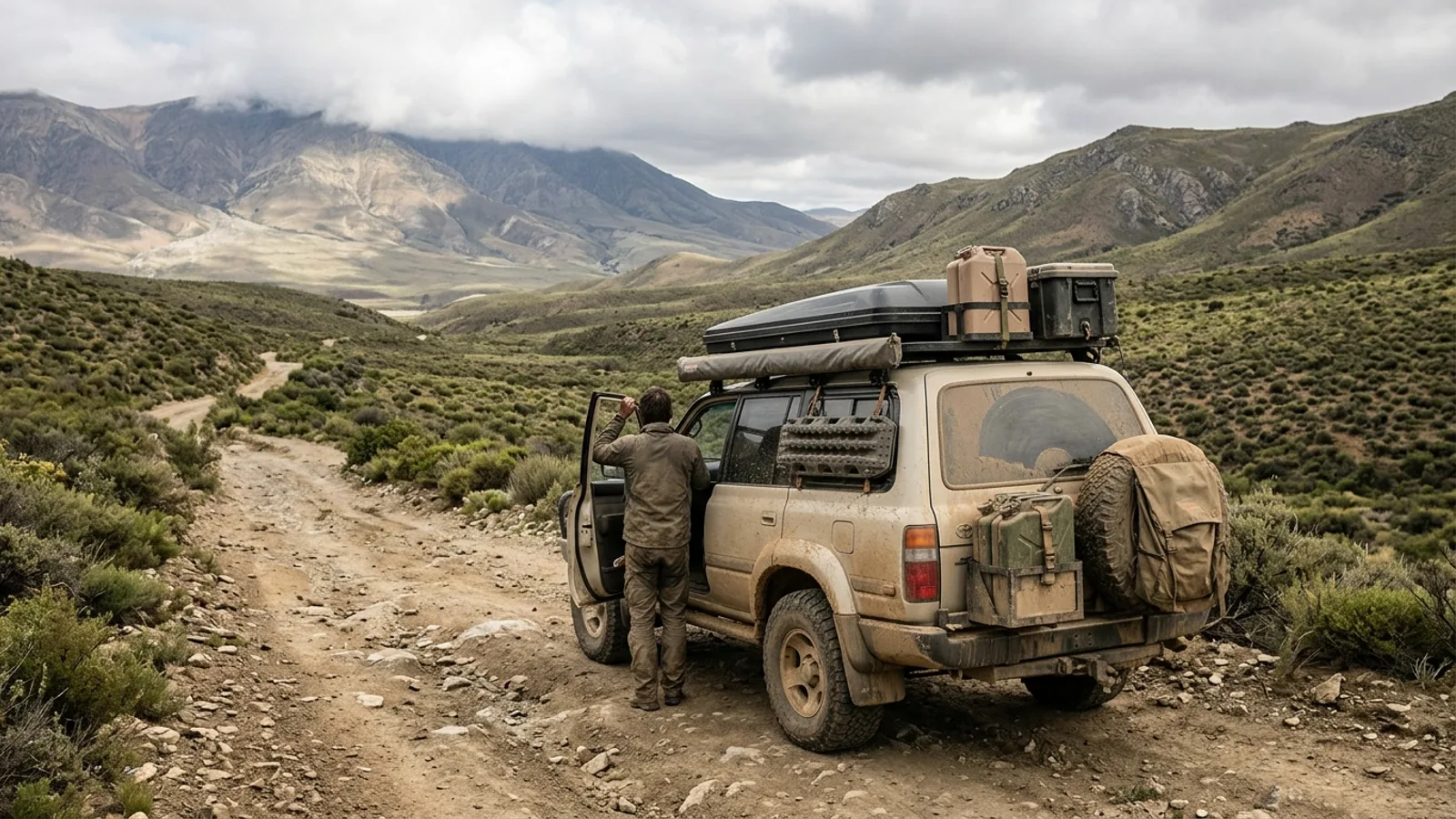
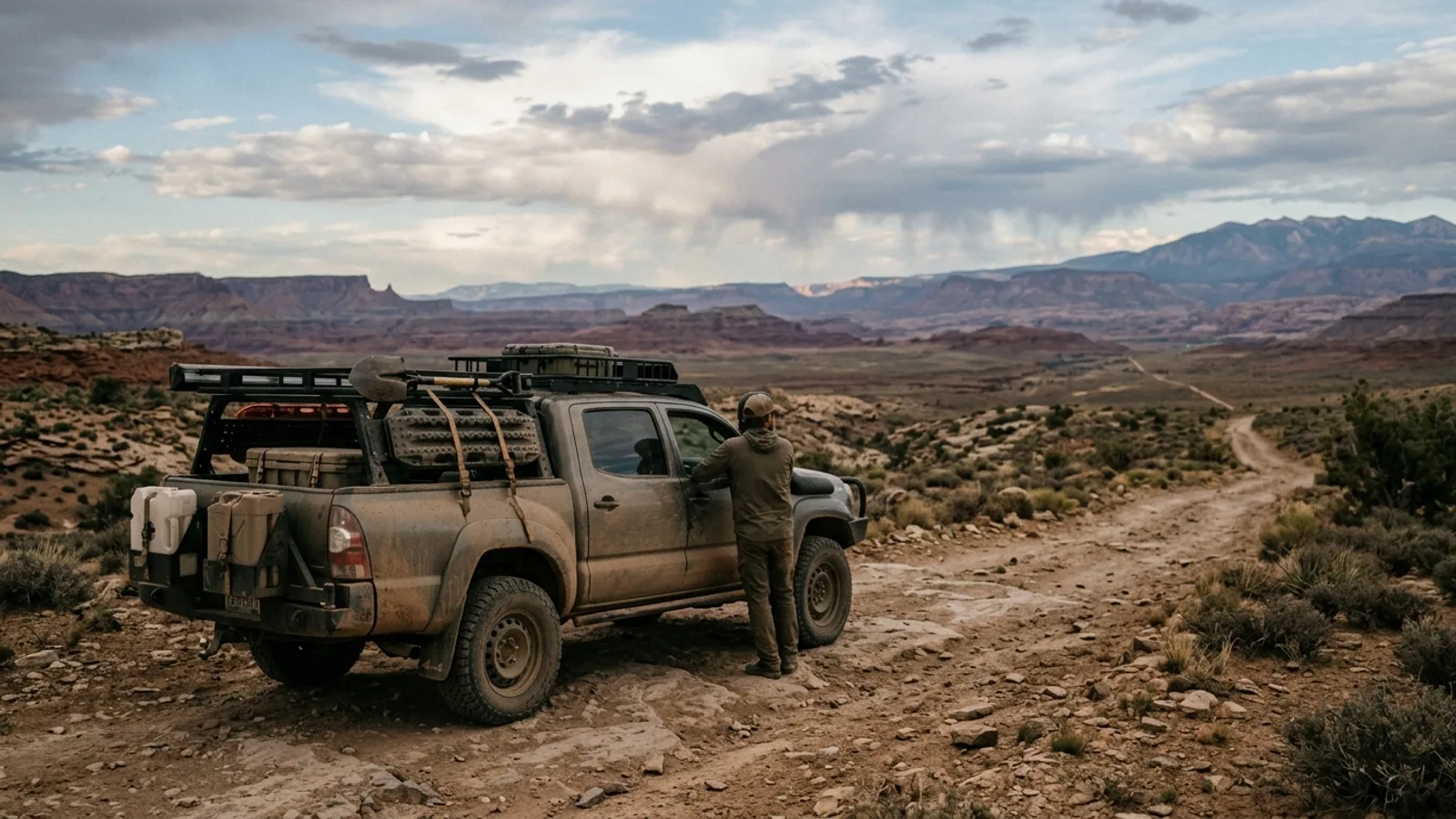
Vehicle recovery gear deserves the same attention as first aid. Traction boards, a rated tow strap, and a shovel handle most situations where a vehicle is stuck rather than mechanically broken. Learn the safe way to rig a tow or winch line before you need it in the field; recovery gear used incorrectly can be dangerous.
Carry basic spare parts and tools suited to your specific vehicle, along with a tire repair kit and a way to check and adjust tire pressure. A flashlight or headlamp with spare batteries, stored somewhere you can find it in the dark, rounds out the essentials.
Clothing and Personal Items
Layering handles temperature swings better than any single heavy garment. Pack moisture-wicking base layers, an insulating mid layer, and a waterproof outer shell, then adjust as conditions change through the day. Sturdy, broken-in footwear reduces the risk of blisters or ankle injuries far from help.
Sun protection, insect repellent, and basic toiletries round out personal supplies. Keep hygiene simple and practical for extended time away from running water — biodegradable soap and a way to wash hands before cooking go a long way.
A camp chair, a good pillow, and a few small comforts from home make longer trips more sustainable without adding much weight or bulk.
Tools and Repairs
A quality multi-tool covers many small fixes: tightening a loose bolt, cutting cord, or adjusting gear. Pair it with a basic repair kit — zip ties, tape, spare fuses, and any parts specific to your vehicle — so minor issues don't end a trip early.
Leaving No Trace
Pack out everything you bring in, including food scraps and toilet paper. Use established campsites and fire rings where they exist rather than creating new ones, and keep campfires small and fully extinguished before leaving. Carry extra trash bags so you have room to pack out more than your own waste if you find it along the way.
Good preparation isn't about carrying every piece of gear available — it's about having reliable systems for shelter, food, navigation, and safety, and knowing how to use them before you're relying on them in the field.