Overlanding Gear: What You Actually Need and How to Choose It
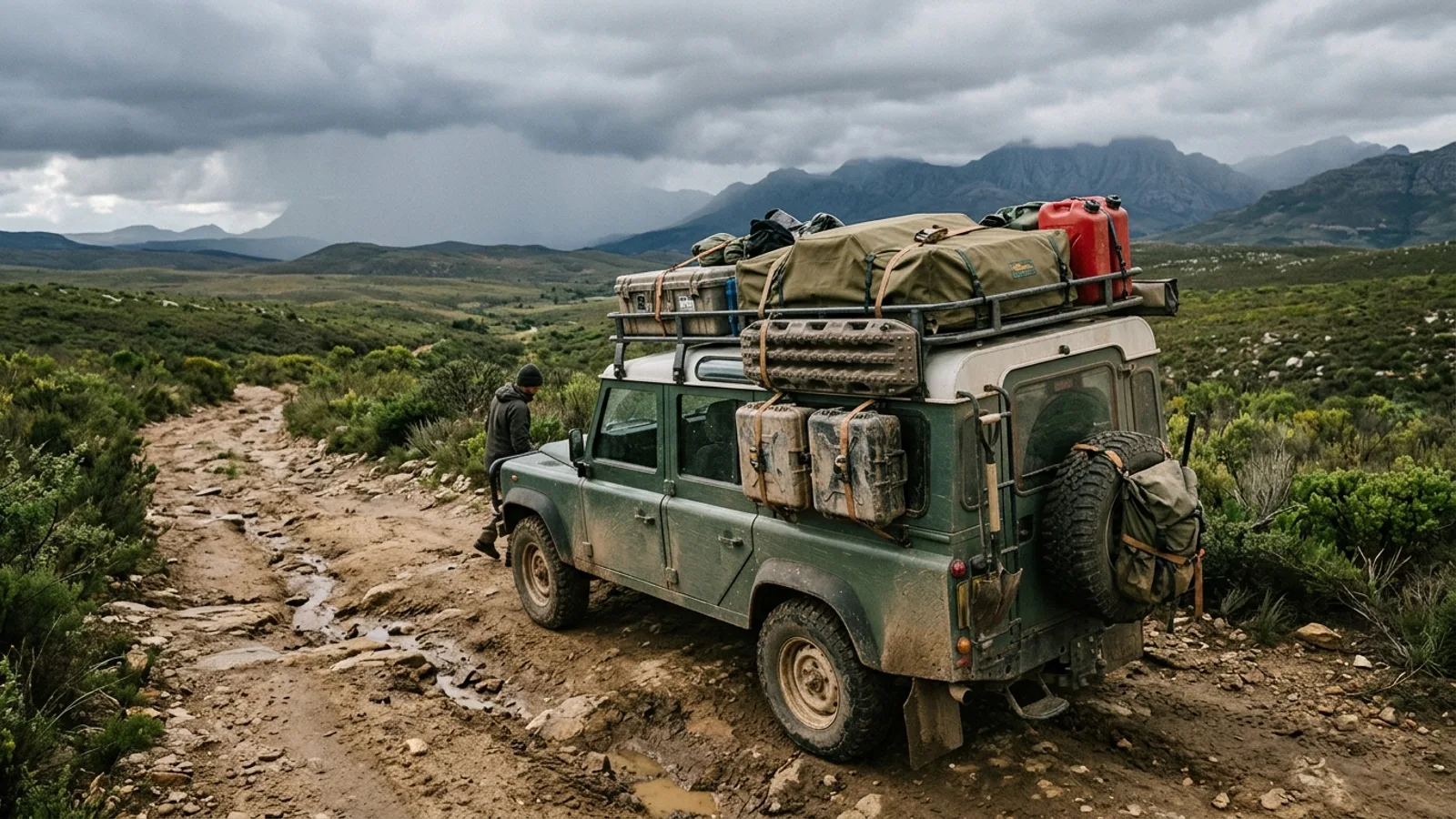
What Overlanding Really Requires
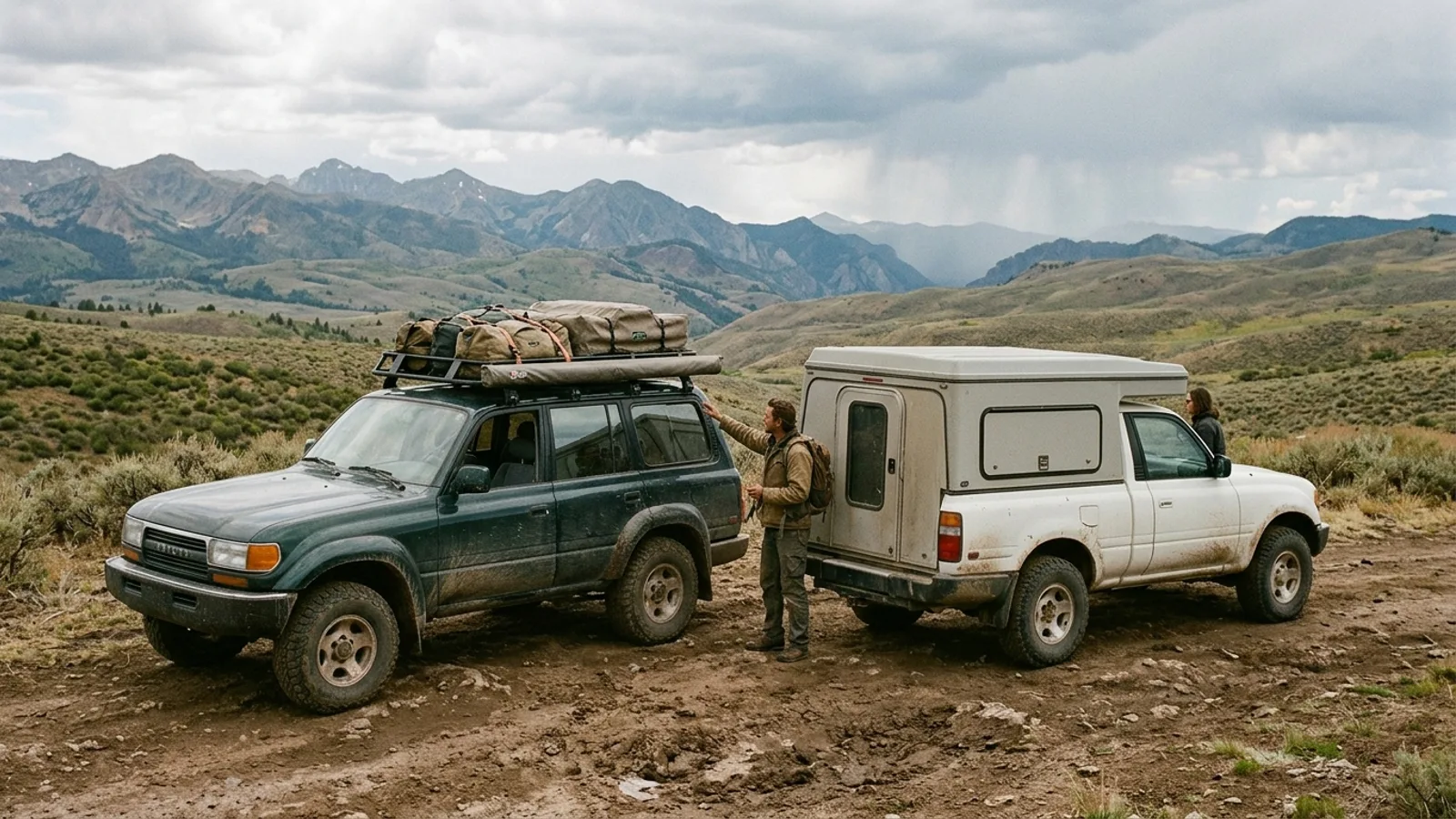
Overlanding means traveling by vehicle to remote or rugged places while carrying everything you need to camp, eat, navigate, and handle small emergencies along the way. The vehicle is your base camp as much as your transportation, which is why gear choices matter more than they would on a simple road trip.
The goal with any accessory isn't to collect as much as possible. It's to build a kit that's reliable, fits your vehicle's capacity, and matches the terrain and duration of the trips you actually take.
Roof Storage and Rooftop Tents
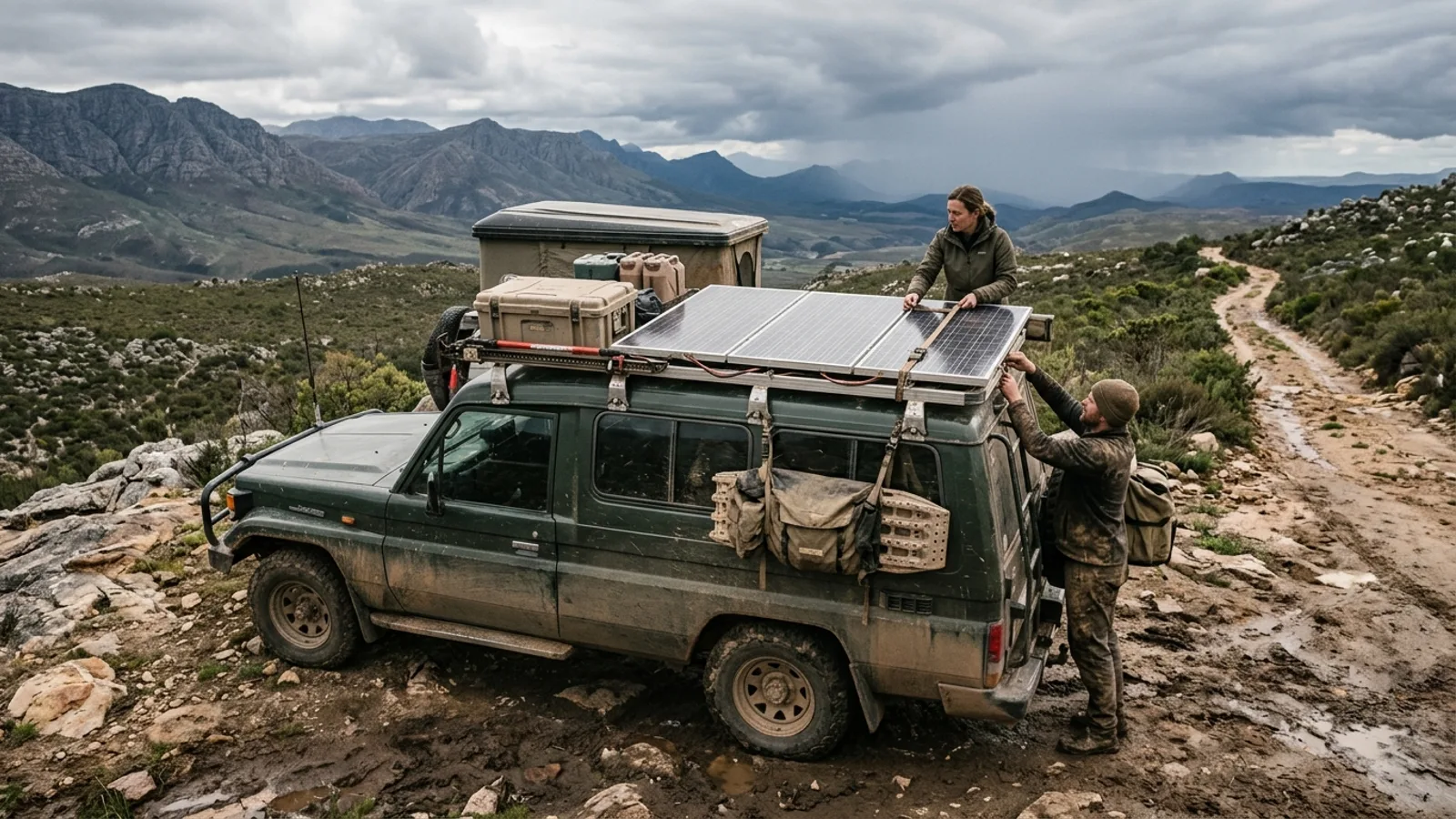
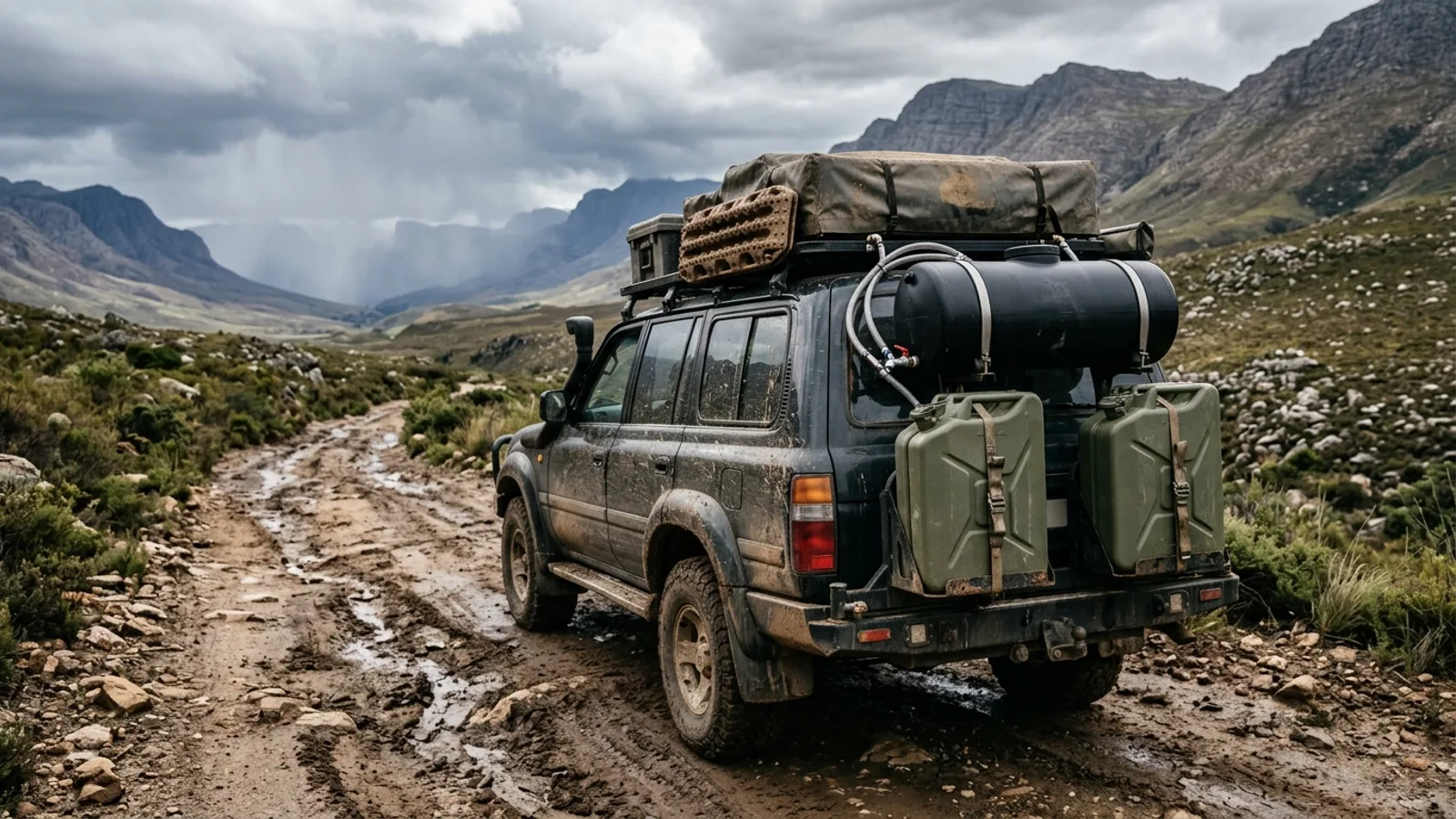
A roof rack extends your vehicle's carrying capacity for bulky items — recovery boards, water containers, extra fuel, storage boxes — that don't belong inside the cabin. Before adding one, check your vehicle's rated roof load (static and dynamic capacities are different, and dynamic capacity while driving is almost always lower).
Rooftop tents attach to this same rack system. They lift you off the ground, which helps with drainage, uneven terrain, and keeping wildlife encounters at a distance. The tradeoffs are added vehicle height, wind noise, a higher center of gravity, and setup/breakdown time compared to ground tents. If you frequently move camp, a ground tent may suit you better.
When comparing racks, prioritize a mounting system engineered for your specific vehicle rather than a universal fit, and confirm the total weight of everything you plan to mount before you buy anything.
Keeping Food and Water Cold
Powered coolers (sometimes called portable refrigerators) run off your vehicle's electrical system and hold a set temperature regardless of outside heat. Passive coolers rely on insulation and ice, which is lighter and simpler but needs regular restocking of ice and gradually warms over multi-day trips.
Powered units draw continuous current, so pairing one with a dedicated auxiliary battery or a solar setup is worth considering if you're away from your vehicle's engine for long stretches — running one off your starter battery alone risks leaving you stranded.
Whichever you choose, separate raw food storage from ready-to-eat items and drinks, and check that seals and latches hold up to off-road vibration.
Cooking Gear
Camp stoves range from simple single-burner canister units to multi-burner setups that resemble a home range. Canister stoves are compact and easy to use but depend on a steady supply of fuel canisters. Liquid-fuel stoves burn more efficiently in cold weather and at altitude but need more maintenance.
Grills add flexibility for cooking over open flame, but always check local fire restrictions before using one — many public lands restrict or ban open flames during dry seasons regardless of what your equipment allows.
Keep fuel storage separate from your living and sleeping space, and store it upright and secured against shifting on rough roads.
Portable Power
A portable power station or auxiliary battery system lets you run lights, charge devices, and power a cooler without draining your vehicle's starting battery. Solar panels can recharge these systems during the day, which matters most on trips longer than a couple of days.
Match your power system's capacity to your actual daily draw — add up what your devices use rather than guessing, since underestimating is the most common mistake. Weight and packability matter too, since a power station is dead weight when it's not being used to charge anything.
Navigation
Cell service disappears quickly once you leave paved roads, so a dedicated GPS unit or an offline mapping app on a phone (with maps downloaded in advance) is essential. Look for devices or apps that support offline topographic or trail-specific maps, waypoint marking, and route recording.
Always carry a paper map and compass as backup, and know how to use them. Batteries die, screens crack, and electronics fail at the worst times — a paper map doesn't need power.
Share your planned route with someone before you leave, and check in when you can. This single habit does more for safety than almost any piece of equipment.
First Aid and Emergency Preparedness
A first aid kit for overlanding should go beyond what you'd carry car camping: include supplies for wound care, sprains, and basic wilderness injuries, along with any personal medications. Check expiration dates on medications and replace items as they're used, not just before a trip.
Consider taking a wilderness first aid course if you travel remotely often — a kit is only as useful as your ability to use it correctly, and this guide can't substitute for that training.
Beyond medical supplies, carry a multi-tool, a reliable light source, a way to start a fire in wet conditions, and a means of emergency communication such as a satellite messenger where cell coverage is unreliable.
Comfort in Camp
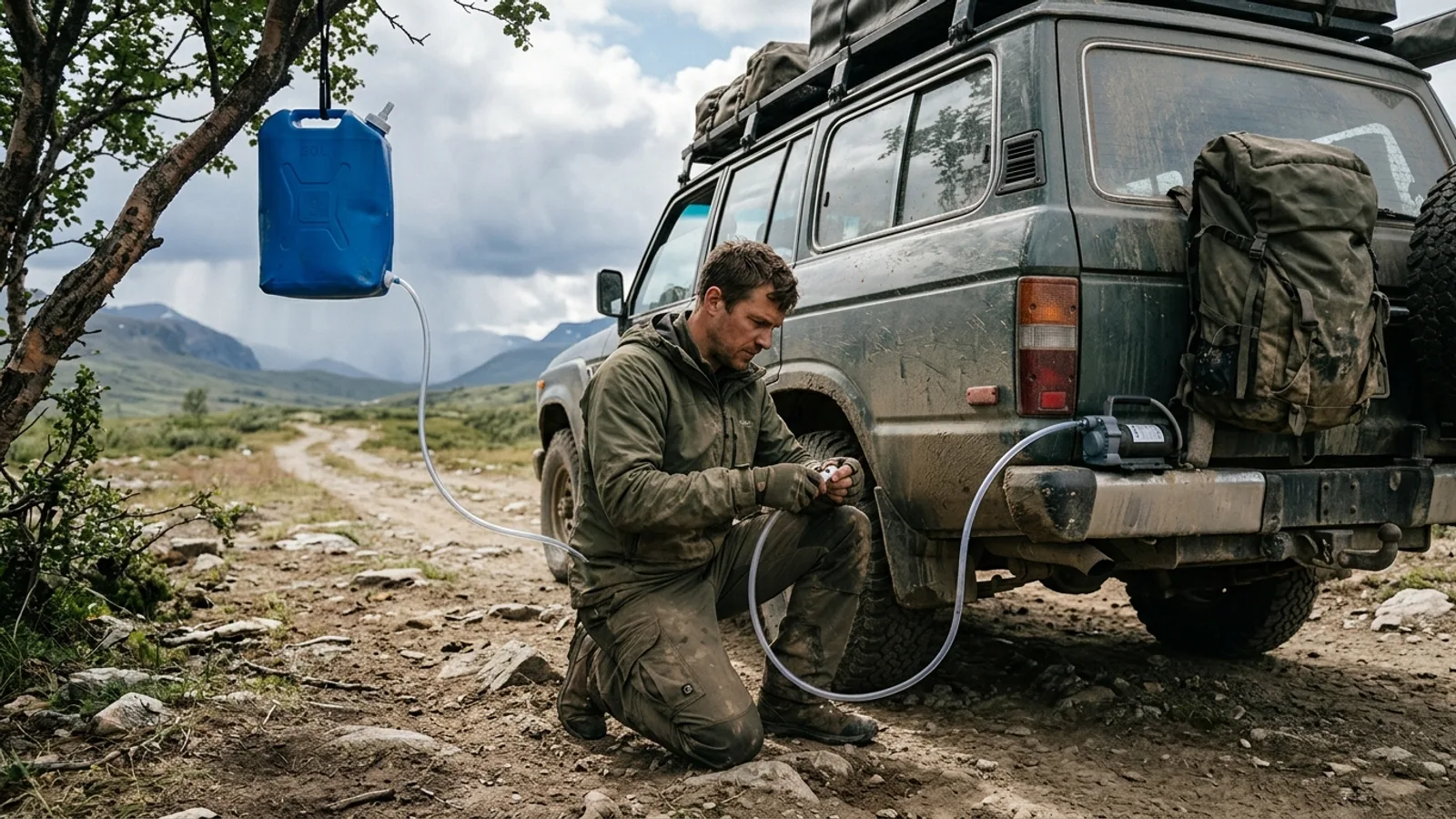
Portable showers and toilets make longer trips more livable, particularly in areas without facilities. Solar shower bags are simple and cheap but depend on sun exposure to heat water; pump-style units give more control but need battery power. Portable toilets range from basic bucket systems to self-contained cassette units — either way, follow local regulations for waste disposal, which vary by land type and are there for good reason.
A stable table and chairs that pack down small are worth the space they take up. After a long day of driving rough roads, a real seat and surface for cooking and eating make camp feel like camp instead of a parking lot.
Tire Repair and Air Management
A flat or a puncture is one of the most common overlanding problems, and it's often preventable in severity if you're equipped to handle it. Carry a plug kit for tubeless tires, a reliable air compressor, and a way to measure pressure accurately.
Airing down tires for soft terrain like sand or snow improves traction, but you'll need to air back up before returning to pavement — this is where a capable compressor earns its keep. Know your vehicle's recommended pressure ranges for different conditions before you need them in the field.
Basic Tools and Vehicle Maintenance
A basic tool kit, spare fluids, a tire jack rated for your vehicle's weight, and key spare parts (belts, fuses, and anything specific to your vehicle's known failure points) round out a maintenance kit. Learn basic checks — fluid levels, belt condition, tire wear — before you leave, since remote roads are not where you want to diagnose a problem for the first time.
None of this gear guarantees a trouble-free trip. What it does is turn a roadside problem into an inconvenience instead of the end of your trip.