Rack vs. Shell for Overlanding: How to Choose
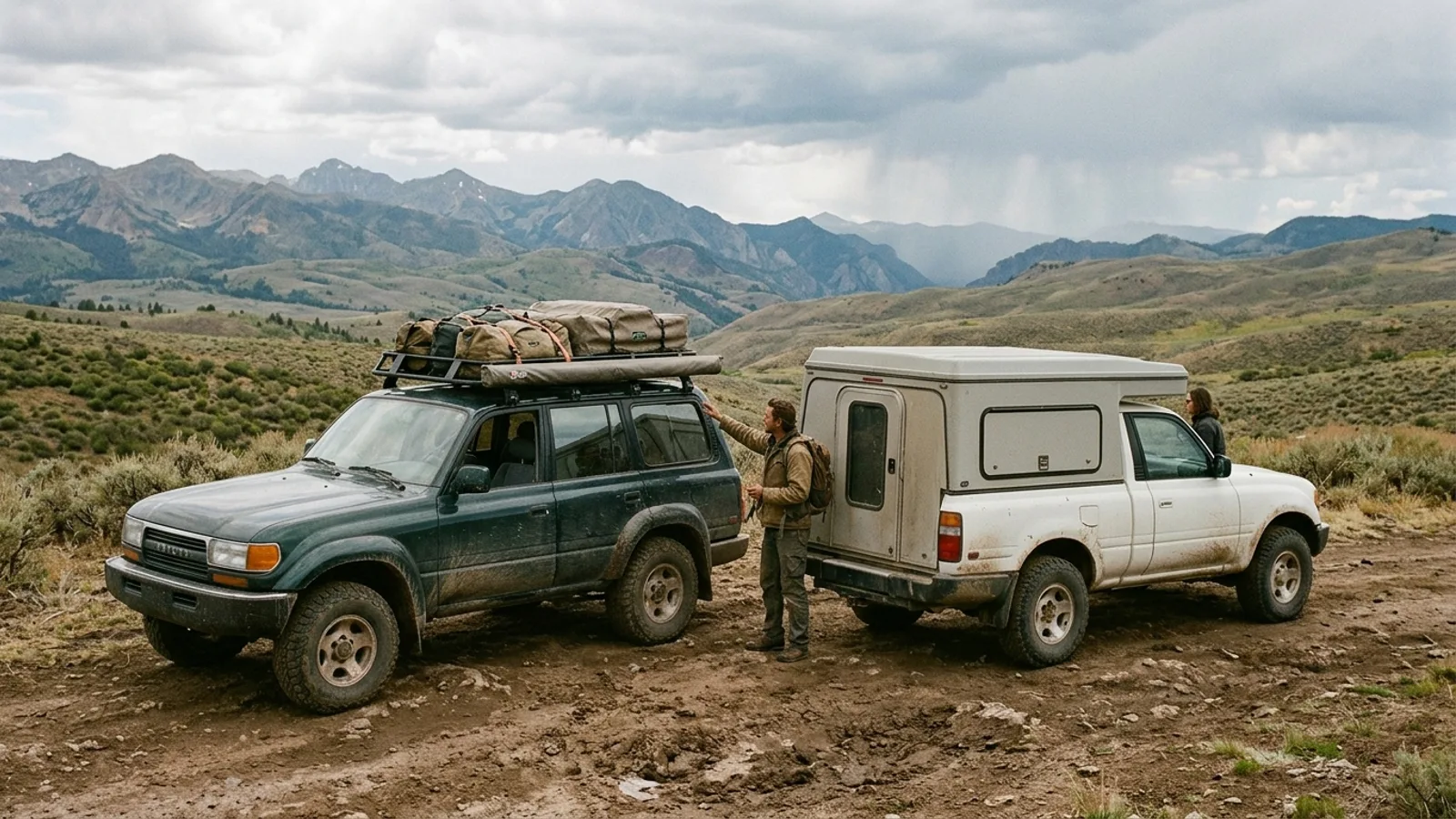
Overlanding setups generally split into two storage philosophies: an open rack system that mounts gear on top of or behind the vehicle, or an enclosed shell that boxes gear in behind a locking, weatherproof shell. Each has real tradeoffs in weight, access, security, and how much abuse the system can take on rough roads.
What a Rack Offers
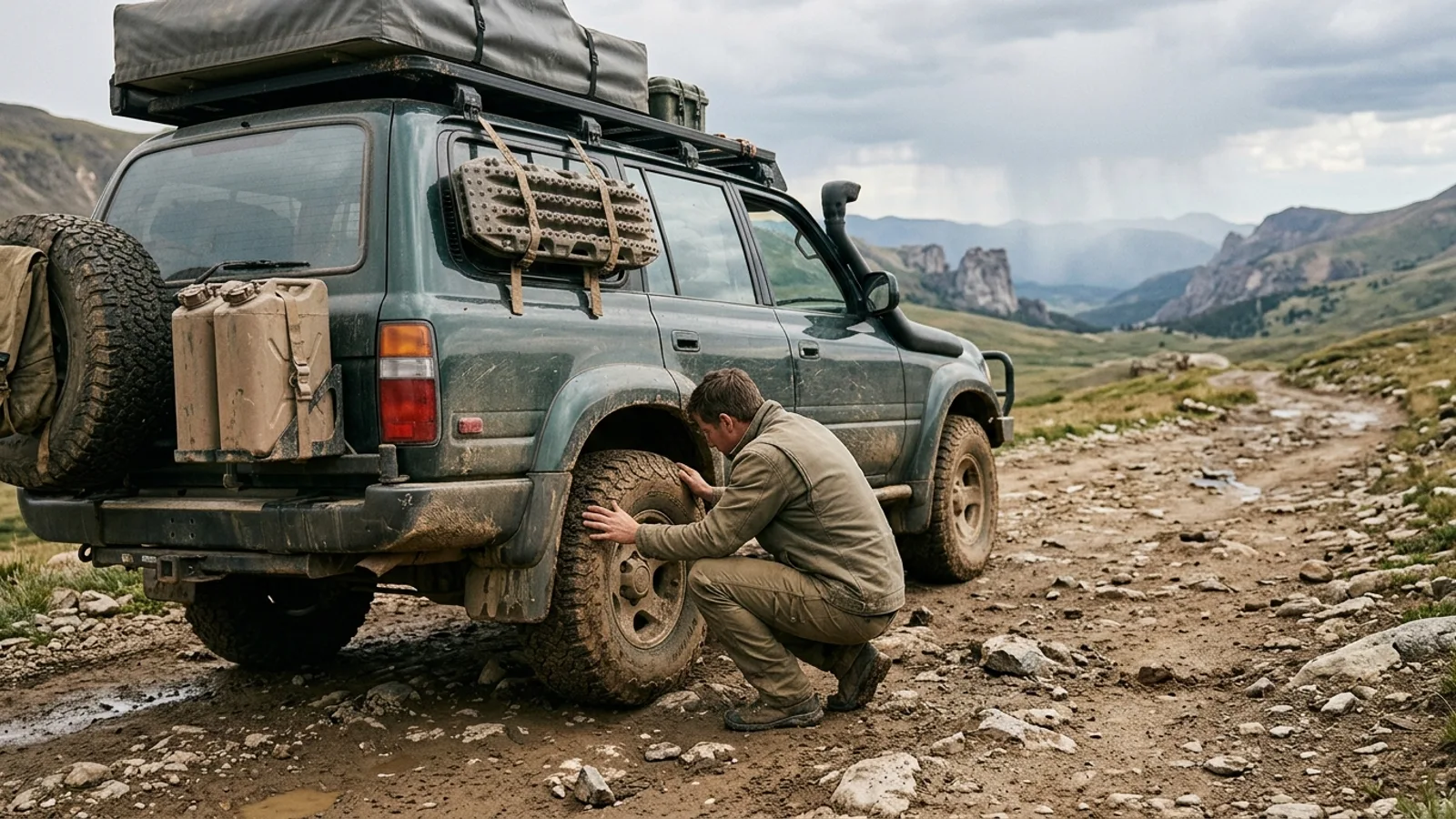
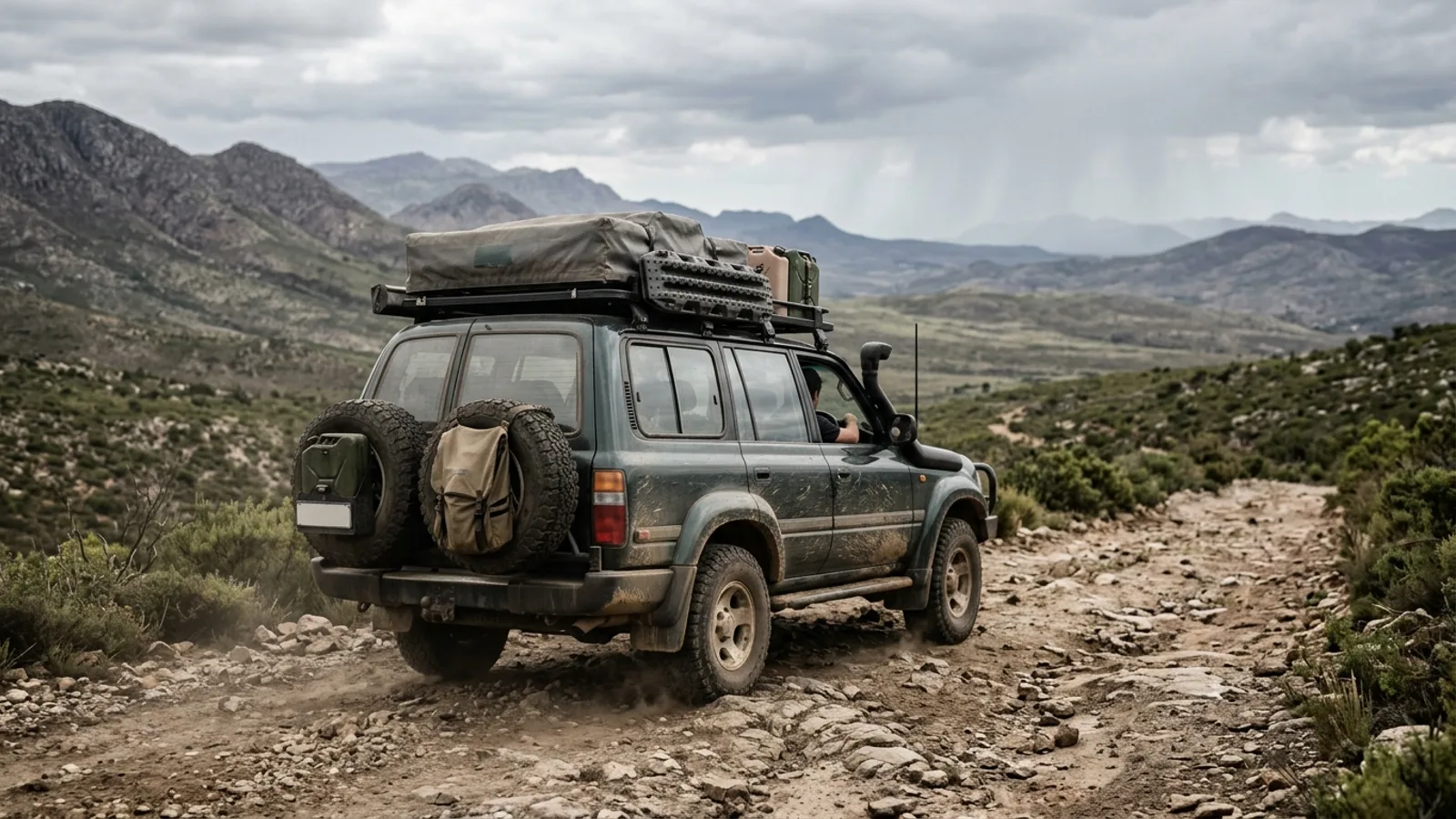
A rack — whether mounted on the roof or in a truck bed — gives you an open platform to bolt on gear directly. This works well for bulky items that don't fit well inside a cab or shell: rooftop tents, traction boards, fuel and water containers, spare tires, or awnings.
Because a rack is open, it's easy to reconfigure. You can add or remove crossbars, cargo trays, and accessory mounts as your trip needs change. Weight is also easier to distribute across a rack than inside a single enclosed box, which can help with vehicle balance on uneven terrain.
The tradeoff is exposure. Anything mounted on a rack is exposed to rain, dust, and UV, so gear needs to be in its own weatherproof bags or boxes. Items on an open rack are also more visible and easier to remove without a tool, which matters if you're leaving a vehicle unattended.
What a Shell Offers
A shell (a hard, enclosed cover over a truck bed) keeps gear dry, out of sight, and protected from dust intrusion, which matters as much on paved highway miles as on dirt roads. Loading and unloading is typically easier too, since you don't need a ladder or step to reach items the way you might with roof-mounted cargo.
The compromise is durability and flexibility. Shells add height and weight without adding much mounting versatility of their own, and on rough, low-speed off-road terrain, the added weight up high and any flex in the shell material can be a concern. Shells also generally can't be quickly removed or reconfigured the way a rack can.
Some shells are built specifically to accept rack accessories or crossbars on top, which can offer a middle ground — enclosed storage below, an open mounting platform above.
Capacity and Load Ratings
Every rack and shell combination has a practical weight limit, and it's worth understanding the difference between two common ratings:
- Dynamic load rating — the maximum weight the system can safely carry while the vehicle is moving, including over rough terrain.
- Static load rating — the maximum weight it can support while the vehicle is parked, which matters most for rooftop tents that also bear the weight of occupants.
Before loading a rack or shell, add up the realistic weight of everything you intend to carry — tent, bedding, recovery gear, water, fuel — and compare it against both ratings, not just one. It's also worth checking the vehicle's own roof or payload rating, since that can be the limiting factor even if the rack itself is rated higher.
Keeping weight as low and evenly distributed as possible, especially on the roof, helps preserve handling and stability, which matters more off-road than on pavement.
Roof Racks, Bed Racks, and Load Bars
Roof racks provide a mounting surface across the top of the vehicle and are the most common way to carry a rooftop tent, cargo boxes, or long items like ladders and traction boards.
Truck bed racks sit above the bed, letting you store gear below while still having a platform above for a tent or additional cargo. This is often the more efficient use of space for pickup owners, since it uses the bed as storage while keeping the roof clear.
Load bars (sometimes called cross bars) are a simpler, lower-profile option — good for occasional cargo like bikes or kayaks — but they don't offer the same mounting density or load capacity as a full rack system.
Choosing between these comes down to vehicle type, how much gear needs a fixed mounting point, and how often the setup will change between trips.
Rooftop Tents and Bed Covers
If you're planning to use a rooftop tent, check that its mounting hardware is compatible with your rack's crossbars or mounting points, and confirm the combined static weight (tent plus occupants) is within the rack's and vehicle's rated limits. A rooftop tent also raises the vehicle's center of gravity, which is worth factoring into how you drive on tight or uneven trails.
A bed or tonneau cover can conflict with a bed rack's mounting points, so check compatibility before combining the two. Some rack designs are made to work alongside a bed cover; others are not.
Accessories and Setup
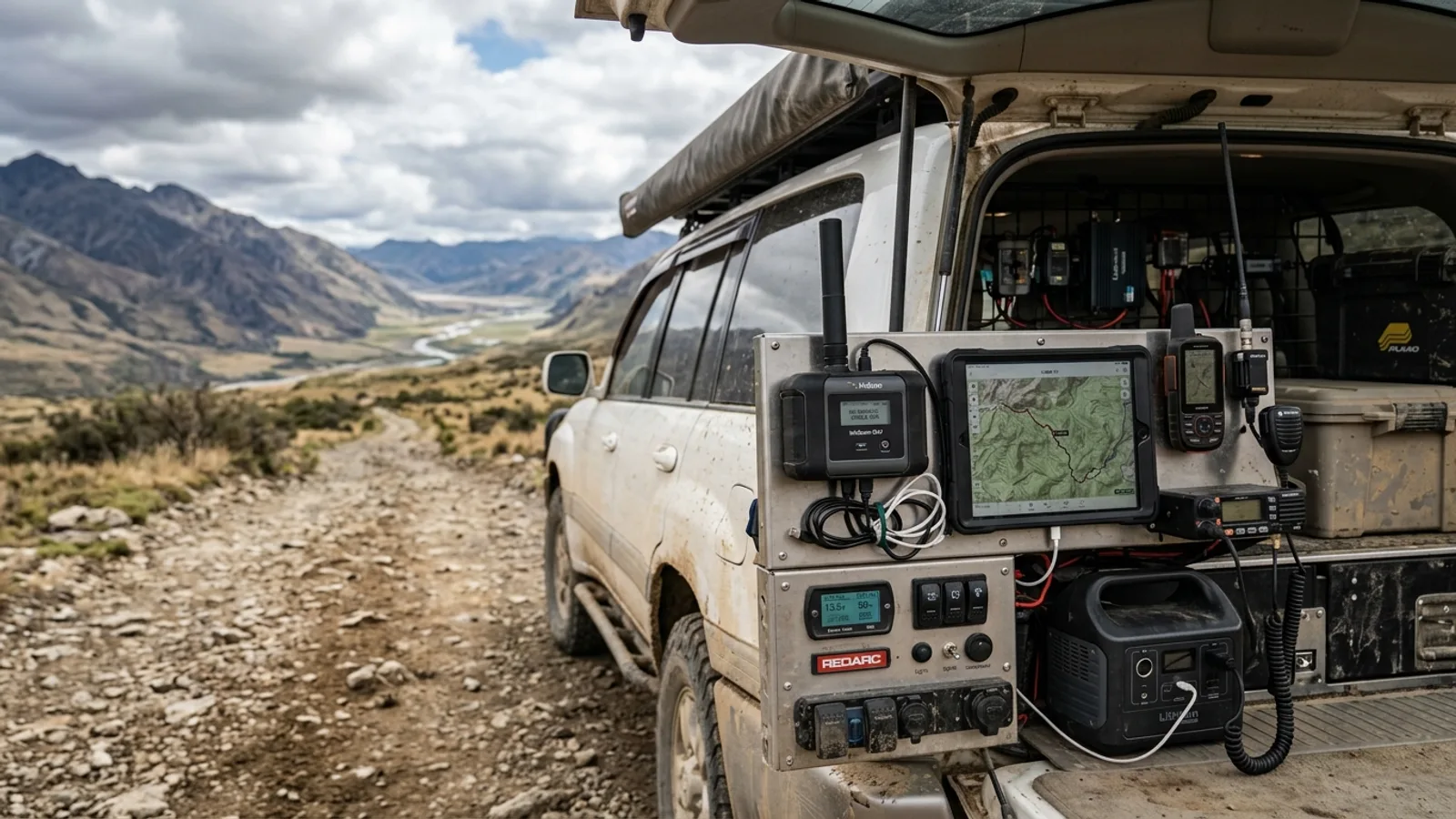
Most rack systems accept a range of add-on mounts for awnings, lighting, recovery boards, water and fuel containers, and cargo boxes. When adding accessories, check that each one is compatible with your specific rack's mounting hardware, and keep a running total of the added weight so you don't exceed the load rating.
Balance and placement matter as much as total weight. Keeping heavier items low and centered, rather than at the front or rear overhangs, helps preserve handling, especially over rough terrain.
Making the Choice
If your priority is flexibility, mounting a rooftop tent, or carrying bulky gear that doesn't fit inside the vehicle, a rack is generally the more practical choice. If your priority is protecting gear from weather and theft with easy ground-level access, a shell is usually the better fit. Many overlanders end up combining the two, using a shell for enclosed storage and a rack or crossbars on top for additional capacity.
Whichever you choose, match the system's rated capacity to your actual gear list, not just your vehicle's general size, and reassess that list each time your trip plans change.