Choosing the Right Overlanding Tire Size and Type
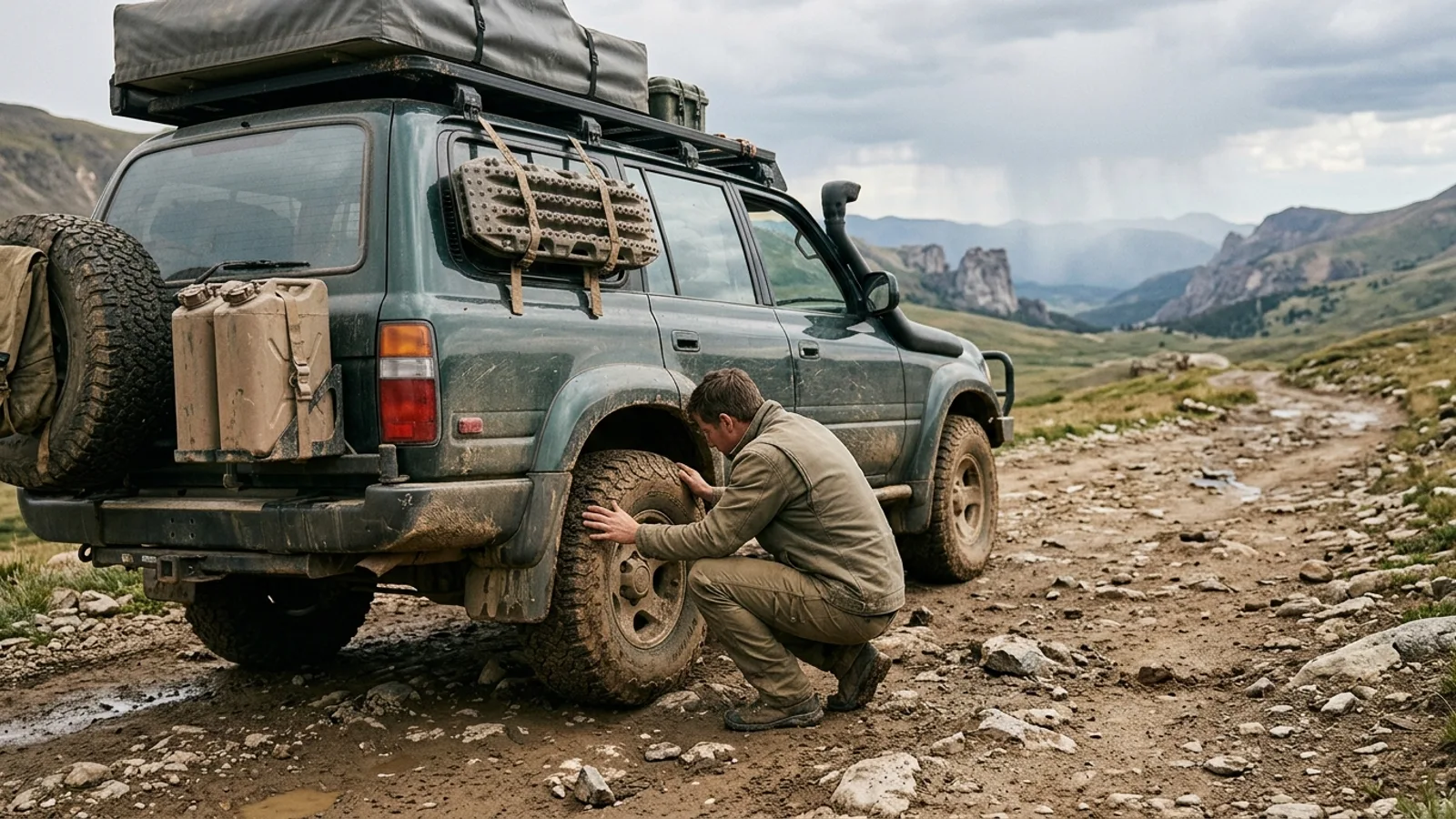
Tire choice affects how an overland vehicle handles pavement, sand, mud, and rock — and how much you'll spend on fuel and tread life along the way. There's no single "correct" size, but there is a sound process for narrowing your options.
Start With Your Vehicle's Limits
Every vehicle has a range of tire sizes it can run without rubbing on body panels, fenders, or suspension components at full articulation or turning lock. Going larger than that range can cause interference, alter gearing, and throw off the accuracy of your speedometer and odometer.
Before shopping for tires, check what your vehicle's suspension and body clearance can realistically support. If you plan to lift the vehicle or add larger tires, do that research first, since the two decisions are linked. Also consider how a size change affects load range and whether your wheels are rated for the tire's width and load requirements.
Match Tire Size to Terrain
Different terrain rewards different tire heights and widths:
- Rocky, technical trails: favor a taller sidewall for ground clearance and a size that lets you air down for better grip without risking the wheel bead.
- Sand: benefits from a wider footprint and lower pressure to help the vehicle float on top rather than dig in.
- Mud: often favors a narrower tire that can cut down to firmer ground, paired with an aggressive tread that clears debris.
- Mixed gravel and pavement, the most common overlanding reality: a moderate, all-around size usually serves better than an extreme choice built for one terrain type.
Think about the terrain you'll drive most often, not the terrain you'll drive occasionally. Most overlanding trips are spent on gravel roads and pavement between the dramatic off-road sections.
Account for Loaded Vehicle Weight
A fully loaded overland vehicle weighs meaningfully more than the same vehicle empty. Water, fuel, recovery gear, camping equipment, and passengers all add up. Tires carry a load rating, and it's worth checking that rating against your vehicle's actual loaded weight — not just its curb weight — divided across the number of tires.
Running tires near or over their rated capacity increases the risk of heat buildup and failure, especially at highway speed or in hot conditions. If you're unsure how much your rig weighs loaded, a visit to a public scale with all your gear aboard is more reliable than estimating.
Narrow vs. Wide Tires
Overlanders disagree on this, and both approaches work depending on the trip.
Case for Narrower Tires
- Lighter, which can help fuel efficiency and reduce unsprung weight
- A longer, narrower contact patch that can bite well on firm trails and cut through soft mud to reach solid ground
- Easier to maneuver on tight, technical routes and narrow shelf roads
Case for Wider Tires
- Better flotation in sand, snow, and soft mud because weight is spread over a larger area
- A wider stance that can add stability on uneven or off-camber terrain
- Often available with more sidewall reinforcement for repeated off-road use
If your travel is mostly on firm trails and forest roads with occasional soft sections, a narrower tire is a reasonable default. If sand or deep mud is a regular part of your driving, width earns its keep.
All-Terrain, Mud-Terrain, or Hybrid Tread
All-Terrain Tires
These balance on-road manners with usable off-road grip. They tend to last longer, ride quieter, and handle predictably on pavement, at some cost to traction in deep mud or loose, soft terrain. For travelers who spend more time driving to a destination than crawling through extreme obstacles, all-terrain tread is usually the more practical everyday choice.
Mud-Terrain Tires
Larger, deeper tread blocks with more aggressive spacing give mud-terrain tires strong self-cleaning ability and grip in soft, sticky conditions. The tradeoff is a noisier highway ride, faster tread wear on pavement, and sometimes reduced grip on wet asphalt compared with an all-terrain design.
Hybrid Tread Designs
Hybrid or "rugged terrain" tires sit between the two categories, aiming for a quieter ride and longer wear than a mud tire while offering more off-road bite than a standard all-terrain tire. They're a sensible compromise if your trips mix significant highway driving with occasional rough terrain.
Making the Decision
Work through the factors in order: confirm what size your vehicle can safely run, identify the terrain you'll actually spend the most time on, and check that your loaded vehicle weight stays within the tire's rated capacity. From there, weigh width and tread pattern against your specific mix of highway miles and off-road conditions.
There is rarely a single best answer — only the setup that fits your vehicle, your typical trip, and the balance you want between comfort, traction, and tread life. When in doubt, a tire shop familiar with off-road vehicles can check fitment and load ratings specific to your rig before you commit to a size.