What Is Overlanding? A Practical Guide to Self-Reliant Off-Road Travel
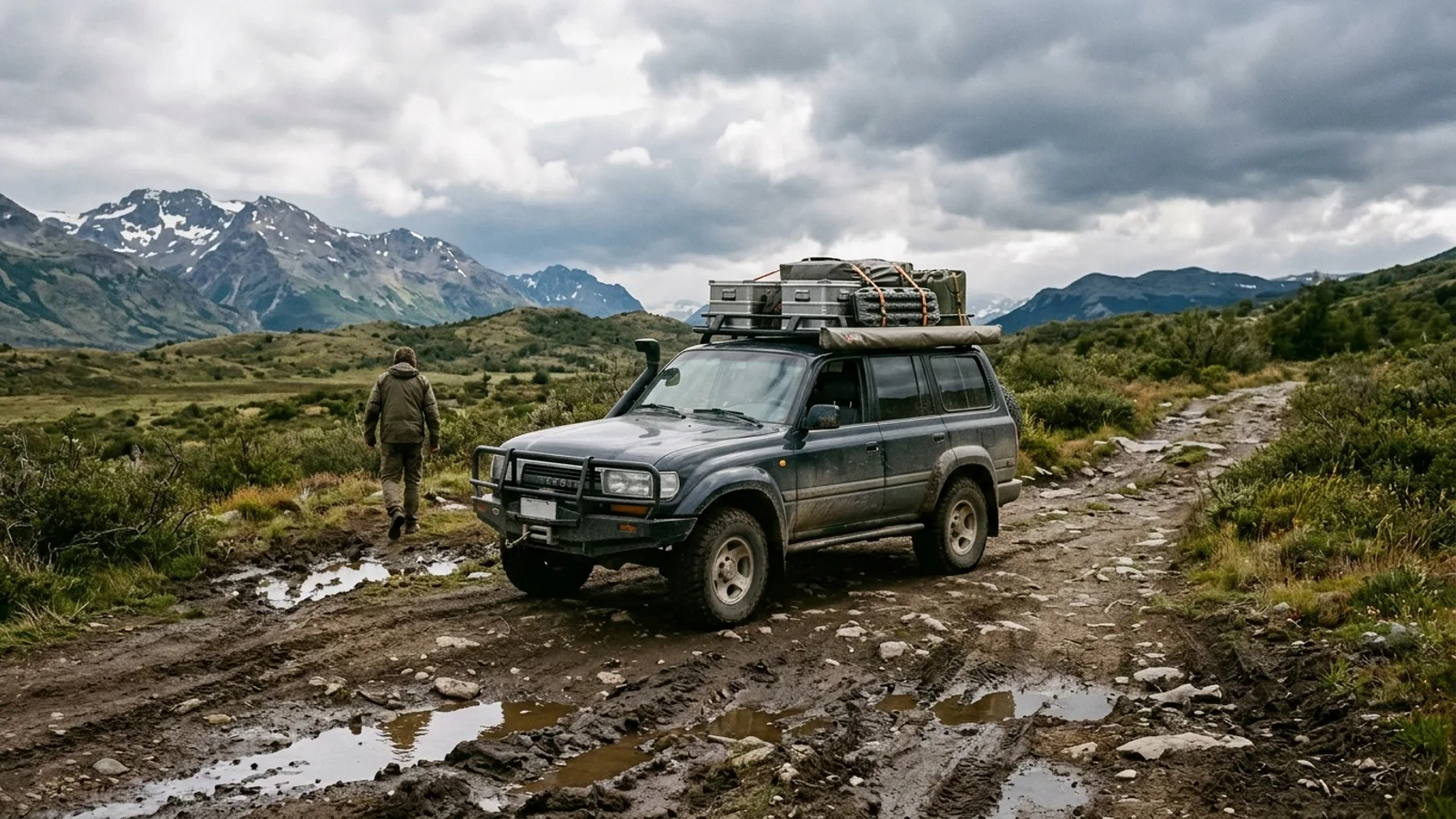
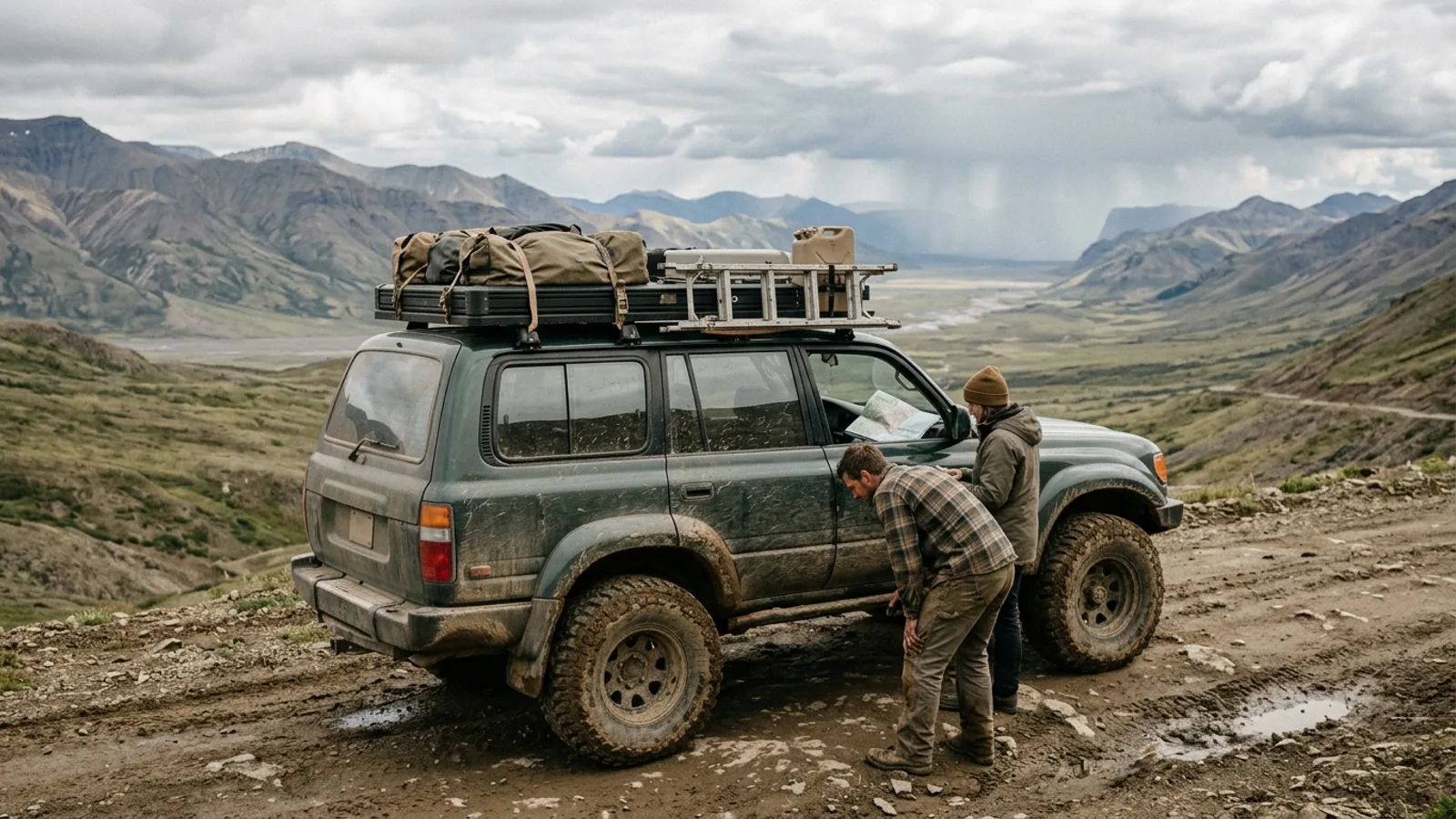
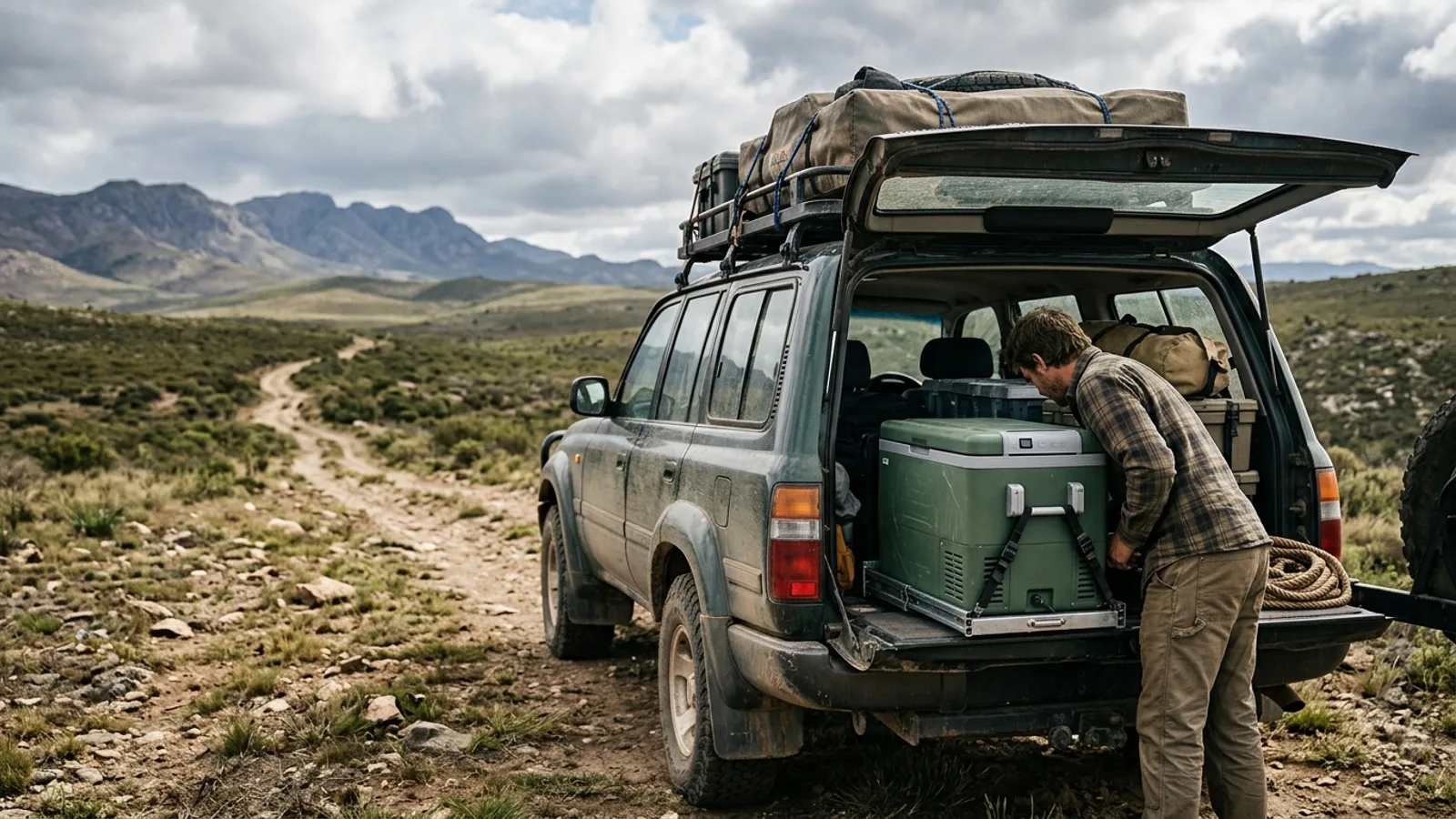
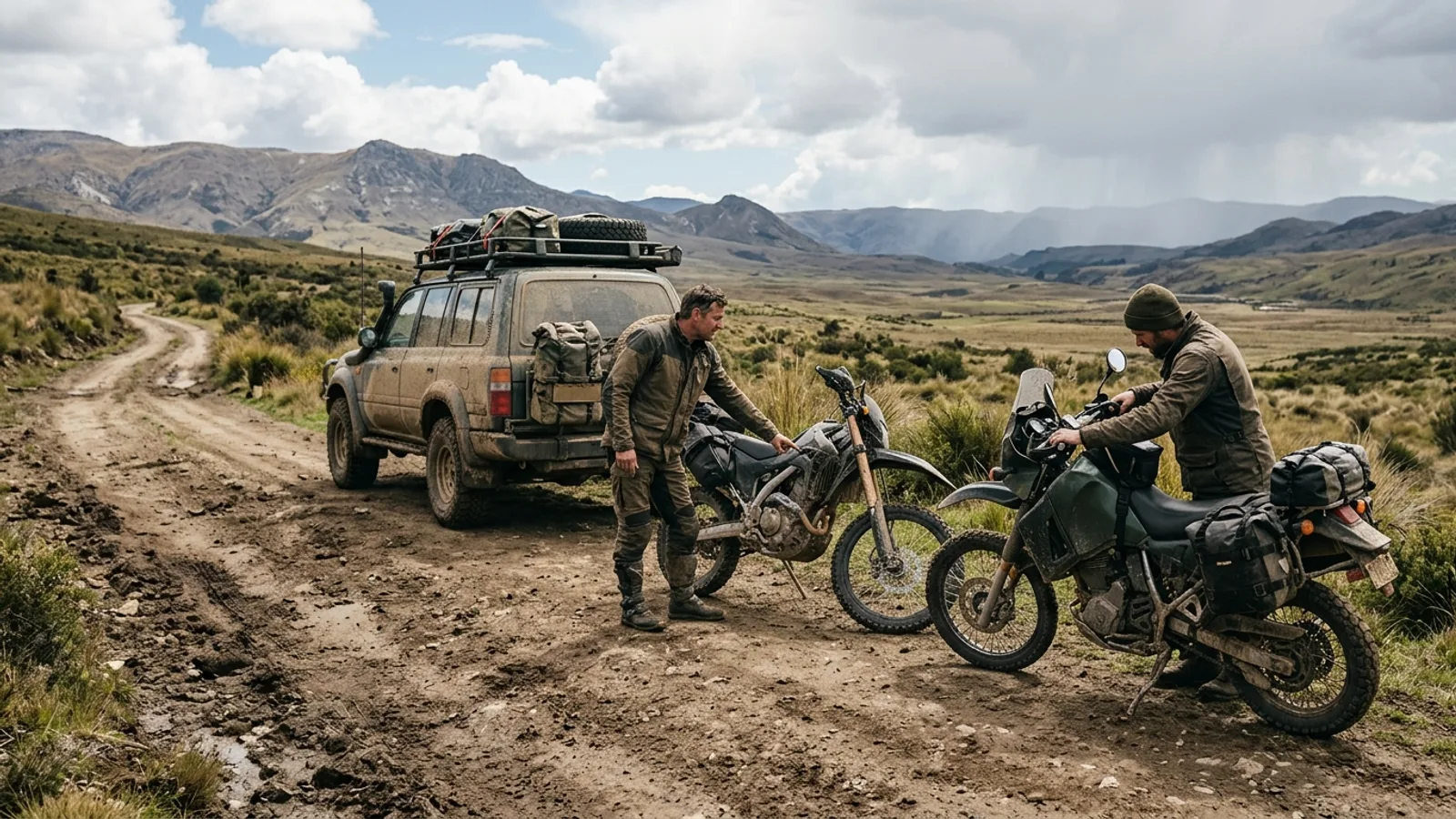
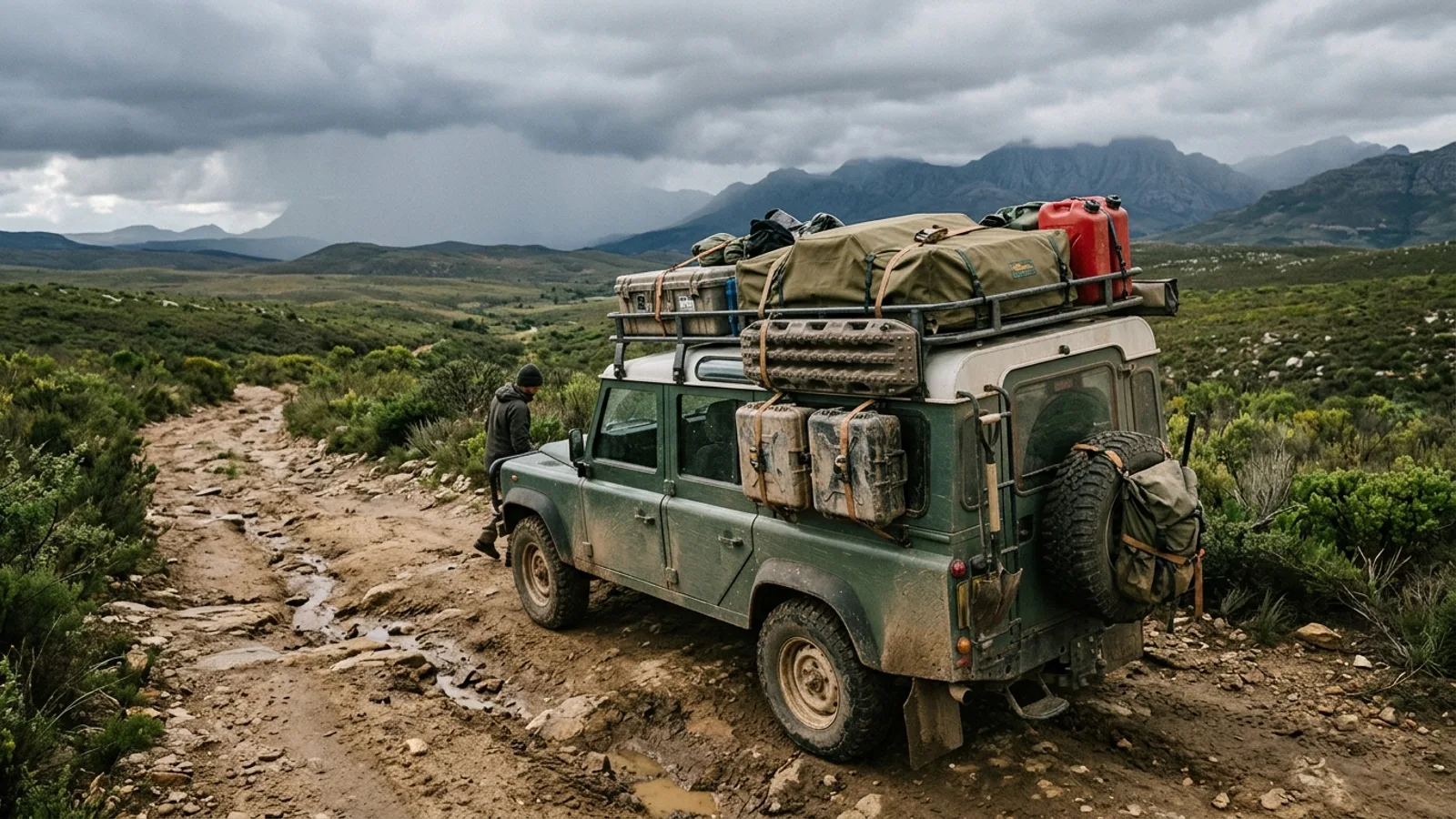
Overlanding is vehicle-based travel that emphasizes the journey over the destination. Instead of driving to a single campsite and staying put, overlanders move through remote terrain over days or weeks, camping along the way and relying on their vehicle and gear to stay self-sufficient. It sits somewhere between road-tripping, backcountry camping, and off-roading.
What Makes Overlanding Different
Traditional car camping usually means driving to a developed campground with amenities like water, restrooms, and marked sites. Overlanding is built around covering distance through less-developed or remote areas, often on unpaved roads, and being ready to camp wherever the day ends.
The emphasis is on self-reliance: carrying your own water, food, shelter, and recovery gear, and being prepared to solve problems without outside help. Cell service and other travelers may be scarce, so trip planning and vehicle readiness matter more than they do on a typical camping trip.
Off-road driving is often part of the experience, but overlanding isn't primarily about technical rock crawling or racing. Rough roads, water crossings, and changing terrain are things overlanders navigate as part of getting somewhere, not the main event.
Where Overlanding Happens
Overlanding routes typically follow unpaved forest roads, desert tracks, or backcountry routes that connect public lands. Many national forests, BLM lands, and some larger parks have networks of roads suited to this kind of travel, ranging from easy gravel to routes that require higher clearance and careful driving.
Before heading out, check current road conditions and any permit or access requirements with the land management agency, since seasonal closures, weather damage, and fire restrictions can change what's passable.
Vehicle Considerations
Overlanding doesn't require a specific brand or model. What matters more is ground clearance, a reliable drivetrain, appropriate tires for the terrain you'll cover, and a vehicle you understand well enough to maintain in the field. Four-wheel-drive or all-wheel-drive capability helps on loose or uneven surfaces, but skill in reading terrain and choosing lines matters just as much as the vehicle itself.
Whatever you drive, know its limits. Understand how to check fluid levels, change a tire, and recognize early signs of mechanical trouble before you're far from help.
Essential Gear
Packing for overlanding means preparing for both the drive and the camping that follows, without assuming resupply is nearby.
- Water: Carry more than you expect to need, both for drinking and for vehicle emergencies.
- Food: Pack food that keeps without refrigeration and is simple to prepare with limited equipment.
- Navigation: Bring a paper map or offline digital maps in addition to any GPS unit, since cell signal is often unreliable in remote areas.
- Recovery gear: Basic items like a shovel, traction boards, and tow strap can get a stuck vehicle moving again.
- Tools and spares: Carry basic tools, a tire repair kit, and a spare tire suited to the terrain you're driving.
- First aid: A well-stocked kit, along with knowledge of how to use it, is important given the distance to emergency care.
- Shelter and sleep system: A tent or rooftop shelter, sleeping bag, and pad rated for the conditions you'll encounter.
- Communication backup: A satellite communicator or similar device is worth considering for areas without cell coverage.
Trip Planning Basics
Share your route and expected return with someone before you go. Check weather forecasts for the whole trip window, not just the start, since conditions can shift quickly in mountains and deserts alike.
Plan fuel stops carefully; remote routes can have long stretches between stations. Know your vehicle's real-world range and build in a margin for detours or backtracking.
Practice Leave No Trace principles: stick to existing roads and tracks, camp in already-impacted sites where possible, and pack out everything you bring in. Remote areas often see less traffic and recover more slowly from damage.
Building Skills Over Time
Start with easier routes close to home before attempting longer or more remote trips. Learn basic vehicle recovery techniques, how to read weather and terrain, and how to make decisions about when to turn back. Overlanding rewards patience and preparation more than speed or bravado, and experience gained on shorter trips pays off when you're farther from help.