Overlanding for Beginners: A Practical Guide to Getting Started

What Overlanding Actually Is
Overlanding is self-sufficient, vehicle-based travel where the journey itself is the point, not just reaching a destination. It blends driving, camping, and navigation, usually over multiple days, often on unpaved or remote roads.
It differs from a typical road trip in that you're carrying most of what you need to sleep, eat, and handle minor problems without relying on towns or services along the way. That might mean a few nights in the backcountry or a much longer trip through varied terrain.
Overlanding doesn't require a heavily modified truck. People do it in stock SUVs, vans, trucks, and even on motorcycles or bicycles with the right setup. What matters more than the vehicle itself is preparation, judgment, and a willingness to be flexible when plans change.
Choosing a Vehicle
The right vehicle is the one that's reliable, suited to the terrain you'll actually encounter, and matched to how much gear and how many people you're carrying. Before anything else, be honest about the kind of roads you plan to drive — a rough gravel forest road is a very different challenge than a rocky, high-clearance trail.
A few practical factors to weigh:
- Reliability: A vehicle that's well-understood mechanically and easy to get parts and service for anywhere you travel is more valuable than one with a long feature list. Breakdowns are a bigger deal far from help.
- Off-road capability: Four-wheel or all-wheel drive, sufficient ground clearance, and tires suited to the terrain matter more than horsepower. Departure and approach angles matter on rocky or rutted trails.
- Size versus storage: A smaller vehicle is easier to maneuver on tight trails and often more fuel-efficient, but a larger one gives you more room for gear, water, and sleeping space. There's a real tradeoff here — pick based on your typical trip length and group size, not on what looks capable.
- Cargo and weight capacity: Every vehicle has a limit on how much weight it can safely carry, including passengers, gear, water, and fuel. Overloading affects handling, braking, and off-road performance, so check what your vehicle can actually handle before you pack it full.
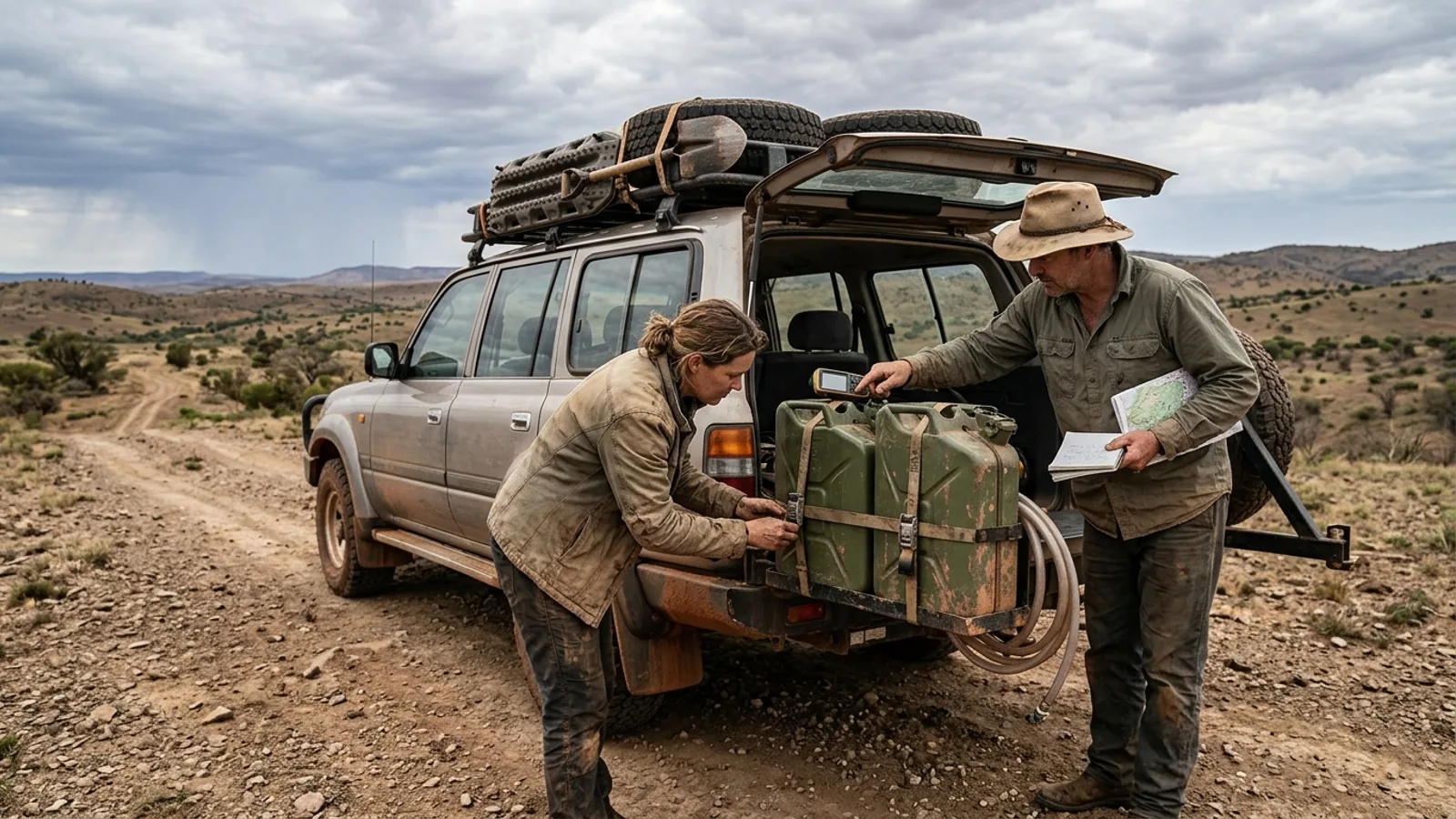
- Fuel range: In remote areas, fuel stops can be far apart. Knowing your vehicle's realistic range under load — not just its rated efficiency — helps you plan refueling points and decide whether to carry extra fuel.
- Upgradability: If you plan to add recovery points, racks, or suspension upgrades later, it helps to choose a vehicle with a healthy market of aftermarket support, so parts and accessories remain easy to find.
Whatever you choose, spend time driving it loaded and on varied terrain before a big trip. A vehicle that feels fine empty on pavement can behave very differently once loaded down on a rutted dirt road.
Core Gear Categories
Gear needs vary by trip and climate, but most overlanding setups cover the same basic categories.
Sleeping and Shelter
Options range from a rooftop tent to a ground tent to a simple setup in the back of the vehicle. Rooftop tents keep you off the ground and set up quickly, but they add weight and height, which affects fuel efficiency and stability. A ground tent is lighter and cheaper but takes longer to pitch and offers less separation from ground-level cold or moisture. Choose based on climate, group size, and how quickly you need to break camp.
Power
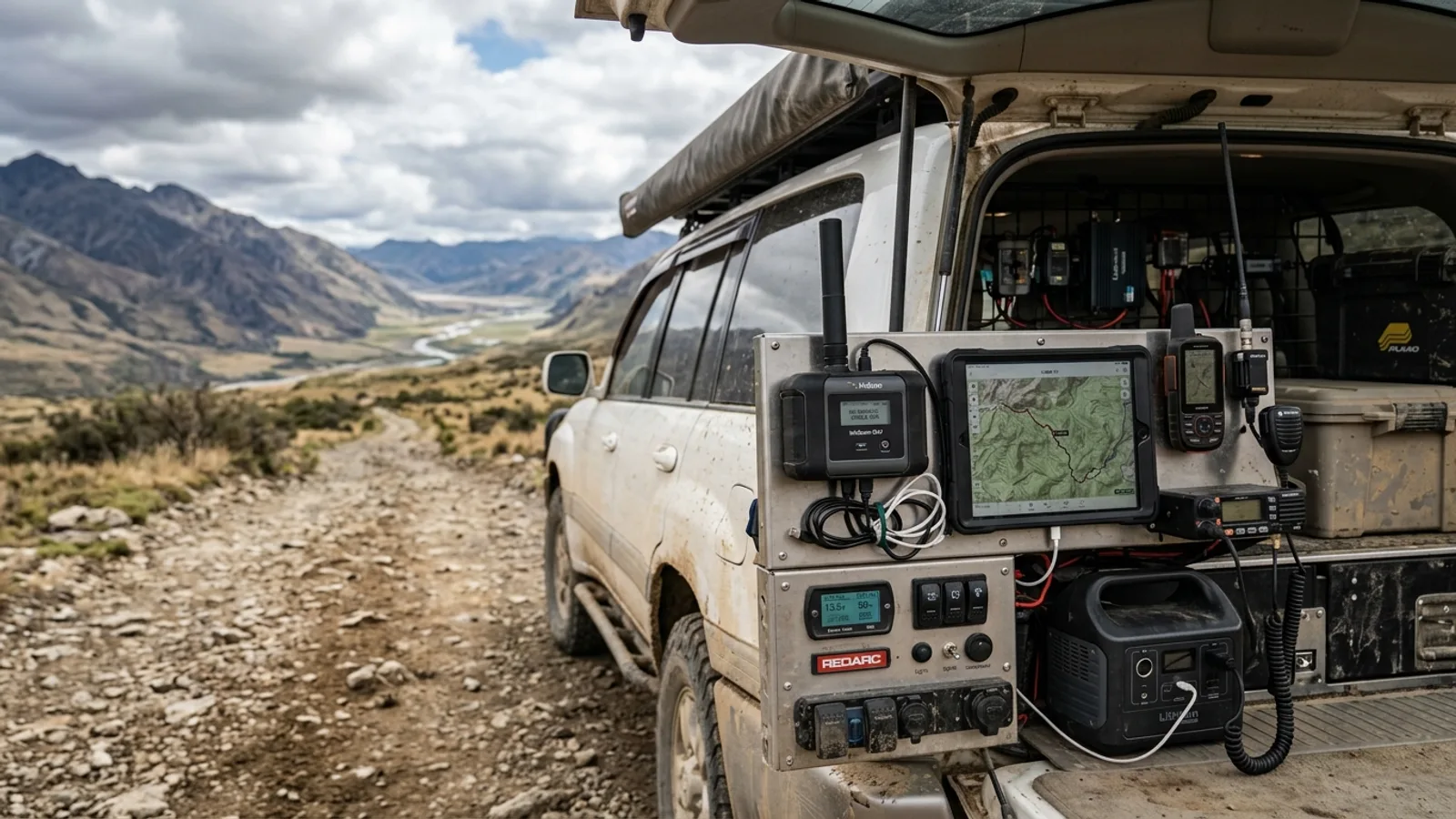
A portable power source paired with solar panels lets you charge devices, run small electronics, or power a fridge without draining your vehicle's starting battery. Understand your daily power draw before choosing a system, and always have a plan for what happens if a cloudy stretch limits solar recharging.
Navigation
Cell signal is unreliable or absent in much of the backcountry, so don't rely on a phone alone. Carry offline maps, a dedicated GPS unit, and a paper map and compass as backup. Learn to read topographic features before you need to — it's much easier to practice at home than to figure out on a dark trail.
Communication and Emergency Signaling
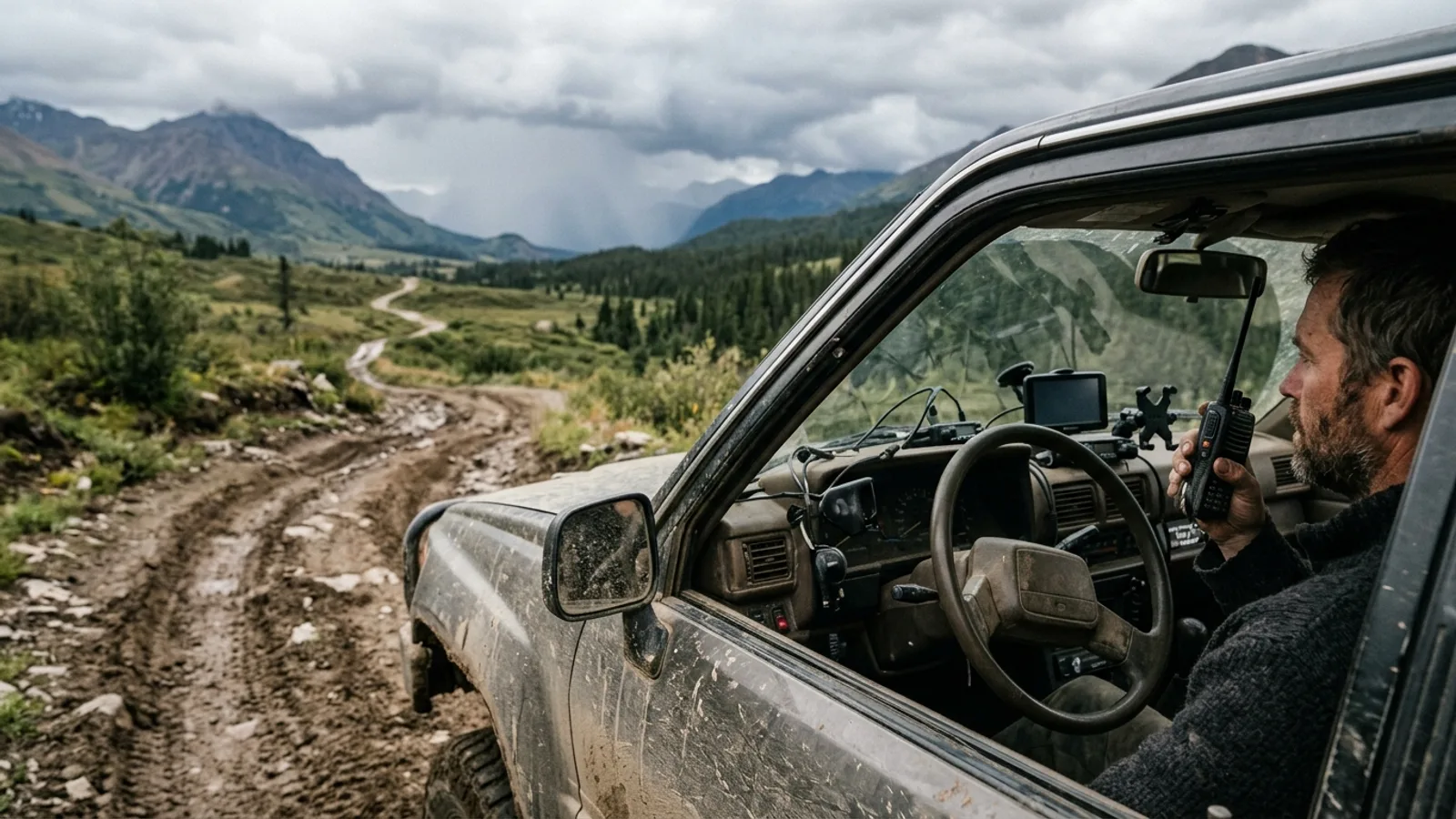
Two-way radios are useful for convoy communication over short distances. For real emergencies, a satellite communicator or personal locator beacon can summon help when there's no cell coverage at all. Know how your device works and register it properly before you leave; test it isn't the same as using it under stress.
Recovery Gear
Getting stuck is a normal part of off-road travel, not a sign you did something wrong. A tow strap, traction boards, and a shovel cover most common situations. A winch is useful for more difficult recovery but requires practice to use safely — read up on proper anchor points and rigging before you need it in the field.
First Aid and Emergency Supplies
Carry a well-stocked first aid kit and know how to use it. Add an emergency blanket, a reliable fire-starting method, and a way to signal for help. If you're traveling with others, make sure more than one person knows where the kit is and roughly what's in it.
Cooking, Food, and Water
A simple camp stove, basic cookware, and food-safe storage containers cover most trips. Plan meals that don't require refrigeration if you're not carrying a fridge. For water, carry more than you think you'll need, store it in food-grade containers, and have a purification method — a filter, chemical treatment, or UV device — as backup in case you need to draw from a natural source.
Basic Maintenance Tools
A tire repair kit and means to reinflate a tire, basic hand tools, and a few common spare parts let you handle minor issues yourself. Know how to check fluid levels, change a tire, and diagnose common warning signs before you're relying on that knowledge in the field.
Planning a Trip
Good planning is less about rigid schedules and more about giving yourself margin for the unexpected.
- Research the route: Look into road conditions, seasonal closures, water crossings, and elevation changes. Conditions that are easy in dry weather can become impassable after rain or snow.
- Build in slack: Off-road travel is slower than highway driving, and things take longer than expected — flat tires, wrong turns, extra photo stops. Plan fewer miles per day than you think you'll need.
- Tell someone your plan: Share your route and expected return with someone not on the trip, especially if you're heading somewhere without reliable communication.
- Check your gear beforehand: Test your tent, stove, and any battery-powered gear before you leave, not on the first night of the trip.
- Leave no trace: Pack out everything you bring in, stay on established routes to avoid damaging vegetation and soil, and follow local rules about campfires and wildlife. These practices keep public land open and healthy for the next visitor.
Where to Go
Public lands managed for multiple uses — including many national forests, BLM land, and some state and national parks — often have designated routes suited to overlanding. Rules vary widely by location: some areas require permits, restrict camping to designated sites, or close certain routes seasonally. Always check current regulations for the specific area you're visiting before you go, since access rules can change.
Start with routes that are well-documented and popular with other overlanders before attempting more remote or technical terrain. Building experience gradually — including experience with your specific vehicle's limits — matters more than seeking out the most difficult route right away.
Finding the Community
Other overlanders are one of the best resources for route information, gear advice, and general troubleshooting. Online forums and social media groups dedicated to overlanding and off-road travel are active year-round and often organized by region or vehicle type. Local meetups and organized group trips are a good way to learn hands-on skills like winching or tire changes from people with more experience, and to get a feel for group travel dynamics before setting out with strangers.