What Is Primitive Camping? A Practical Guide to Backcountry Basics
Defining Primitive Camping
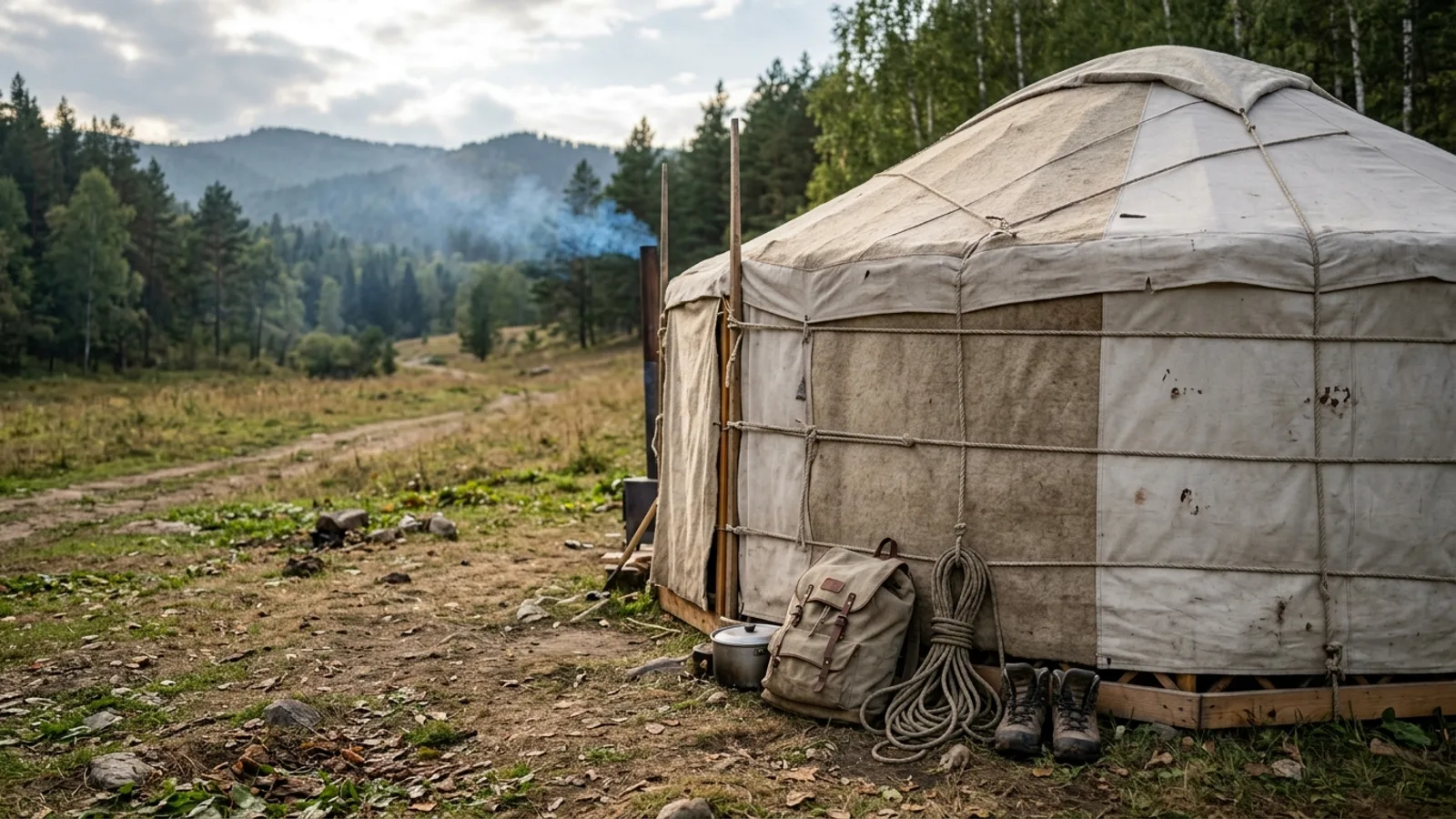
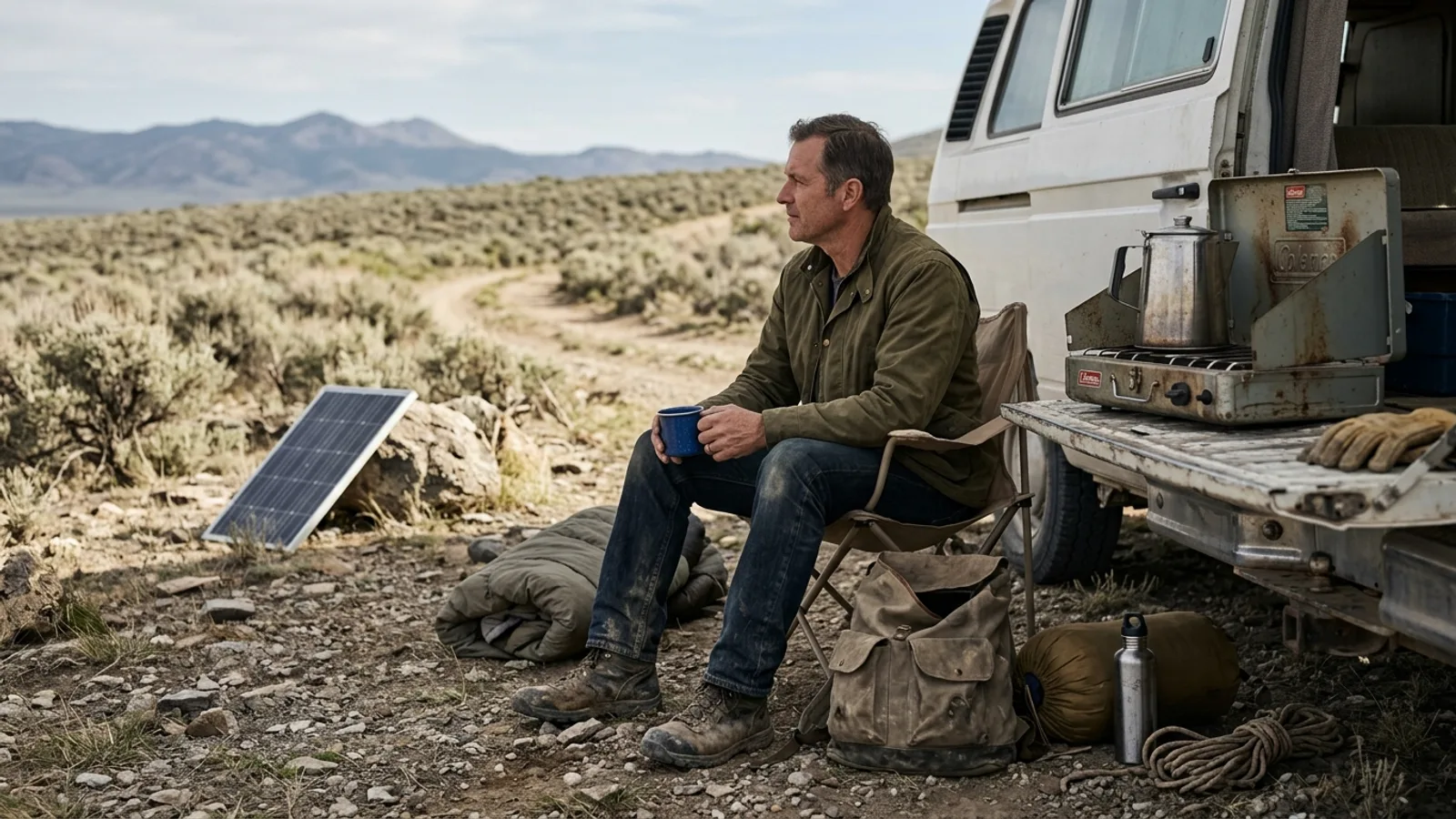
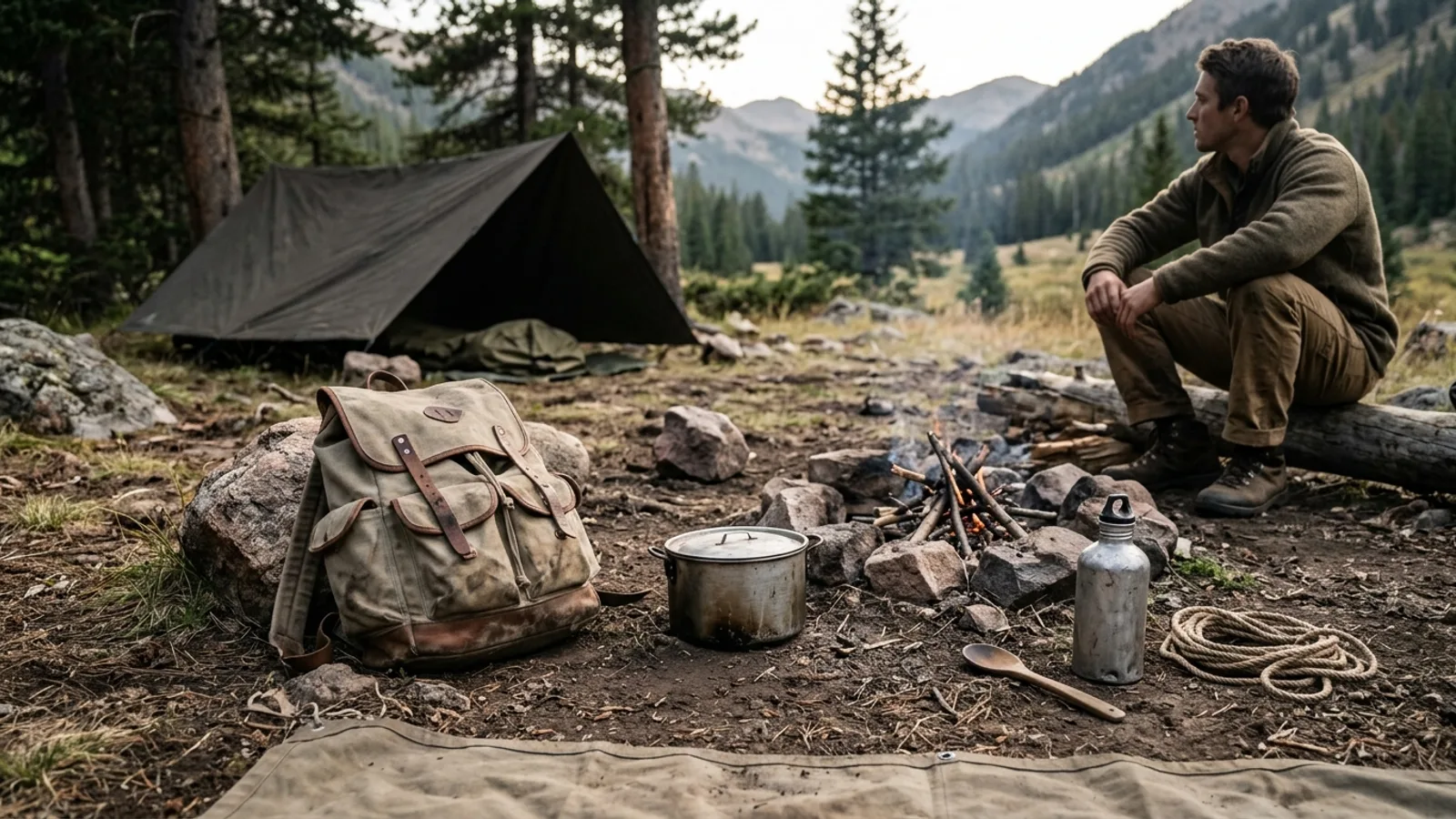
Primitive camping means sleeping in a location without the amenities of a developed campground. There's no potable water spigot, no bathhouse, no picnic table, and often no marked site at all. It ranges from a backcountry site reached by a short hike to a walk-in spot in a state or national forest that's still a short drive from a trailhead.
The common thread is self-reliance. You bring in what you need and carry out everything you brought, including waste that can't be left behind. Some primitive sites are designated and require a permit; others are dispersed, meaning you choose a legal spot within a broader area rather than a marked pad.
How It Differs From Standard Campground Camping
A developed campground typically offers a flat tent pad, a fire ring, a picnic table, trash service, and access to restrooms or potable water. Primitive camping strips away some or all of that. You may still get a fire ring and a cleared spot for a tent, but water, waste disposal, and even the driving directions are up to you.
This isn't necessarily remote wilderness. Many state and national forests offer primitive sites just off a road, useful for anyone wanting quiet and space without a long backcountry approach.
Why People Choose It
- Quiet and space. Primitive sites are usually spread farther apart than campground loops, and they draw fewer visitors overall.
- Flexibility. In areas that allow dispersed camping, you can often pick your own spot rather than reserve a specific numbered site.
- Lower cost. Primitive sites frequently have lower or no fees compared with full-hookup or reservation-based campgrounds, though permits may still apply.
- Access to less-visited terrain. Reaching a primitive site can put you closer to trails, water, or views that day-trippers from bigger campgrounds don't see.
What to Expect: The Trade-offs
- No conveniences. No running water, no electricity, no trash pickup. Anything you can't burn completely or bury per local rules, you pack out.
- More skill required. You need to know how to filter or treat water, cook without a full kitchen setup, and navigate to and from your site without relying on a signal or a marked path.
- Weather and wildlife exposure. There's no building to retreat to. Food storage, site selection, and weather awareness matter more than they would at a developed campground.
- Access limits. Some primitive sites require a hike, paddle, or high-clearance vehicle to reach, and conditions can change access on short notice, especially after storms.
Core Gear for a Primitive Camping Trip
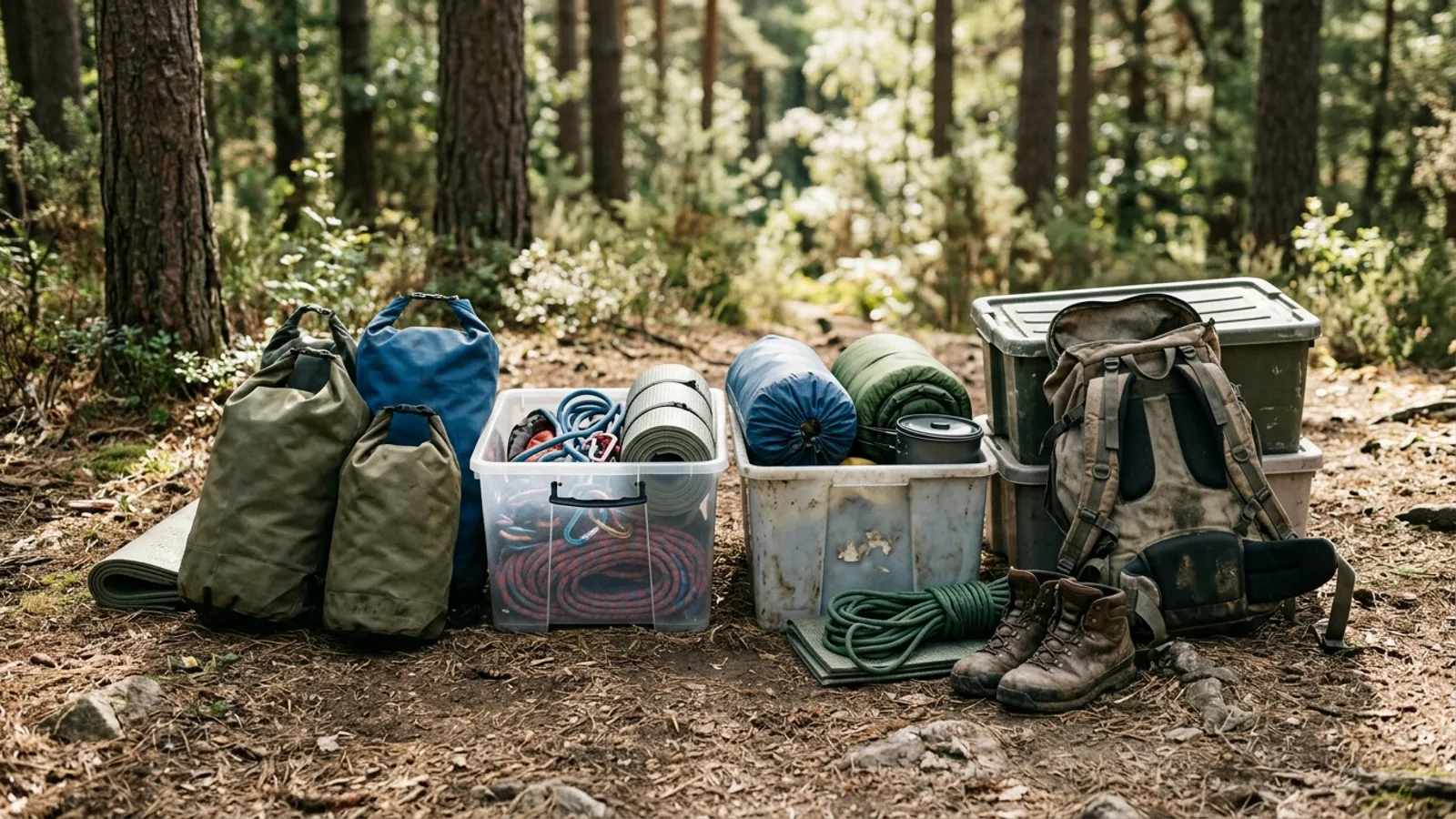
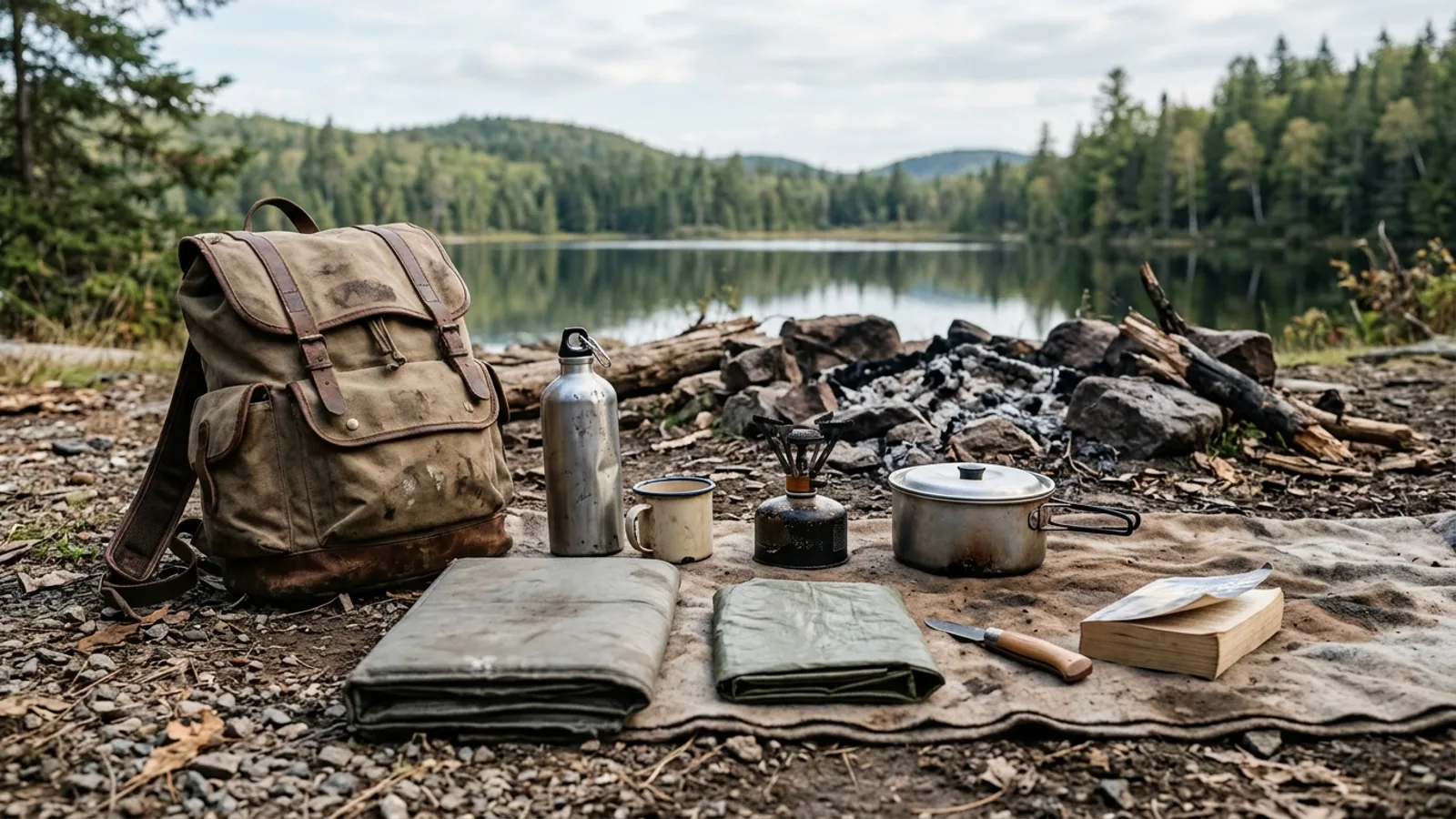
What you need depends on distance from the trailhead and season, but a few categories apply almost everywhere:
- Shelter suited to expected weather, staked properly for wind.
- Sleep system — a sleeping bag or quilt rated for the coldest temperature you might realistically see, plus a sleeping pad for insulation from the ground.
- Water treatment — a filter, chemical treatment, or a way to boil water, plus enough capacity to carry water between sources.
- Food and cooking setup — a stove if you plan to cook, and a plan for storing food away from wildlife, whether that's a hard-sided container, a hang, or a locker if one is provided.
- Navigation — a physical map and compass in addition to any phone app, since signal and battery life can't be counted on.
- Lighting — a headlamp or flashlight with extra batteries.
- First aid supplies sized to the length and remoteness of the trip.
- Layers for temperature swings, plus rain protection.
- A way to deal with human waste, such as a trowel for catholes where permitted, or a waste bag system in areas that require packing it out.
Pack for the conditions you might hit, not just the forecast. Weather in exposed or high-elevation areas can shift quickly.
Finding a Primitive Site
National forests, many state forests, and some state and national parks offer primitive or backcountry camping. Rules vary widely: some areas allow camping anywhere a set distance from water and trails, while others restrict camping to designated sites only. Before you go, check the managing agency's current regulations for that specific area, including any permit requirements, fire restrictions, and food storage rules. Conditions and access can change with weather, wildlife activity, or land management needs, so it's worth confirming details close to your trip date rather than relying on old information.
When scouting a site, look for durable, level ground already impacted by previous use rather than clearing a new spot. Keep a reasonable distance from water sources to protect both water quality and the habitat around it, and avoid dead standing trees or limbs that could fall.
Leave No Trace Basics
- Plan ahead. Know the regulations, water sources, and weather before you leave, and pack accordingly.
- Camp on durable surfaces. Use existing cleared sites or durable ground like rock, sand, or dry grass rather than trampling new vegetation.
- Pack out what you pack in. This includes all trash and food scraps; nothing gets left or buried at the site.
- Dispose of waste properly. Follow local guidance on human waste, whether that means catholes at a proper distance from water and trails, or carrying it out.
- Leave what you find. Don't remove rocks, plants, or artifacts, and avoid altering the site for your convenience.
- Minimize fire impact. Use existing fire rings where allowed, keep fires small, and consider a stove instead where fires are restricted or conditions are dry.
- Respect wildlife. Store food securely and observe animals from a distance without feeding them.
- Be considerate of other campers. Keep noise down and give other sites space, even in areas that feel remote.
Is Primitive Camping Right for You?
Primitive camping suits people comfortable with some uncertainty and willing to build basic outdoor skills before relying on them. If you're new to it, a good first step is a primitive site that's still a short walk or drive from help, rather than a multi-day trip deep into the backcountry. Build comfort with water treatment, navigation, and site selection close to home before pushing farther out.