How to Store Camping Gear So It Lasts Longer and Stays Easy to Find
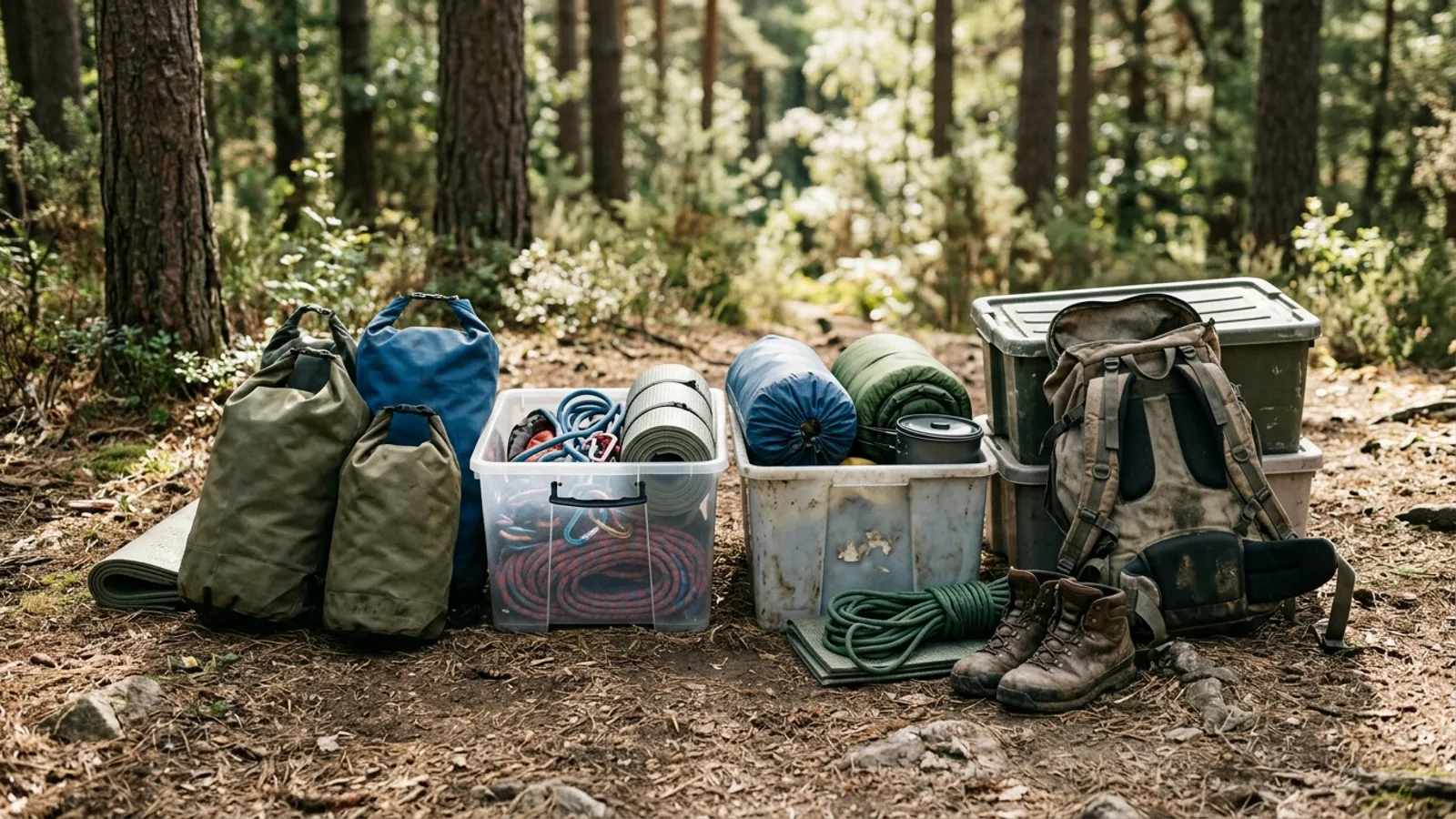
Camping gear takes up a lot of room and comes in a lot of shapes: soft sleeping bags, rigid coolers, sharp stakes, fuel canisters, damp tents. A storage system that works long-term does two things at once: it keeps gear dry and undamaged, and it keeps you from digging through everything the night before a trip. The details below focus on technique rather than specific products, since the right containers and shelving depend on the space you have.
Start With How You Actually Camp
Before buying anything, sort gear by how often you use it and how you travel. Gear for frequent weekend trips should live somewhere you can grab it in five minutes without pulling out a ladder or moving boxes. Seasonal or rarely used gear — winter tent, extra cots, holiday-specific equipment — can go higher up or further back.
Group items by category rather than by trip: cooking gear together, sleep systems together, hiking gear together. This makes it much easier to pack for a specific type of trip, because you're pulling from a small number of known locations instead of hunting through a mixed pile.
Use Bins for Anything That Needs Protection From Moisture or Pests
Rigid, lidded storage bins are one of the most reliable ways to store camping gear, especially in a garage, shed, basement, or attic where temperature and humidity swing throughout the year. A good bin should have a lid that seals reasonably tight, enough rigidity that it won't crush under stacked weight, and handles sturdy enough to carry when full.
Some practical guidelines for bin storage:
- Group by category, not by trip. One bin for cooking gear, one for sleep systems, one for lighting and power, and so on. This makes it easy to grab just what you need for a short trip.
- Use clear bins where possible. Being able to see contents at a glance saves time and reduces how often bins get opened and closed, which is easier on the lids and latches over the years.
- Label every bin on more than one side. Labels on top are useless once bins are stacked; label the sides too so you can identify a bin without pulling it out.
- Stack heaviest bins on the bottom. This keeps the stack stable and avoids putting stress on weaker bins or crushing lighter gear.
- Let fabric gear dry completely before it goes in a sealed bin. Trapping moisture in a sealed container is one of the most common ways mildew starts on tents, tarps, and sleeping bags.
Shelving Keeps Gear Off the Floor and Easier to Reach
Open shelving — wire or solid — is worth the space if you have a dedicated gear closet, garage corner, or shed. It keeps bins and loose items off the ground, away from moisture that collects on concrete floors, and visible at a glance instead of stacked in a way that hides the bottom layer.
A few things matter for safety and longevity:
- Put heavier items on lower shelves. This keeps the unit's center of gravity low and reduces the chance of tipping.
- Anchor tall or free-standing shelving to a wall stud. This is a basic safety step, especially in households with kids or pets, and it matters more once shelves are loaded with heavy bins.
- Leave a little airflow between items. Packing shelves completely solid restricts airflow and can trap humidity in fabric gear.
Wire shelving in particular is easy to reconfigure as your gear collection changes, since shelf height can usually be adjusted without tools.
Make Use of Vertical Space and Hanging Storage
Walls and the undersides of shelves are often wasted space. Hooks are a simple way to store backpacks, helmets, trekking poles, lanterns, and coiled rope without taking up floor or shelf space. Hanging items also makes it easy to see at a glance what's out and what's put away.
Mesh bags work well for gear that needs to breathe — life jackets, wet sandals, sand toys, or anything that comes home damp. The airflow through mesh helps prevent the musty smell that builds up when damp items are sealed in plastic.
Protect Gear From Moisture, Pests, and UV
Moisture is the main long-term threat to most camping gear. A few habits go a long way:
- Never store a tent, tarp, or sleeping bag while damp. Dry everything fully, even if it delays putting gear away by a day.
- Store sleeping bags loose or in a large breathable sack rather than tightly compressed for long periods; constant compression can break down insulation over time.
- Keep gear off concrete floors, which stay cool and can sweat with humidity changes.
- Store gear away from direct sunlight where possible, since UV exposure gradually weakens fabrics and plastics.
- Check stored food-related gear and coolers for crumbs or residue that can attract pests.
A Simple Color-Coding or Labeling System Pays Off
Assigning a color or label scheme to categories of gear — one color for cooking, another for sleep systems, another for repair and tools — makes packing faster and makes it obvious when something hasn't been put back in the right place. This matters more as a gear collection grows across multiple people or multiple types of trips.
Set Aside a Small Space for Gear Maintenance
Having a spot to inspect, clean, and dry gear before it goes back into storage prevents small problems from turning into big ones — a stuck zipper, a hairline crack in a hose, a bit of mildew, worn straps. A workbench or even a folding table near your storage area, along with basic cleaning supplies, makes this step much more likely to actually happen after a trip.