UTV Riding for Beginners: Essential Gear, Tools, and Trail Safety
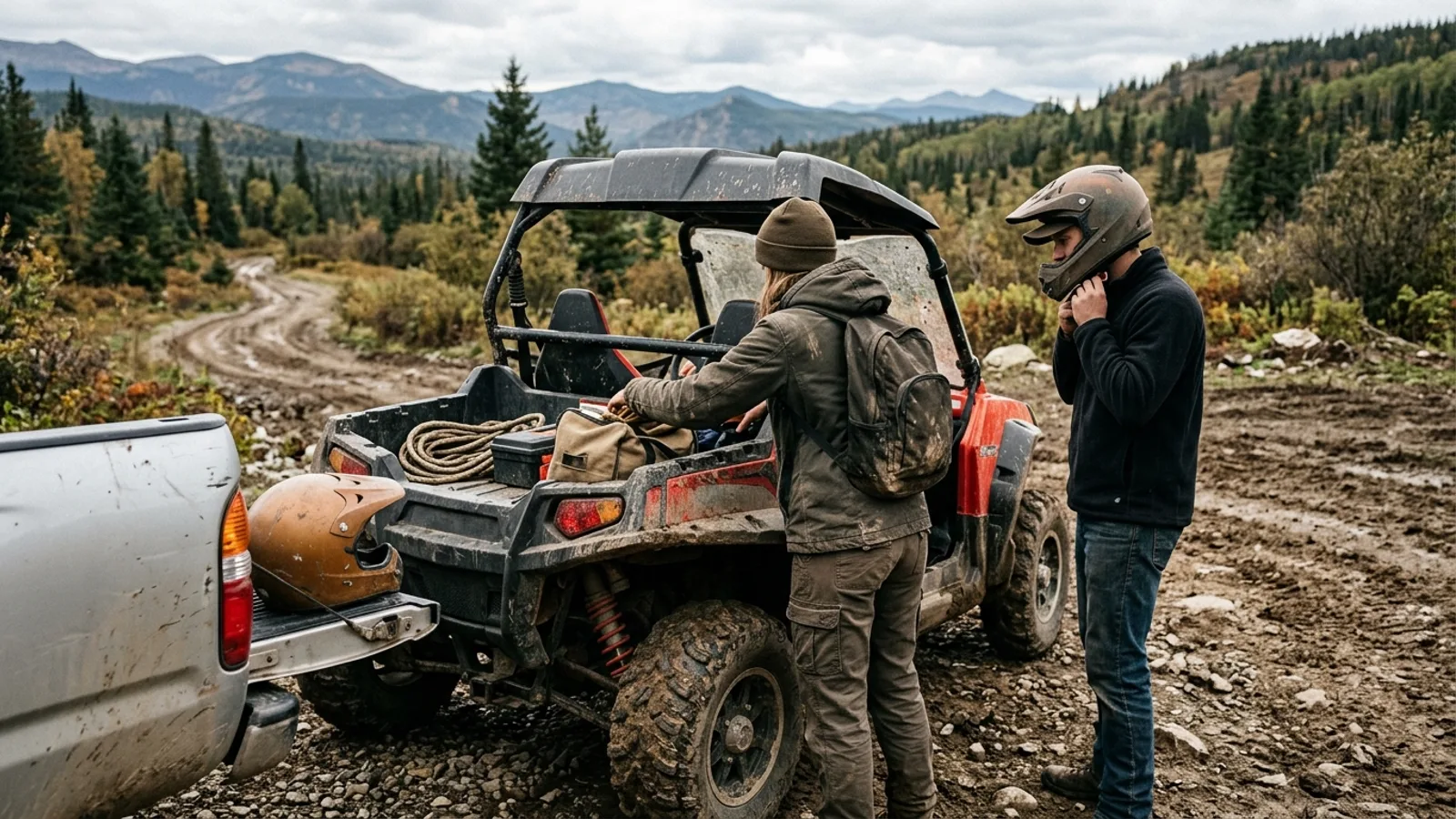
A UTV (utility terrain vehicle) opens up terrain that a regular vehicle can't touch, but that access comes with real risk: rollovers, isolation from help, and mechanical failures far from pavement. Preparation matters more here than in almost any other outdoor activity. This guide covers the tools, gear, and habits that make a first UTV outing safer and more enjoyable.
Learn the Machine Before You Learn the Trail
Every UTV handles differently depending on its wheelbase, weight, and suspension. Before riding anywhere remote, spend time in an open, flat area practicing turns, braking, and low-speed maneuvers. Get a feel for how the machine responds on loose surfaces and inclines while you're still close to help.
Read the owner's manual for your specific vehicle. It will cover load limits, tire pressure recommendations, and maintenance intervals that generic advice can't replace. Many UTV-related injuries happen when riders exceed the vehicle's limits or misjudge terrain that looks easier than it is.
Core Safety Gear
Some items belong on every ride, regardless of trail difficulty or distance:
- A helmet rated for off-road use. Head protection is the single most important piece of safety equipment for UTV riding.
- Eye protection such as goggles, especially on open-cab machines where dust and debris are constant.
- A charged phone and, where cell coverage is unreliable, a separate way to call for help, such as a satellite messenger.
- A map of the trail system, either physical or downloaded for offline use, since GPS signal and cell data can both fail in remote areas.
- A basic first-aid kit sized for the length and remoteness of your ride.
Riding with at least one other vehicle is one of the simplest ways to improve safety. A second UTV can carry a stranded rider out, help with a difficult recovery, or go for help if someone is hurt.
Tools and Spare Parts Worth Carrying
Breakdowns on remote trails are inconvenient at best and dangerous at worst. A basic on-board kit reduces how often a minor issue turns into a long walk. Useful items include:
- An adjustable wrench and a set of screwdrivers for common fasteners
- A tire plug kit and a small air pump or compressor
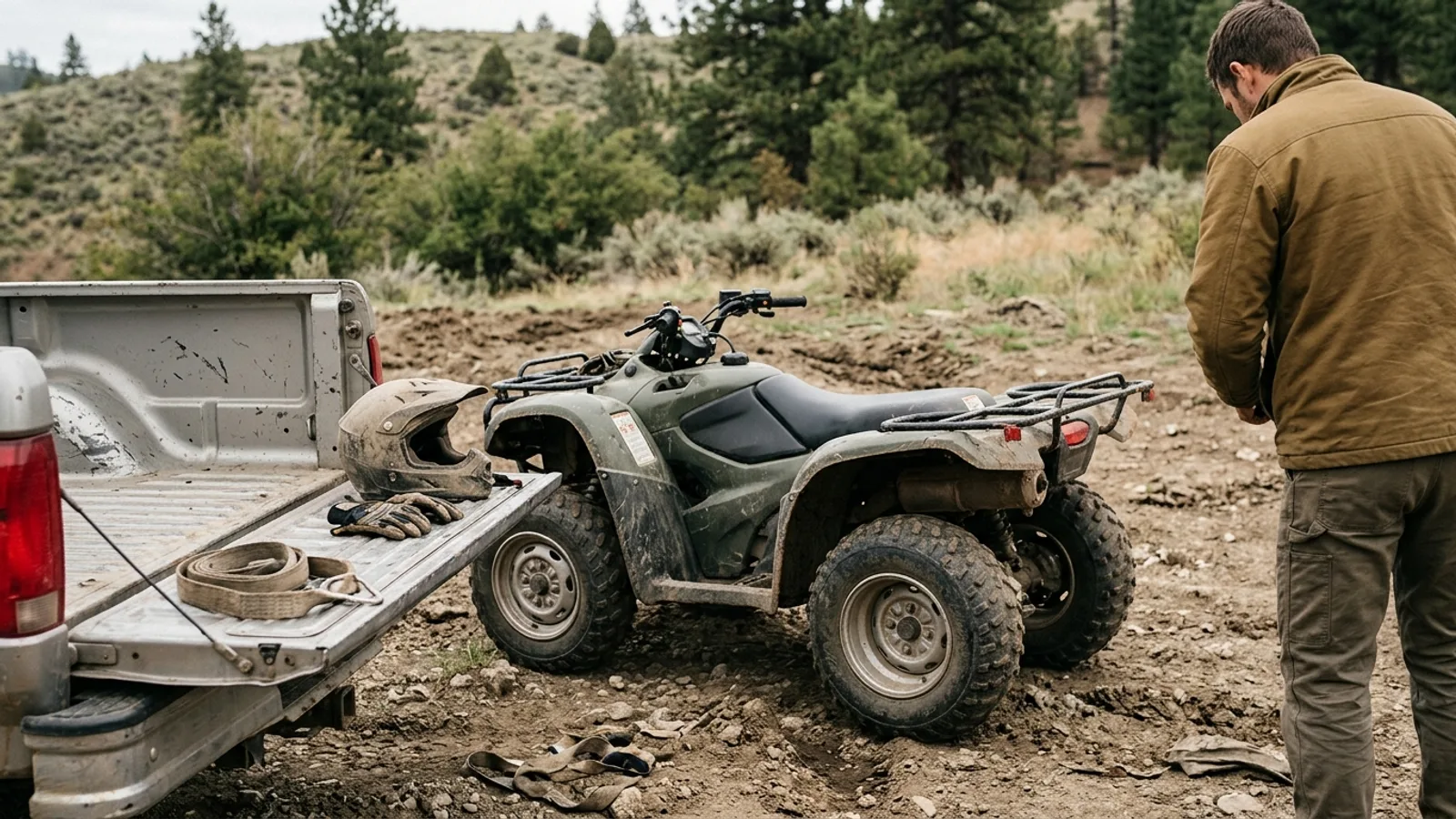
- A tow strap rated for your vehicle's weight
- Jumper cables or a portable jump-start device
- Spare fuses and, if you're comfortable with basic mechanical work, a spare drive belt
- A flashlight or headlamp with extra batteries
None of this replaces regular maintenance. Check tire pressure, fluid levels, and belt condition before every ride, not just when something feels wrong.
Recovery Gear for Getting Unstuck
Mud, sand, and steep loose grades can strand even an experienced driver. A tow strap and a basic understanding of safe recovery technique — attaching to rated points, keeping bystanders clear, and avoiding sudden jerks that can snap a strap — will get most riders out of common jams. A winch adds capability for more serious recovery situations but requires practice to use safely.
Clothing for Off-Road Conditions
UTV riding exposes you to sun, dust, vibration, and quick weather changes, especially at elevation or in open country. Dress in layers you can add or remove as conditions shift over the course of a ride.
- A moisture-wicking base layer keeps sweat off your skin during exertion or heat.
- Sturdy, close-fitting gloves improve grip and protect hands from vibration and impact.
- A jacket with venting helps regulate temperature without needing to stop and change layers.
- A weatherproof outer shell is worth carrying even on clear days, since exposed trails offer little shelter from sudden rain or wind.
Pack a spare pair of gloves and eye protection. Both are easy to lose or damage, and riding without either is uncomfortable and unsafe.
Food and Water on the Trail
Off-road riding is physically demanding — bracing against vibration and rough terrain works your body more than it looks like it should. Bring more water than you think you'll need, and drink on a schedule rather than waiting until you're thirsty.
For food, pack items that hold up in heat and don't require preparation: nuts, dried fruit, jerky, and other compact, calorie-dense snacks travel well and provide steady energy without weighing down your gear.
Trail Etiquette and Rules
Every trail system has its own regulations covering permitted vehicle types, sound limits, and hours of use. Check current rules for the specific area before you ride, since they vary widely by location and land manager.
General etiquette that applies almost everywhere:
- Stay on marked trails to protect vegetation and reduce erosion.
- Yield to uphill traffic and to hikers or horseback riders when trails are shared.
- Keep noise reasonable, particularly near campsites and trailheads.
- Pack out all trash, including anything left behind from repairs or recovery.
- Match your speed to sightlines — blind corners and dips are common on off-road trails.
Building Your Own Kit Over Time
New riders don't need every piece of gear on the first outing. Start with the essentials — helmet, first-aid kit, tire repair basics, water, and a way to call for help — and add specialized tools and clothing as you learn what your specific terrain and riding style demand. The right kit looks a little different for a rider who mostly does short desert loops than for one tackling long backcountry routes, and experience is the best guide to filling the gaps.