Mountain Camping: How to Plan a Safe, Low-Impact Trip
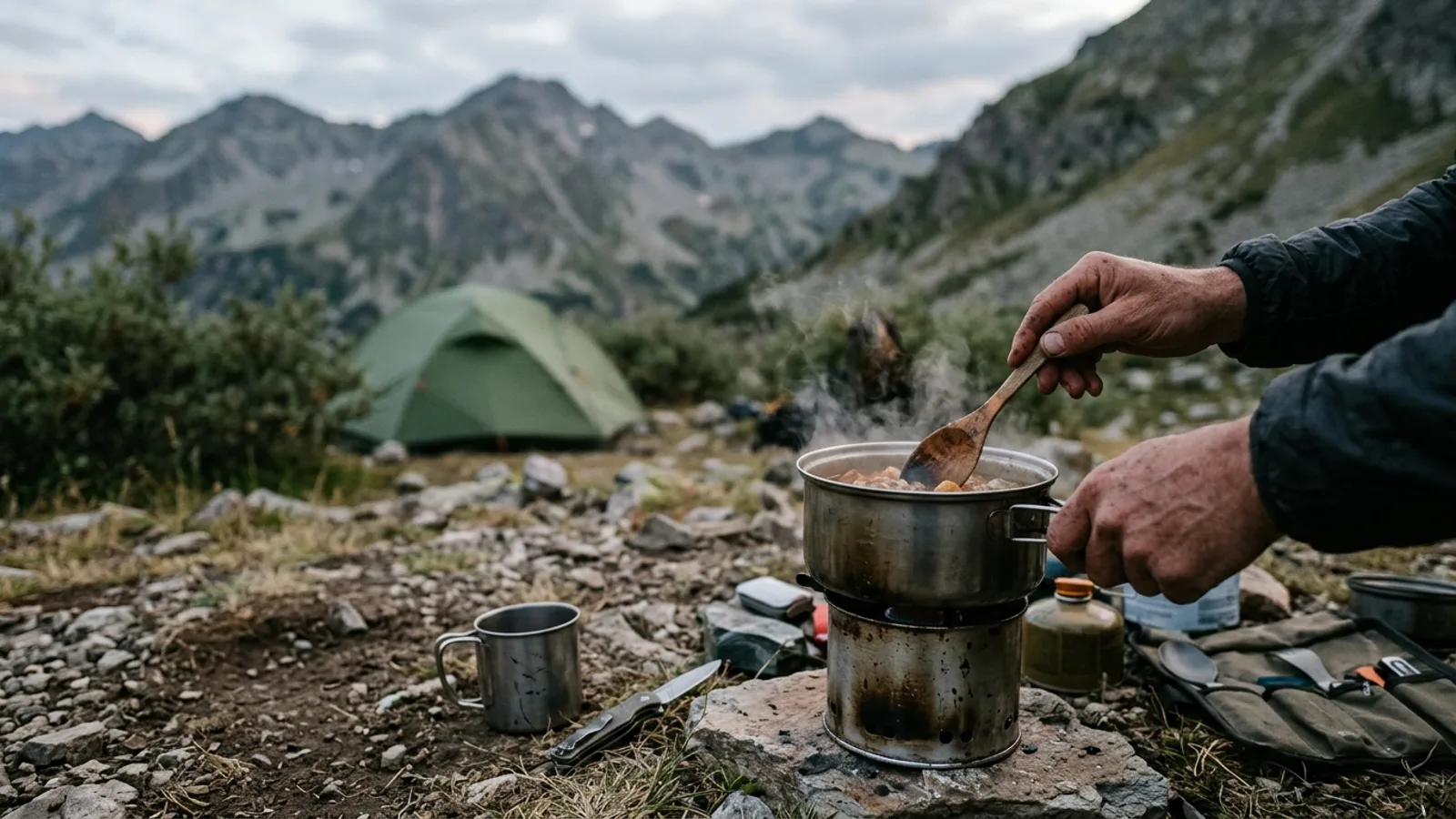
Planning Your Trip
Mountain weather changes fast, and terrain can make a short hike take much longer than expected. Before you go, check the forecast for the specific elevation and area you'll be in, not just the nearest town, since conditions at a trailhead can differ sharply from conditions at a campsite a thousand feet higher. Look up any permit requirements, fire restrictions, and seasonal closures. Trails and roads at higher elevations may be snowed in or washed out well into the warmer months, so confirm current access before committing to a route.
Tell someone outside your group where you're going and when you expect to be back. In many mountain areas, cell service is unreliable or nonexistent, so this simple step matters more than it does closer to home.
Choosing a Campground
Developed campgrounds, often found in national parks, national forests, and state parks, offer marked sites, some form of waste disposal, and easier access. They're a good fit for first-time mountain campers or anyone who wants a shorter drive from the car to the tent.
Backcountry or dispersed sites trade convenience for solitude. Reaching them usually means hiking in, carrying out everything you bring, and being fully self-sufficient for water, waste, and emergencies. These are better suited to campers who are comfortable navigating and problem-solving without nearby help.
Popular mountain destinations frequently require reservations, sometimes released well in advance of the camping season. Check group size limits, pet policies, and campfire rules for the specific site, since these vary widely even within the same park.
Gear for Variable Mountain Weather
Mountain conditions can shift from sun to hail within an hour, so gear that handles moisture and wind matters more here than in milder settings.
Shelter
A tent with a full rainfly, taped or sealed seams, and a sturdy pole structure will hold up far better in sudden wind or rain than a minimal three-season tent. Stake it out fully, including guylines, even if the forecast looks calm, and pitch on ground that won't collect runoff if a storm rolls through.
Clothing
Pack rain protection even when the forecast is clear; mountain weather is notoriously local and can shift with little warning. Layering with materials that insulate when damp works better than a single heavy layer, since it lets you adjust as temperatures swing between sunny afternoons and cold nights. Avoid cotton, including denim, since it stays wet and loses its insulating value once soaked.
Keeping Gear Dry
Dry bags or heavy-duty liners inside your pack protect sleeping bags, spare clothing, and electronics from rain that gets past a rain cover. Smaller waterproof pouches work well for items like matches, maps, and a phone.
Emergency Preparedness
A basic first aid kit, personal medications, and knowledge of how to treat minor injuries and blisters go a long way in an area where help may be hours away.
Carry a physical map and compass as a backup to any electronic navigation, since GPS signal and battery life can both fail in mountain terrain. Know how to use them before you need them.
Pack a lightweight emergency shelter, such as a bivy or an emergency blanket, in case you're caught out overnight unexpectedly. Bring a reliable way to start a fire that works even if conditions are damp, along with a whistle or signal mirror to help others locate you if needed.
Carry more food and water than you think you'll need, plus a way to treat water from natural sources, in case a trip runs longer than planned. A multi-tool covers most minor gear repairs and everyday tasks around camp.
Leave No Trace Basics
These widely used principles help keep mountain environments intact for future visitors and for the wildlife that live there.
- Plan ahead and prepare: Know the terrain, weather, and regulations before you set out.
- Travel and camp on durable surfaces: Stick to established trails and designated campsites so fragile vegetation and soil aren't disturbed.
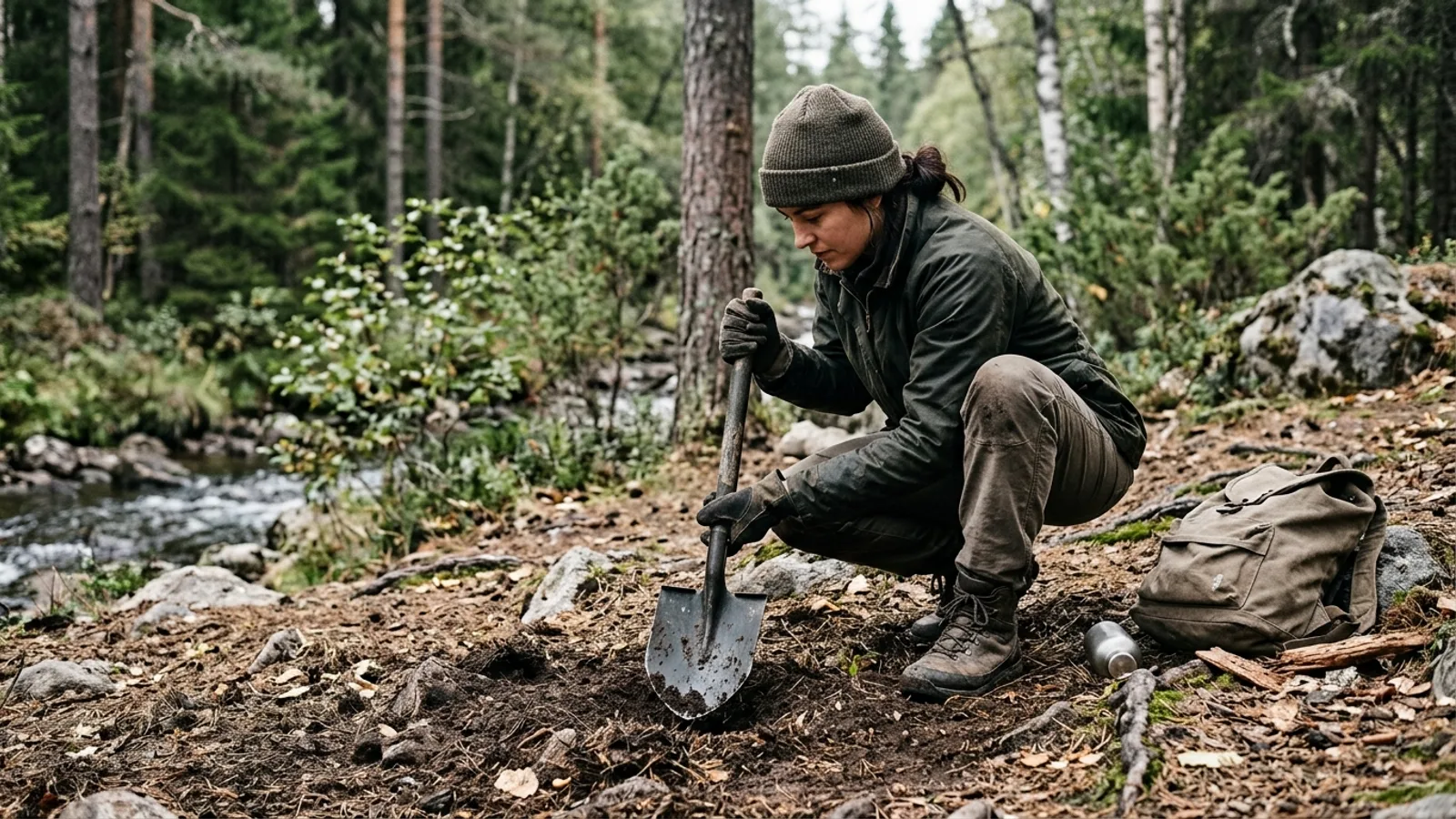
- Dispose of waste properly: Pack out all trash and food scraps. If you need to relieve yourself away from a toilet, do so well away from water sources and bury waste appropriately.
- Leave what you find: Rocks, plants, and historical objects should stay where they are for others to enjoy.
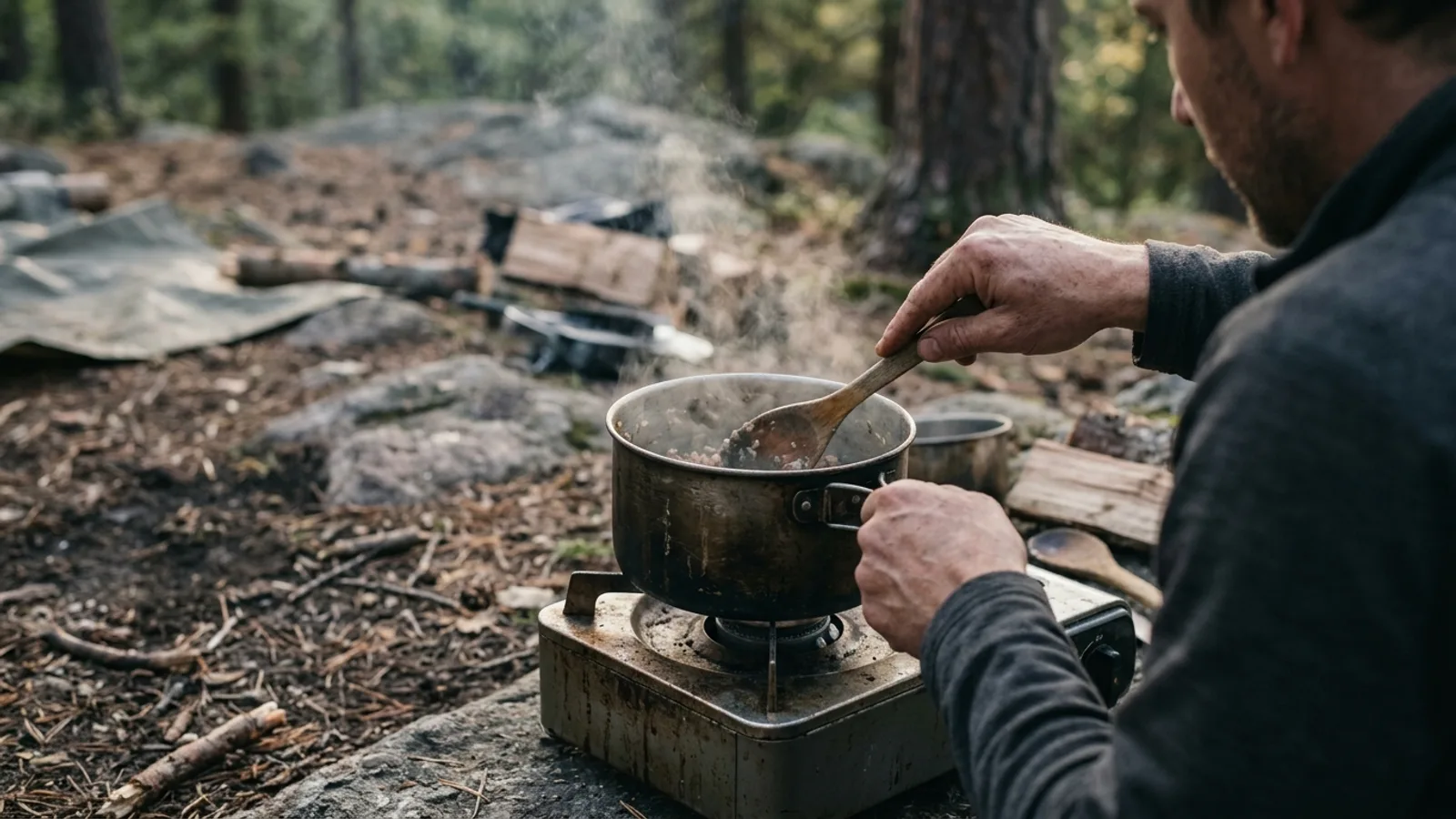
- Minimize campfire impact: Use a camp stove when you can, and where fires are allowed, keep them small and use existing fire rings.
- Respect wildlife: Observe animals from a distance and store food securely so they don't become accustomed to human food.
- Be considerate of other visitors: Keep noise down, yield on trails, and give other campers space.
Safety in Mountain Terrain
Altitude, sudden weather changes, and steep or exposed terrain make mountain environments less forgiving than lower-elevation camping. Give yourself time to adjust if you're camping at a notably higher elevation than you're used to, and watch for headaches, nausea, or unusual fatigue, which can be early signs that your body needs time or a lower elevation to recover.
Afternoon thunderstorms are common in many mountain ranges, so plan strenuous hikes or exposed activities for the morning when possible. Stream crossings can be more dangerous than they look, especially during snowmelt, so scout a safe crossing point rather than forcing a direct route.
Know the basics of the terrain you'll be in, including how to identify unstable ground, loose rock, or avalanche-prone slopes if you're camping in snow season. When in doubt, choose the more cautious option, whether that means turning back, waiting out weather, or picking a lower campsite.
What to Look for in a Mountain Destination
Good mountain camping destinations typically offer a mix of maintained trails, designated campgrounds, and access to water features like rivers, waterfalls, or alpine lakes. National parks and national forests are reliable starting points, since they tend to have established infrastructure, ranger stations for current conditions, and clear rules about fires and wildlife.
If you want facilities like flush toilets, potable water, and camp stores, look for developed campgrounds within a park. If solitude and a more rugged experience appeal to you more, ask rangers or land management offices about backcountry permits and any required gear, such as bear-resistant food storage.
Whichever type of site you choose, book ahead if the destination is well known, and confirm what amenities are actually available on-site versus what requires a drive into a nearby town.