Staying Safe in National Parks: What Visitors Should Actually Know
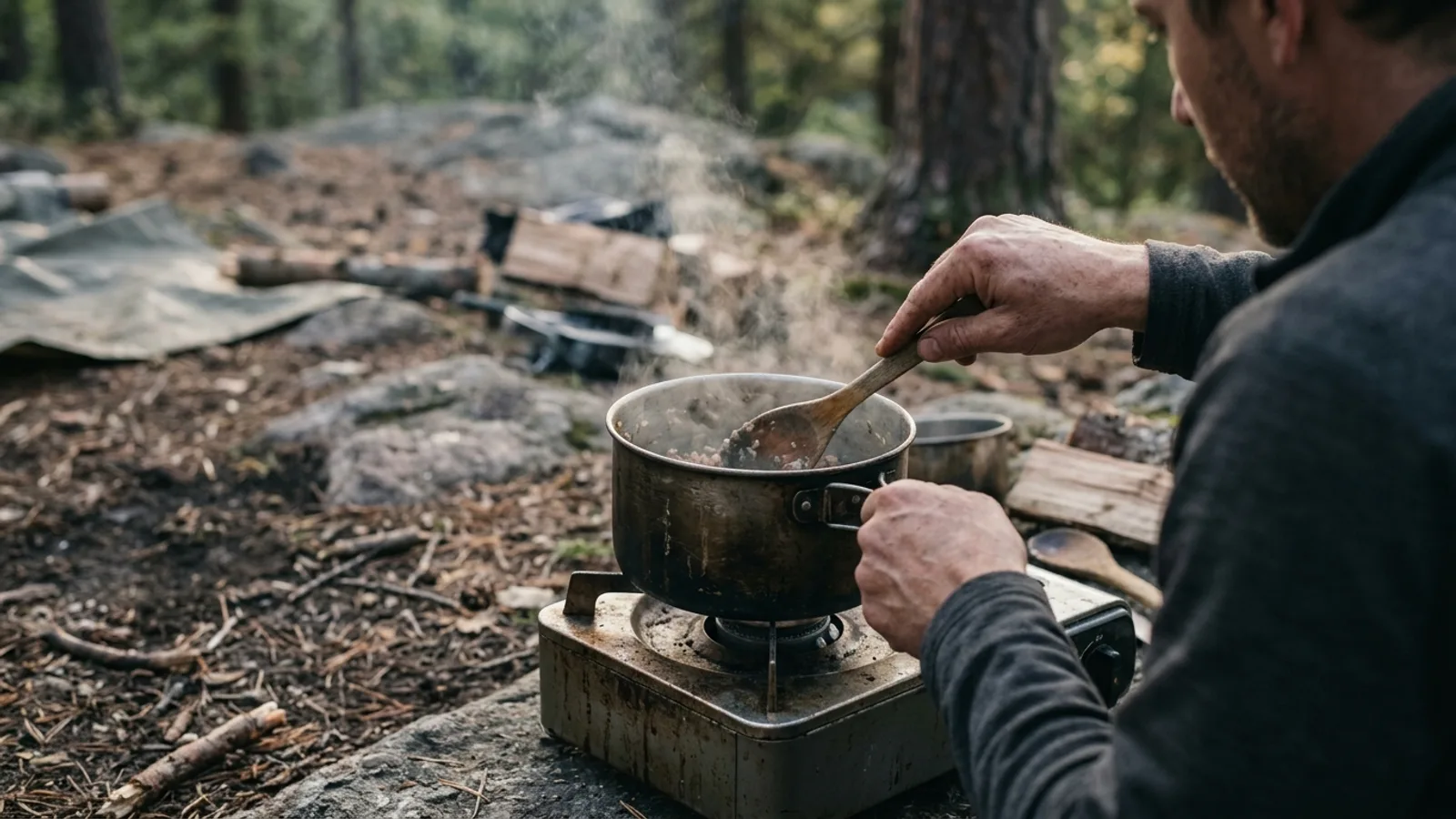
National Parks Are Safe Places to Visit
Millions of people visit national parks every year, and the overwhelming majority leave with nothing worse than sore feet and a sunburn. Serious injuries and crime are uncommon relative to the number of visitors. That said, parks are still wild, remote, and sometimes rugged places, and a small amount of preparation goes a long way toward keeping a trip trouble-free.
The goal of understanding risk in a park setting isn't to feel anxious about it. It's to know where the real hazards lie so you can put your attention there instead of worrying about the wrong things.
What Actually Causes Injury and Death in Parks
Contrary to what many people expect, wildlife is not the leading danger in national parks. The most common serious incidents come from:
- Falls — from cliff edges, viewpoints, waterfalls, and steep or wet trails, often when people step off marked paths for a better photo.
- Drowning — in rivers, lakes, and swimming holes, frequently involving swift or cold water that is more dangerous than it looks from the shore.
- Medical events — heart-related emergencies and other natural causes, sometimes brought on by exertion at elevation or in heat.
- Vehicle accidents — on winding park roads, especially when drivers are distracted by scenery or wildlife.
- Exposure — hypothermia, heat illness, and dehydration, particularly in places with big temperature swings between day and night.
Understanding this list is useful because it points to concrete behavior: stay behind railings and away from unstable edges, respect posted water warnings, pace yourself at altitude, check weather before you go, and never treat a park road like a highway.
Hiking and Trail Safety
Most trail incidents are preventable with basic habits:
- Tell someone your route and expected return time before you set out.
- Carry more water than you think you need, and know where the last reliable refill point is.
- Turn around before you're exhausted — many falls and rescues happen on the descent, when legs are tired and judgment is worn down.
- Check current trail and weather conditions at a visitor center or ranger station rather than relying on old trip reports.
- Stick to marked trails. Shortcuts and unofficial paths are a common source of falls and getting lost.
Wildlife Encounters
Wild animals in parks are generally not looking for conflict with people, and serious attacks are rare. Most negative encounters happen because an animal feels cornered, is protecting young, or has become habituated to human food.
General guidance that holds up across species and parks:
- Keep your distance and use a zoom lens or binoculars instead of walking closer for a photo.
- Never feed wildlife, and store food and scented items securely, especially in bear country. This protects both you and the animal — animals that learn to associate people with food often have to be relocated or destroyed.
- Make noise on trails with limited visibility so you don't surprise an animal at close range.
- Know the difference between large-carnivore country and areas where the main hazards are smaller — ticks, snakes, and insects are a far more common source of minor injury than large mammals.
- If you encounter a large animal, back away slowly and give it an obvious escape route rather than running.
Park rangers and visitor centers can tell you what species are active in the area and any specific precautions worth taking during your visit.
Water Safety
Cold mountain rivers, waterfalls, and lakes are more dangerous than they appear. Currents can be much stronger below the surface, and cold water can impair swimming ability within minutes. Treat any posted water warning seriously, avoid swimming alone in unfamiliar water, and keep young children within arm's reach near riverbanks and overlooks.
Personal Safety and Reporting Concerns
Violent crime is rare in national parks, but like any public space, it isn't impossible. Sensible precautions include staying aware of your surroundings, especially in busy parking areas and remote trailheads, letting someone know your itinerary, and not leaving valuables visible in a parked car.
Every park has law enforcement rangers who handle emergencies and safety concerns. If you witness suspicious activity, feel unsafe, or need help, contact a ranger or use the park's emergency contact information, which is typically posted at trailheads, visitor centers, and campgrounds.
Before You Go: A Quick Preparedness Checklist
- Check current weather, trail, and road conditions.
- Carry enough water, food, and layers for changing conditions.
- Share your plans with someone not on the trip.
- Know the signs of heat illness, hypothermia, and altitude sickness.
- Carry a basic first aid kit and know how to use it.
- Download offline maps in advance, since cell service is often unreliable in parks.
None of this is meant to make a park visit feel risky. It's the opposite: knowing where the real hazards are lets you relax and enjoy the parts of the trip you actually came for.