Generator Grounding for Camping: What You Actually Need to Know
What Grounding Actually Does
Grounding gives stray electrical current a safe path into the earth instead of through a person, an appliance, or the generator itself. In a properly grounded system, if a fault occurs, the current is redirected away from anything you might touch, which reduces the chance of shock.
For portable generators, the grounding picture is simpler than it's often made out to be, but it still matters to understand your specific unit before you rely on it for power in the backcountry or at a campsite.
Do Portable Generators Need a Separate Ground Rod?
Most small portable generators used for camping are what's called "floating neutral" or are internally bonded to the generator frame at the factory. In many common setups — running a few cords directly from the generator to lights, a cooler, or a phone charger — a separate grounding rod is not required, because the frame itself serves as the ground reference for the equipment plugged into it.
A separate grounding electrode (a rod driven into the earth) becomes relevant in specific situations, such as:
- Connecting the generator to a permanent structure's electrical panel, such as a cabin, RV pedestal, or transfer switch setup
- Using the generator as a substitute for utility power in a fixed installation
- Manufacturer instructions that explicitly call for a separate ground under certain conditions
Because designs vary, the only reliable way to know what your unit needs is to check the owner's manual for that specific generator. Don't assume one generator's requirements apply to another, even a similar-looking model.
What Can Go Wrong Without Proper Grounding
When grounding is required and skipped, a fault in wiring or a connected appliance may not have a safe path away from the circuit. Practical risks include:
- Shock hazard: A person touching a faulty appliance or exposed metal part could become the path to ground.
- Equipment damage: Voltage irregularities can damage sensitive electronics plugged into the generator.
- Fire risk: Faulty wiring combined with no safe current path increases the chance of overheating at connection points.
These risks are the reason to treat grounding requirements seriously rather than skip them for convenience.
How to Ground a Generator That Requires It
If your generator's manual specifies a separate grounding rod, the general process looks like this:
- Choose the right location: Pick a spot near the generator where you can drive a rod straight into soil, away from walkways and standing water.
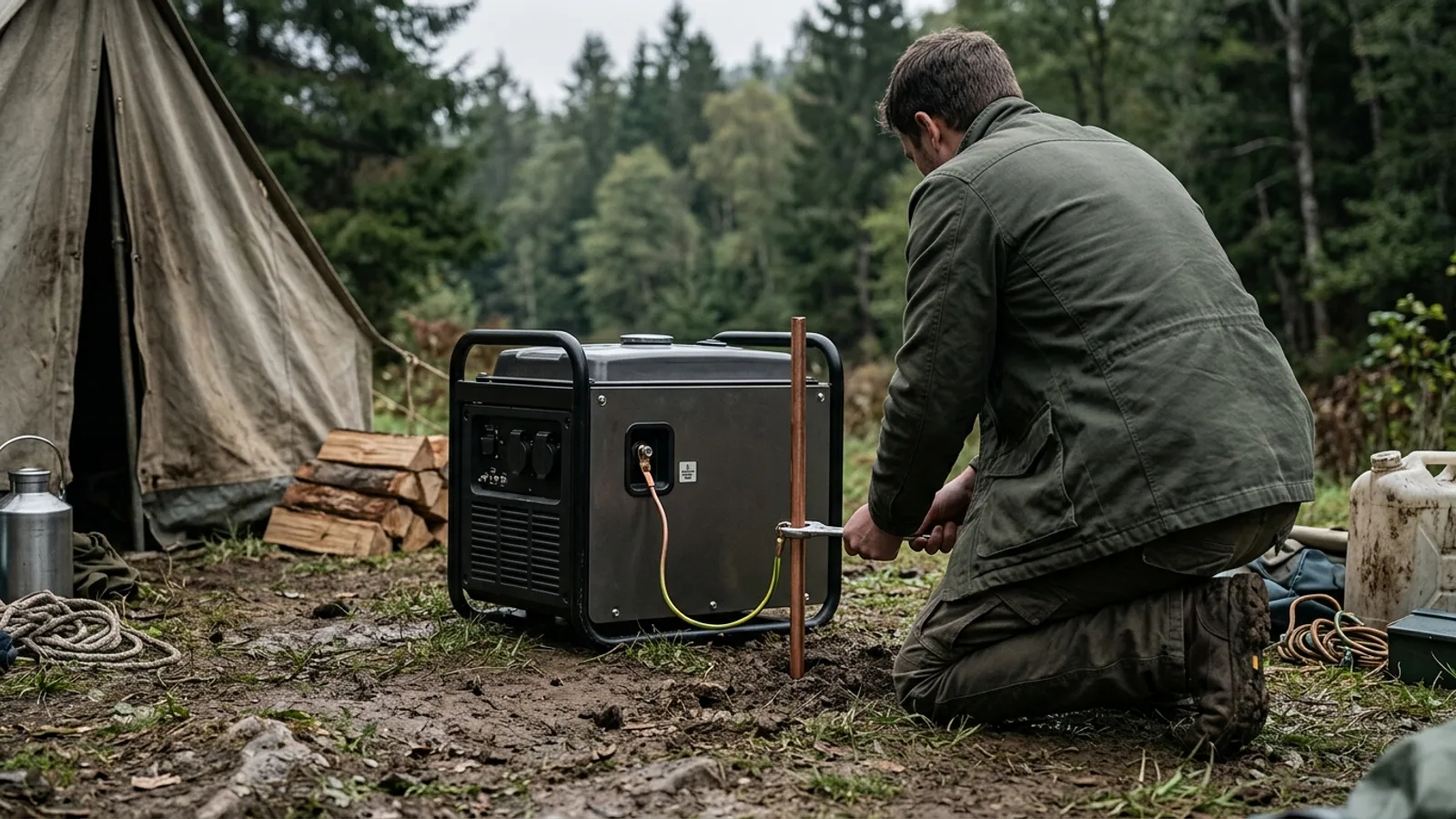
- Drive the grounding rod: Copper or copper-clad rods are typical. Drive the rod fully into the ground, leaving only a small portion exposed for the wire connection. Local electrical codes, where they apply, specify minimum depth.
- Connect the wire: Use bare copper grounding wire. Strip the insulation where needed and clamp or securely wrap it to the rod, then run it to the generator's grounding terminal (often marked with a bolt or a ground symbol).
- Secure the connection at the generator: With the generator off, attach the wire firmly to the designated grounding point on the frame.
- Inspect before use: Confirm every connection is tight and that the wire has no breaks. A loose or corroded connection defeats the purpose of grounding.
If you're not confident performing this yourself, an electrician or a generator dealer's service department can check your setup and confirm it's correct before you rely on it.
General Safe Operation Habits
Grounding is one part of safe generator use. A few other habits matter regardless of grounding status:
- Always run generators outdoors, far from tents, windows, and vents, to avoid carbon monoxide buildup.
- Keep the generator dry and off wet ground; use a canopy or generator tent rated for ventilation if rain is expected.
- Never plug a generator directly into a home or RV's electrical system without a proper transfer switch — doing so can endanger utility workers and damage equipment.
- Match the load to the generator's rated capacity to avoid overloading circuits.
- Let the generator cool before refueling to reduce fire risk.
When to Check the Manual or Ask a Professional
Because grounding requirements differ by generator design and by how you intend to use it, the manufacturer's manual is the most reliable source for your specific unit. If your camping setup involves connecting to a larger electrical system, or if you're unsure whether your generator is internally bonded, an electrician familiar with portable power equipment can confirm the correct setup before your trip.