Camping in National Parks: A Practical Guide
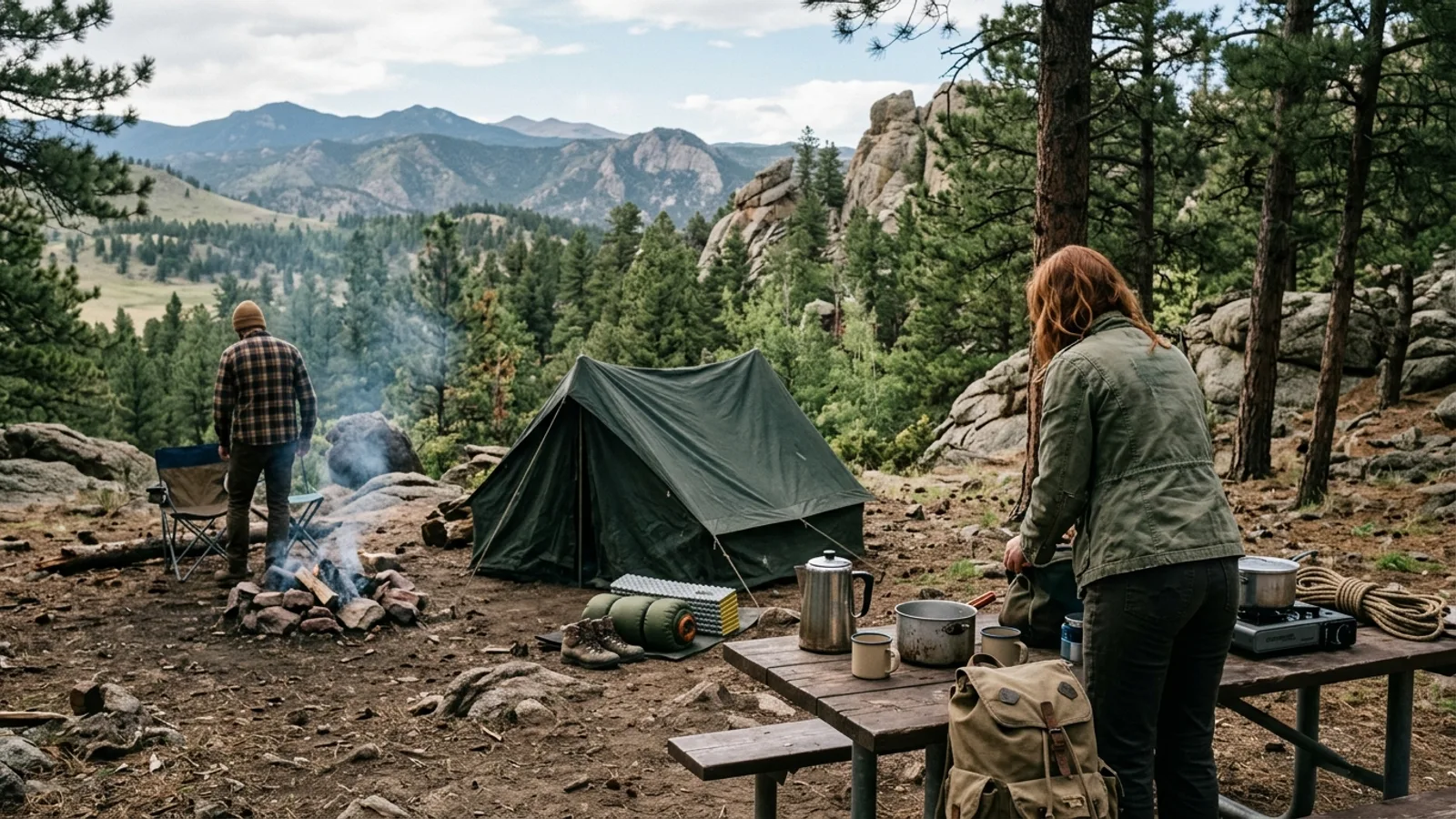
Essential Gear
A successful camping trip depends more on a handful of reliable items than on a long gear list. Focus on these categories:
- Shelter: A tent suited to the season and expected weather. Check it at home before you leave to be sure poles, stakes, and rainfly are all present and functional.
- Sleep system: A sleeping bag rated for the coldest temperature you expect, and a sleeping pad for insulation from the ground. Insulation from below matters as much as the bag itself.
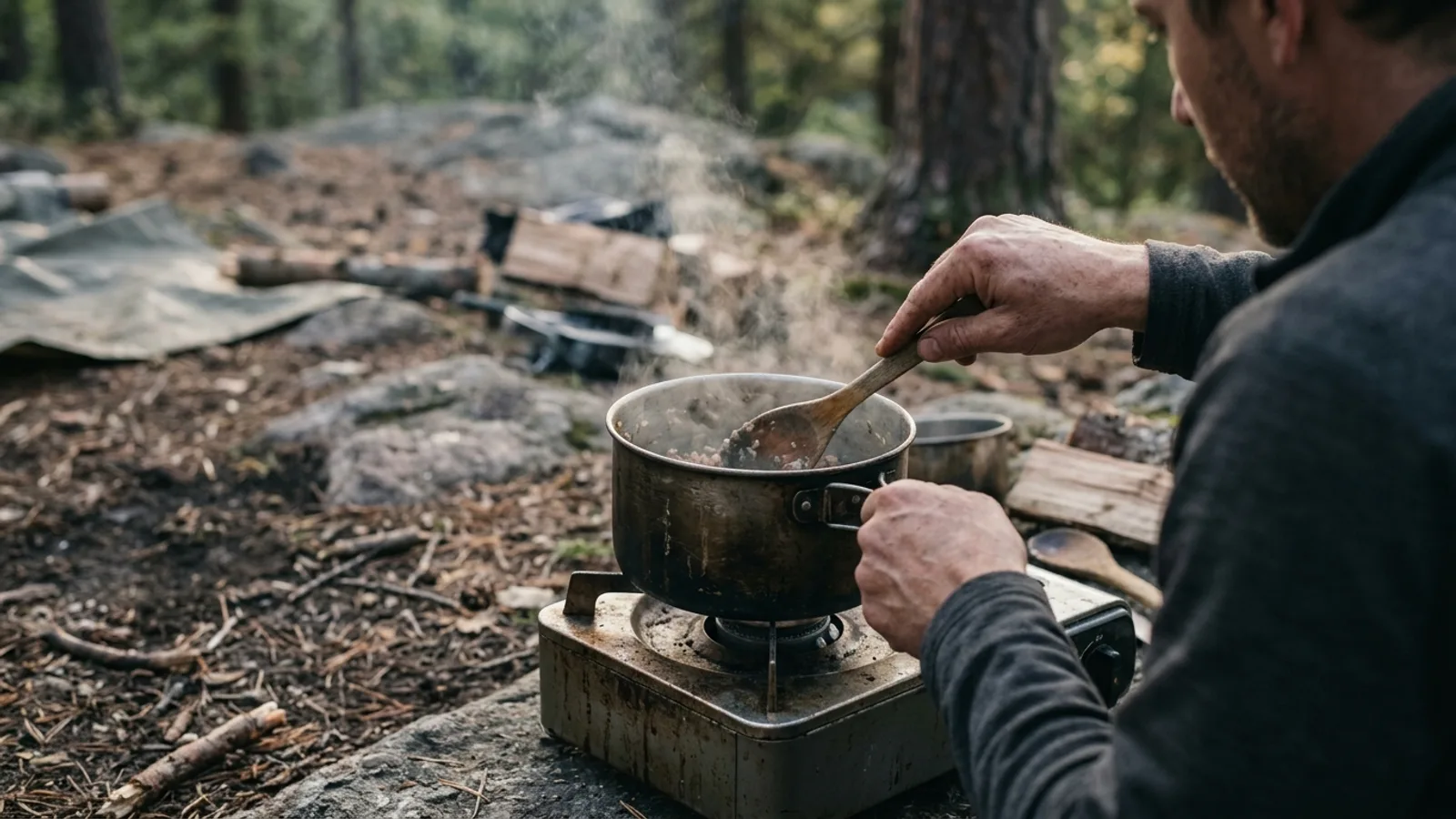
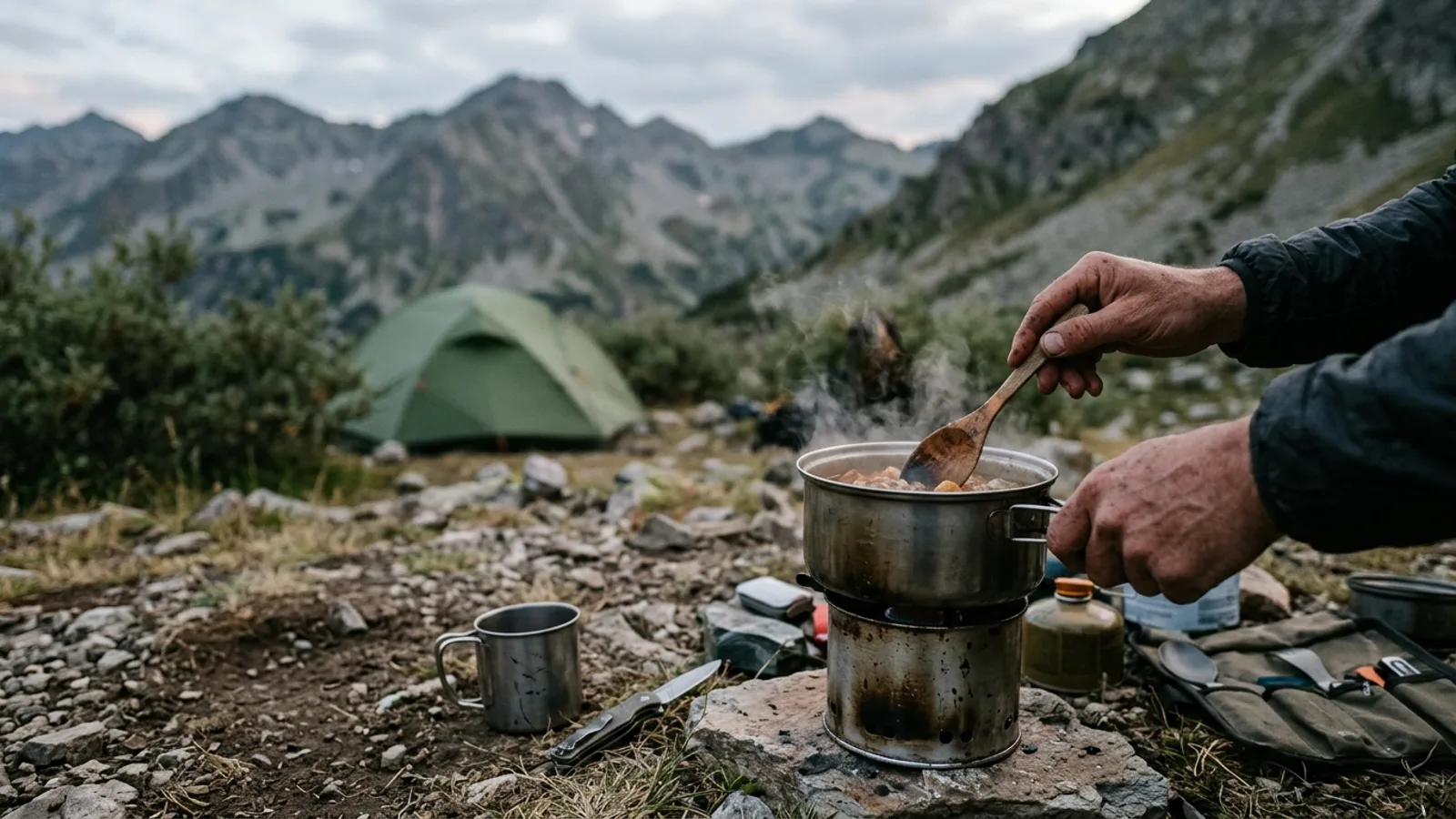
- Cooking setup: A portable stove, fuel, and simple reusable cookware. Bring a way to store food securely, since many parks require food to be kept away from wildlife, sometimes in bear-resistant containers.
- Lighting: A headlamp or two, plus spare batteries. Hands-free light is far more useful at a campsite than a flashlight.
- Clothing: Layers you can add or remove, including a moisture-wicking base layer, insulating mid-layer, and a waterproof outer shell. Weather in mountain and desert parks can shift quickly.
- Personal items: Sun protection, insect repellent, a first-aid kit, and biodegradable soap if you'll be washing near water sources.
- Seating and camp comfort: Foldable chairs or a camp table make meals and downtime easier, though they're not essential for a minimalist trip.
Packing and Trip Preparation
Good packing starts with knowing your site. Before you leave, check what the campground actually provides: potable water, restrooms, fire rings, and parking vary widely between sites, even within the same park.
Organize gear into functional groups, such as sleeping, cooking, and hygiene, so you can find things quickly and confirm nothing is missing. Packing cubes or labeled bins help keep a car or pack from turning into a jumble.
If you're missing a piece of gear, renting locally near the park is often more practical than buying something you'll rarely use again.
Plan meals around the number of nights you'll be out and how you'll store perishables. Simple, high-calorie foods that don't require refrigeration make cooking easier and reduce the amount of trash you need to pack out.
Check the weather forecast in the days leading up to your trip and again just before you leave. Mountain and desert parks in particular can have large temperature swings between day and night, so pack layers rather than a single heavy jacket.
Why Camp in a National Park
National parks protect some of the most distinct landscapes and ecosystems available to the public, and camping is the most direct way to experience them. Waking up near a trailhead or a quiet meadow gives you access to early morning light, wildlife activity, and cooler temperatures that day visitors miss.
Spending extended time outdoors, away from constant screens and noise, tends to leave people feeling calmer and more rested. Physical activity like hiking, setting up camp, and walking to viewpoints adds a natural layer of exercise to the trip without it feeling like a workout.
Camping also builds a slower, more attentive relationship with a place. You notice changes in light, weather, and animal behavior over a day or two in ways that a short visit doesn't allow.
Hiking in National Parks
Most national parks offer a range of trails, from short, flat interpretive walks to multi-day backcountry routes. Trail signs and visitor center staff can help you gauge difficulty using distance, elevation gain, and terrain type.
Choose a trail that matches the fitness and experience of the least experienced person in your group. It's easier to add distance later than to turn back partway through an overly ambitious route.
Hiking Safety Basics
- Share your plan: Tell someone outside your group which trail you're taking and when you expect to return.
- Check conditions: Weather, trail closures, and water levels can change quickly, especially at elevation or near rivers.
- Acclimate to altitude: If you're hiking somewhere notably higher than what you're used to, give your body a day or two to adjust before attempting strenuous routes.
- Carry the basics: Water, food, a map or downloaded offline route, a way to treat water, and a basic first-aid kit are worth carrying even on short hikes.
- Yield appropriately: On narrow trails, hikers moving uphill generally have the right of way since they're working harder to maintain momentum.
- Respect wildlife: Keep a safe distance from any animal you encounter, and never approach or feed wildlife. Store food properly at all times, not just overnight.
Pace yourself by time as well as distance. Turning around when you're halfway through your allotted time, rather than pushing to a fixed destination, is a simple way to avoid getting caught out after dark.
Health Benefits of Time Outdoors
Regular walking and hiking support cardiovascular health and general fitness, and camping trips naturally build in more movement than most daily routines. Being outdoors in natural light and fresh air also tends to support better sleep once you settle into camp life for a few days.
Many people report reduced stress and an improved mood after time spent in natural settings. Trading constant notifications and screens for the sounds and sights of a forest, desert, or mountain landscape gives the mind a genuine break.
This isn't unique to adults. Kids often show improved focus and mood after unstructured time outdoors, making a camping trip a worthwhile break from routine for the whole family.
Choosing a Campsite
When picking a site within a park, consider your priorities: proximity to trailheads, availability of water and restrooms, tree cover, and distance from other campers if quiet is a priority. Reservation systems for many parks fill up well in advance, especially during peak seasons, so book as early as your plans allow.
If you prefer flexibility, look into first-come, first-served sites or dispersed camping options where permitted, though these often come with fewer amenities and require more self-sufficiency.
Regardless of site type, follow Leave No Trace principles: pack out all trash, use established fire rings only where fires are permitted, and camp at least the recommended distance from water sources to protect fragile riparian areas.
Final Trip Considerations
Before you go, confirm any permits required for your campsite or backcountry route, check current fire restrictions, and review the park's guidance on food storage and wildlife encounters specific to that ecosystem, since requirements vary between desert, forest, and alpine parks.
A little preparation on gear, route, and site selection goes a long way toward making a national park camping trip both safe and memorable.