RVing for Beginners: A Practical Guide to Buying, Driving, and Living in an RV
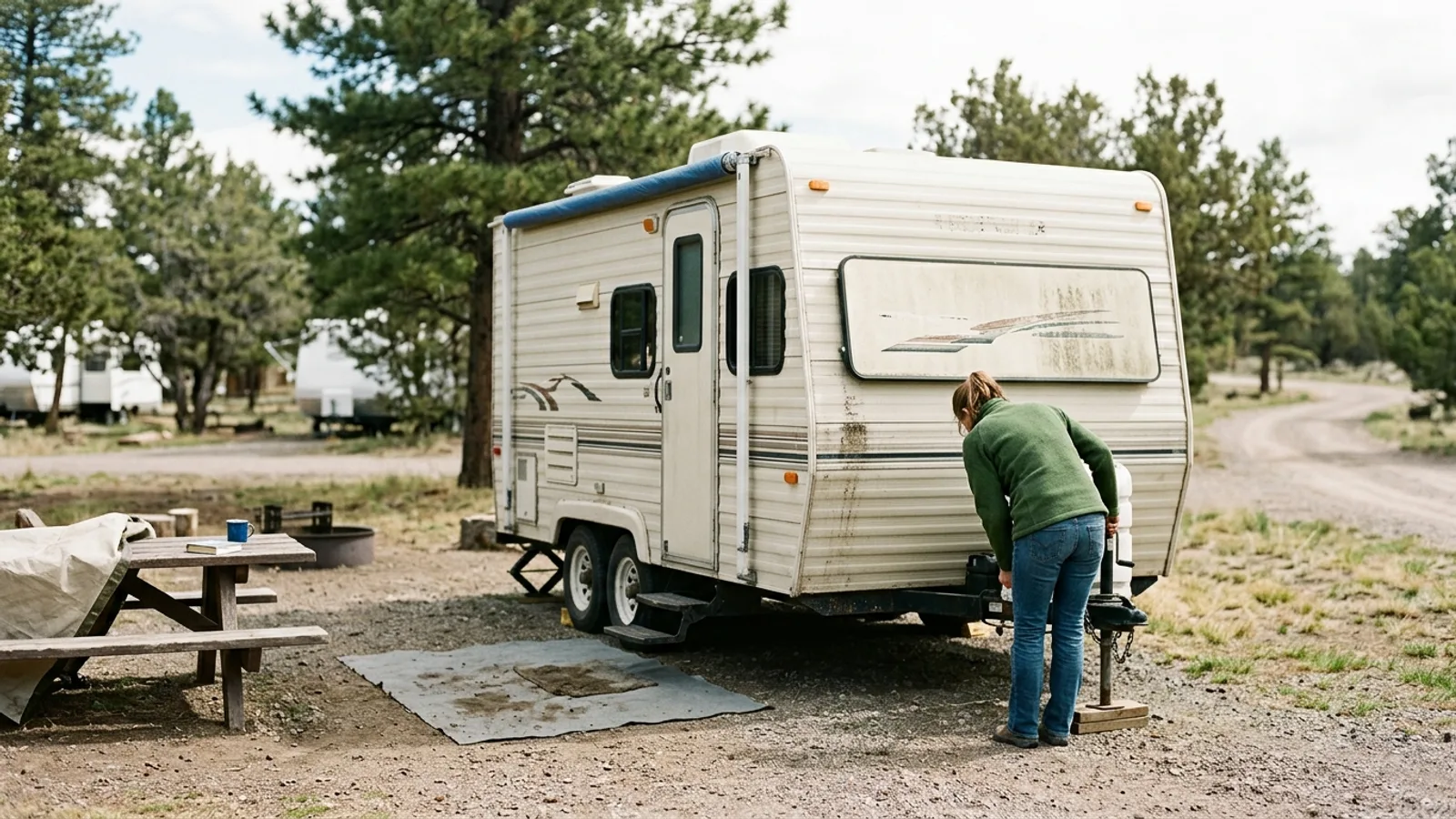
RV travel rewards preparation. Most first-trip frustrations come from a handful of predictable issues — an unfamiliar vehicle, a late arrival at camp, or not knowing how a campground actually works. This guide covers what matters most for a beginner, from choosing an RV to living comfortably in one.
Choosing the Right Type of RV
RVs generally fall into two categories: motorized and towable. Motorized RVs (often grouped into classes based on size and layout) combine the vehicle and living space, so you drive one unit and have no separate tow vehicle to park. Towable RVs, such as travel trailers and fifth wheels, are pulled by a separate truck or SUV, which means you keep a regular vehicle free for errands once you're set up at a site.
The right choice depends on how you'll use it. Frequent movers often prefer something easier to maneuver and park. People who plan to stay put for stretches of time and explore locally may prefer a towable, since they can unhitch and use the tow vehicle separately.
Before buying, consider renting different types for a trip or two. A weekend or week of real use reveals far more about your preferences than a walkthrough at a dealership. Pay attention to how you feel driving or towing it, how the layout works for your daily routines, and whether the storage and sleeping arrangements suit your household.
When comparing specific units, focus on layout, storage capacity, holding tank sizes, and ease of leveling and hookup. It's often worth choosing something with slightly more space or capacity than your current needs, since travel styles and group sizes tend to change over time.
Learning to Drive or Tow an RV
An RV handles differently from a standard car or truck, and the biggest adjustments are size, turning radius, and stopping distance.
Before your first real trip, spend time practicing in an empty parking lot or other open area. Get a feel for acceleration, braking, and turning. Practice backing up slowly and using your mirrors, since rear visibility is limited or nonexistent in most RVs.
Because RVs are longer and wider than typical vehicles, turns need to be wider to keep the rear of the vehicle clear of curbs, signs, and other obstacles. Watch your mirrors through every turn rather than relying on a single glance beforehand.
Know your RV's exact height and length before you leave home, and keep that information visible in the cab. Low bridges, parking garages, and drive-through spots can cause serious damage if you misjudge clearance. Route planning tools designed for larger vehicles can help you avoid roads with low clearances, weight limits, or tight turns.
RVs have a higher center of gravity than cars, which affects handling in wind and on curves. Drive at a moderate speed, leave extra following distance, and give yourself more time and space to stop or change lanes than you would in a car. If towing, get comfortable with how the trailer behaves in traffic and at highway speeds before attempting mountain roads or heavy traffic.
If you're new to towing or driving a large vehicle, a hands-on driving course or a lesson with an experienced friend can shorten the learning curve considerably.
Preparing for Your First Trip
Try to schedule arrival at your campsite before dark. Setting up a site — leveling the RV, connecting utilities, arranging outdoor gear — is far easier and less stressful in daylight, and it reduces the chance of tripping over hoses or cords you can't see.
Build a checklist you reuse every trip. It should cover leveling blocks, wheel chocks, hoses and adapters for water and electric hookups, basic tools, and anything specific to your RV's systems. A written list catches the small items that are easy to forget after the excitement of packing the big ones.
Apps built specifically for RV travel can help with route planning, campground search, and finding services along the way. General mapping apps aren't always aware of height, weight, or width restrictions, so it's worth using tools meant for larger vehicles when planning a route.
Campground Etiquette
Campgrounds are shared spaces, and small courtesies make a real difference. Keep noise low during quiet hours, and be mindful of how much light and sound carries between sites, especially with generators or outdoor speakers.
Respect the space around your site and others'. Ask before walking through an occupied site, and keep pets contained and cleaned up after.
Dispose of waste correctly. Use designated dump stations for sewage, and never empty tanks anywhere else. Put garbage in provided receptacles rather than leaving it out, which can attract wildlife.
Follow the specific rules of each campground, since they vary by location and management. When in doubt, ask a host or staff member rather than guessing.
Basic RV Maintenance
Routine maintenance prevents most of the expensive problems RV owners encounter. A few habits go a long way:
- Inspect seals and seams around the roof, windows, and doors periodically. Small gaps let water in, and water damage is one of the costliest issues to repair.
- Check tire pressure and condition before every trip. Tires that sit unused for long stretches can lose pressure or develop weak spots, and proper inflation matters for handling and fuel efficiency.
- Inspect propane systems, awnings, and slide-outs regularly, and address anything that seems stiff, loose, or worn before it becomes a bigger problem.
- Use a pre-departure and post-trip checklist to catch issues early — loose hardware, low fluid levels, or a door seal that's starting to fail.
Addressing small issues promptly is almost always cheaper and easier than waiting for them to become large ones. Treat routine inspection as part of normal RV ownership, not an optional extra.
Organizing Space Inside an RV
Interior space in an RV is limited, so organization has an outsized effect on comfort. A few practical approaches:
- Use stackable containers and adjustable shelving to make use of vertical space in cabinets and closets.
- Keep frequently used items — cooking tools, toiletries, outdoor gear — within easy reach, and store rarely used items in harder-to-access spots.
- Use drawer dividers to keep utensils and small tools from sliding around while driving.
- Choose compact or collapsible kitchen gear where possible, since it packs down when not in use.
- Wall-mounted or magnetic storage keeps counters and drawers clear for items like spices, knives, or tools.
- Periodically go through your pantry and storage areas and remove what you no longer use. Clutter builds up quickly in a small space.
Getting Comfortable with the Lifestyle
The learning curve for RVing is real but short. Most of it comes down to practice: driving the vehicle enough to feel natural, learning your rig's specific systems, and getting a feel for how campgrounds work. Give yourself permission to make small mistakes on early trips — nearly everyone does, and they become the stories you tell later. Preparation and a willingness to learn as you go will get you further than any amount of research done in advance.