Long-Term RV Living in Las Vegas: A Practical Guide
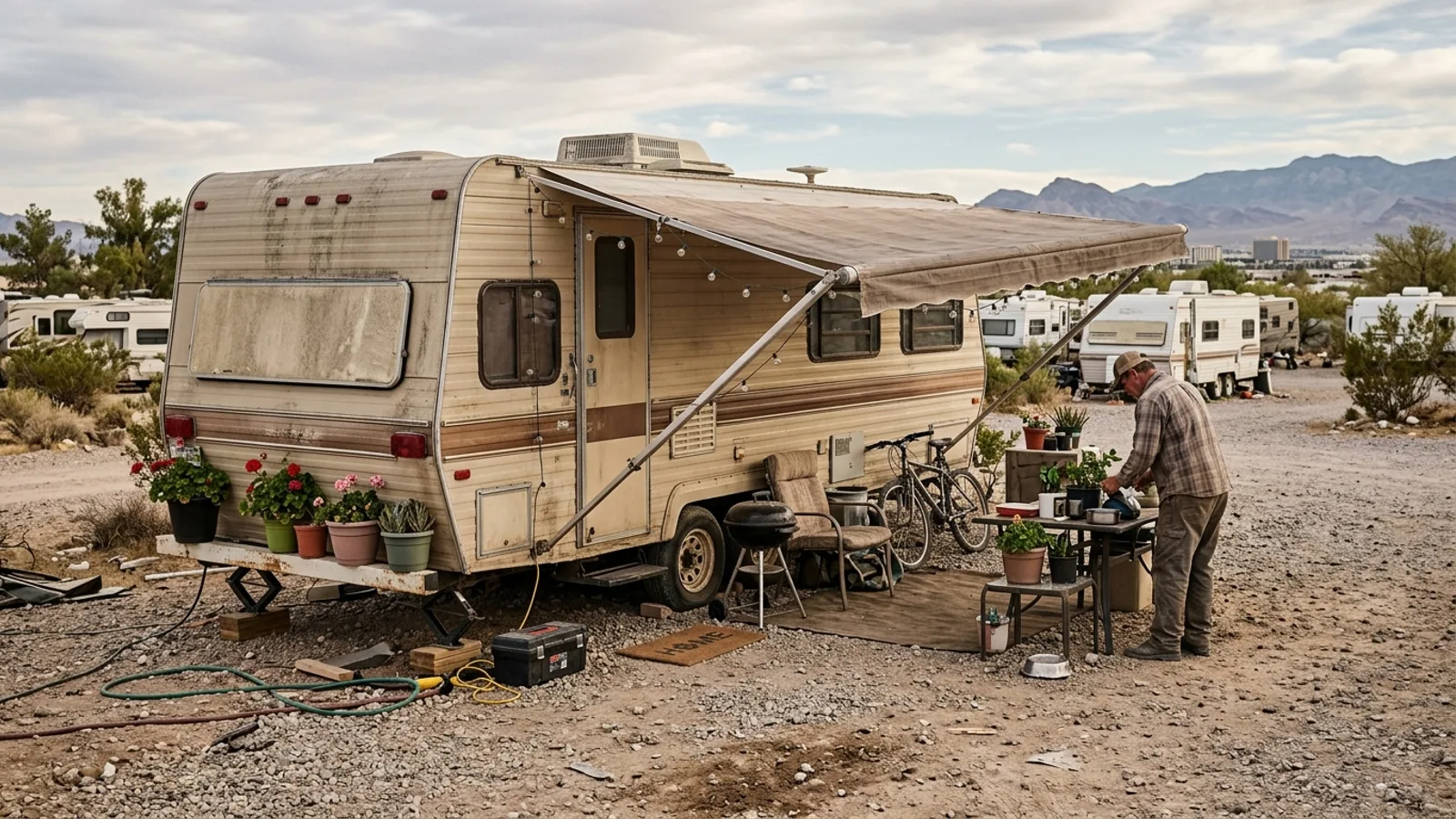
Las Vegas has a large year-round RV population, drawn by mild winters, a relatively low cost of living compared to nearby California, and a wide range of parking options. Anyone planning to live in an RV here for weeks or months rather than a single night should think through location, hookup type, heat management, and how a park handles long-term guests before signing a monthly agreement.
Understanding Your Location Options
Broadly, long-term RV parking in the Las Vegas area falls into a few categories: lots attached to casinos or hotels, independent parks in residential or industrial areas, higher-end RV resorts aimed at motorcoach owners, and campgrounds in smaller towns outside the city that offer a quieter, more spread-out setting.
Each has real tradeoffs. Casino-adjacent lots put you close to entertainment, dining, and often shared pool or fitness facilities, but they can be noisy and are usually built for turnover, not full-time residency. Stand-alone parks tend to be quieter and more residential in feel, often with better long-term rates and stronger community among full-timers. Resort-style properties emphasize amenities and rig size accommodation but come at a premium and may have age or rig-length restrictions. Parks outside the city limits trade some convenience for lower density, more space between sites, and often better prices.
What to Check Before Booking Long-Term
- Hookups: Confirm the park offers full hookups (water, sewer, and electric) if you plan to stay put for an extended period, and check the electrical amperage matches your rig's needs — desert summers put heavy demand on air conditioning.
- Monthly policies: Ask specifically about long-term or monthly rates, minimum stay requirements, and whether there's a waiting list, since many parks prioritize short-term guests during high season.
- Rig size and age restrictions: Some parks limit site access based on rig length or age of the RV. Confirm this before making the trip.
- Shade and heat protection: Las Vegas summers bring extreme heat. Sites with tree cover, covered patios, or proximity to shade structures make a meaningful difference in comfort and in how hard your AC has to work.
- Noise and location: Casino-adjacent and Strip-proximate lots can have traffic noise and light pollution around the clock. If quiet is a priority, ask current residents or read recent reviews before booking.
- Mail and utilities setup: For extended stays, ask how the park handles mail delivery, package acceptance, and whether metered utilities are billed separately from the site fee.
Life in the Desert: Practical Considerations
Summer temperatures regularly climb into the range where RV air conditioning runs continuously, and tire pressure, propane tanks, and battery performance can all be affected by heat. Awnings, reflective window coverings, and skirting (where allowed) help reduce interior heat gain and protect components from direct sun.
Water usage matters too — some parks in the region have restrictions or guidelines around outdoor water use given the desert climate, so it's worth asking about policies on washing rigs or maintaining any personal landscaping around a site.
Dust storms occur periodically, especially in spring, and can affect visibility and air quality. Keeping slide-out seals and awnings in good repair reduces dust intrusion.
Choosing Between City and Outskirts
Staying closer to the city center means shorter drives to grocery stores, medical care, and entertainment, but sites tend to be tighter and pricier. Parks in surrounding towns or unincorporated areas often provide more space per site and a quieter atmosphere, at the cost of a longer commute for errands or work. If you plan to explore the wider region — nearby canyons, lakes, and desert preserves — a location on the edge of the metro area can put you closer to trailheads and open landscape while still being a reasonable drive from urban amenities.
Questions Worth Asking Any Park Directly
- Is there a resident manager or on-site staff during long-term stays?
- What's the process if I need to leave temporarily and return to the same site?
- Are pets allowed, and are there breed or number restrictions?
- Is there a limit on how long a vehicle can be parked outside the RV itself?
- What security measures are in place, especially for extended absences?
Final Considerations
Long-term RV living in Las Vegas works well for people who want warm winters, access to a major city, and flexibility in where they park month to month. The right choice depends heavily on personal priorities — proximity to entertainment versus quiet, resort amenities versus affordability, and city convenience versus desert space. Visiting a park in person, or at least speaking with current long-term residents, before committing to a monthly stay is the most reliable way to know whether it will suit your lifestyle.