How to Get Rid of Mouse Smell in an RV (and Keep Mice Out for Good)
Why RVs Attract Mice
An RV sitting in storage or parked at a campsite looks a lot like a den to a mouse: it's dry, insulated, quiet, and often has small food scraps left behind after a trip. Mice are also built for the job. They can flatten their bodies to fit through gaps roughly the width of a pencil, and they're strong climbers, using tires, jacks, hitches, and utility cords as ladders up to the underside of the vehicle.
Once inside, they chew insulation and wiring for nesting material, leave droppings and urine in wall cavities and cabinets, and that urine is the main source of the persistent "mouse smell" many owners notice long after the mice themselves are gone.
Common Entry Points
- Door and window seals that have shrunk, cracked, or pulled away from the frame.
- Roof and side vents, especially if the screening behind the louvers is torn or missing.
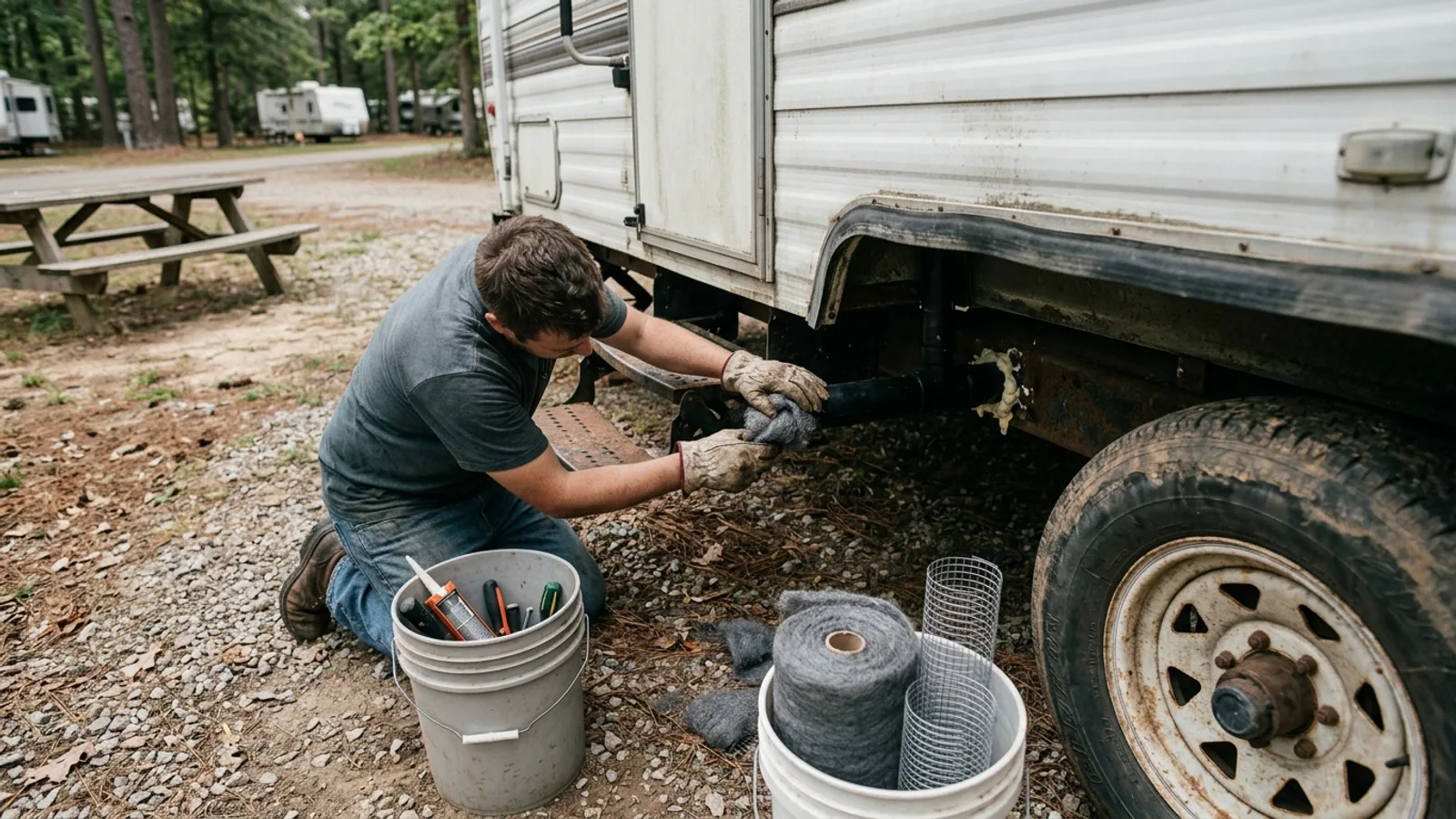
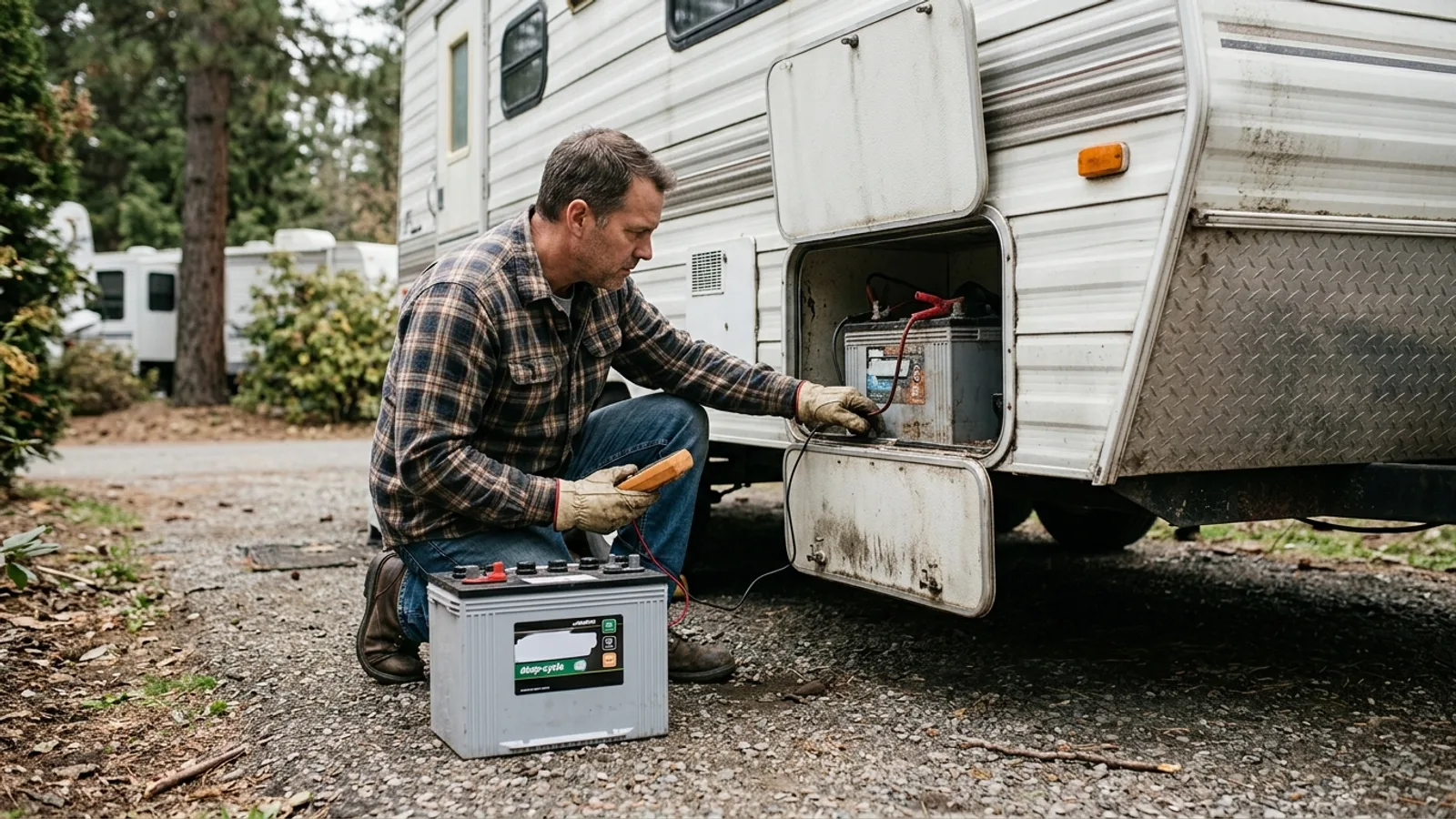
- Utility pass-throughs where water lines, electrical cables, propane lines, or slide-out mechanisms enter the chassis.
- Gaps around the frame near axles, wheel wells, and storage bay doors.
Walk the entire exterior with a flashlight and look for daylight, gaps, or chew marks. Anything a pencil can slide into is worth sealing.
Sealing and Blocking Entry
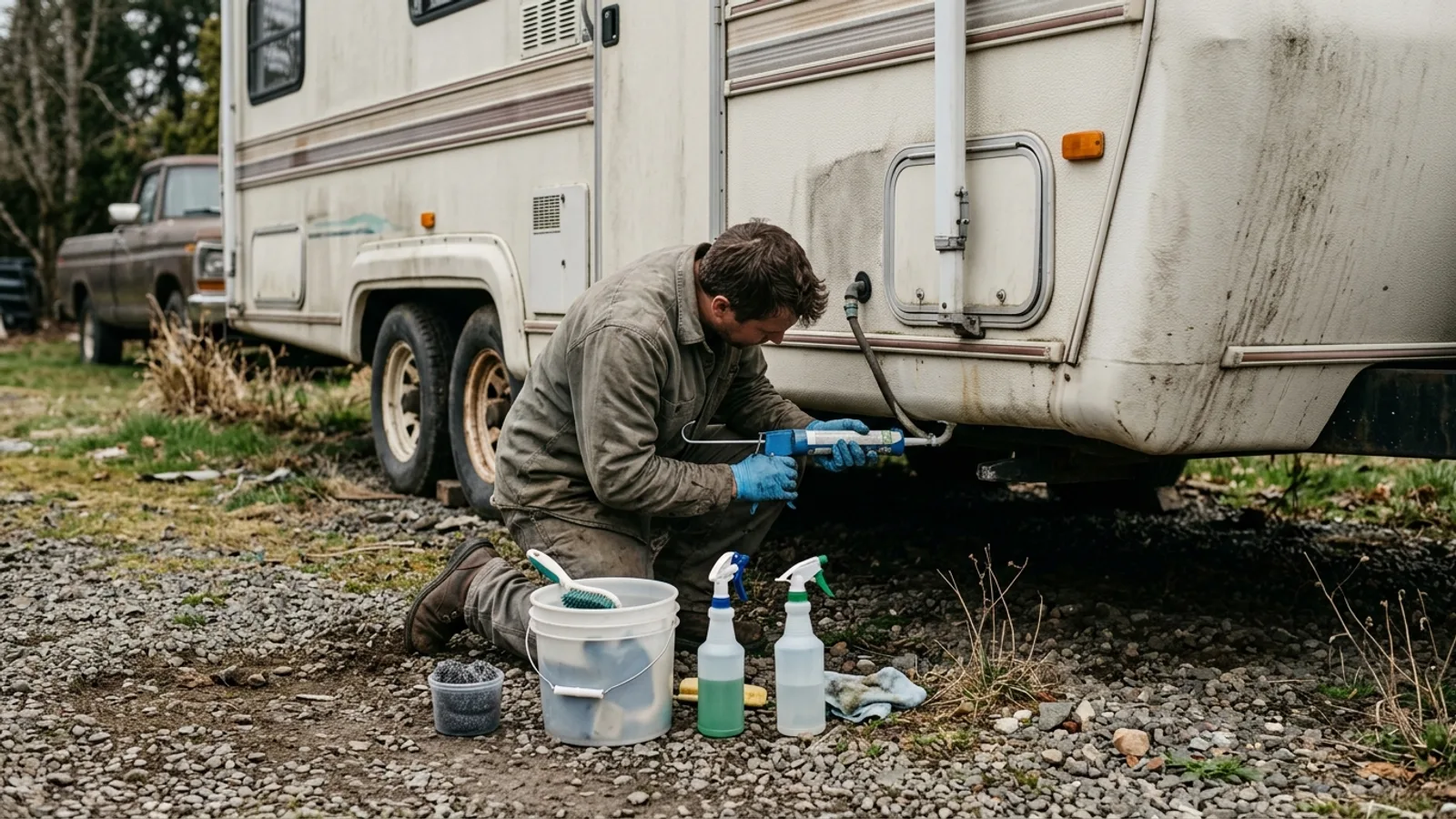
Steel wool or copper mesh packed into small gaps works well because mice can't chew through metal easily. For larger gaps, expanding foam or exterior-rated caulk holds up over time and resists weather. Pay particular attention to where cables and hoses pass through the floor or walls — pack the space around them, not just over them.
A smooth metal collar or guard around the base of jacks and landing gear can also help, since it removes the traction mice rely on to climb.
Removing Mouse Odor
Odor removal starts with a thorough cleaning, not just masking the smell. Wearing gloves and a mask, remove visible droppings and nesting material with a damp paper towel rather than dry sweeping, which can stir up dust. Wipe down the affected surfaces with a solution of water and mild detergent, or diluted white vinegar, then let the area dry completely and air out with the windows open.
Baking soda or activated charcoal left in an open container for a few days can help absorb residual odor in cabinets or closed compartments. If the smell persists after cleaning, it often means urine has soaked into fabric, foam cushioning, or subfloor material that may need to be replaced rather than cleaned.
Good airflow matters as much as any product. Vent the RV whenever possible and avoid sealing it up tightly for long stretches, which lets moisture and odor build up.
Deterrents That May Help
Strong scents like peppermint oil, cayenne, or dryer sheets are commonly used to make an RV less appealing to mice. These can be a reasonable supplement to sealing gaps, but scent-based deterrents fade quickly and rarely work well on their own — treat them as one layer of defense, not a substitute for blocking entry points.
Ultrasonic devices are another supplemental option some owners use, though their effectiveness is inconsistent and mice can adapt to sound over time.
Trapping Mice Already Inside
If mice have already gotten in, traps are the most reliable way to deal with them. Snap traps and catch-and-release traps are both common choices — the decision often comes down to personal preference rather than one being clearly more effective than the other.
Place traps along walls and in corners, since mice tend to travel close to edges rather than across open floor space. Check traps regularly. If using a catch-and-release trap, release the mouse well away from the RV so it doesn't simply return.
Always follow the safety instructions on any trap, and wash your hands thoroughly afterward.
Everyday Prevention
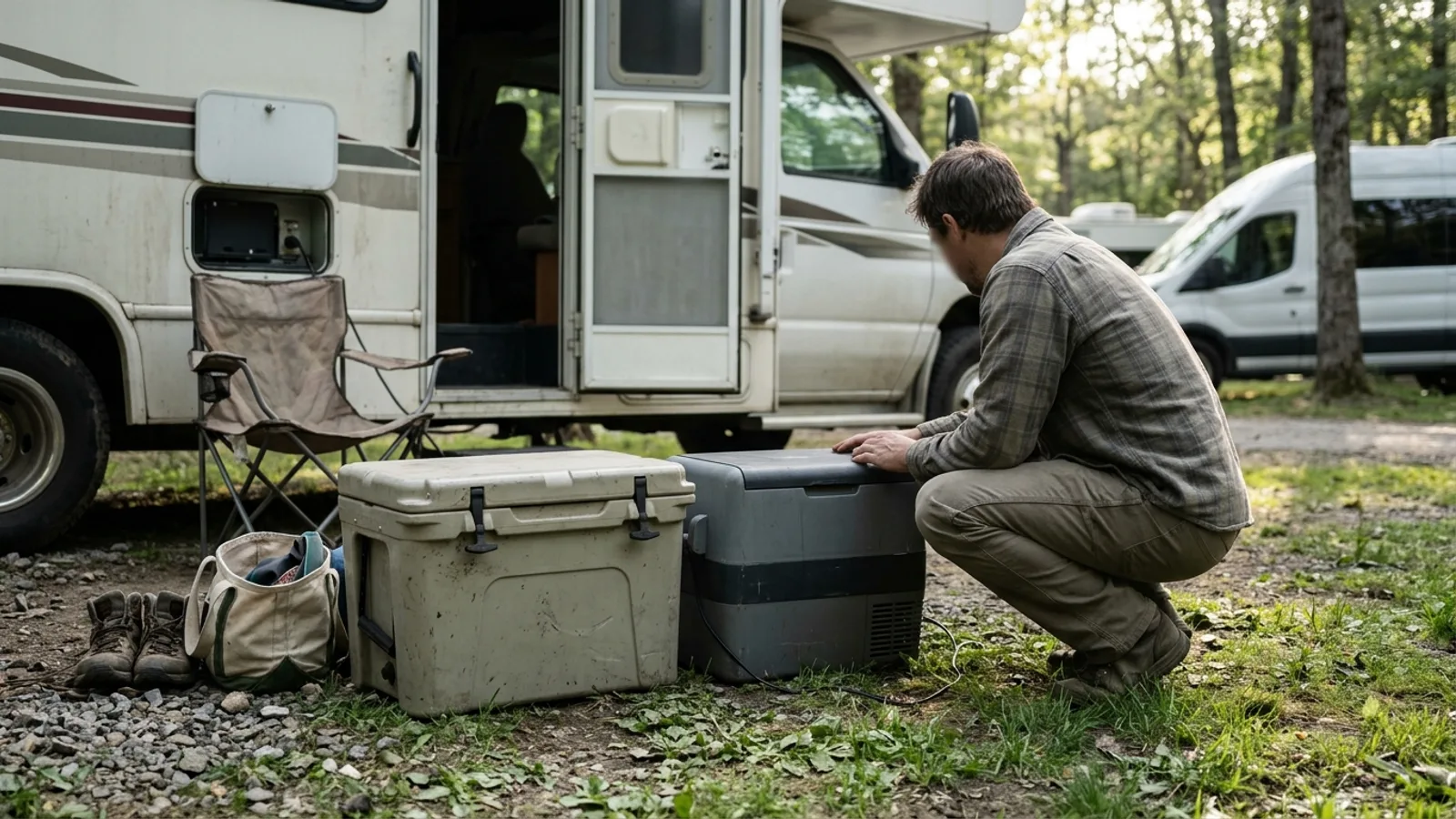
- Store all food, including pet food, in hard-sided, sealed containers rather than bags or boxes.
- Clean up crumbs and spills promptly, and avoid leaving dishes out overnight.
- Reduce clutter in cabinets and storage bays, since mice prefer tight, undisturbed spaces to nest.
- Inspect seals, vents, and utility pass-throughs on a regular schedule, not just once.
- When parking for an extended stay, leave some distance between your RV and dense brush, woodpiles, or other vehicles that could give mice an easier path in.
Before Every Trip
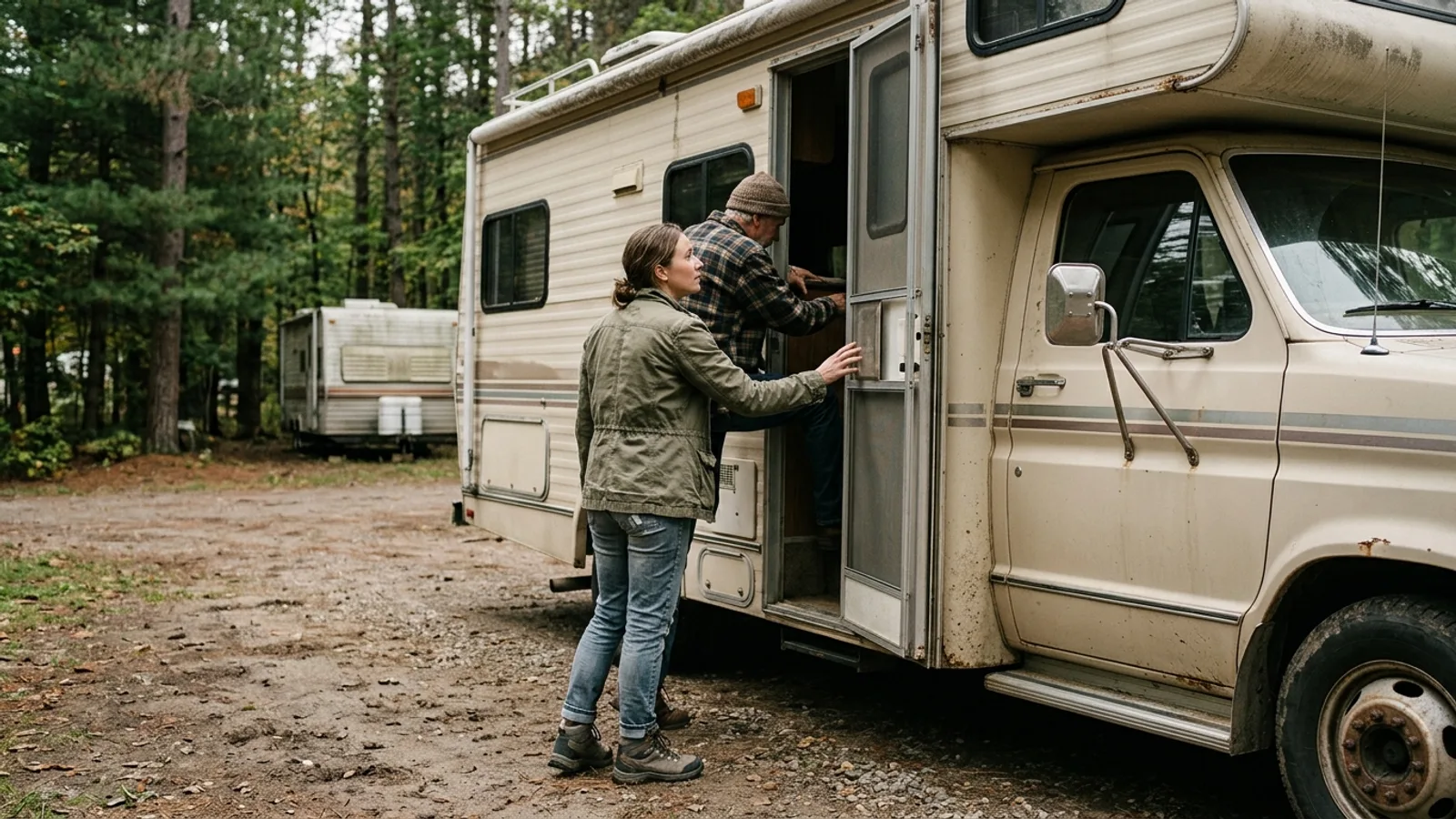
Before heading out, do a quick walk-through of storage areas and cabinets, looking for droppings, gnaw marks, or nesting material. Catching a problem early, before mice settle in and start reproducing, makes both cleanup and odor removal far easier.