Choosing an RV for Full-Time Living: A Practical Guide
Start With How You'll Actually Live
Before looking at any specific rig, think through your daily routine. Do you work from the road and need a dedicated desk? Do you cook real meals or mostly eat out? Are you traveling solo, as a couple, or with kids and pets? These answers matter more than any brand or floorplan diagram, because full-time living means every square foot gets used every day, not just on weekends.
Consider how often you plan to move. Full-timers who relocate every few days want something quick to set up and break down. Those who plan to stay put for weeks or months at a time can prioritize space and comfort over ease of towing or driving.
Drivable vs. Towable: The Core Decision
Every RV falls into one of two broad categories, and this choice shapes almost everything else.
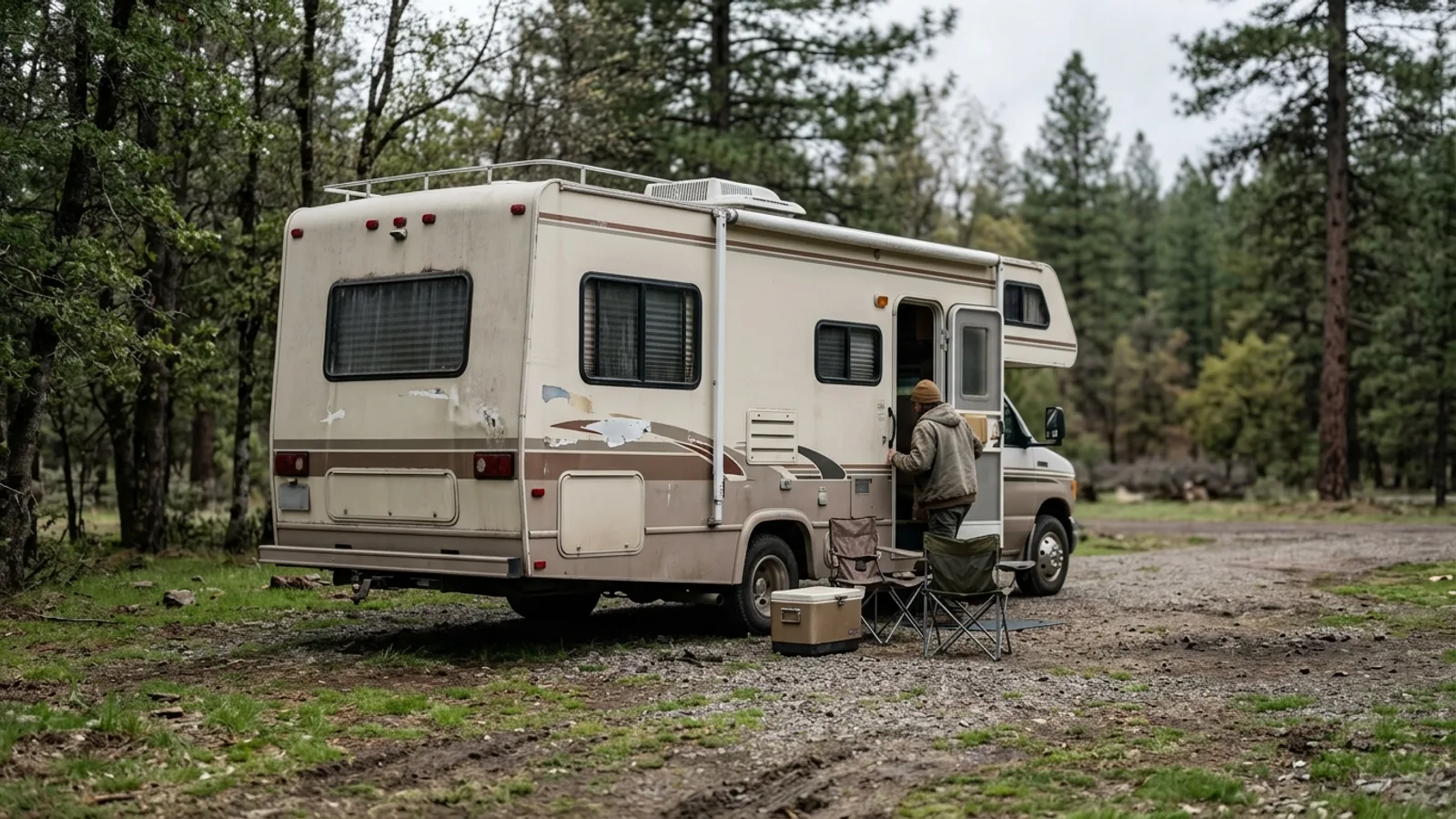
Drivable motorhomes (commonly grouped into classes based on size and chassis) let you move from the driver's seat without unhooking anything. This makes short errands and travel days simpler, since your living space and your vehicle are one unit. The tradeoff is that once you're parked, you often need a separate vehicle for local driving, or you tow a small car behind you.
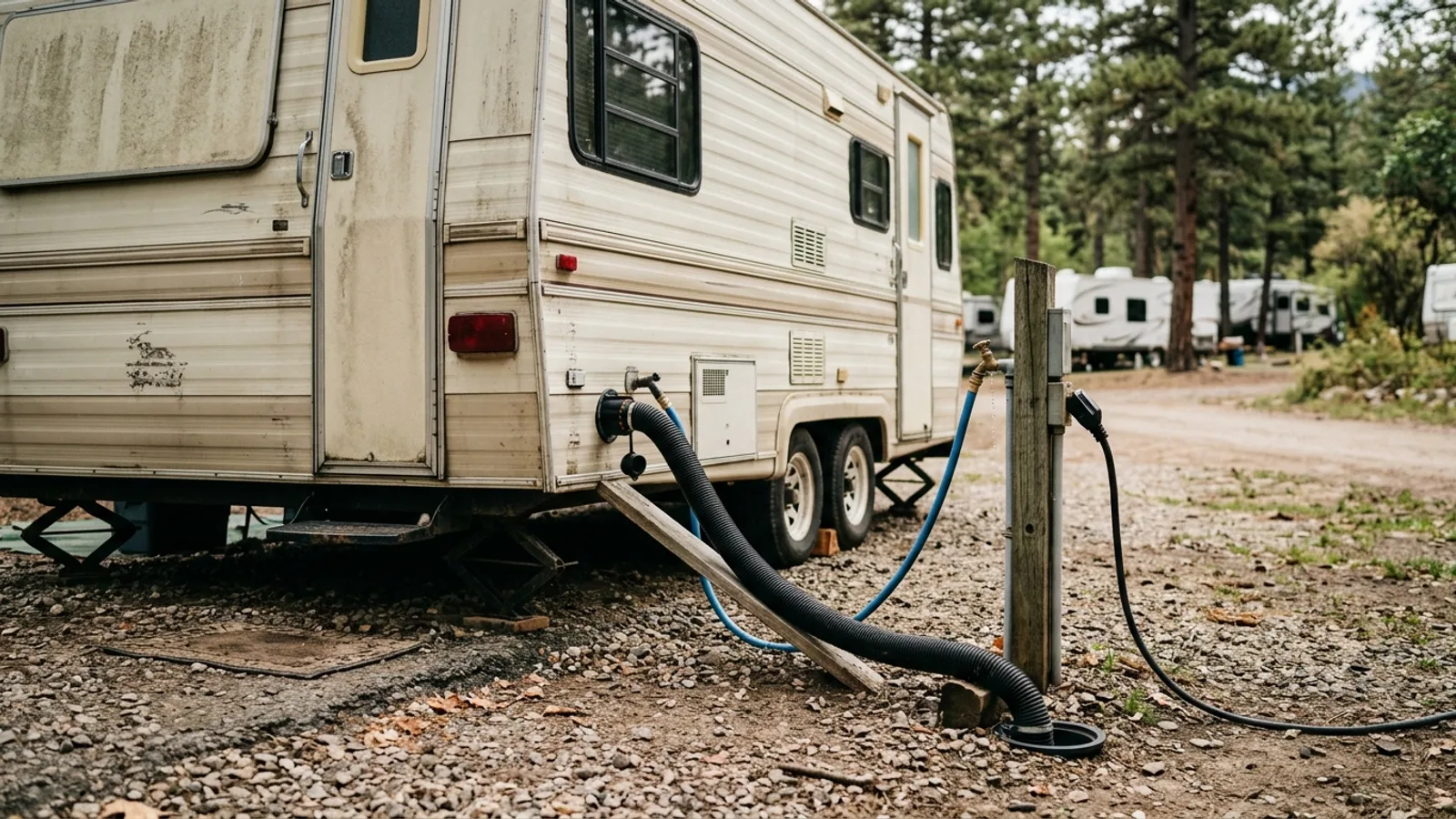
Towable RVs — trailers and fifth wheels — are pulled by a separate truck or SUV. When you arrive at a site, you unhook the trailer and use the tow vehicle freely for groceries, sightseeing, or exploring nearby trails. This flexibility is a major reason many full-timers prefer towables, especially if they already own a capable tow vehicle. The tradeoff is the extra step of hitching, leveling, and unhitching each time you move.
Neither type is inherently better for full-time living. The right choice depends on whether you value the convenience of one integrated unit or the flexibility of detaching your living space from your transportation.
Size and Layout
Bigger is not automatically better. Larger rigs offer more storage and separate living zones, which helps families or anyone who works from home. But they also limit where you can park — many national and state park campgrounds have length restrictions, and tight forest or mountain roads can be difficult or impossible for very long rigs.
If you plan to visit public lands with narrow access roads or older campground loops, a shorter or more maneuverable RV opens up far more options. If you'll mostly stay in larger commercial campgrounds or long-term sites, extra length is less of a constraint.
Walk through any floorplan you're considering and picture your actual routine in it: where you'll cook, where you'll work, where wet gear or bikes will go, and how much separation you need between sleeping and living areas. A layout that looks spacious in photos can feel cramped once it's filled with the belongings of daily life.
Towing and Power Considerations
If you're leaning toward a towable RV, match it to a tow vehicle rated for its weight when loaded with water, gear, and supplies — not just its empty weight. Towing capacity listed for a vehicle is a maximum, not a comfortable everyday number, so leaving margin matters for control and safety, especially in wind or on grades.
For power, most RVs run on a mix of onboard battery storage, a generator, and shore power hookups at campgrounds. Solar panels can extend how long you go without needing a hookup or generator, which matters if you plan to camp in more remote or undeveloped settings. Think about how often you expect to be off-grid versus plugged into full hookups, since that affects how much battery and solar capacity is worth carrying.
Test Before You Commit
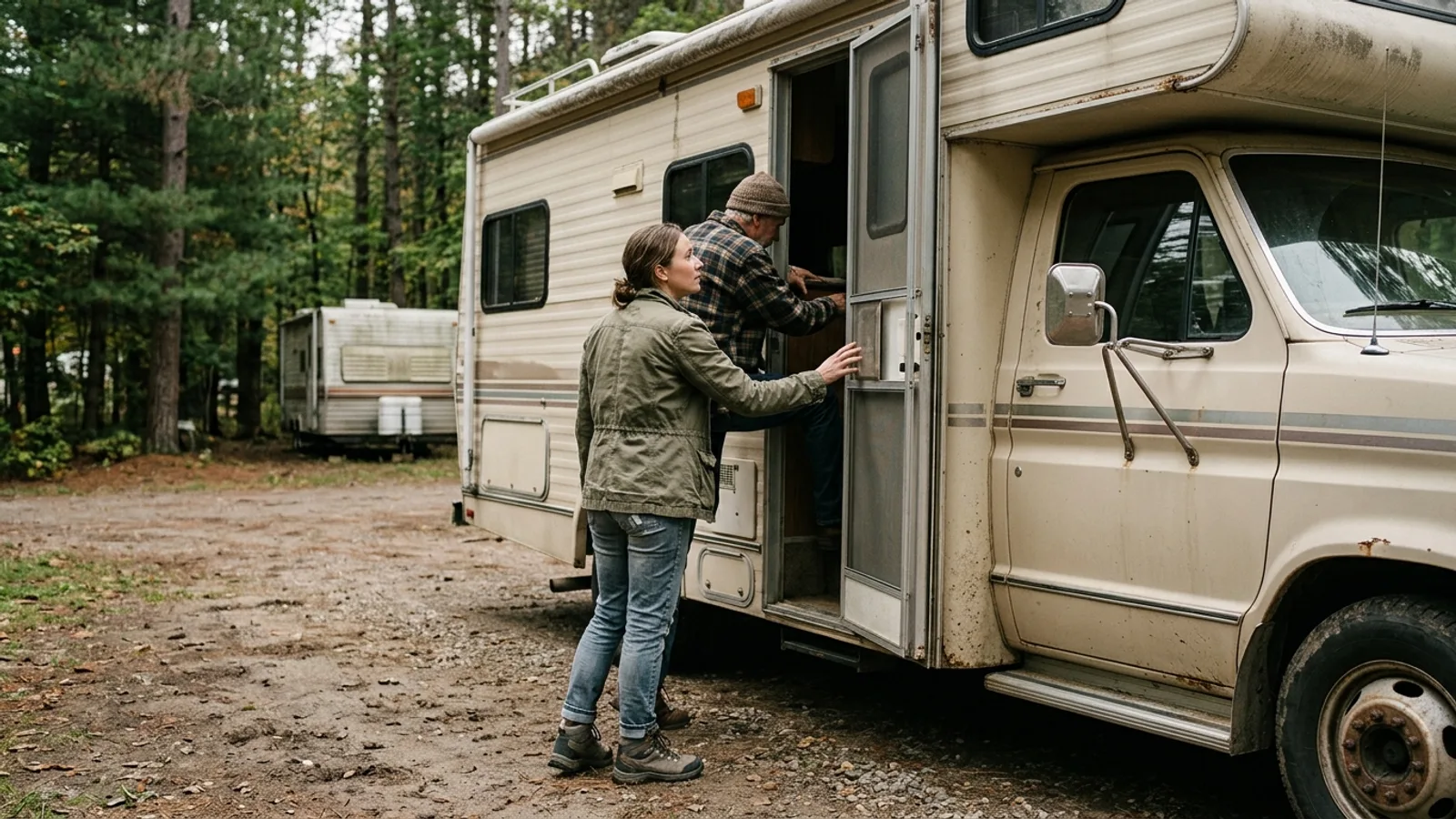
Specifications on paper rarely capture how a rig feels in daily use. Walk through units in person, open every cabinet and storage bay, and sit in the driver's seat if it's a motorhome. If possible, spend a night or a weekend in a similar layout before committing — many campgrounds and rental services make this possible. Talk to people who are already living full-time in an RV; their day-to-day experience will surface details that spec sheets never mention, like where condensation collects or which storage areas are hardest to reach.
Storage Strategies for Full-Time Living
Storage is the single biggest daily challenge of full-time RV life. A few habits help:
- Use stackable, uniform bins so space isn't wasted around oddly shaped boxes.
- Store heavier items low and near the axles to keep weight balanced.
- Vacuum-seal soft goods like clothing and bedding to cut down on bulk.
- Reassess what you're carrying every few months — full-time living tends to reveal which items you never actually use.
- Take advantage of exterior storage bays for tools, outdoor gear, and anything you don't need daily access to.
Keeping weight distributed evenly isn't just about comfort — it affects handling, tire wear, and how the suspension performs over time.
Final Thoughts
There's no single best RV for full-time living. The right choice depends on how many people you're traveling with, how often you plan to move, what kind of terrain and campgrounds you want access to, and how comfortable you are driving or towing a larger vehicle. Spend time clarifying your actual routine before you shop, test real floorplans in person, and prioritize the practical details — storage, weight, and maneuverability — over anything that looks impressive in a showroom.