Free RV Parking: Where to Legally Park Overnight Without Paying Campground Fees
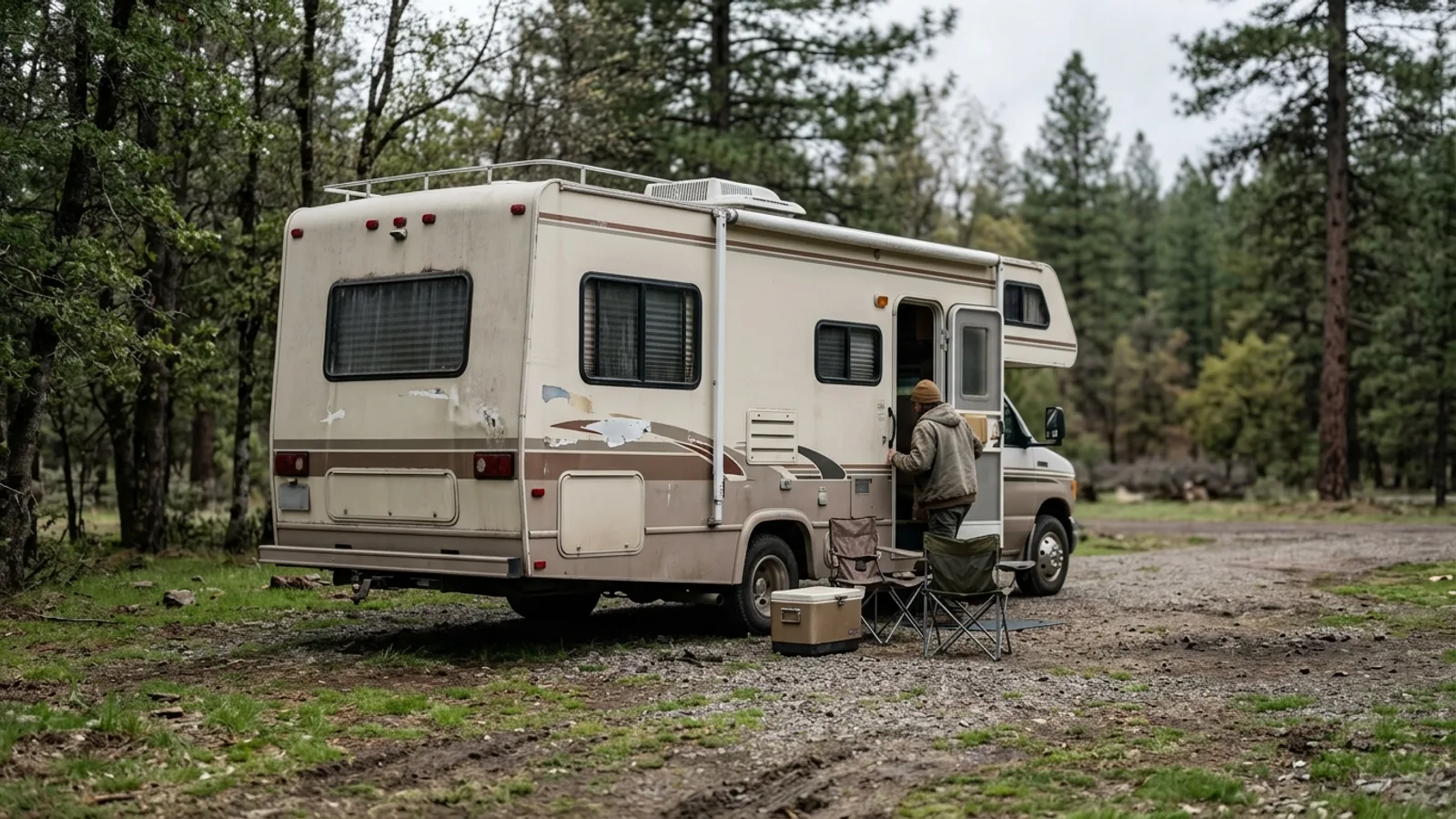
Free overnight parking for an RV is available in more places than most travelers realize, but the options vary widely in comfort, legality, and reliability. The key is understanding what each type of location actually offers and what's expected of you in return.
Public Lands and Dispersed Camping
Large areas of federally managed land allow dispersed camping, sometimes called boondocking or dry camping, at no charge. This means camping without hookups for water, electricity, or sewer, usually in a spot you choose within a designated zone rather than a marked campsite.
National forests and land managed by the Bureau of Land Management are the most common places to find this. National parks themselves rarely allow free RV camping in the main developed areas, though some have primitive backcountry or overflow areas with minimal fees, and a few adjacent public lands allow free dispersed camping nearby.
Rules differ by location and change over time, so always check current signage, ranger stations, or land management offices before you settle in. Common requirements include a maximum stay length (often around two weeks in a rolling period), a minimum distance from water sources and roads, and packing out all trash. Leave No Trace principles apply everywhere: minimize your footprint, don't dig new fire pits, and leave the site as you found it.
Benefits of this style of camping include quiet, scenic settings, proximity to trails and wildlife, and no cost. Trade-offs include no services, variable cell signal, and the need for self-sufficient power and water.
Workamping
Workamping is an arrangement where you provide part-time or seasonal work in exchange for a free RV site, sometimes with hookups, and occasionally a stipend. Common hosts include campgrounds, guest ranches, agricultural operations, and seasonal attractions.
Typical roles include campground hosting, maintenance, retail or hospitality work, and seasonal harvest labor. Arrangements are usually informal agreements made directly with the host, so it's worth clarifying expectations in writing: hours required, what utilities are included, cancellation terms, and what happens if the arrangement doesn't work out.
Workamping suits people with flexible schedules and an interest in a specific region or industry. It won't work for everyone, since it usually requires a minimum commitment of weeks or months and physical or customer-facing work.
Rest Areas, Truck Stops, and Travel Centers
Highway rest areas are designed for drivers to pause and recover, and many permit parking for a limited number of hours; some allow longer overnight stays, while others post signs restricting parking to a couple of hours specifically to prevent extended camping. Always check posted signage, since rules vary by state and even by individual rest area.
Truck stops and travel centers often have large lots and welcome RVs overnight, but the priority spaces are for commercial trucks. Park in areas clearly meant for cars or RVs, not in truck lanes, and expect some engine noise overnight since these locations run continuously.
General etiquette for these stops:
- Arrive at a reasonable hour and avoid disruptive noise, especially late at night
- Keep your stay to one night unless explicitly permitted otherwise
- Park in a well-lit area and lock up
- Leave the space cleaner than you found it
Business Parking Lots
Certain large retail stores and some other businesses have historically tolerated overnight RV parking in a portion of their lot, particularly at locations with excess space away from foot traffic. Policy varies enormously by individual store, by city ordinance, and can change without notice, so this should never be assumed as guaranteed.
Before parking overnight at any business, ask an on-site manager for permission rather than relying on general reputation. Some municipalities prohibit overnight parking in commercial lots regardless of what the business wants, so a local ordinance can override a store's willingness to host you.
If you do stay, it's good practice to patronize the business in some way and to keep your footprint minimal: no leveling jacks that block spaces, no chairs or awnings set up outside, and no gray or black tank draining.
City Parks, Fairgrounds, and Casinos
Some city or county parks allow overnight parking for self-contained RVs, particularly in smaller or more rural municipalities; larger cities are less likely to allow it. Fairgrounds sometimes offer inexpensive or free parking during off-season periods. Call ahead to the relevant local office to confirm current rules rather than guessing based on what you've heard from other travelers.
Casinos in some regions have a tradition of allowing free overnight RV parking as a courtesy to visitors, though this is entirely at the discretion of each property and not universal. If you plan to rely on this, contact the casino directly in advance to confirm their current policy and any restrictions on length of stay or location within the lot.
General Safety and Etiquette
- Always get permission when it's required or when a location isn't explicitly public parking
- Trust your instincts about a location's safety; if it feels wrong, move on
- Choose well-lit, populated areas over isolated ones when boondocking near a city or town
- Keep noise and light to a minimum, especially after dark
- Never dump wastewater anywhere other than a designated dump station
- Have a backup plan in case your first choice doesn't pan out on arrival
Planning Ahead
Free parking works best as part of a flexible travel plan rather than a guaranteed nightly solution. Conditions, regulations, and business policies change, so build in the ability to pivot to a paid campground if a free option falls through. Carrying enough onboard water, a full fuel tank, and a charged phone gives you the flexibility to keep moving if a spot doesn't work out.