How Long Does an RV Fridge Take to Get Cold — and How to Speed It Up
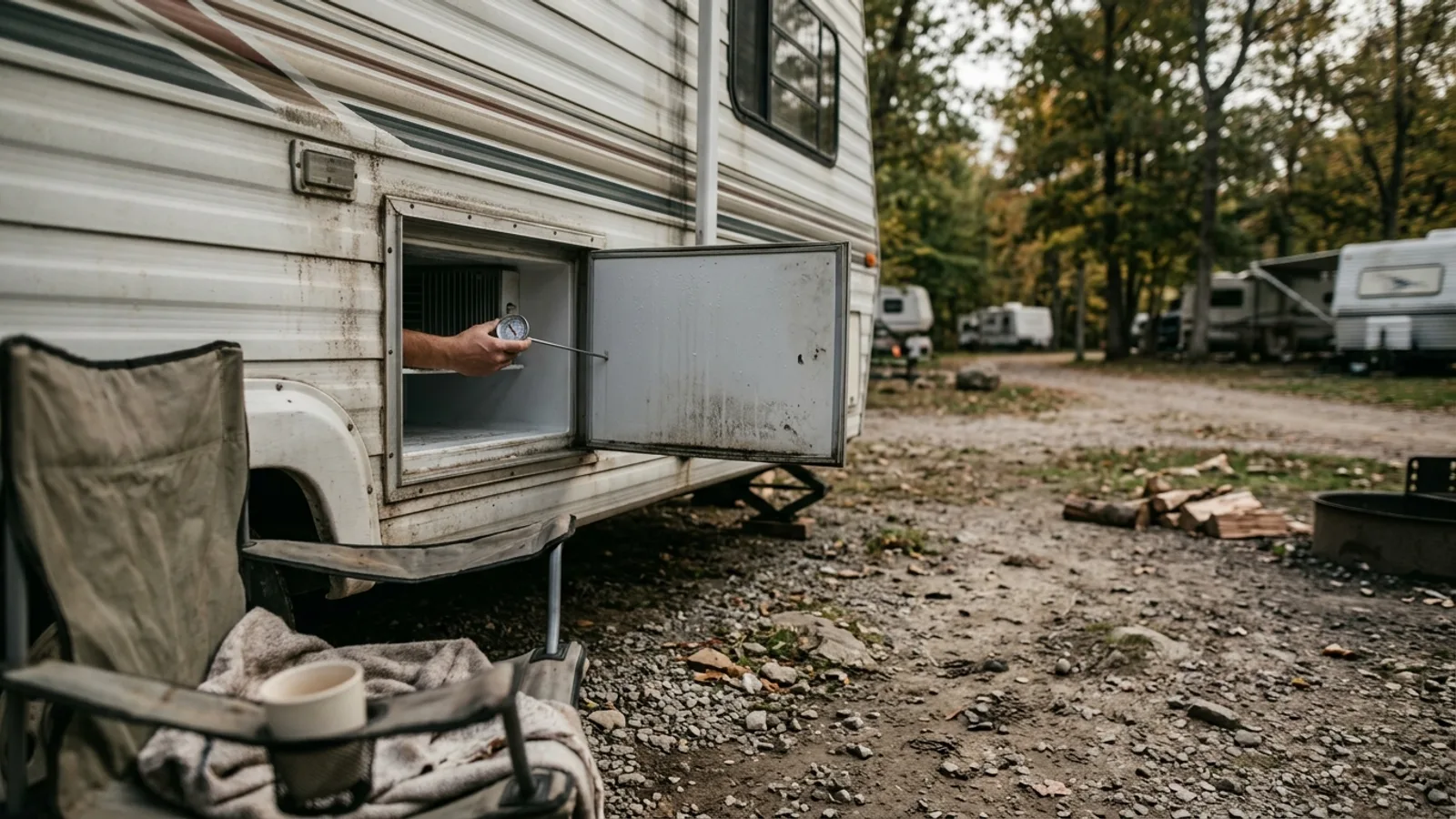
How Long It Actually Takes
Most RV refrigerators need somewhere between several hours and a full day to reach a safe, stable cold temperature after being turned on from room temperature. Absorption-style fridges, which are common in RVs and cool using a heat-driven chemical cycle rather than a compressor, are especially slow to start. Compressor-based RV fridges tend to cool faster and behave more like a home refrigerator.
Because of this lag, the safest approach is to start your fridge well before you load it with food — ideally the night before a trip, or at minimum several hours ahead. Don't judge readiness by touch; use a thermometer.
Why Cooling Time Varies
Several factors change how long it takes:
- Fridge type: absorption fridges cool more slowly and are more sensitive to leveling and ambient temperature than compressor fridges.
- Size and load: larger units and fuller loads take longer to pull down to temperature.
- Ambient temperature: a hot rig interior or direct sun on the fridge's exterior vents slows cooling significantly.
- Airflow: blocked vents, either inside the box or on the outside exhaust, trap heat and slow the whole process.
Speeding Up the Initial Cool-Down
Start Empty, Load Later
Run the fridge empty for the first stretch of cooling. An empty cabinet cools faster than one packed with room-temperature food, since there's less mass to chill and better air circulation inside.
Pre-Chill With Ice or Frozen Items
Placing frozen water bottles or reusable ice packs inside once the fridge is running gives it a head start and helps it hold a lower temperature sooner. Avoid loading warm groceries until the interior is already cold.
Improve Air Circulation
A small circulation fan inside the fridge cabinet helps even out cold air and eliminate warm pockets, which can shorten the time it takes to reach a safe temperature throughout the whole compartment, not just near the cooling plate.
Keep the Exterior Vents Clear
Absorption fridges vent heat outside the RV through a rear or roof vent. Spiderwebs, debris, insect nests, or nearby storage boxes blocking this vent will slow cooling and can affect performance for the rest of the trip. Check it periodically.
Level the Rig
Absorption fridges rely on gravity-driven fluid movement inside sealed tubing, so they need the RV to be reasonably level to cool efficiently. Compressor fridges are far less sensitive to this, but leveling rarely hurts.
Keeping It Cold Once It's Chilled
- Limit door openings. Every open door lets cold air spill out and warm air rush in, forcing the fridge to work harder to recover.
- Load pre-chilled food. Starting with cold groceries instead of warm ones reduces the burden on the cooling system.
- Don't overpack. Airflow inside the cabinet needs space to move; jammed-full shelves create warm spots.
- Park in shade when possible. Direct sun on the RV's exterior, especially near the fridge's vent side, adds heat load the unit has to fight.
- Maintain steady power. Whether running on shore power, batteries, or propane, an interrupted power supply will let the interior warm up, sometimes without an obvious alarm.
Monitoring Temperature
A separate thermometer placed inside the fridge is the only reliable way to know its actual temperature — built-in dials are often approximate. Check it periodically, especially after travel days, door-heavy mealtimes, or hot weather, and adjust the thermostat setting if the fridge is running warmer than expected.
Routine Maintenance That Affects Cooling
Defrost When Frost Builds Up
Ice buildup on the cooling plate or walls insulates the interior from the cold source and makes the compressor or cooling unit work harder. Defrosting periodically restores efficient cooling.
Check the Door Seal
A worn, cracked, or warped door gasket lets cold air leak out continuously, which shows up as a fridge that never quite reaches temperature no matter how long it runs. Inspect the seal for gaps and replace it if it's no longer sealing tightly against the frame.
Gas vs. Electric Operation
Many RV absorption fridges can run on propane, on electric power, or automatically switch between the two. Propane operation is often the more consistent choice while driving or when off shore power, since it doesn't depend on battery charge. Electric operation avoids handling fuel and can be preferable when connected to reliable shore power.
Neither mode is dramatically faster than the other under normal conditions; real-world cooling speed depends more on ambient heat, vent airflow, and how level the rig is. If your fridge has an automatic mode, it will generally select whichever power source is available and appropriate for whether you're parked or in motion.
Frequently Asked Questions
How long before a trip should I turn on the fridge?
Turning it on the night before, or at least several hours ahead, gives most RV fridges enough time to reach a safe temperature before you load food.
Can I speed up cooling with ice packs?
Yes. Frozen bottles or reusable ice packs placed inside a running fridge help it reach a lower temperature faster and give it thermal mass to hold that temperature.
Does leveling really matter?
It matters most for absorption-style fridges, which depend on gravity to circulate cooling fluid. Compressor fridges are much less affected by leveling.
How do I know if my fridge is cold enough for food safety?
Use a standalone thermometer placed inside the cabinet rather than relying on the fridge's built-in dial, and check it regularly, especially in hot weather or after long drives.