How Long Do RV Generators Last? Lifespan, Run Times, and Care Tips
What Determines an RV Generator's Lifespan
RV generators are usually rated in hours of use rather than years, since how long they last depends far more on runtime and upkeep than on the calendar. A generator that gets regular maintenance and moderate use can outlast one that's run hard and neglected, even if both are the same age.
Fuel type plays a role too. Diesel generators tend to be built for heavier duty cycles and often hold up longer under sustained use than gasoline units, while propane burns cleaner and can be gentler on internal components, though it typically produces somewhat less power for the same engine size.
Ultimately, the biggest factor within your control is how well you maintain the unit and how you manage its load. A well-cared-for generator run within its capacity will almost always outlast one that's pushed to its limits and rarely serviced.
Built-In vs. Portable Generators
Built-in (onboard) generators are wired directly into the RV's electrical system and usually draw fuel from the vehicle's main tank. They're started with the flip of a switch and are designed for long, uninterrupted operation, which makes them convenient for powering air conditioning or other high-draw appliances for extended stretches.
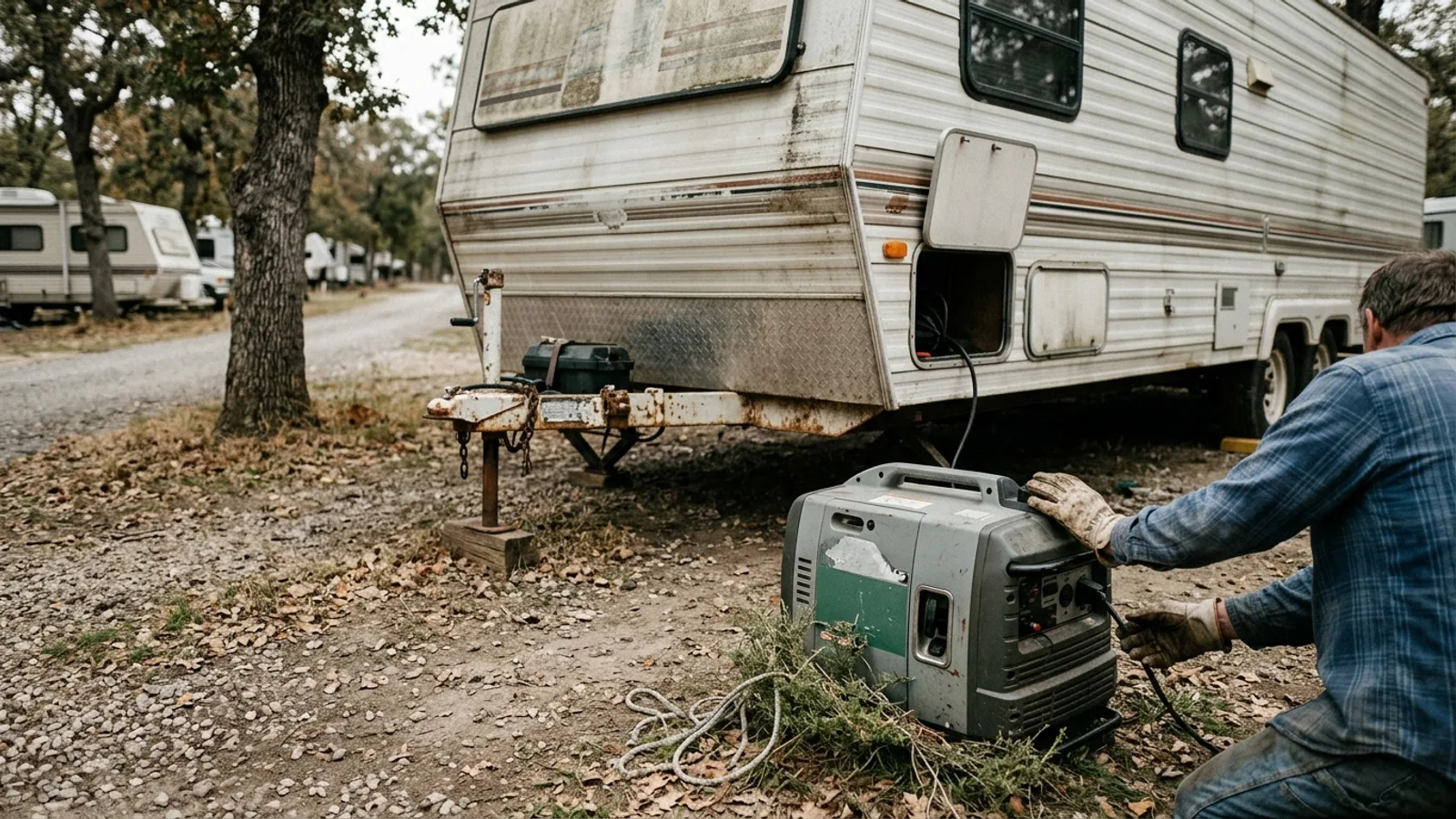
Portable generators sit outside the RV and carry their own fuel supply. They offer flexibility — you can position them for better ventilation or noise control, and swap or upgrade them independently of the RV. Their runtime on a single tank depends on the size of the fuel tank, the wattage being drawn, and how efficiently the unit operates at that load. Smaller loads and larger tanks stretch runtime; running multiple appliances at once shortens it.
Neither style is inherently "better" — built-in units suit those who want set-and-forget power, while portables suit those who value flexibility or want to keep generator noise and exhaust further from the living space.
Safe Run Times
Generators are designed for extended use, but continuous operation still has practical limits. Manufacturers publish specific guidance for each model, and that guidance should always take priority over general rules of thumb. In general, though, most generators are built to run safely for many hours at a stretch as long as they have adequate fuel, oil, and airflow.
A few conditions matter more than the clock:
- Ventilation: Exhaust must be able to disperse freely. Never run a generator in an enclosed space, and keep exhaust outlets away from windows, vents, and doors — both yours and any neighboring campers'.
- Fuel and oil levels: Running low on fuel or oil can cause a generator to stall or run poorly, which stresses the engine. Check levels before starting any extended run.
- Weather: Heavy rain, snow, and extreme heat can affect a generator's performance and, in some cases, its safety. Covering a generator to protect it from precipitation is fine as long as the cover is designed for ventilation and doesn't trap exhaust or heat.
Carbon monoxide is the most serious risk associated with generator use. It's colorless and odorless, so a working carbon monoxide detector — both in the RV and near any sleeping area — is essential whenever a generator is running, day or night.
Running a Generator Overnight
Many RVers run generators overnight for climate control, and modern units are generally designed to handle it. Extended continuous operation does add wear compared to shorter cycles, though, since components spend more time at operating temperature and under load.
Before doing so, confirm the campground allows it — many have quiet hours specifically to limit generator noise at night — and make sure the unit is positioned for good airflow, away from tents, windows, and anything flammable. It's also worth periodically checking on the generator's sound and temperature rather than assuming it will run trouble-free simply because it started that way.
What Shortens a Generator's Lifespan
A few habits and conditions accelerate wear more than others:
- Running at or near maximum load for long periods. This stresses the engine and electrical components. Spreading power draw across time — running the air conditioner and the microwave separately rather than together, for instance — reduces strain.
- Infrequent use without proper storage prep. Fuel left sitting in a generator for long stretches can degrade and gum up fuel lines, especially with gasoline. Fuel stabilizer additives help offset this if the generator won't be used for a while.
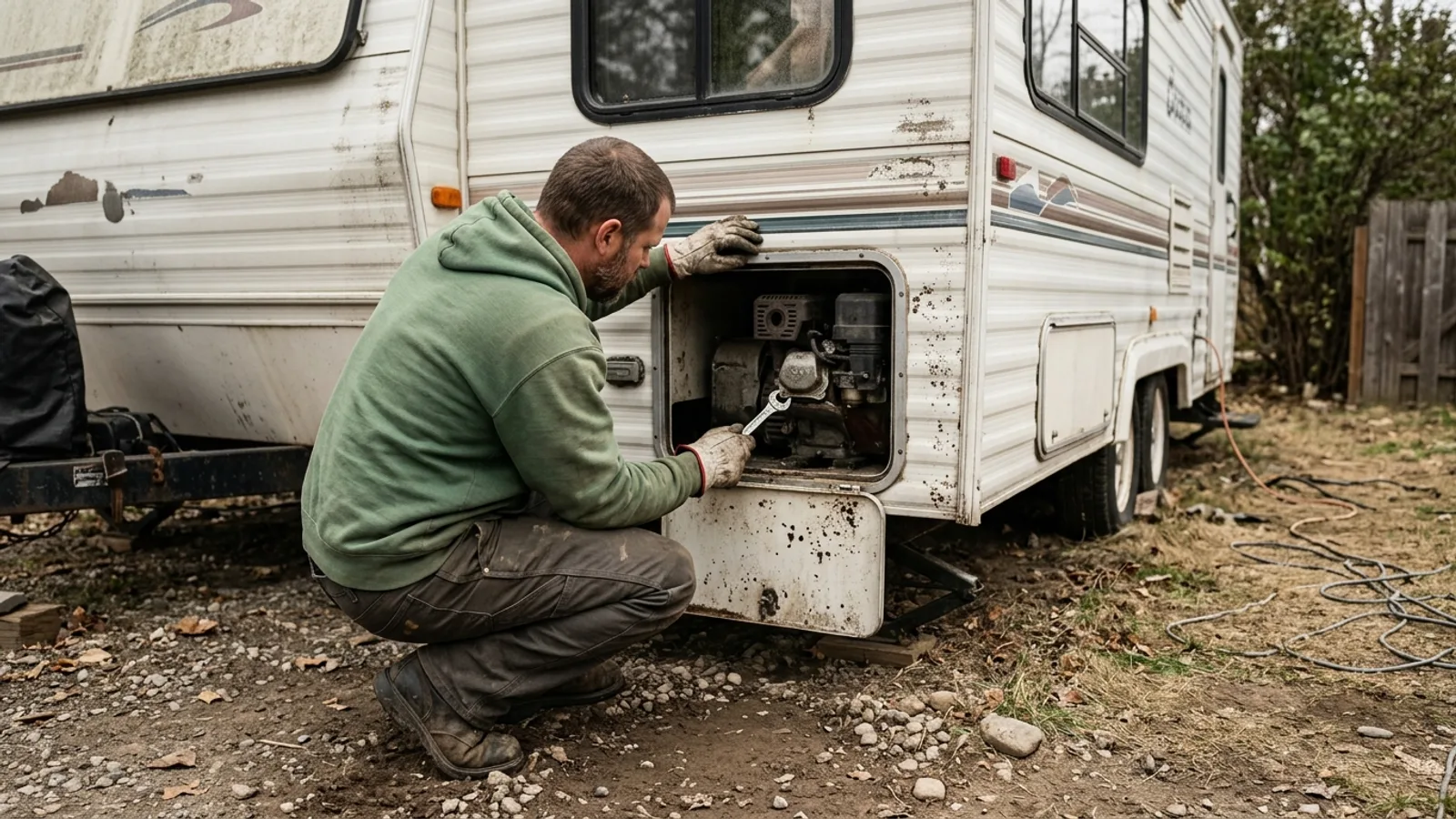
- Skipping routine maintenance. Oil changes, filter replacements, and spark plug checks all catch small problems before they become expensive ones.
- Exposure to extreme temperatures and humidity. Heat and cold add stress to internal components, and humidity encourages corrosion. Storing the generator in a dry, temperature-moderate space when not in use helps.
Practical Tips for Longer Generator Life
- Follow the maintenance schedule for oil changes, filter replacements, and inspections rather than waiting for a problem to appear.
- Let the generator warm up briefly before applying a heavy load, and let it cool down before shutting it off after hard use.
- Avoid running it completely out of fuel; this can introduce air into fuel lines and cause hard starting later.
- Use a fuel stabilizer if the generator sits unused for extended periods, and consider draining the tank before long-term storage.
- Keep the unit clean and dry, and use a ventilated cover for protection from weather when it's not running.
- Manage your power draw — stagger high-wattage appliances instead of running them all simultaneously.
None of these steps guarantee a specific lifespan, since usage patterns vary widely. But consistent maintenance and sensible load management are the most reliable ways to keep a generator running well for as long as possible.