How Long Do Travel Trailers Last? Lifespan, Wear Points, and Maintenance
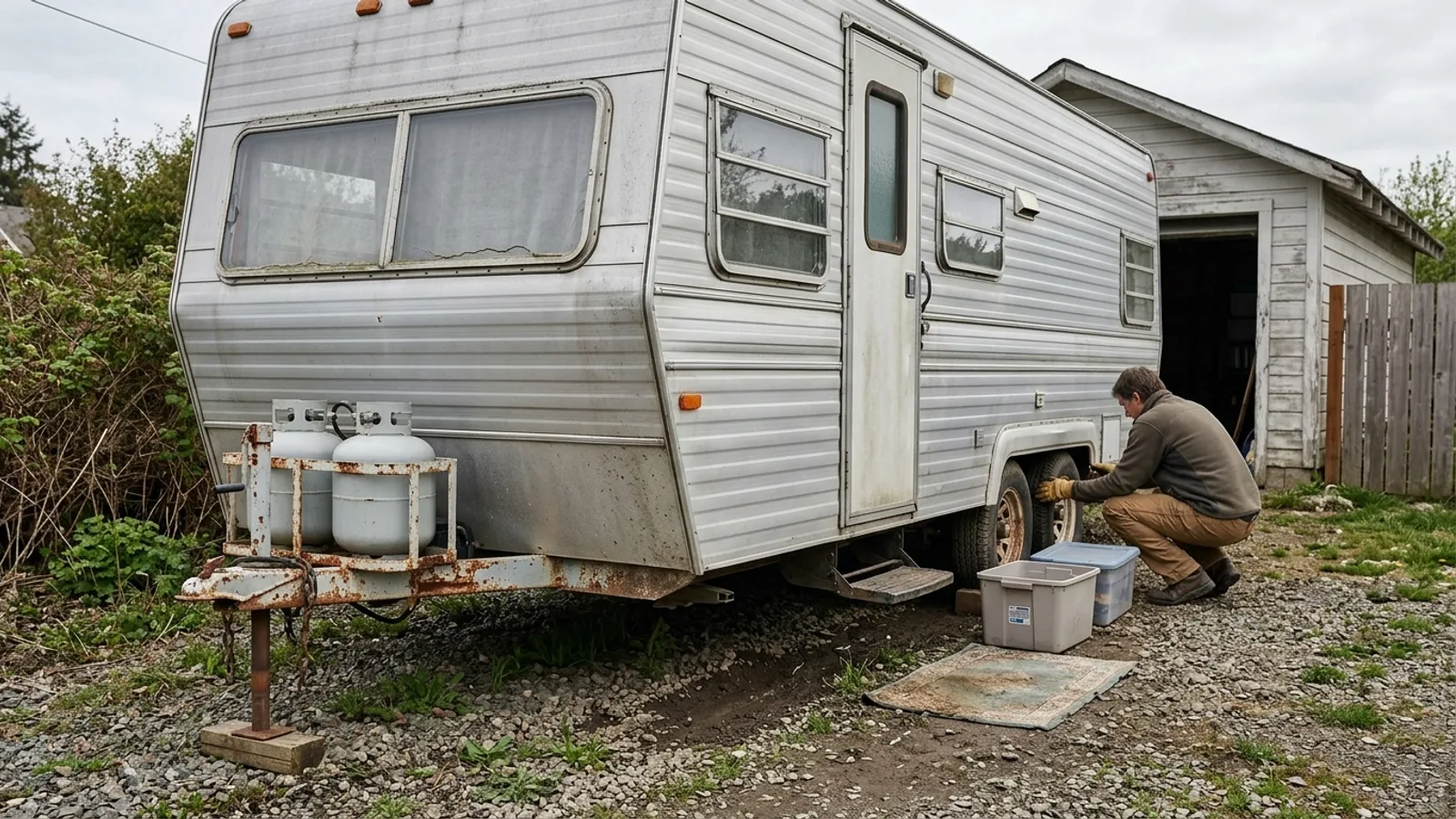
A travel trailer's lifespan depends less on its age in years and more on how it was built, how it was used, and how consistently it was maintained. A neglected trailer can develop serious structural problems within a few seasons. A well-cared-for one can remain fully usable for decades, even as its interior finishes and systems get updated along the way.
What Actually Determines How Long a Trailer Lasts
Four things matter more than anything else: the quality of the original construction, how well water is kept out, how the trailer is stored between trips, and how promptly small problems get fixed before they spread.
Water intrusion is the single biggest threat to a travel trailer's structure. Most trailers use wood or composite framing somewhere in the walls, floor, or roof. Once water gets past the exterior skin, it can rot framing, delaminate wall panels, and grow mold, often silently, behind finished surfaces where it isn't obvious until repairs are extensive.
Frequency of use matters too, but not in a straightforward way. Trailers that sit unused for long stretches without proper storage prep can suffer as much or more than trailers used regularly, because seals dry out, pests move in, and slow leaks go unnoticed. Regular use paired with regular inspection tends to catch problems early.
Roof and Seam Maintenance
The roof and every seam, seal, and penetration point (vents, skylights, air conditioner housings, slide-out edges) are where leaks start. Sealants break down from UV exposure and temperature cycling over time, developing cracks that aren't always visible from the ground.
A routine visual inspection of the roof and seams at the start and end of each season, and after any trip where the trailer was moved a long distance, is one of the most effective habits an owner can adopt. Catching a hairline crack in sealant is a small fix. Catching it after water has already reached the framing is not.
Slide-Outs
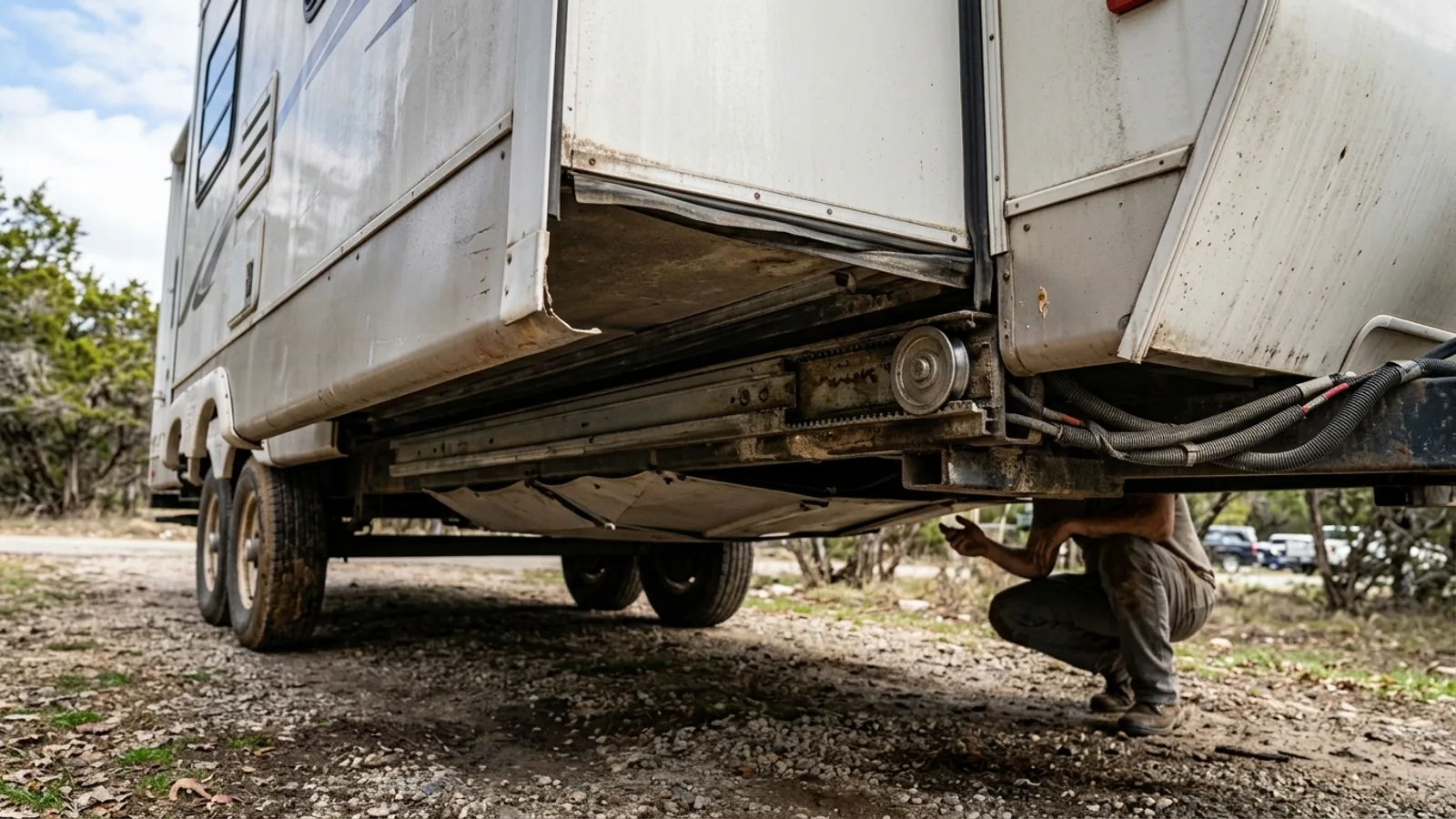
Slide-outs add usable interior space but also add moving parts and additional seals that can fail. The mechanisms benefit from periodic lubrication, and the seals around the slide-out opening need the same inspection attention as the roof seams. Debris or misalignment can also cause a slide-out to bind or seal poorly, so keeping the tracks clean matters as much as the mechanical maintenance.
Holding Tanks, Plumbing, and Electrical Systems
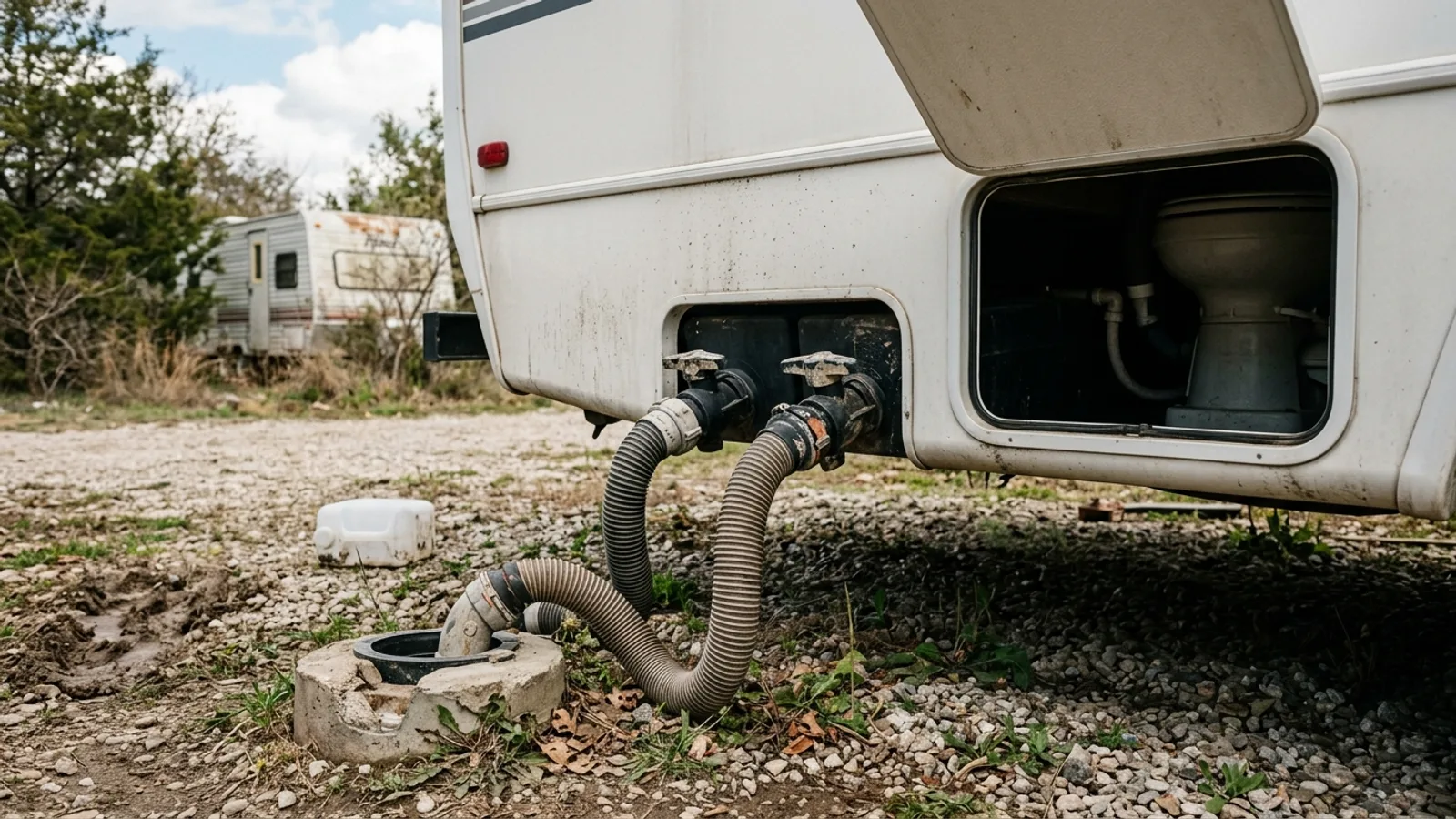
Leaks from fresh, gray, or black water tanks and their connecting lines can cause damage that's hard to detect early because it often happens inside enclosed compartments or under the floor. Periodically checking tank fittings, hoses, and valves for seepage is worth the time, especially before and after storage.
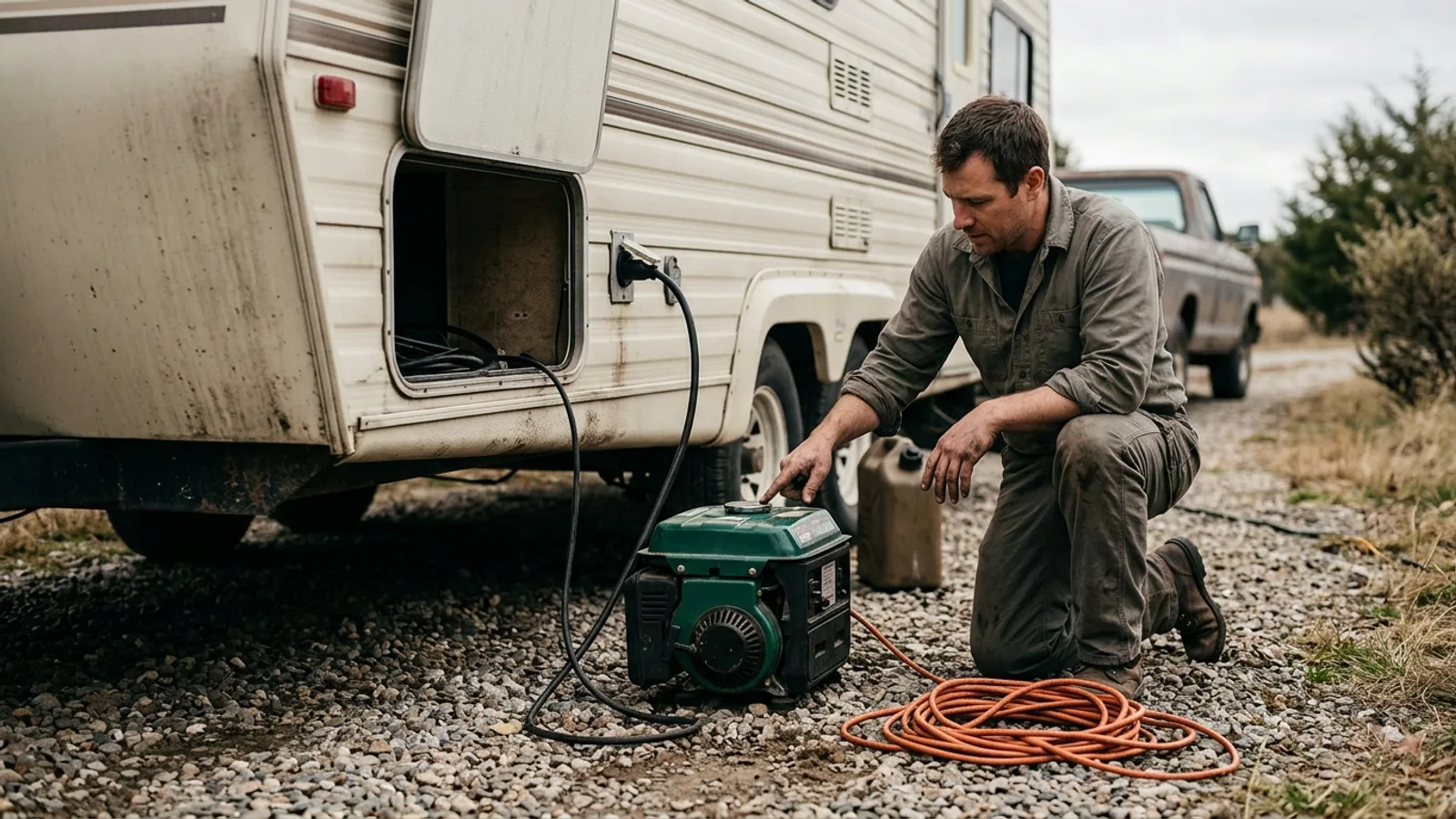
Batteries and wiring have their own maintenance needs. Batteries lose capacity with age and with improper charging or storage, and corroded or damaged wiring can cause both nuisance failures and, in some cases, fire risk. Following basic charging and storage practices for whatever battery type is installed, and having wiring inspected if anything seems off, helps avoid larger electrical problems down the line.
Tires and Towing Wear
Tires age even when they aren't used heavily. Sun exposure, weight load, and time all degrade rubber, which is why tire age is often as important as tread depth when deciding whether tires need replacing. Overloading a trailer beyond its rated capacity accelerates wear on tires, axles, and suspension components, and it's one of the more avoidable ways owners shorten a trailer's usable life.
Storage and Climate
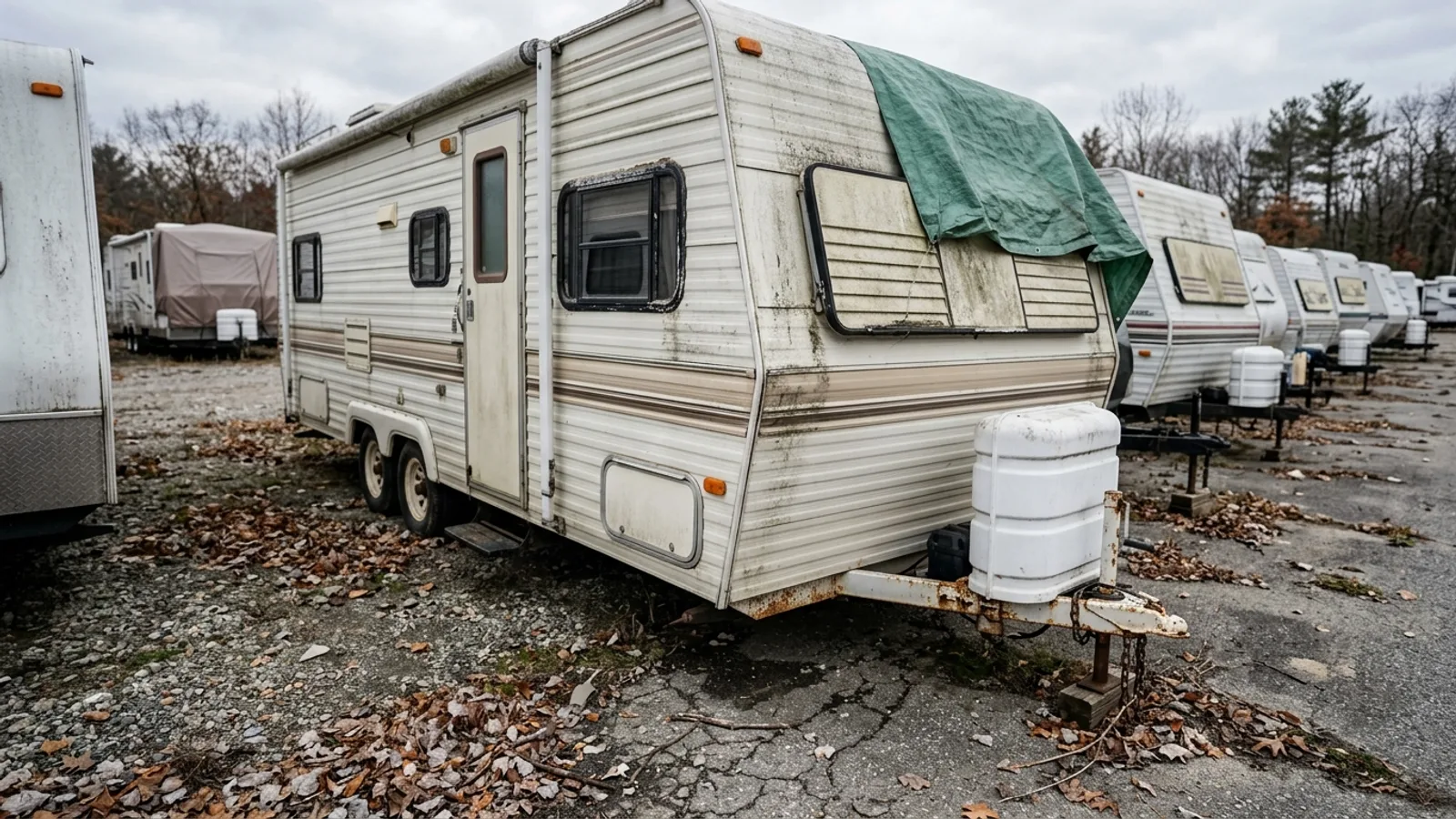
How a trailer is stored between uses has an outsized effect on its longevity. Covered storage, or at minimum a breathable trailer cover, reduces UV damage to seals, roofing material, and exterior finishes. Trailers stored in humid climates need extra attention to ventilation to avoid interior moisture buildup and mold growth, even when no exterior leaks are present.
Seasonal preparation, such as protecting plumbing systems from freezing temperatures before winter, is another point where a small amount of routine effort prevents damage that would otherwise be expensive and disruptive to repair.
What Shortens a Trailer's Lifespan
- Undetected roof or seam leaks allowed to sit for one or more seasons
- Holding tank or plumbing leaks inside enclosed spaces
- Batteries left improperly charged or stored through extended downtime
- Corroded or damaged wiring left unaddressed
- Damaged awnings that allow water to pool or intrude
- Tires that are old, underinflated, or overloaded
- Storage in direct sun and harsh weather without protection
Features Worth Prioritizing for Longevity
When comparing trailers, a few construction and design choices tend to correlate with a longer useful life:
- Durable exterior materials on the walls and roof that hold up to sun, temperature swings, and moisture over time.
- Well-executed seams and seals around every roof penetration, window, and slide-out, since this is where most leaks originate regardless of how good the main materials are.
- Adequate insulation and ventilation, which helps regulate interior temperature and reduces the condensation that leads to mold and structural damage.
- Quality electrical components that are properly installed and easy to inspect and service.
- Simple, well-built slide-out mechanisms if the trailer has them, since fewer failure points generally means less long-term maintenance.
Reading manufacturer maintenance recommendations and owner community feedback on how a specific model has held up over time is more useful than relying on brand reputation alone, since build quality can vary between model lines and production years even within the same manufacturer.
Practical Habits That Extend Lifespan
- Inspect the roof, seams, and seals on a regular schedule, not just when a problem is suspected.
- Address small leaks, cracks, or wear immediately rather than waiting for a convenient time.
- Store the trailer under cover or with a proper cover when not in use.
- Clean the interior and exterior regularly to prevent dirt and moisture from accumulating in seams and vents.
- Follow the manufacturer's maintenance schedule for tanks, tires, batteries, and mechanical systems.
- Prepare the trailer properly for seasonal storage, including protecting plumbing from freezing where relevant.
Frequently Asked Questions
How long do travel trailers typically last?
Usable lifespan varies widely depending on build quality, climate, storage conditions, and maintenance. A well-maintained trailer can remain functional for many years beyond a neglected one of the same age; the difference in care matters more than the calendar.
What shortens a travel trailer's lifespan the most?
Undetected water intrusion is generally the most damaging factor, since it can cause structural rot and mold that are expensive and difficult to fully repair. Neglected tires, batteries, and electrical components are close behind.
Do slide-outs make a trailer less durable?
Slide-outs add mechanical complexity and additional seals, which means more components that can eventually need maintenance or repair. This doesn't make them inherently unreliable, but it does mean they require their own routine attention.
How often should I inspect the roof and seals?
A thorough inspection at the start and end of each season, plus a quick check after any long tow, is a reasonable baseline. Sealants degrade gradually from sun and temperature exposure, so catching cracks early prevents most water damage.
Does storage location really make a difference?
Yes. Covered or indoor storage significantly reduces UV and weather exposure on the roof, seals, and exterior finishes, which are the components most responsible for a trailer's long-term durability.