RV Black Tanks and Toilets: How They Work and How to Maintain Them
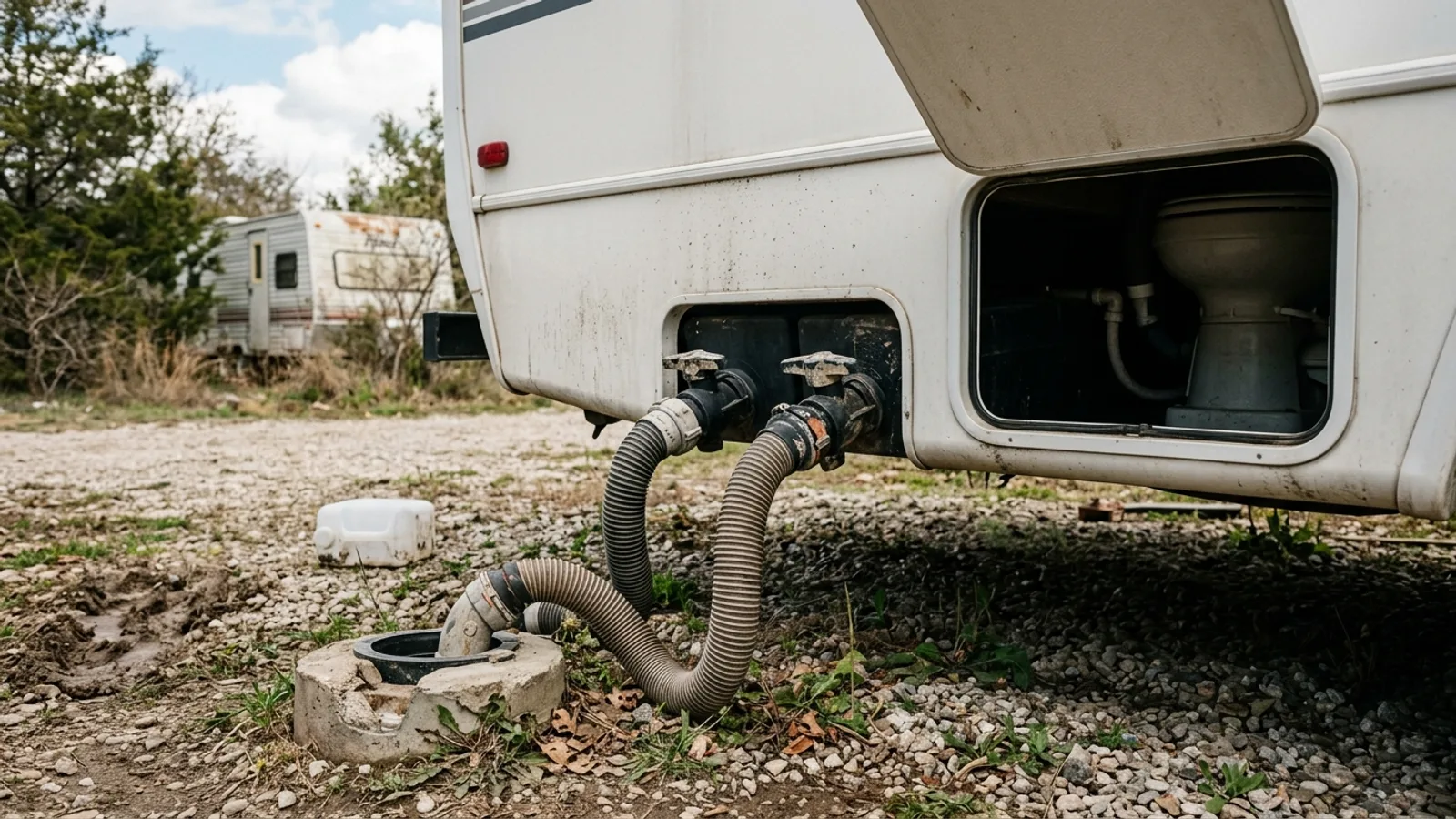
How an RV Toilet and Black Tank Work Together
An RV toilet isn't plumbed into a municipal sewer line or a septic field. Instead, it empties directly into a black tank — a sealed holding tank mounted underneath the RV. When you flush, a valve at the bottom of the bowl opens, waste drops into the tank, and the valve closes again to hold odors below the floor.
Because the tank has a fixed capacity, everything that goes down the toilet stays onboard until you dump it at an approved disposal site. That makes tank management a routine part of RV life rather than something you can ignore the way you might a home toilet.
Types of RV Toilets
Most RVs use one of a few basic toilet styles, each suited to different rigs and camping habits.
- Standard flush toilets: These resemble a small household toilet, usually with a foot pedal or hand lever that opens the tank valve and adds a splash of water to rinse the bowl. Bowls may be molded plastic or a ceramic/porcelain finish; the material affects looks and cleaning ease more than basic function.
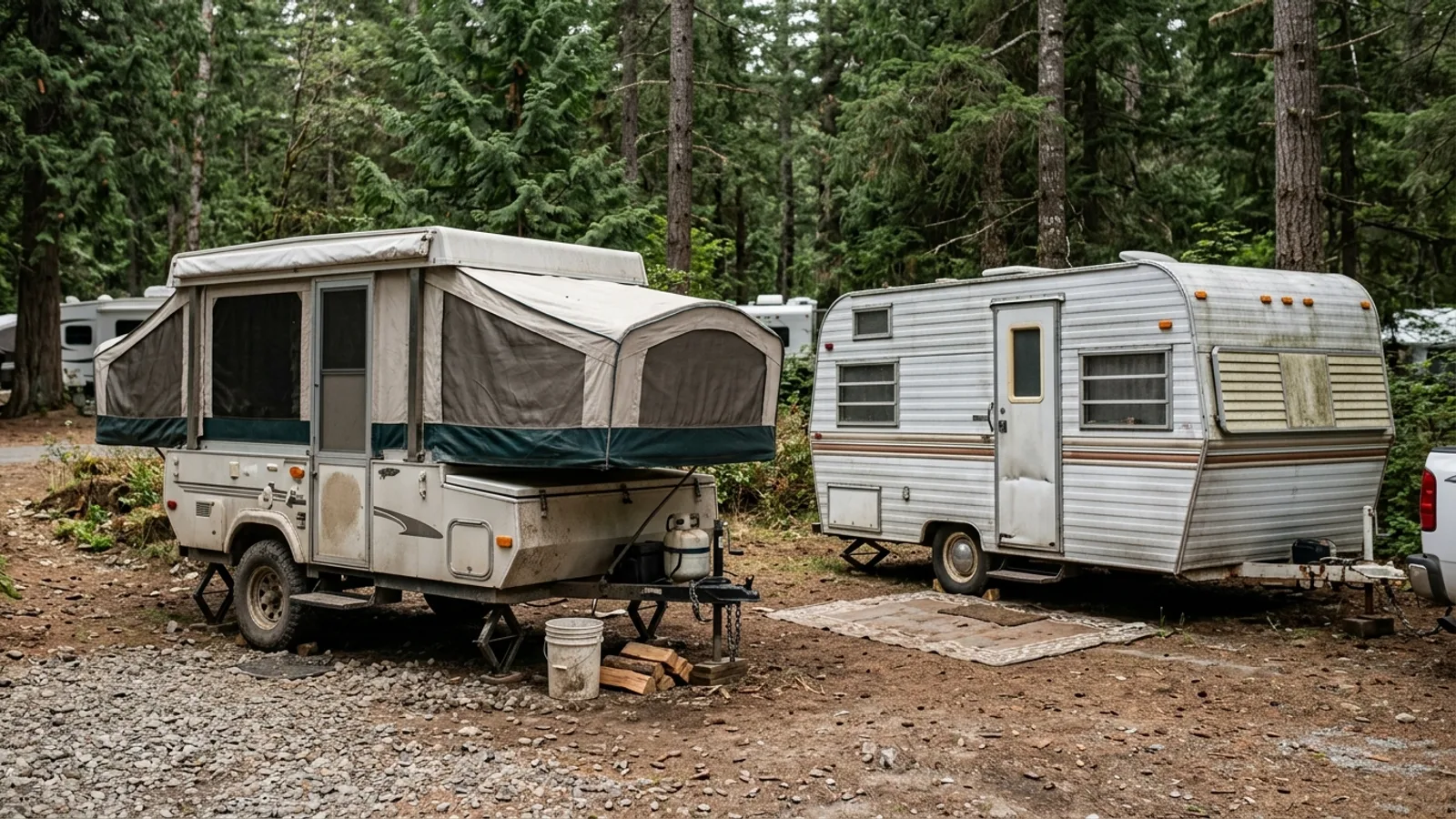
- Cassette toilets: Common in smaller trailers, vans, and pop-up campers, these have a removable waste cassette accessed from an exterior panel. Instead of dumping through a sewer hose, you carry the cassette to a disposal point and empty it directly, then rinse and replace it.
- Composting toilets: These separate liquid and solid waste and use a dry medium or ventilation to manage solids without a black tank at all. They're popular for off-grid or boondocking setups because they reduce dependence on tank capacity and dump stations, though they require their own routine of managing the solids and liquids containers.
The right choice depends on how you camp: full hookups and larger rigs favor standard flush toilets, while compact trailers, off-grid travel, and minimalist setups often lean toward cassette or composting systems.
Keeping the Black Tank in Good Condition
Empty It on a Regular Schedule
Let the tank fill to a reasonable level before dumping rather than emptying it after every use — enough liquid volume helps flush solids out completely instead of leaving them behind. Exactly how often depends on tank size and how many people are using it, but a working rule is to empty when the tank is comfortably full, not just when it's convenient.
Use a Tank Rinse System if You Have One
Many RVs include a built-in tank-rinsing feature that sprays water inside the tank after you dump. Running it for a few minutes after each dump helps knock loose material off the tank walls and sensor probes, which keeps level gauges reading accurately over time.
Add Water and Tank Treatment After Dumping
Once the tank is empty, add a few gallons of fresh water back in before your next use. This gives waste something to move through rather than sitting on a dry tank floor. RV-specific tank treatments help break down solid waste and control odor; follow the product's dosing instructions rather than guessing.
Winterize Before Freezing Weather
In freezing conditions, water left in the tank, valve, or drain lines can freeze and cause cracks or stuck valves. Before storing the RV or camping in cold weather, empty the tank fully and add the type and amount of RV antifreeze recommended for your system. Follow your RV manufacturer's specific winterizing steps, since tank and plumbing layouts vary between models.
Caring for the Toilet Seal
The seal between the toilet bowl and the tank keeps odors from rising into the RV and keeps a small amount of water sitting in the bowl between uses. Keeping it in good shape prevents both smells and leaks.
Lubrication
Seals dry out over time, especially with infrequent use. A silicone-based lubricant made for RV toilet seals, applied periodically, keeps the seal pliable and helps it seat properly each time you flush.
Replacement
Cracking, stiffness, or a seal that no longer holds water in the bowl are signs it needs replacing. This is a manageable DIY repair on most RVs — consult your owner's manual for the specific steps for your toilet model, or have a service center handle it if you're not comfortable doing it yourself.
Stick to cleaners labeled safe for RV toilets and seals. Harsh or abrasive cleaners can degrade rubber and plastic components faster than normal use would.
Choosing Toilet Paper for an RV
Regular household toilet paper is designed to break apart slowly, which can lead to clumping and clogs in a tank that isn't flushed with the same volume of water as a home plumbing line. Toilet paper labeled as safe for RVs or marine/septic systems is made to break apart quickly once wet, which helps it pass through the tank and valve without building up.
Not every product labeled "septic-safe" performs the same way in a tank system, since septic fields and RV tanks aren't identical environments. When in doubt, choose paper specifically marketed for RV or marine use, and pay attention to how well it breaks down over time in your own tank.
Dumping the Black Tank
Find a designated dump station or a full-hookup site with a sewer connection — never empty a black tank onto the ground or into a storm drain. Connect a sewer hose from the tank's outlet valve to the dump station inlet, making sure the connection is secure before opening the valve.
Open the black tank valve first and let it drain completely, then close it before opening the gray tank (if separate) to help rinse the hose. A clear fitting at the hose connection lets you see when the flow has stopped, which is a useful way to confirm the tank is fully empty.
After dumping, rinse the tank if your rig has a built-in flush system, or add water and a mild, biodegradable cleaning solution, let it sit, and drain again until the water runs clear. Store and handle the sewer hose separately from other equipment, and wear disposable gloves during the process.
Frequently Asked Questions
What is a black tank and how does an RV toilet work?
The black tank is a sealed holding tank under the RV that collects waste when you flush the toilet. A valve opens to release waste into the tank and closes to seal it off until you dump it at an approved disposal site.
What types of RV toilets are there?
The main types are standard flush toilets (with plastic or ceramic bowls), cassette toilets with a removable waste container, and composting toilets that don't use a black tank at all.
How do I maintain the black tank?
Empty it on a regular schedule, rinse it after dumping, add water and tank treatment between dumps, and winterize it fully before freezing weather.
How do I care for the toilet seal?
Lubricate it periodically with a silicone-based product made for RV seals, and replace it if you notice cracking, stiffness, or loss of the water seal in the bowl.
What toilet paper should I use?
Use paper labeled safe for RV or marine/septic systems, since it breaks down faster in a tank than standard household toilet paper.
How do I empty the black tank?
Connect a sewer hose to a designated dump station, open the black tank valve to drain fully, then rinse the tank before disconnecting and storing your equipment.