Living in an RV on Your Own Property: What Owners Need to Know
Why This Isn't a Simple Yes or No
Whether you can legally live in an RV on your own property depends on layers of rules that don't always agree with each other: local zoning ordinances, building and health codes, utility requirements, and — if you belong to one — a homeowners association. A property can be perfectly legal for parking an RV and still prohibited for living in one full-time. The only reliable way to know your specific situation is to check with your local planning or zoning department directly, since rules vary widely between and even within states.
Parking an RV vs. Living in One
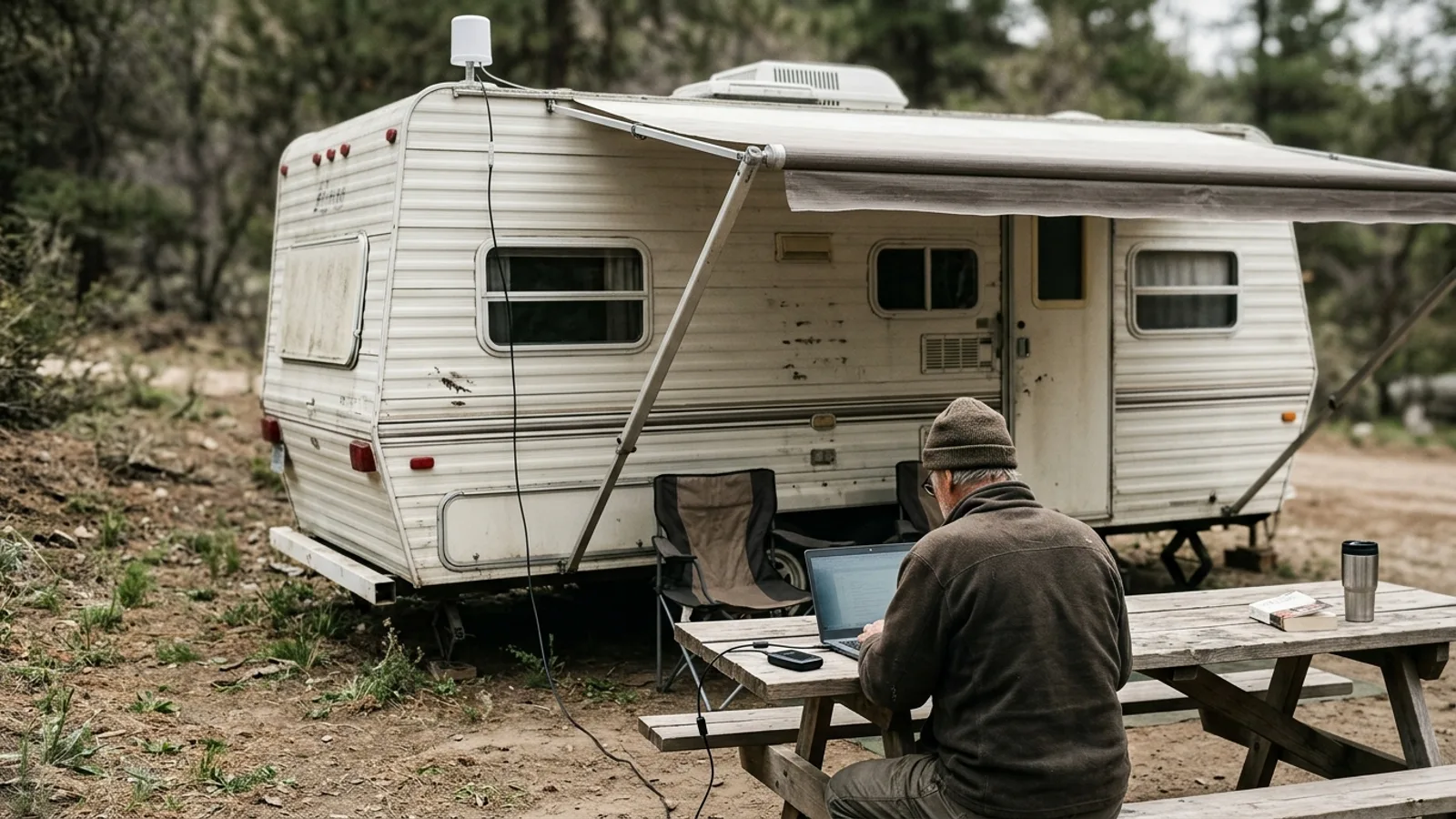
Most residential zones allow you to park a recreational vehicle on your property, often in a driveway or side yard, without much scrutiny. Problems tend to arise when the RV stops being a vehicle you occasionally use and starts functioning as a residence — hooked up to power and water, occupied overnight on a regular basis, or used as someone's primary address.
Zoning codes typically distinguish between "recreational use" and "dwelling use." An RV sitting in a driveway is generally treated as the former. Once it's connected to permanent utilities or occupied continuously, some jurisdictions reclassify it as a dwelling, which triggers a different set of requirements — often ones that a standard RV cannot meet, such as minimum square footage, foundation requirements, or connection to an approved septic or sewer system.
Common Restrictions to Expect
- Duration limits: Many municipalities cap how many consecutive days or nights an RV can be occupied on a residential lot, even if it's just for visiting guests.
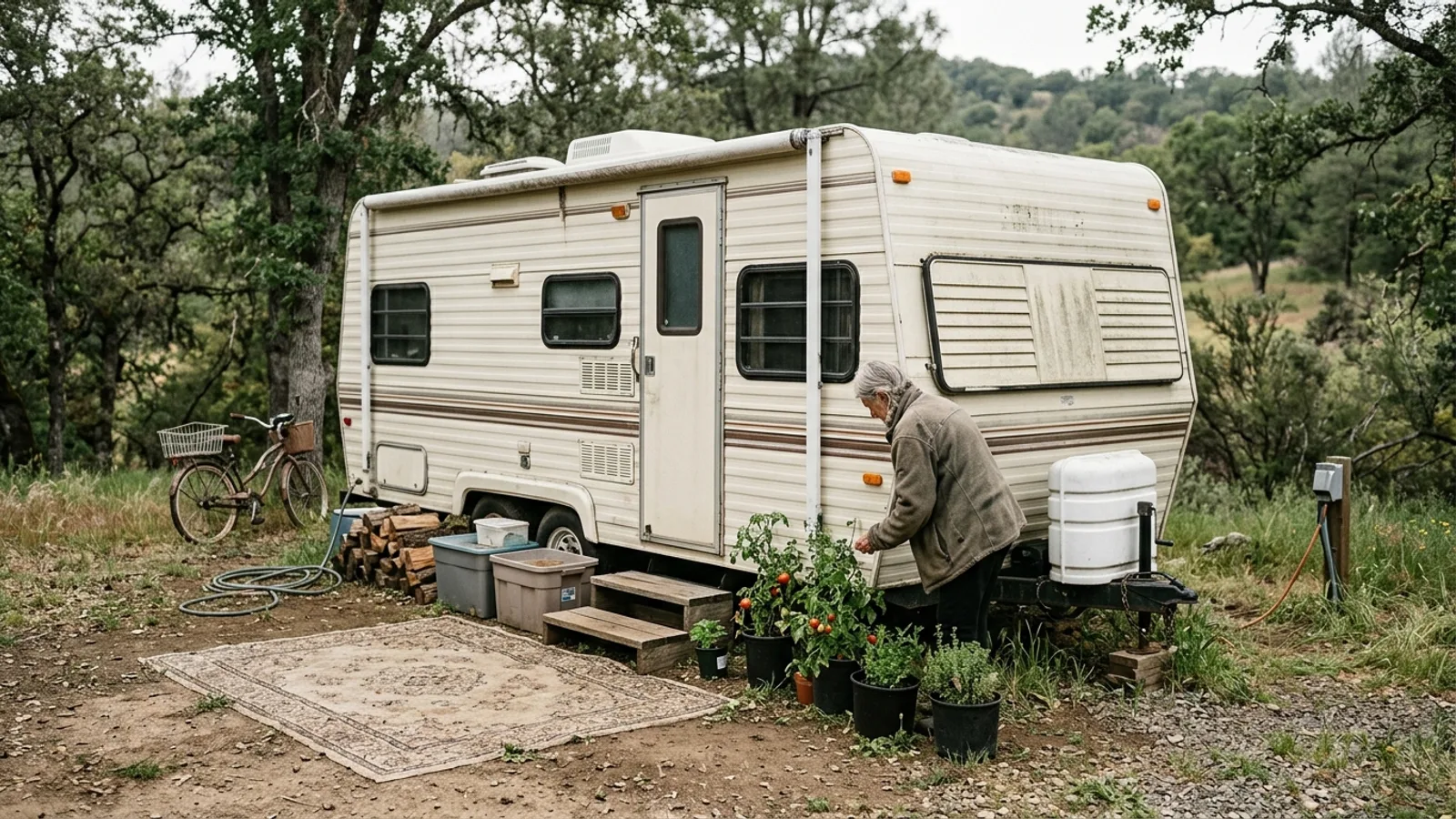
- Utility hookups: Permanent connections to electric, water, or sewer lines may require permits, and some codes prohibit permanent hookups to an RV altogether.
- Setback and placement rules: Where you're allowed to park or position an RV on the lot (distance from property lines, visibility from the street) is often regulated separately from occupancy rules.
- HOA restrictions: If your property is part of a homeowners association, its governing documents may impose stricter limits than local law does — including outright bans on RV parking regardless of use. HOA rules are a private contract and are enforced independently of city or county zoning.
Options If You Want to Live in an RV Long-Term
If your goal is full-time RV living on land you own, a few paths are more likely to hold up legally than simply parking and hoping no one notices:
- Designated RV parks or campgrounds: These are zoned specifically for long-term RV occupancy and typically have the utility infrastructure already in place.
- Accessory dwelling unit (ADU) permitting: Some jurisdictions allow an RV or park-model trailer to be permitted as an ADU if it meets specific construction, utility, and inspection standards. This process can be involved and isn't available everywhere.
- Rural or agricultural zoning: Land zoned for agricultural or rural residential use sometimes has more flexible rules about temporary or accessory dwellings, including RVs, than land zoned strictly residential.
In every case, the deciding factor is usually the local zoning designation of the specific parcel, not just the fact that you own the land.
Using an RV as a Guest Space
Short-term use of an RV to host visitors is generally viewed differently than full-time occupancy, since it doesn't establish a permanent residence. Even so, some places apply the same day-count limits to guest stays that they do to owner occupancy, and some HOAs separately restrict how long a parked RV can be occupied by anyone. If you plan to host guests or rent the space out, check both the zoning rules and any HOA guidelines that apply, and be mindful of how utility connections are handled for extended stays.
Practical Steps Before You Commit
- Contact your local zoning or planning department and ask specifically about RV occupancy rules, not just parking rules — the two are often governed by different sections of the code.
- Review your HOA's covenants, conditions, and restrictions (CC&Rs) if applicable, since these can be more restrictive than local law and are enforced separately.
- Ask about utility connection permits if you plan to hook up water, power, or sewer on anything other than a temporary basis.
- If the answer isn't clear from public documents, consider getting written clarification from the local building or zoning office — verbal guidance can be inconsistent between staff members.
The Bottom Line
Parking an RV on your own property is usually straightforward. Living in it full-time is where the rules tighten, because most residential zoning was written with conventional houses in mind, not vehicles. If long-term RV living is the goal, look into designated RV parks, ADU permitting processes, or land zoned for more flexible residential use — and confirm details directly with your local authorities before making it your home base.