Camper Trailers vs. Traditional Trailers: How to Choose
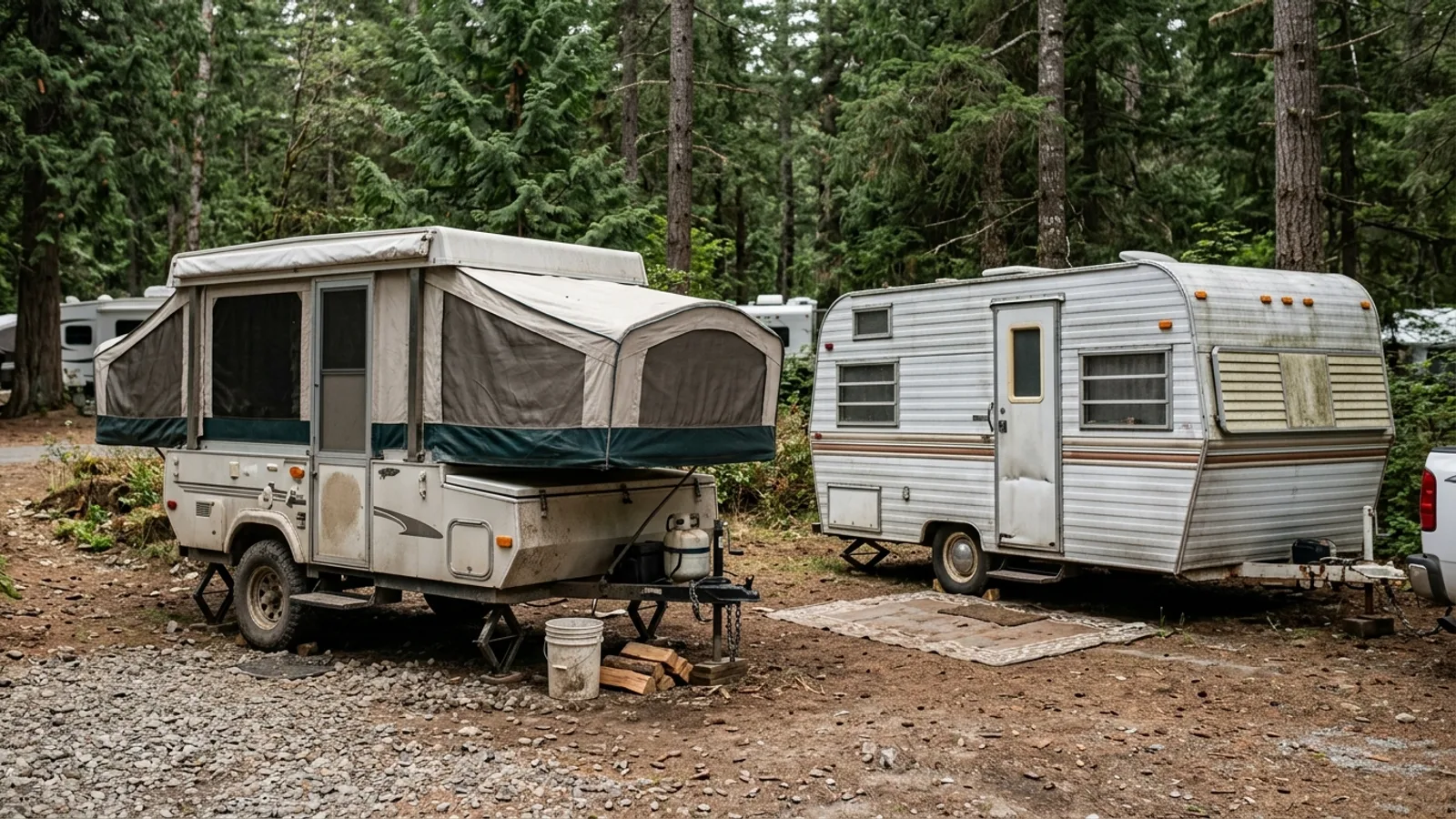
What Sets Them Apart
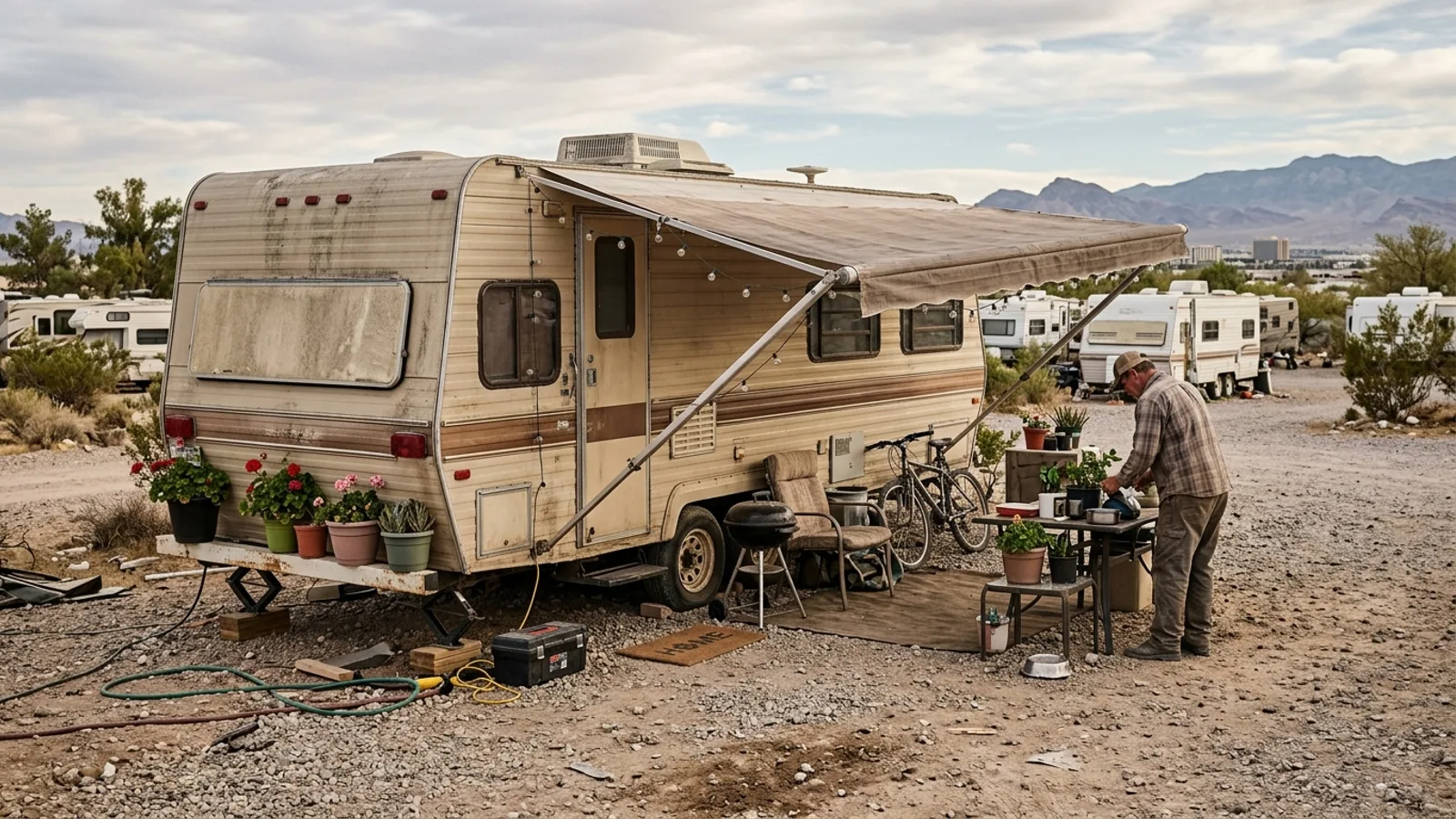
"Camper trailer" and "traditional trailer" aren't strict technical categories — the terms overlap a lot in everyday use. But in general, a camper trailer refers to a smaller, lighter towable built around the basics: a place to sleep, a small kitchen setup, and enough storage for a short trip. A traditional trailer (sometimes called a travel trailer) is larger and closer to a home on wheels, with a full kitchen, a bathroom, and separate living and sleeping areas.
The real differences that matter when you're choosing come down to weight, size, systems, and how you plan to camp.
Where Smaller Trailers Win
Lighter trailers are easier to tow with a smaller vehicle, since many can be pulled by a midsize SUV or truck rather than requiring a heavy-duty tow vehicle. That opens up towing to people who don't want to own or rent a large truck.
They're also easier to maneuver. A shorter, lighter trailer is simpler to back into a tight campsite, turn around on a narrow forest road, or park at a trailhead. If you camp at sites with tight turns or limited pull-through space, this matters more than almost anything else on this list.
Smaller trailers generally cost less to buy and maintain, since they have fewer onboard systems — often no separate bathroom, smaller holding tanks, and simpler electrical setups. Fewer systems also means fewer things that can break.
Fuel economy while towing is closely tied to weight and frontal area, so a smaller trailer typically costs less to pull over a long trip, all else being equal.
Where Larger Trailers Win
More space means more comfort, especially on trips longer than a few days. A separate bathroom, a real kitchen with more counter space, and dedicated sleeping areas make a meaningful difference on extended stays or in bad weather when you're spending more time indoors.
Larger trailers often carry bigger fresh water, gray water, and black water tanks, along with more battery and propane capacity. That lets you stay longer between resupply trips or hookups, which matters if you're camping somewhere without easy access to services.
Because of their added weight, larger trailers can also feel more planted on the highway, particularly in crosswinds or when passed by large vehicles — though this depends heavily on how the trailer is loaded and how well-matched it is to the tow vehicle.
Towing Capacity Comes First
Before comparing features, check what your vehicle can actually tow. Every vehicle has a manufacturer-rated towing capacity, and it's meant to account for the trailer's weight plus cargo, passengers, and gear in the tow vehicle — not just the trailer alone.
Towing at or near the upper limit of a vehicle's rating leaves little margin for hills, wind, or emergency braking. Many experienced trailer owners aim to stay meaningfully under the rated maximum rather than at it.
Also consider tongue weight (the downward force the trailer exerts on the hitch), which affects handling and needs to fall within both the vehicle's and hitch's rated limits.
Setup and Maintenance
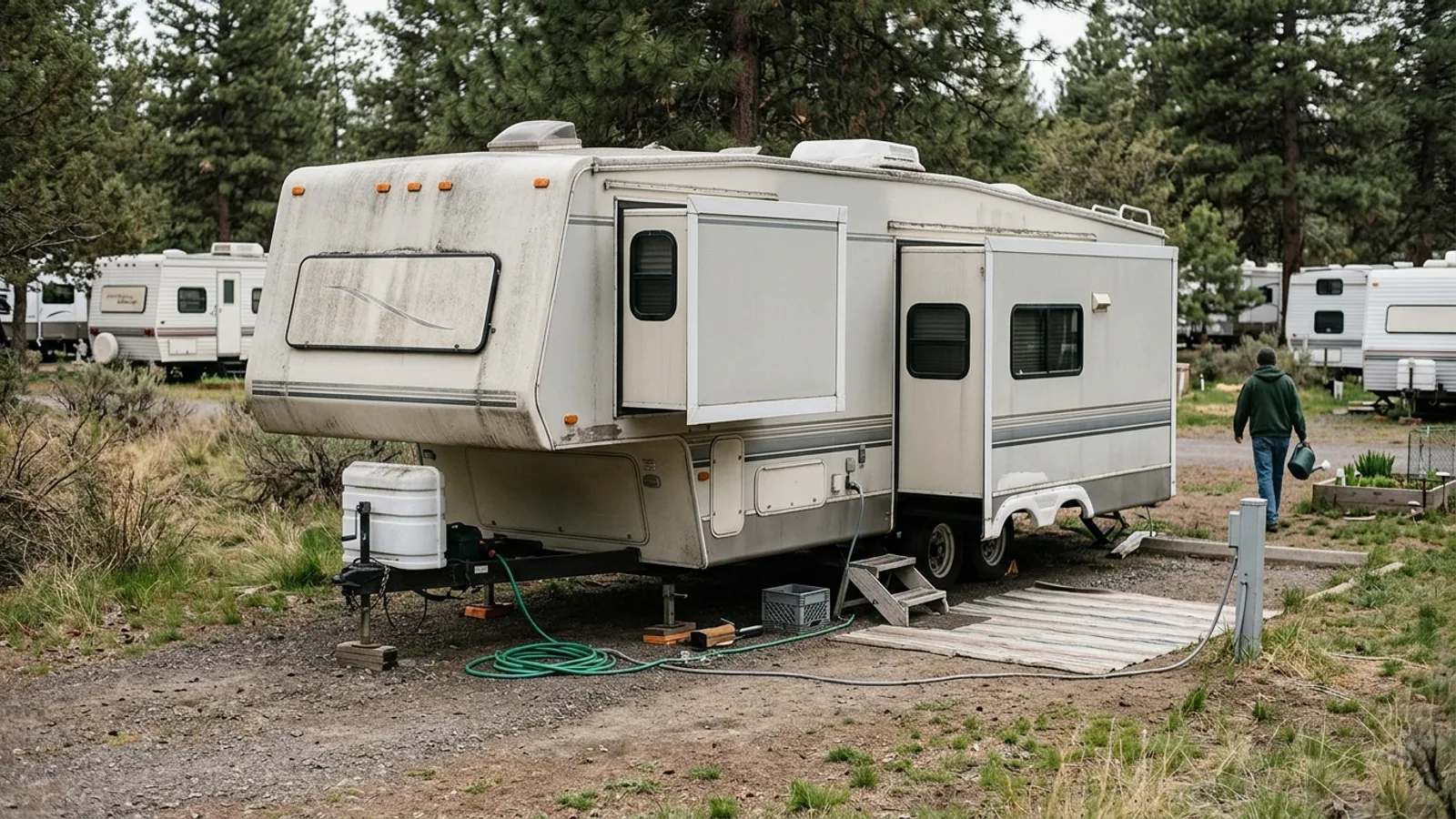
Smaller trailers tend to have simpler setup routines at a campsite: level it, chock the wheels, maybe unhook, and you're done. Larger trailers with slide-outs, full hookups, and more onboard systems take longer to set up and break down, and they have more components that need periodic maintenance — seals, awnings, appliances, tanks, and slide mechanisms among them.
Regardless of size, plan on regular checks of tires (including age, not just tread), wheel bearings, brakes if equipped, and the hitch and coupling hardware. Trailers that sit unused for long stretches benefit from a walk-around inspection before every trip.
Matching the Trailer to the Trip
Think about how you actually camp rather than how you imagine camping. A few useful questions:
- How many nights at a time will you typically be out, and how far from services?
- Do you need full hookups, or are you comfortable with more basic, self-contained camping?
- What can your current tow vehicle handle, and are you willing to upgrade it?
- Do the campgrounds or sites you visit have tight access, small pads, or length limits?
- How much of the year will the trailer sit in storage, and what will that storage cost in space and upkeep?
Frequent short trips to sites with tight access tend to favor something smaller and simpler. Longer stays, larger groups, or a strong preference for home-like comforts tend to favor something bigger — provided your tow vehicle is rated for it.
The Bottom Line
There's no universally "better" choice between a camper trailer and a traditional trailer — only a better fit for a given vehicle, travel style, and set of priorities. Start with what your tow vehicle can safely handle, then weigh space and comfort against maneuverability and simplicity based on how you actually plan to use it.