RV Toilet Paper vs. Regular Toilet Paper: What Actually Matters
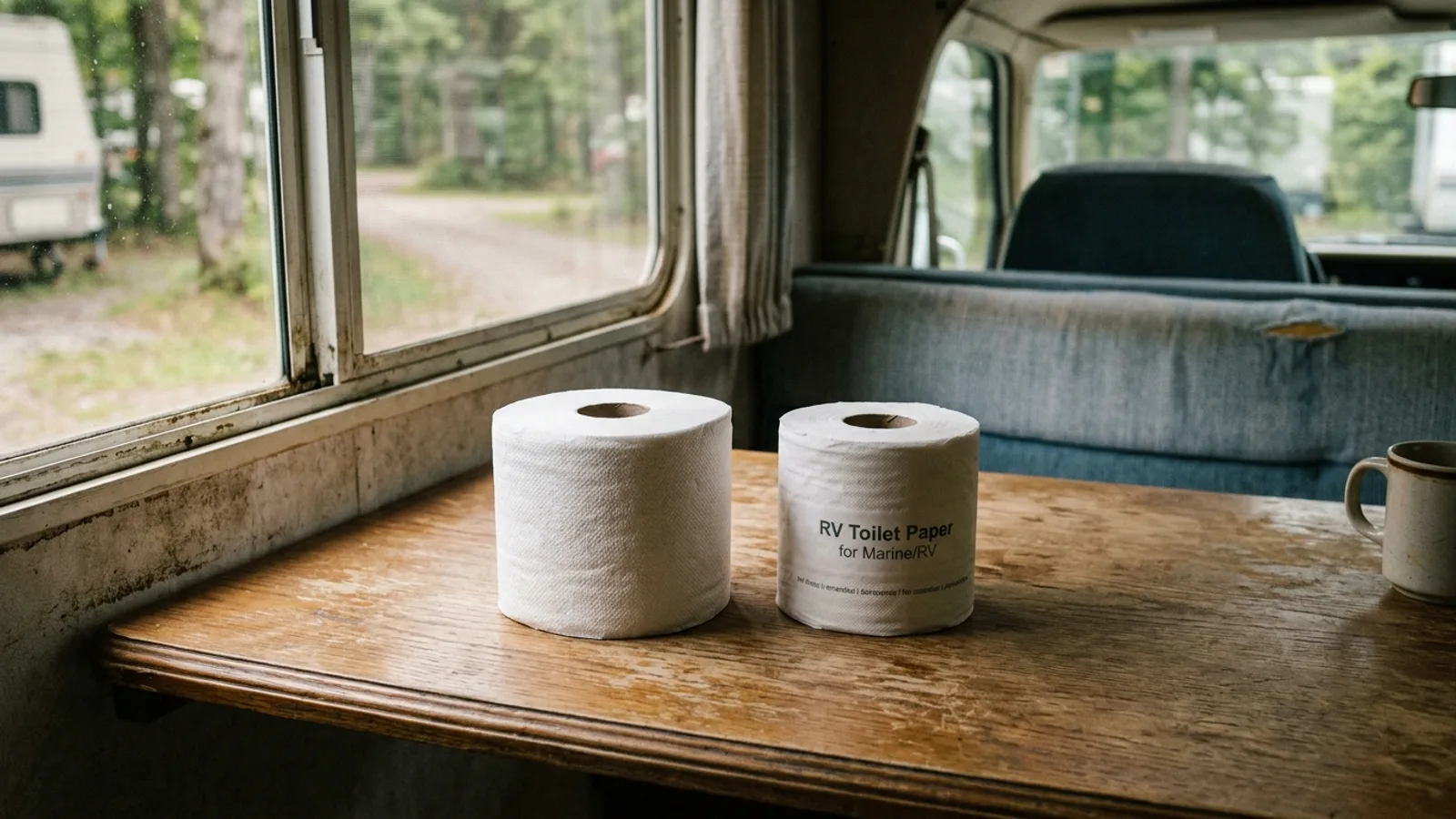
RV holding tanks work differently from a home sewer line. Waste and paper sit in a tank rather than flowing away immediately, so anything that doesn't break down quickly can accumulate and contribute to clogs or sensor problems. That's the reason "RV toilet paper" exists as a category, but it isn't the only way to solve the problem.
Why RV Tanks Are Different
A holding tank has limited water, limited agitation, and no continuous flow. Toilet paper needs to break apart on its own, with help from tank water and periodic dumping, rather than being carried away by a strong current. Paper that stays intact can pile up, block the outlet valve, or coat sensors so they give inaccurate readings.
This is why the key trait to look for isn't softness or thickness — it's how quickly and completely a paper breaks into small fibers when wet and agitated.
Do You Need Paper Labeled "RV-Safe"?
Not necessarily. Many regular household toilet papers, especially single-ply or "septic-safe" varieties, break down fast enough to work fine in an RV tank. Thick, quilted, multi-ply papers designed for maximum softness are the ones most likely to cause problems, because they're engineered to stay intact when wet.
The safest approach is to judge paper by how it behaves, not by what the package calls it.
The Jar Test
Before committing to a brand for road trips, test it at home:
- Fill a clear jar or container with water.
- Add a few sheets of the toilet paper you're considering.
- Seal it and shake for several seconds, similar to the agitation a tank gets when driving.
- Let it sit briefly, then look at how much the paper has broken into small pieces versus staying in clumps or sheets.
Paper that separates into loose fibers fairly quickly is a good candidate. Paper that stays mostly intact, even after shaking, is a poor choice for a holding tank no matter how comfortable it feels.
Using Regular Toilet Paper Safely
If you decide to use a standard household brand, a few habits reduce risk:
- Use single-ply or thinner options when possible — they generally break down faster than heavily layered, quilted papers.
- Use enough water with every flush. Water is what drives the breakdown process in a tank, so under-filling is one of the most common causes of clogs.
- Avoid letting the tank sit too long between dumps if you're using a lot of paper. Regular dumping and rinsing keeps solids from settling and hardening.
- Don't overload the tank with excessive paper in one sitting; use only what's needed.
Tank Treatments and Maintenance
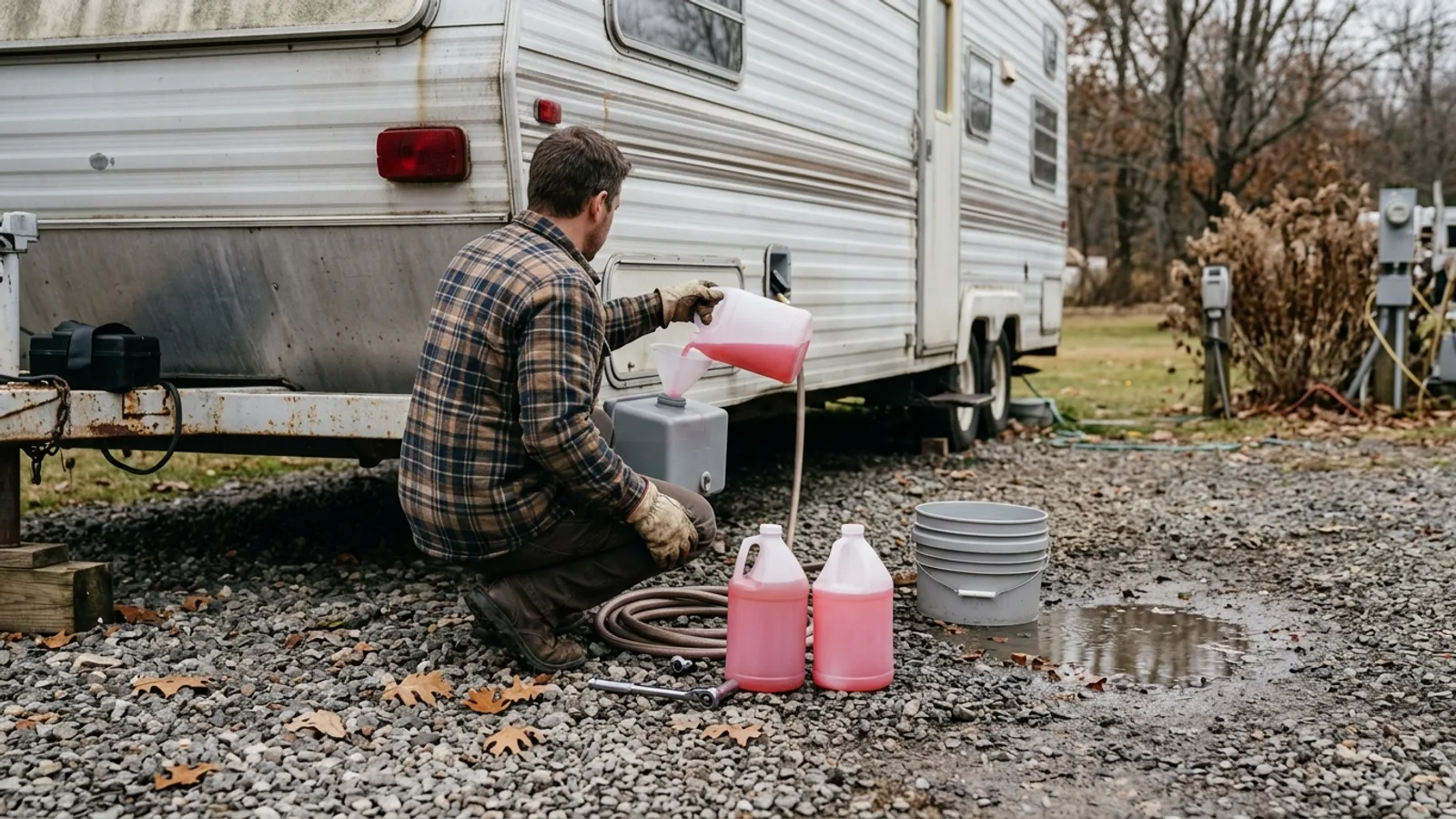
Tank treatments — liquids or packets added to the tank — are designed to help break down waste and paper and control odor. Many rely on enzymes or bacteria that work over time, so they're most effective when there's enough liquid in the tank for them to circulate.
Treatments are a helpful supplement, not a substitute for good habits. Adequate water, reasonably fast-dissolving paper, and regular dumping do most of the work; a treatment adds a margin of safety and helps with odor control.
Rinsing the tank thoroughly after dumping, and periodically flushing it with extra water, helps prevent residue buildup on tank walls and sensors, which is a common cause of inaccurate "tank full" readings even when the tank is actually empty.
Choosing What Works for You
There's no single correct answer — the right toilet paper for your RV is whichever one passes the dissolve test and fits your budget and comfort preferences. Some RVers prefer papers marketed specifically for RV or septic use for peace of mind. Others get equally reliable results with ordinary single-ply paper, using it thoughtfully and pairing it with good tank habits.
Whichever you choose, the combination that actually protects your plumbing is simple: paper that breaks down readily, enough water with every flush, and a consistent tank care routine.