Leaving RV Slide-Outs Extended: How Long Is Safe?
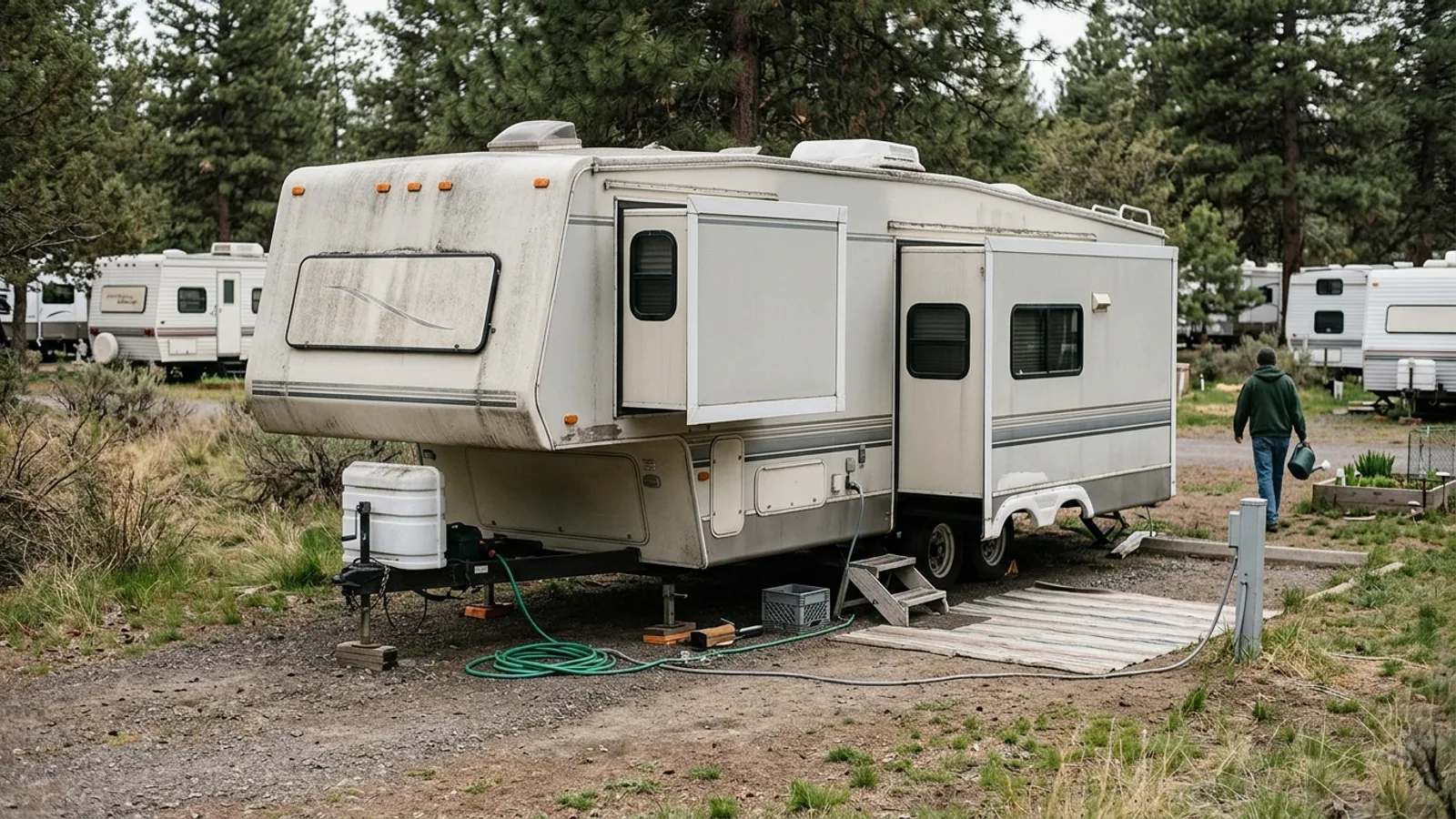
RV slide-outs add valuable living space, but leaving them extended for long stretches raises real questions about weather exposure, seal wear, and mechanical strain. There's no single number that applies to every rig, but there are clear principles that will keep your slide-out system working reliably for years.
What Happens When a Slide Stays Out
A slide-out room is sealed against the weather by rubber or foam gaskets and often a fabric or rubber topper that sheds rain and snow. These components are designed to handle ongoing exposure, but they still age faster the more they're subjected to sun, moisture, and temperature swings.
Extended exposure can dry out and crack seals over time, especially in strong sun. Toppers can accumulate debris, pool water, or take on wind stress if left out during storms. None of this means a slide can't be left out — it means the components need attention if it is.
How Long Is Reasonable
For a rig you're actively living in or camping in, leaving slides extended for the duration of a stay is standard practice and not inherently risky. The bigger consideration is what happens when you're away from the RV or storing it.
If you're leaving the RV unattended for more than a day or two — parked at home, in storage, or while you travel elsewhere — it's generally safer to retract the slides. This reduces exposure to weather, keeps the seals compressed and protected, and removes one more thing that could be damaged by wind, falling branches, or a sudden storm while no one is there to respond.
For long-term or seasonal storage, slides should almost always be retracted unless the manufacturer or a qualified RV technician has advised otherwise for your specific model.
Weather Considerations
Heavy rain, snow load, and high wind are the conditions most likely to cause problems for an extended slide. Snow and ice can add significant weight to a topper, and pooling water is one of the more common ways interiors end up with hidden leaks. If severe weather is forecast and you won't be there to monitor the RV, retracting the slide is the safer default.
Maintenance That Matters
Whether you leave slides out often or rarely, a few habits go a long way toward preventing problems:
- Inspect seals and toppers regularly. Look for cracking, tearing, gaps, or areas where the seal no longer makes firm contact. Address problems early rather than waiting for a leak.
- Keep the slide roof and top clear. Before retracting, clear off leaves, dirt, and standing water so debris doesn't get pulled into the seal or trapped against the RV's roof.
- Clean and lubricate moving parts. Slide mechanisms — rails, gears, or arms depending on the system — benefit from periodic cleaning and the lubricant type recommended for your specific hardware.
- Exercise the slide periodically. Even during storage, extending and retracting a slide occasionally helps prevent seals from taking a compression set and keeps mechanisms from seizing up.
Safe Operating Practices
A few basic habits reduce both mechanical risk and personal injury risk when operating a slide:
- Level and stabilize the RV before extending or retracting. An unlevel rig puts uneven stress on the slide mechanism.
- Clear the slide's top surface of water and debris before bringing it in.
- Check for obstructions — furniture, cords, pets, people — both inside and outside the slide's path before operating it.
- Keep hands, feet, and other body parts clear of the slide opening while it's moving.
- Avoid putting weight on the slide floor when it's retracted, since the flooring in that section isn't always designed to bear load in the closed position.
- Confirm you have adequate battery power before operating an electric slide, since low power can cause it to stop partway through a cycle.
When in Doubt, Check Your Owner's Manual
Slide-out systems vary by manufacturer and model, and some have specific guidance about storage duration, lubrication products, or seasonal care. Your RV's owner's manual is the most reliable source for details specific to your unit, and a qualified RV technician can help if you notice unusual noise, resistance, or misalignment during operation.
Bottom Line
Leaving a slide out while you're using the RV is normal and expected. The main thing to avoid is leaving it extended and unattended for long periods, especially in bad weather or during storage. Regular inspection, cleaning, and occasional exercising of the mechanism will do more for the slide's longevity than any rule about a specific number of days.