How Long a Winterized Camper Can Sit in Storage — and How to Do It Right
The Short Answer
There's no fixed expiration date on a properly winterized camper. What matters isn't a countdown clock, it's whether the plumbing system was fully protected, whether the unit is checked periodically, and where it's stored. A camper winterized carefully and stored somewhere dry and temperature-stable can sit for a full winter season, or longer, without issue. One that's rushed through winterization or left in a damp, unventilated space can develop problems within weeks, regardless of how much time has technically passed.
Think of winterization as a state, not a timer. The real question to ask isn't "how long has it been," but "has anything happened to compromise the protection since I did it."
The Two Common Winterization Methods
RV Antifreeze
This method replaces the water in the plumbing system with a nontoxic antifreeze made specifically for RVs, pushed through the lines until it appears at every faucet, the toilet, and the water heater bypass. Because the antifreeze itself doesn't freeze at typical winter temperatures, it continues protecting the system as long as it stays in the lines and isn't diluted or displaced by leftover water.
This is generally the more forgiving method. If a small amount of water was missed during draining, the antifreeze in the surrounding lines still offers some buffer. It also tends to hold up well through repeated freeze-thaw cycles, which makes it a common choice in climates with unpredictable winter swings.
Blowing Out the Lines
This method uses compressed air to force all water out of the plumbing system, leaving the lines dry rather than filled with antifreeze. It avoids the taste and cleanup issues some people associate with antifreeze, and it's often used in milder climates or as a first pass before adding antifreeze as a backup.
The tradeoff is that dry lines offer no ongoing protection if a small pocket of water was missed. A blowout is only as good as how thorough it was at the time. It doesn't age the way antifreeze does, but it also doesn't provide any margin for error later.
Many experienced owners combine both: blow out the lines first, then add antifreeze afterward for a second layer of protection.
Maintenance That Actually Extends Storage Life
Seals and Roof
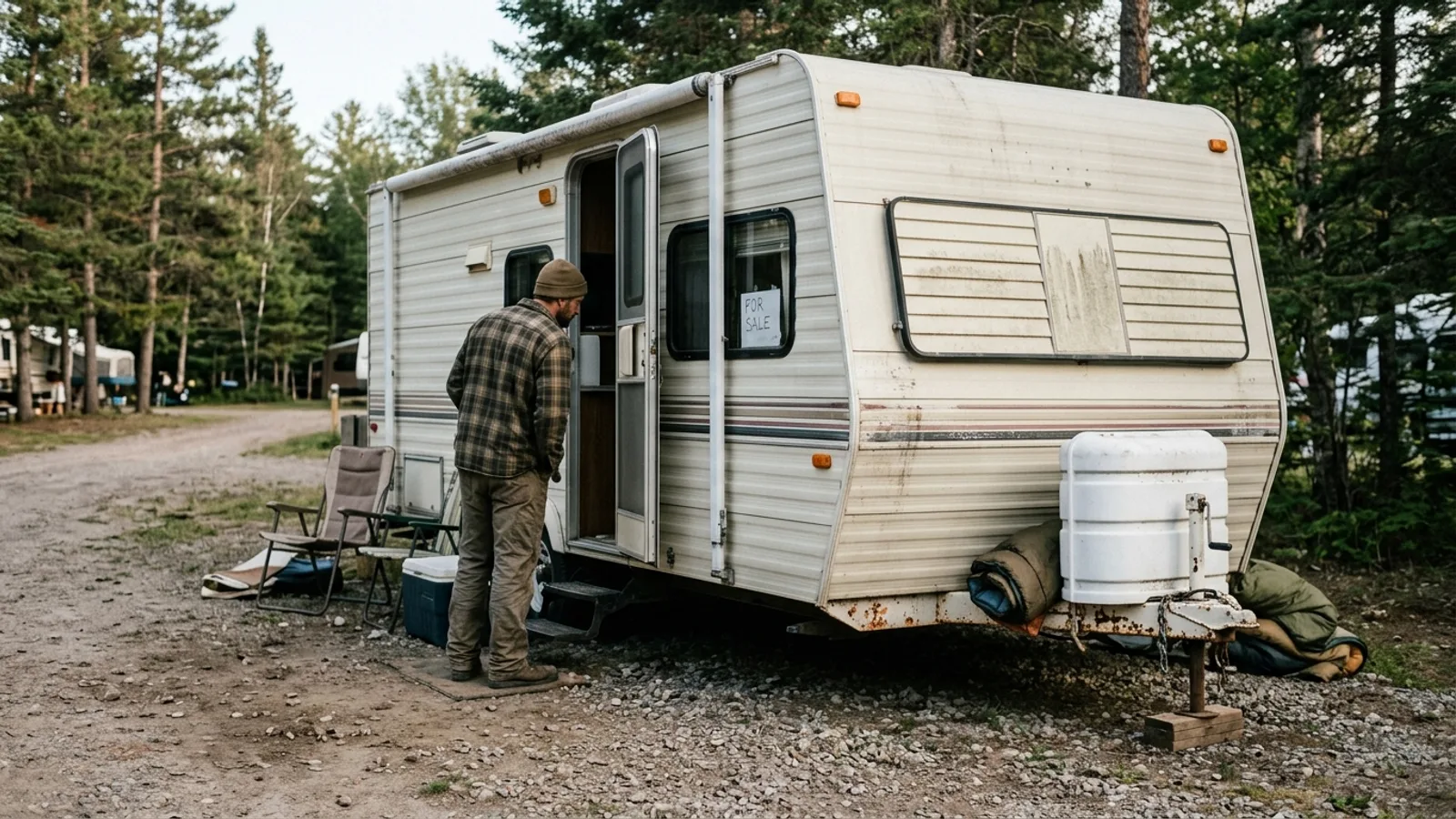
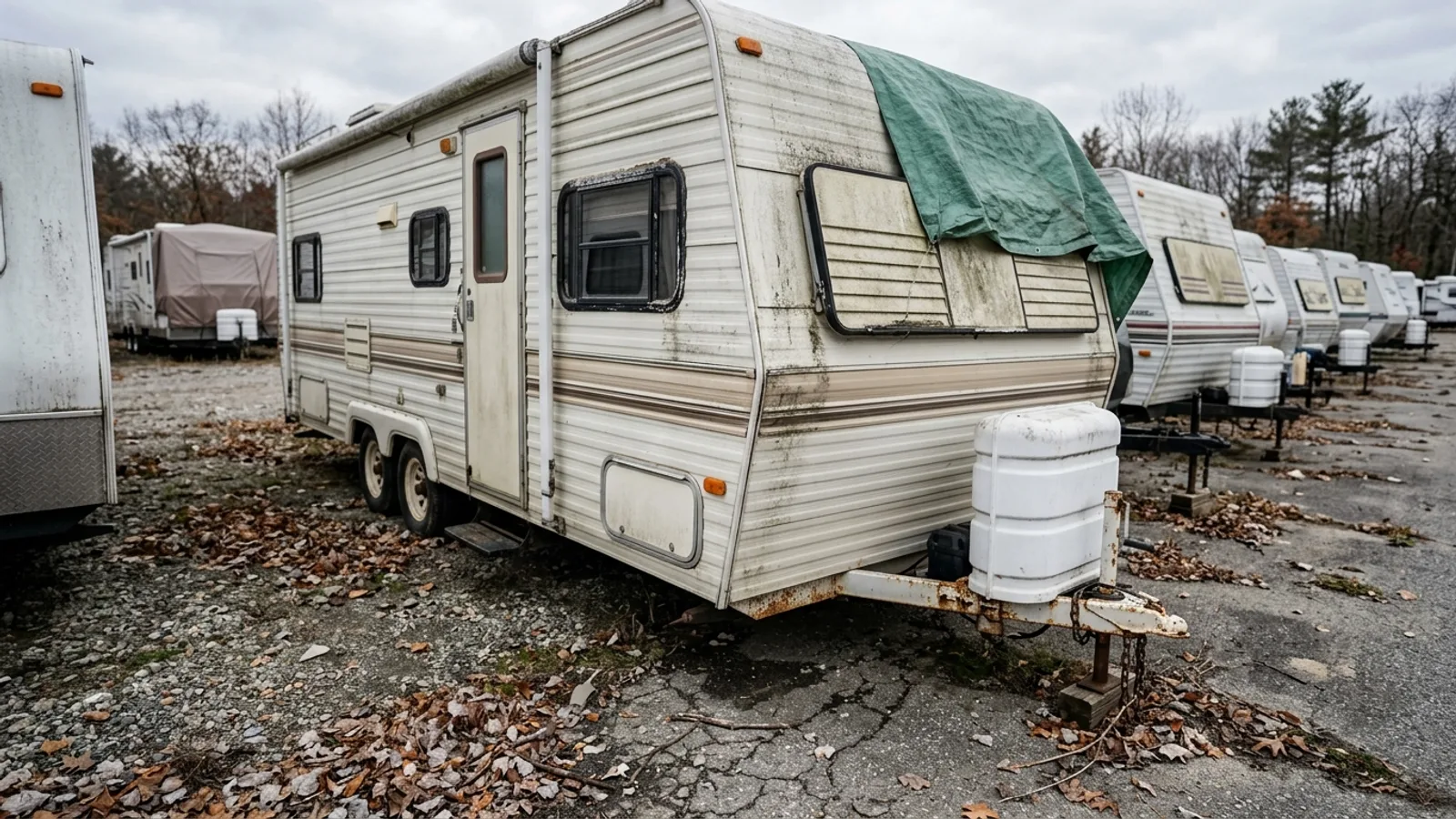
Water intrusion, not cold, is the most common cause of serious damage to a stored camper. Before storing, inspect roof seams, vent covers, window seals, and slide-out gaskets for cracking or separation. Recheck periodically through the storage period if access allows, since seals can degrade from sun exposure and temperature swings even when the camper isn't in use.
Plumbing
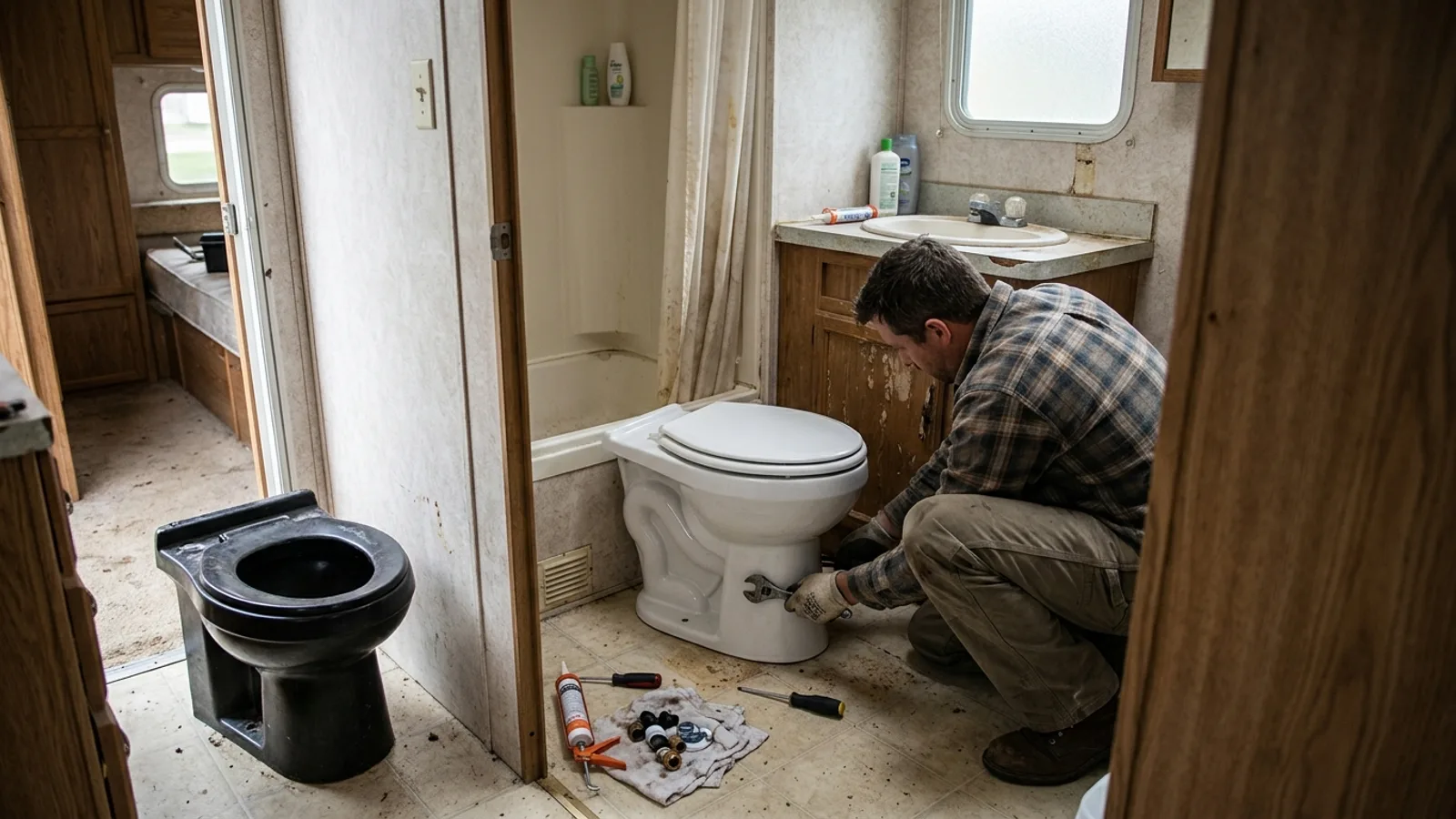
Beyond the initial winterization, it helps to periodically confirm that antifreeze hasn't been displaced and that no new leaks have developed. If the camper is moved or jostled during storage, it's worth a quick check that fittings are still snug.
Moisture and Mold
Closed, humid interiors are prone to mold and mildew regardless of outside temperature. Leaving some airflow (a roof vent cracked slightly, if weatherproof, or a moisture absorber placed inside) reduces this risk. Wiping down surfaces and removing anything that traps moisture, like damp towels or upholstery left against walls, matters more than the length of storage itself.
General Housekeeping
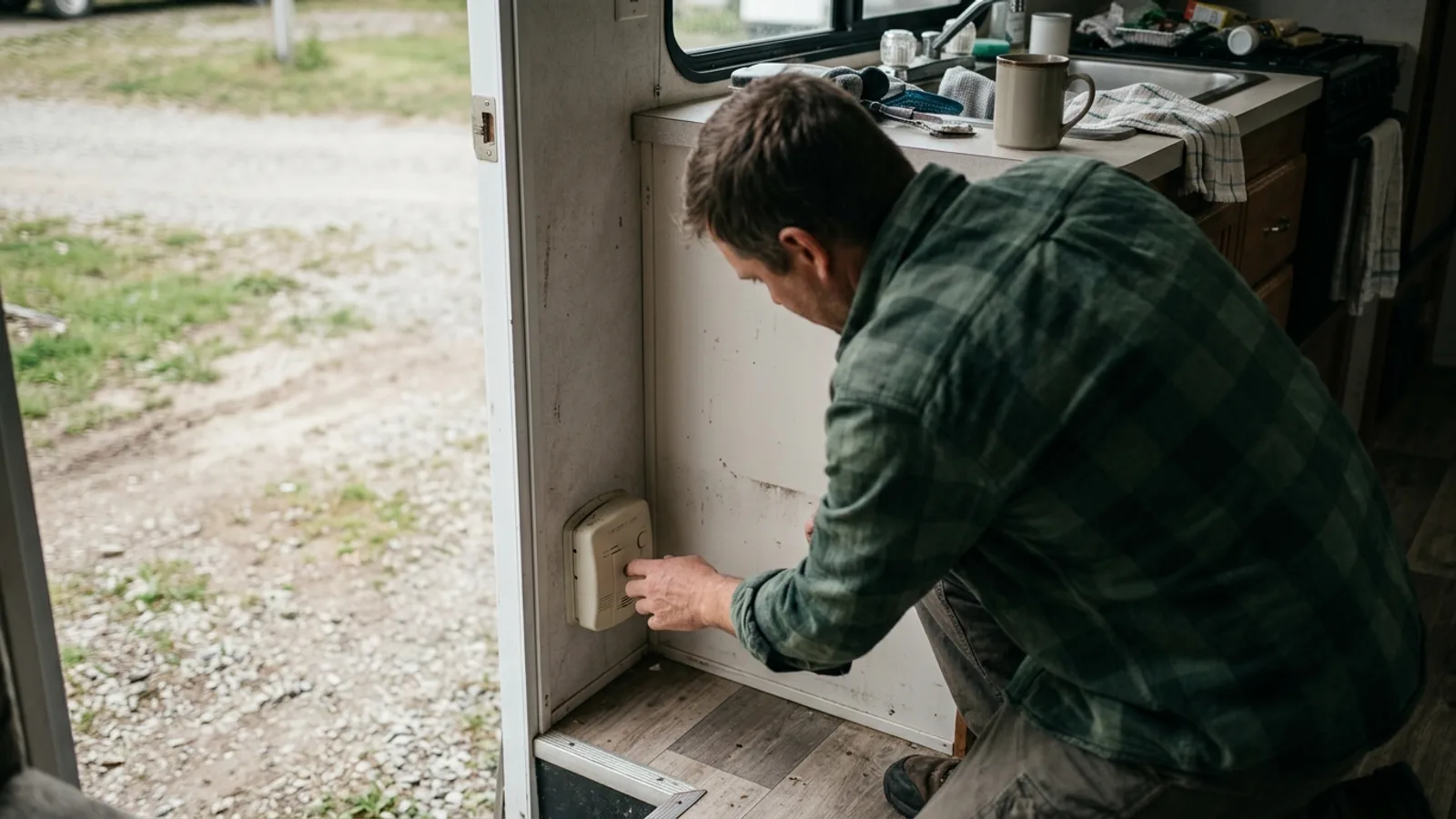
Clean out the refrigerator, cabinets, and any food storage completely; leftover food residue attracts pests over a long storage period more reliably than it does over a short one. Check the battery, tires, and propane system before storage, since these components can degrade independent of the plumbing winterization.
Choosing a Storage Location
Driveway or Home Garage
Convenient and easy to monitor, but only as protective as the space itself. An uninsulated garage or an exposed driveway offers little defense against sun, wind, or moisture, so a breathable cover and periodic checks are worthwhile.
Enclosed Storage Facility
A dedicated indoor storage unit, especially one with climate control, offers the most consistent protection from weather extremes and UV exposure. This is generally the safest option for longer storage stretches.
Covered Outdoor Storage
Covered spaces in RV storage yards or lots reduce direct sun and precipitation exposure while remaining more affordable than fully enclosed units. Confirm the facility has reasonable security and drainage, since pooling water nearby can undermine the benefit of the cover.
Peer-to-Peer Storage Marketplaces
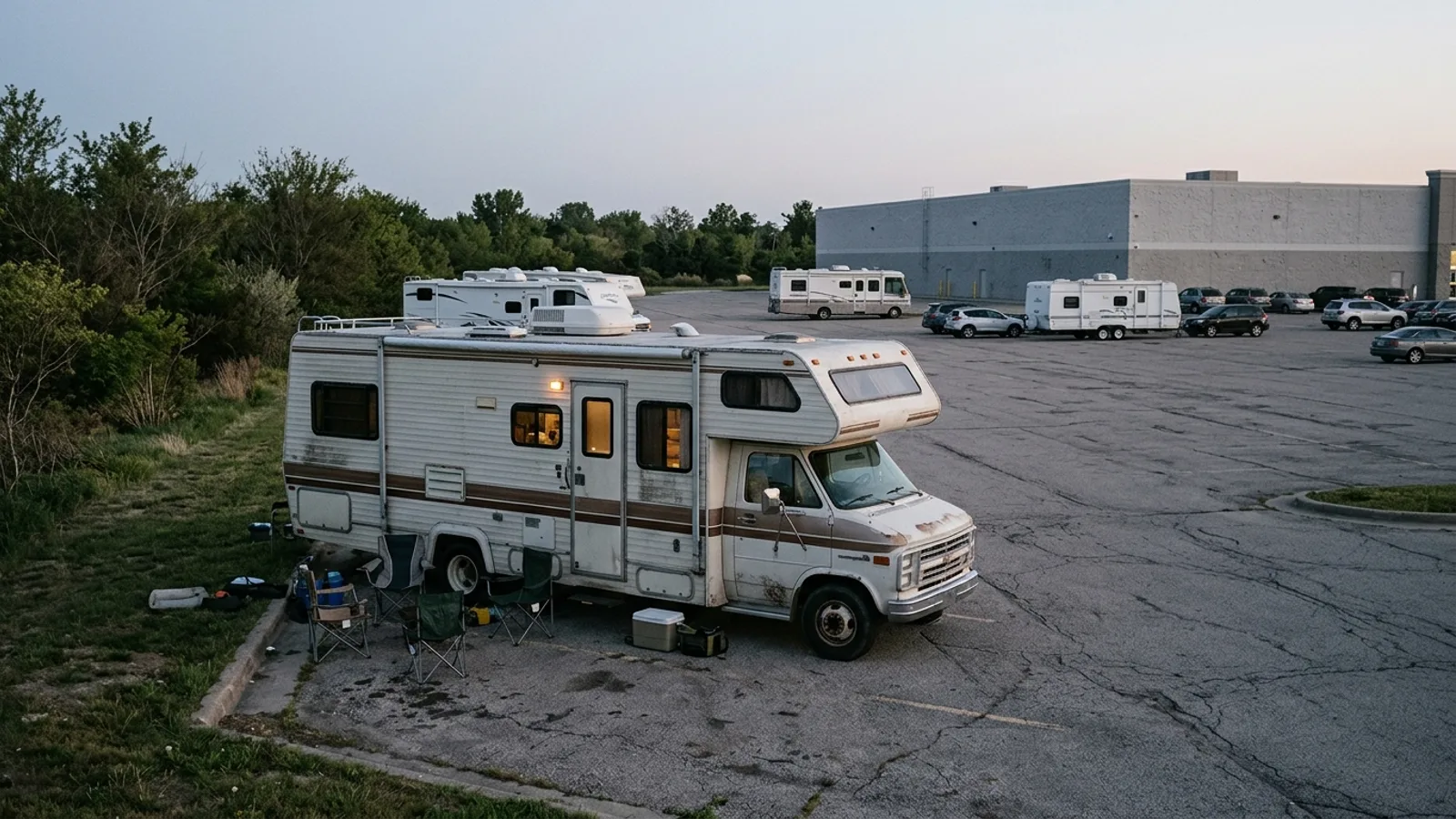
Renting space from an individual with an available driveway, lot, or garage has become a common alternative to traditional facilities. Quality varies widely, so it's worth confirming drainage, security, and accessibility before committing a camper to an unfamiliar space for an extended period.
Shelf Life of RV Antifreeze (Unopened and In Use)
Unopened RV antifreeze stored in a cool, dark place away from temperature extremes generally remains effective for a long time, though it's good practice to check the container for cloudiness, separation, or an off smell before use. Once it's in the plumbing system, its effectiveness depends more on whether it stays in place and undiluted than on elapsed time. If a camper sits for multiple seasons, checking the antifreeze concentration at the start of the next season is a reasonable precaution rather than assuming it's still at full strength.
Using a Winterized Camper in Cold Weather
Some campers, particularly those built with insulated or heated underbellies, can be used in freezing conditions after temporarily reversing the winterization process. This typically means flushing the antifreeze from the system, refilling with fresh water, and confirming heating elements are working before relying on the plumbing.
After any temporary use, re-winterize promptly rather than leaving the system exposed, since a partially protected system is often worse than one that was never de-winterized at all.
Driving a winterized camper is not a problem in itself. Many owners winterize at home before towing or driving to a storage location, which avoids handling the process at the storage site and reduces the chances of missing a step.
The Bottom Line
How long a winterized camper can safely sit depends far less on a specific number of months or years than on three things: how thoroughly the winterization was done, how stable and dry the storage environment is, and whether anyone checks on it periodically. Treat winterization as an ongoing state to maintain, not a one-time task with a built-in shelf life, and the camper will come out of storage in much better shape.