Overnight RV Parking at Walmart: What to Know Before You Stop
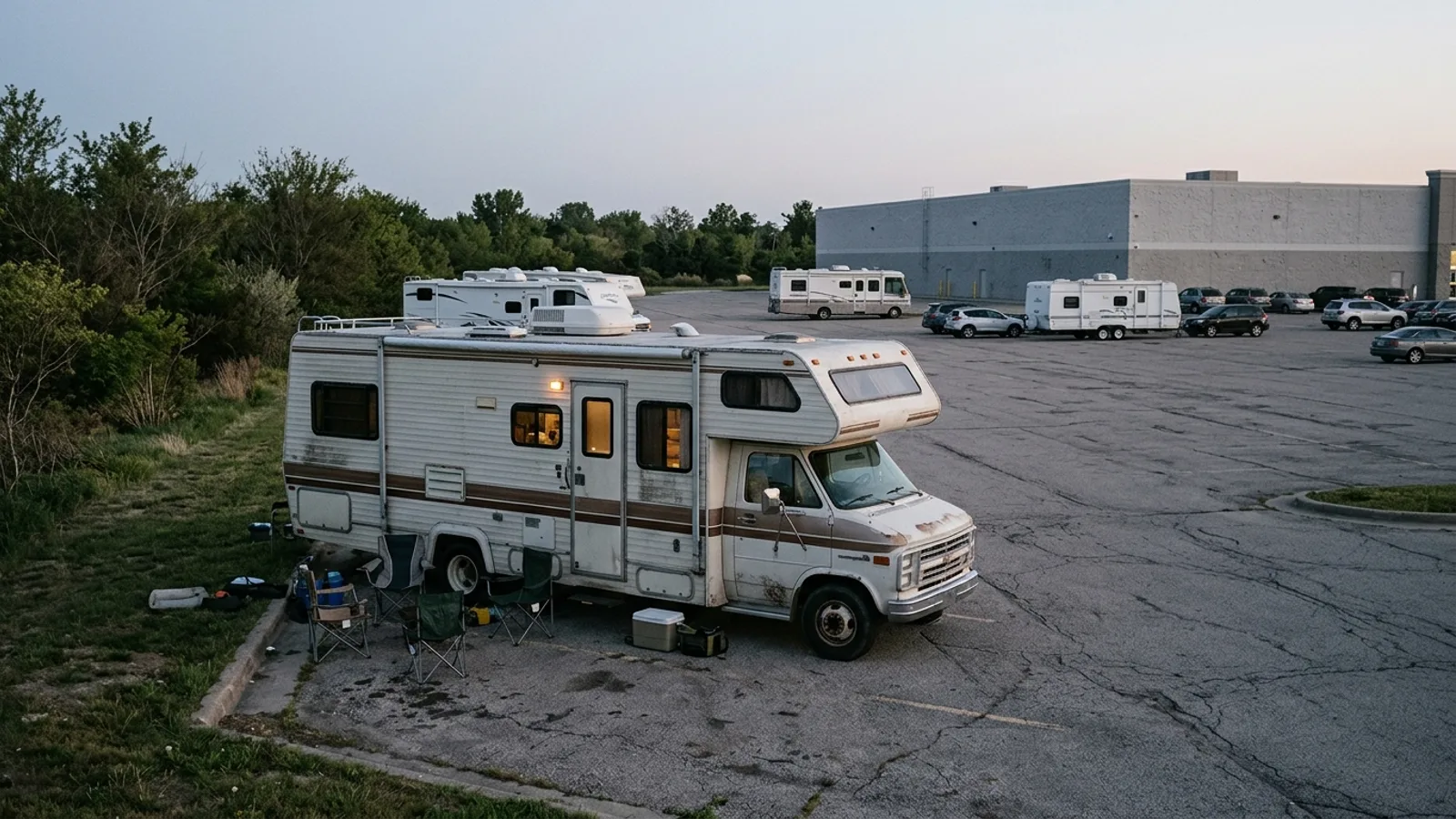
The General Idea
Many Walmart stores have historically allowed self-contained RVs to park overnight in a corner of their lot, treating it as a courtesy to travelers rather than a formal service. This is not a guaranteed benefit and it is not uniform. Individual stores set their own policy, and that policy can change based on local ordinances, store management, past problems with overstaying guests, or complaints from neighboring businesses.
Because there is no company-wide guarantee, the only reliable way to know whether a specific store allows it is to ask in person or call ahead. Never assume a lot is open to overnight parking just because you saw RVs there before.
Legality Depends on Local Law, Not Just Store Policy
Even if a store manager is happy to let you stay, overnight parking can still be restricted by city or county ordinance. Many municipalities have rules against sleeping in a vehicle on private commercial property, and some specifically prohibit it, regardless of what the property owner wants. Local signage, posted lot rules, or municipal codes take precedence over general assumptions about retail parking.
Before relying on any lot for an overnight stop, check for posted no-overnight-parking signs and be aware that enforcement can vary by jurisdiction. If you are unsure, a quick call to local police non-emergency line or the store itself can clarify whether overnight stays are currently tolerated in that area.
How Long You Can Reasonably Stay
Where overnight parking is permitted at all, it is almost always understood to mean a single night, not an extended stay. Retail lots are designed for customer turnover, not long-term parking, and staying multiple nights in the same spot is more likely to draw attention from staff or local authorities. Treat it as a one-night convenience stop between destinations, not a free campsite.
Towing and Enforcement
Vehicles left in a private lot without permission, or left well beyond what was agreed to, can be towed at the owner's expense. Towing policies and enforcement are handled at the discretion of the property or its management, and practices vary by location. The safest approach is always to get clear permission for your specific dates before you settle in, and to leave by the time you said you would.
Etiquette for a Good Stay
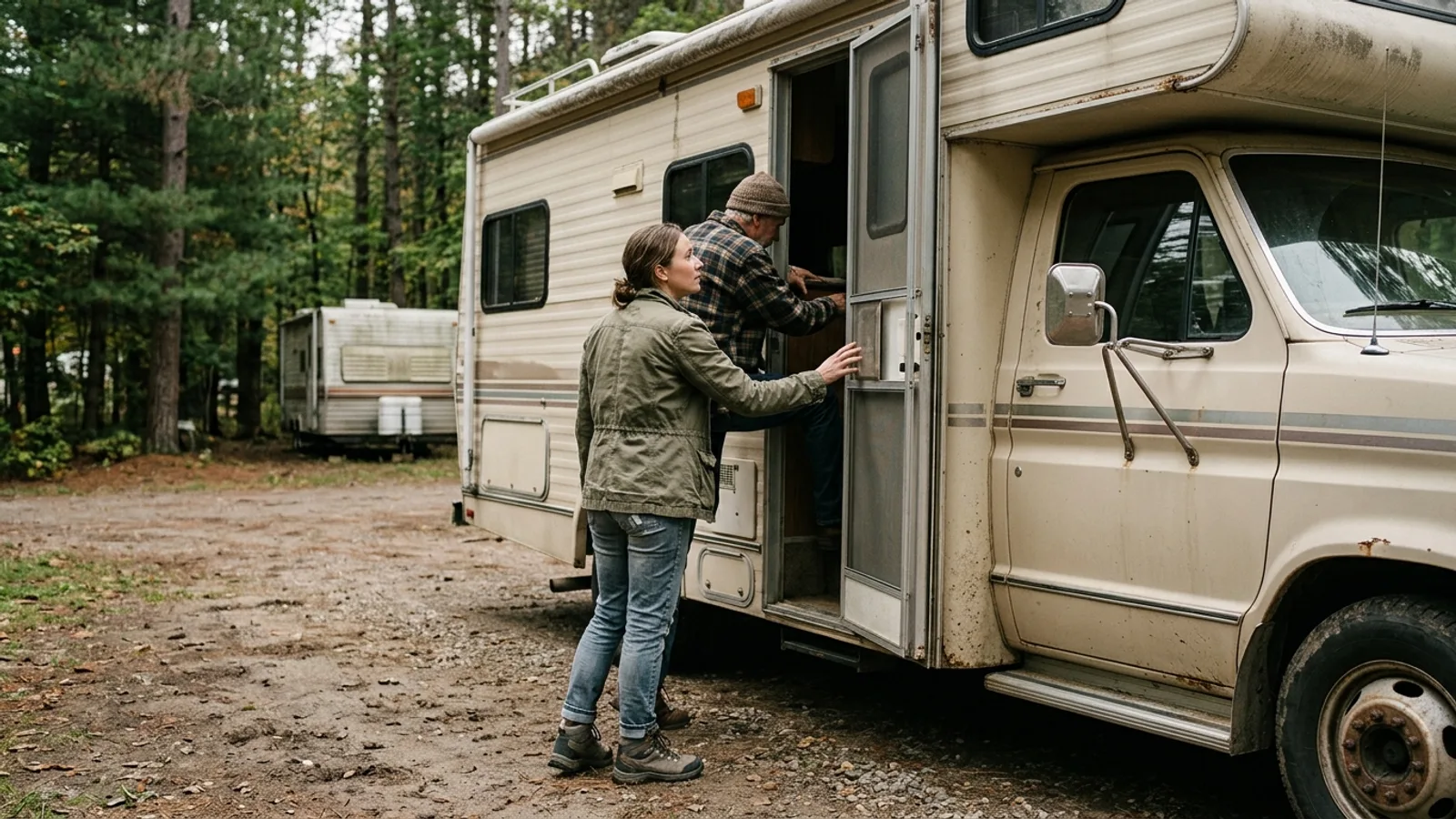
- Ask first. Speak with a manager or front desk staff when you arrive, rather than assuming the lot is open to overnight guests.
- Arrive late, leave early. Minimize your footprint during business hours by pulling in later in the evening and departing early the next morning.
- Park at the edge. Choose a spot away from the main entrance and away from areas reserved for customer parking, deliveries, or cart corrals.
- Don't set up camp. Keep slide-outs in, awnings retracted, and chairs and grills packed away. This is a parking stop, not a campsite.
- Keep noise and lights down. Generators, bright exterior lights, and loud conversations are the most common source of complaints.
- Clean up after yourself. Don't dump gray or black water, and don't leave any trash behind.
- Consider supporting the store. Making a small purchase is a simple way to acknowledge the courtesy, even though it isn't required.
Choosing a Safe Spot
Pick a well-lit area within view of the store or security cameras rather than a dark, isolated corner. Being visible is generally safer than being tucked away, and it also signals to staff that you're a legitimate overnight guest rather than someone avoiding notice.
Backup Options When a Lot Doesn't Work Out
Retail parking should always be a backup plan, not your primary lodging strategy, since availability is unpredictable and can change without notice. Useful alternatives include:
- Truck stops. Large travel centers often have dedicated RV or oversized-vehicle parking, along with restrooms, fuel, and food.
- Rest areas. Many highway rest stops allow a limited stay for driver rest, though posted time limits vary by state and are typically enforced.
- Casinos. Some casino properties welcome overnight RV parking as a courtesy to visitors, but this varies by property and should be confirmed ahead of time.
- Public lands. Some federal and state lands allow dispersed camping or overnight parking outside of formal campgrounds, subject to specific rules for that unit.
- Campgrounds and RV parks. For a guaranteed spot with hookups and amenities, a reserved site remains the most predictable option, especially during busy travel periods.
Whatever option you choose, having a backup destination in mind before you're tired and ready to stop makes the whole trip smoother.
Planning Ahead
If overnight retail parking is central to your travel plan, build flexibility into your route. Identify a few possible stops along your path, check for posted restrictions when you arrive, and always have a fallback in mind in case your first choice doesn't work out that night.