How to Find an Affordable Camper: A Practical Buyer's Guide
Start With What You Can Tow or Carry
Before comparing any campers, know your tow vehicle's rated towing capacity or your truck's payload capacity. This single number narrows the field faster than any price filter. A camper that exceeds your vehicle's rating is not a bargain at any price — it's a safety and reliability problem waiting to happen.
For trailers, pay attention to both the loaded weight and the tongue weight, since the latter affects how the trailer handles behind your vehicle. For truck campers, check your truck's payload rating, not just its towing capacity, since the camper sits directly on the bed and rear axle.
Used Campers Offer the Most Value, With Caveats
The used market is usually where the best value lives. Depreciation on trailers and RVs is steep in the first few years, so a lightly used unit can cost meaningfully less than new while offering nearly the same features and condition.
The tradeoff is that you take on more responsibility for inspection. Before buying any used camper:
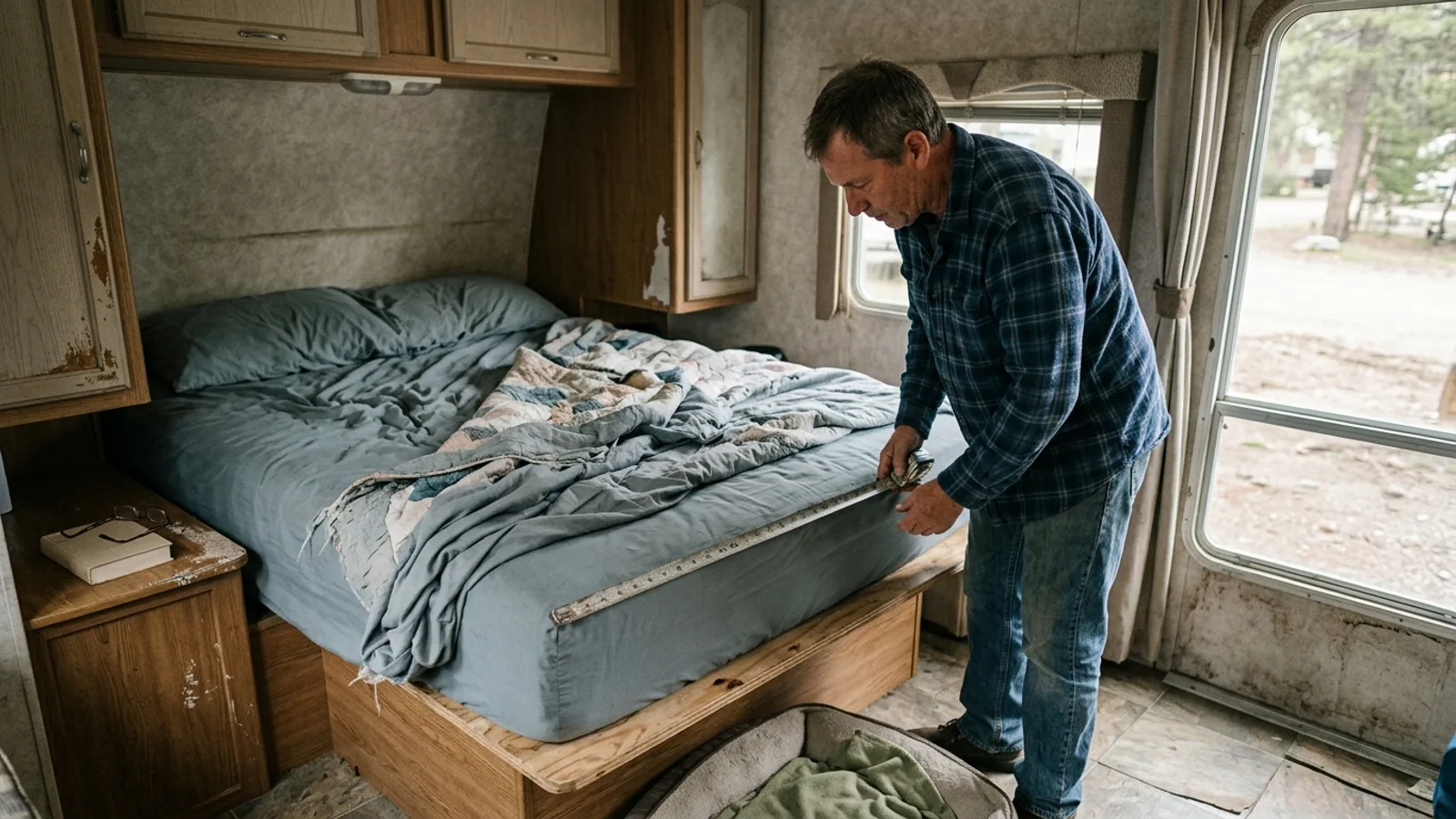
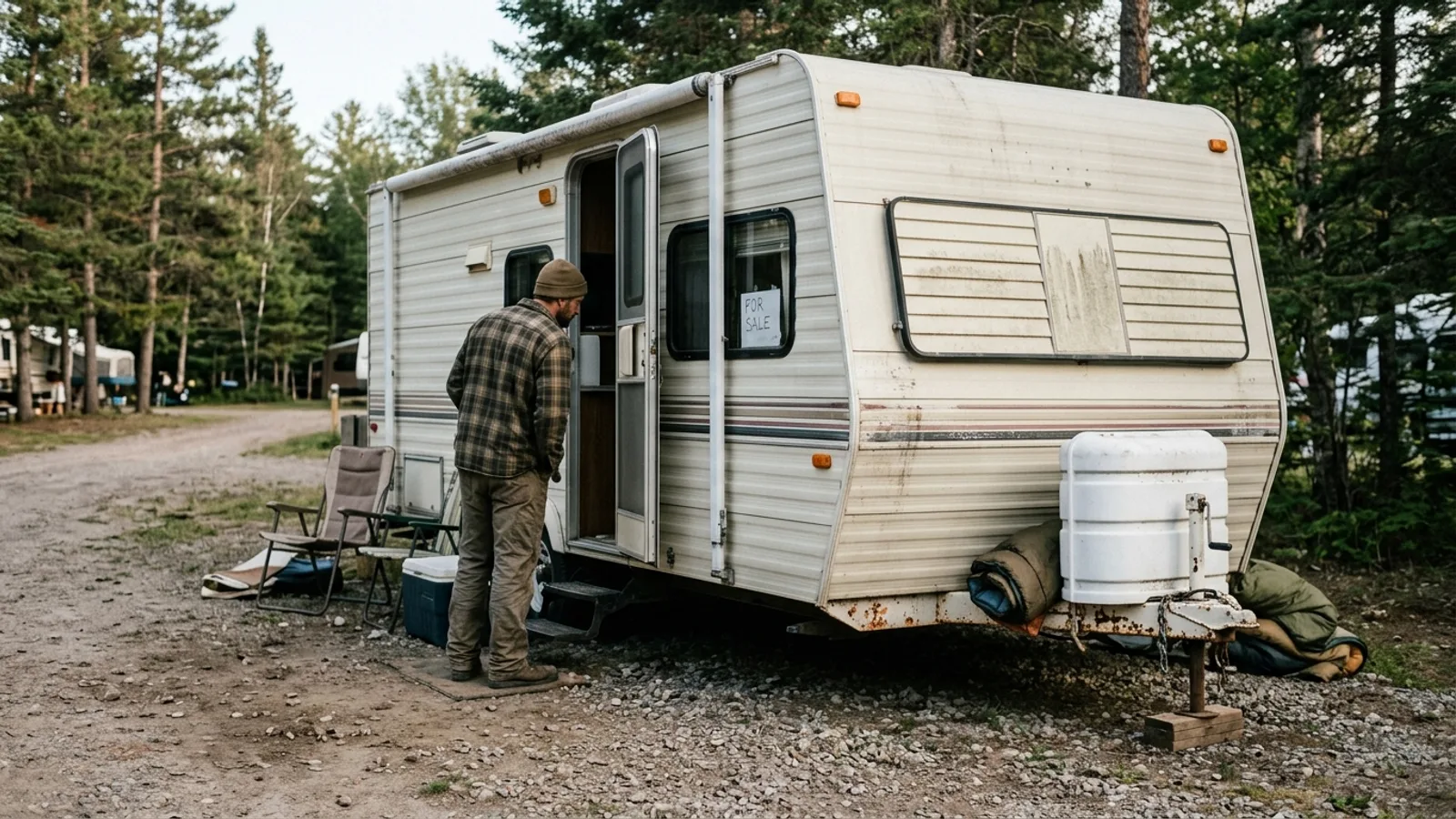
- Check the roof and seams. Water intrusion is the most common and most expensive problem in campers. Look for soft spots, discoloration, or a musty smell inside, and check the ceiling and wall corners for staining.
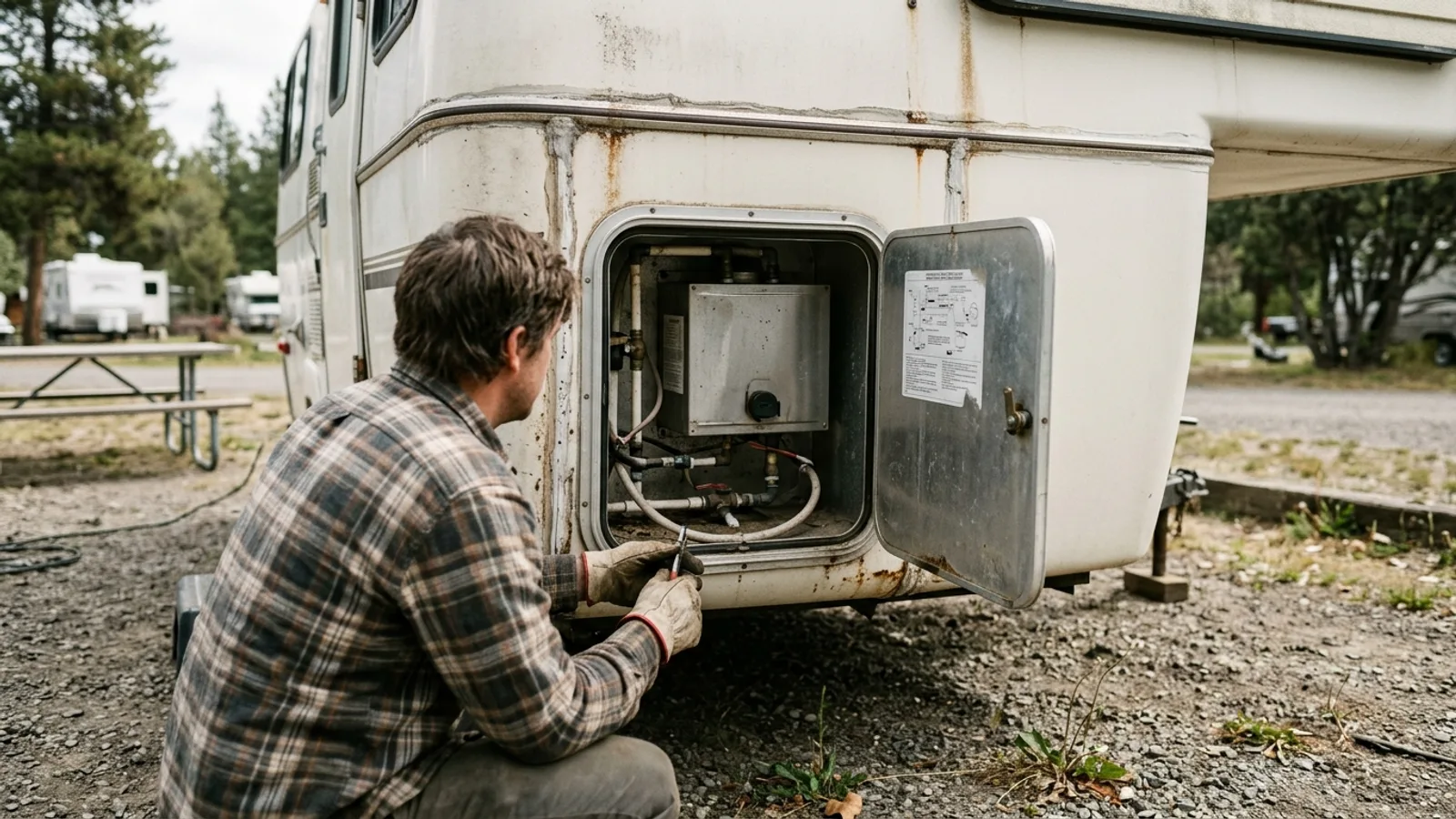
- Test the systems. Run the water pump, water heater, furnace, and any air conditioning. Turn on every appliance if possible before you commit.
- Inspect the frame and axles on trailers. Rust, especially near welds, and uneven tire wear can signal alignment or suspension issues.
- Ask for maintenance and title history. A seller who can produce service records and a clean title is a better sign than a low price alone.
- Get an independent inspection for a significant purchase. A qualified RV inspector can catch issues a casual walkthrough will miss, and their fee is small compared to the cost of a hidden roof leak or frame damage.
Vintage and Renovated Trailers
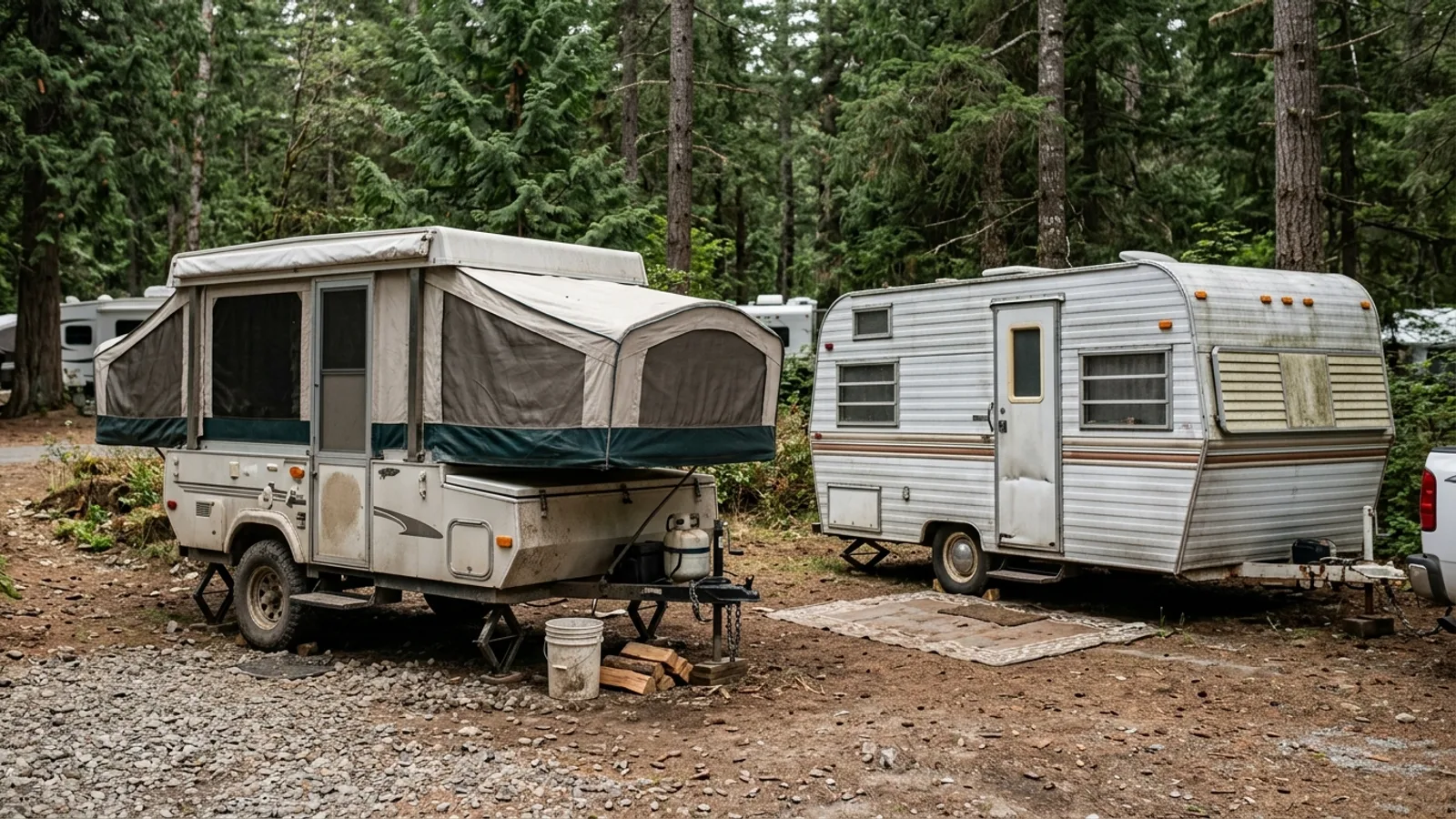
Older, smaller trailers — sometimes decades old — remain popular for their light weight and simple systems, which makes them easier to maintain and repair yourself. Many buyers take on a project trailer specifically to renovate it, which can be rewarding but should be budgeted as a project, not a shortcut to savings, since materials and time add up.
If you find one already renovated, ask what was replaced versus cosmetically covered. A fresh interior doesn't tell you about the condition of the frame, axles, or roof membrane underneath.
New, Budget-Oriented Trailers and RVs
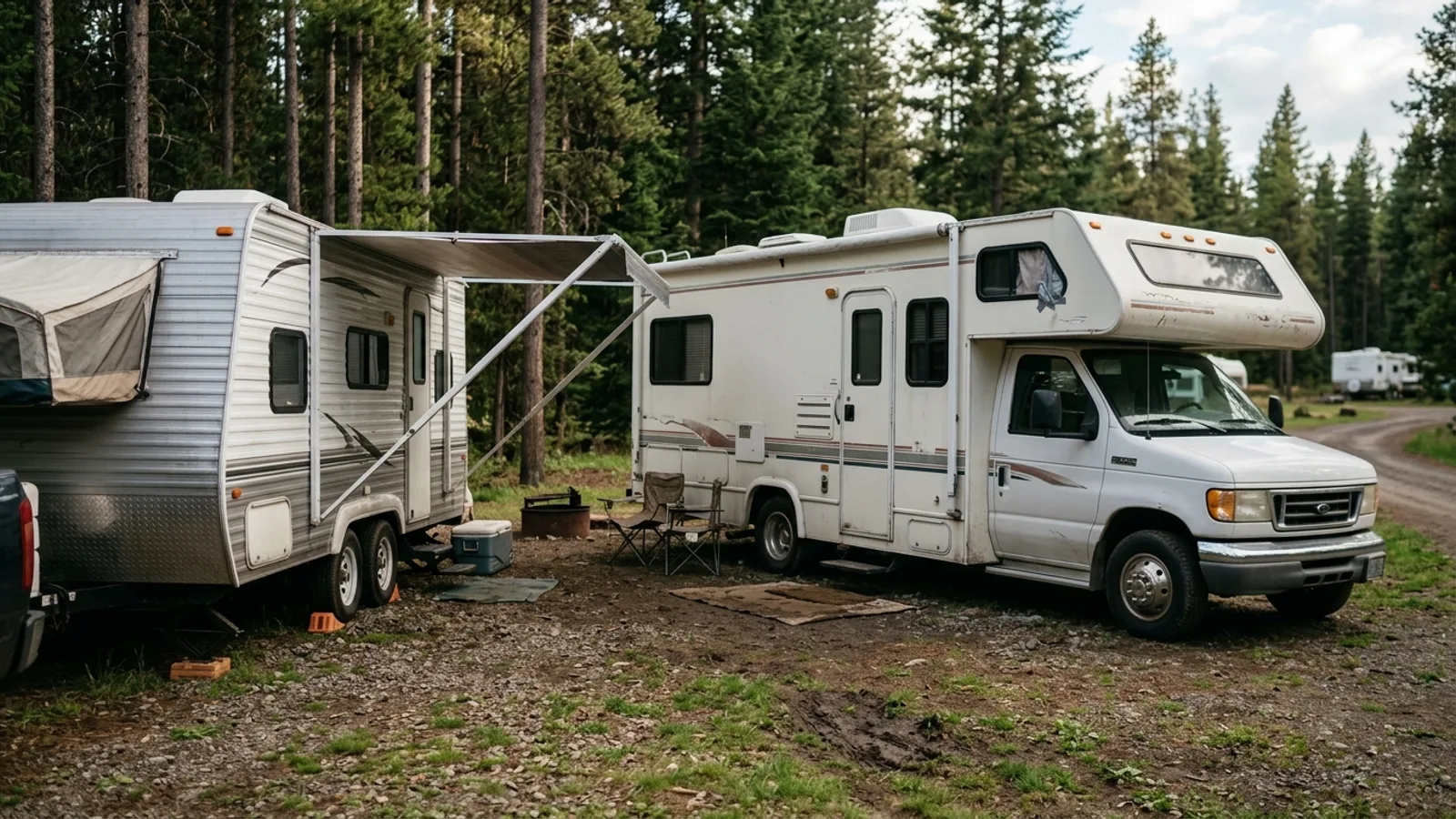
Entry-level trailers and towable RVs exist across most major manufacturers' lineups, generally as their smaller, lighter-weight models. These typically trade some interior space and storage for a lower base price and lighter tow weight. When comparing them, look past the sticker price to:
- Insulation quality and rated temperature range, if you plan to camp outside of mild seasons.
- Build materials — aluminum-framed and fiberglass-sided units tend to hold up better long-term than wood-framed models with less weather resistance.
- Warranty coverage and the reputation of the dealer network for service, since budget models can have less robust componentry.
A lower price up front sometimes means higher repair costs down the road. Weigh the total cost of ownership, not just the purchase price.
Truck Campers: An Option If You Already Have a Truck
If you own a suitable pickup, a truck camper can be one of the most cost-effective ways into camping, since you're not buying or maintaining a separate towing setup. Truck campers also let you park off pavement more easily than a trailer and don't require backing-up practice.
The tradeoffs: interior space is limited, your truck's fuel economy will drop noticeably with a camper mounted, and you'll want to confirm your suspension and tires are rated for the added weight. Adding helper springs or upgrading tires is common and worth budgeting for.
Questions to Ask Before Any Purchase
- What is the actual dry weight versus the loaded weight, and does that fit my vehicle's rating with passengers, water, and gear included?
- What does the manufacturer's or previous owner's maintenance schedule look like, and has it been followed?
- Are there any recalls or common failure points associated with this model or model year that a mechanic or dealer can check?
- What's the resale outlook — does this brand or type hold value if I want to upgrade later?
Bottom Line
There isn't one universally "cheapest" camper — the right low-cost choice depends on your tow vehicle, how you plan to camp, and how much time you're willing to spend on maintenance or renovation. A well-maintained used trailer, a simple truck camper on a truck you already own, or an entry-level new model can all be genuinely affordable, provided you match the camper to your vehicle's ratings and inspect it carefully before buying.