How RV Generators Work: Power, Fuel, and Maintenance Explained
The Basic Idea Behind an RV Generator
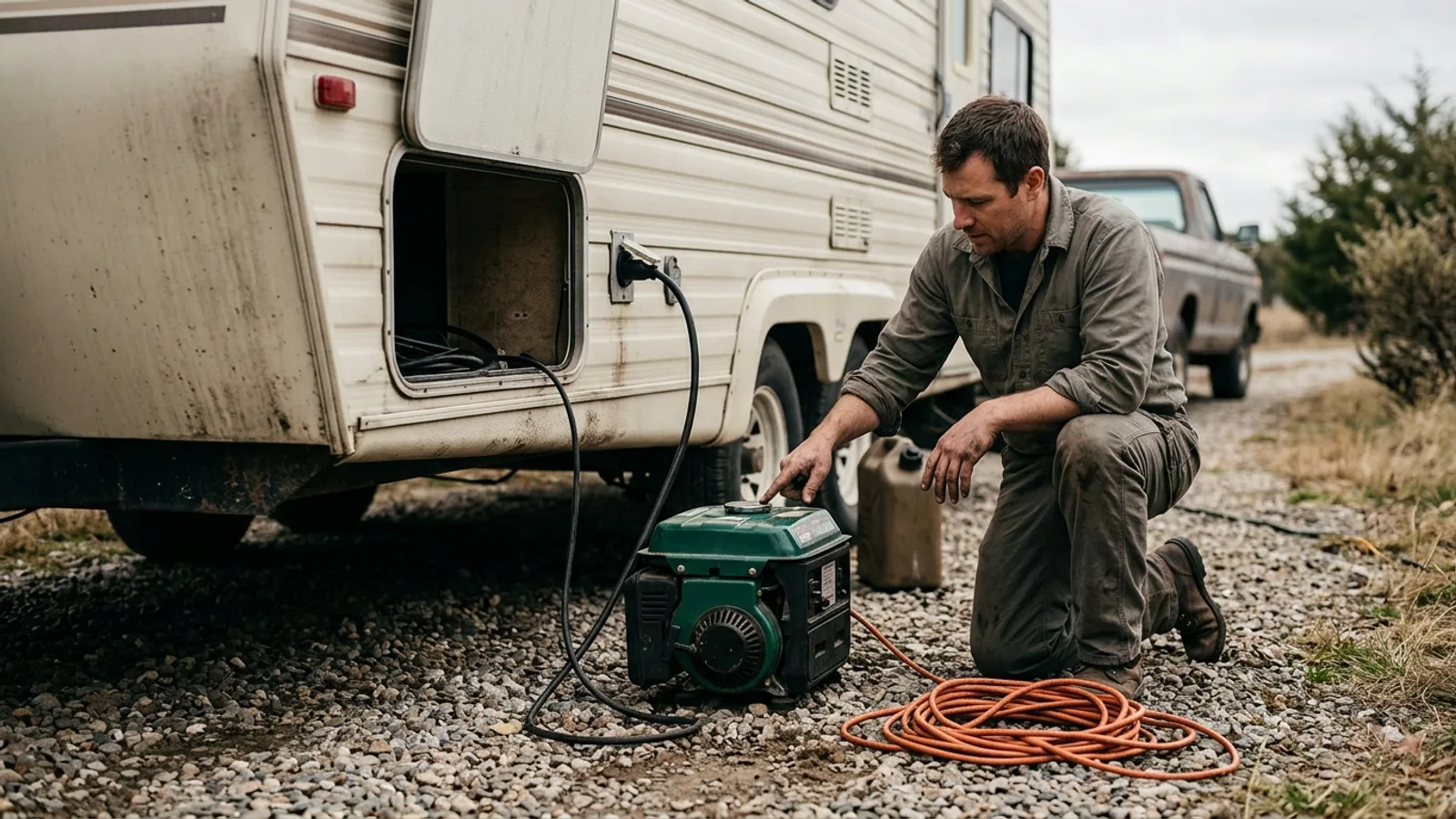
An RV generator is a small power plant built to run alongside or independent of your rig's battery system. It burns fuel to turn an engine, and that engine turns a component that produces electricity. The result is usable household-style power for air conditioners, microwaves, outlets, and battery charging, even when you're parked far from any campground hookup.
Most RV generators run on gasoline, diesel, or propane, often matching whatever fuel the RV itself uses. Each fuel type has tradeoffs in availability, storage safety, and how the generator performs in cold weather, but the core mechanics are similar across fuel types.
How the Power Is Actually Made
Inside the generator, a small combustion engine spins a component called an alternator. The alternator produces alternating current (AC), which is the type of electricity most RV appliances and outlets are designed to use.
Many RV electrical systems also route some of that power through a converter to charge the RV's house batteries, which store energy as direct current (DC) for use when the generator isn't running.
A separate category of generators, known as inverter generators, handles this process differently. Instead of producing raw AC at a fixed engine speed, an inverter generator first generates power in a raw form, converts it to DC, and then uses electronics to convert it back into very clean, stable AC. This extra step allows the engine to adjust its speed to match the actual power demand, rather than running flat-out constantly.
Conventional vs. Inverter Generators
Conventional generators run at a constant engine speed regardless of how much power you're actually using. They tend to be simpler and more affordable to repair, and they often handle heavy, continuous loads well, which suits larger RVs with high power draws.
Inverter generators throttle up and down based on demand. This generally means better fuel efficiency, quieter operation, and power that's cleaner and steadier, an important factor for sensitive electronics like laptops and phone chargers. The tradeoff is that inverter models are usually smaller and better suited to moderate power needs rather than running multiple large appliances at once.
Sizing a Generator to Your RV
Before choosing a generator, check whether your RV uses a 30-amp or 50-amp electrical system, since this affects how much power you can realistically use at once.
- 30-amp systems typically pair well with generators in the lower-to-mid wattage range, enough to run one air conditioner along with basic appliances and charging needs.
- 50-amp systems usually call for a higher-wattage generator, since these setups often run two air conditioners or a mix of high-draw appliances simultaneously.
If you're unsure of your total power needs, add up the running wattage of the appliances you'd realistically use at the same time, and remember that appliances with compressors or motors — like air conditioners and refrigerators — draw significantly more power for a moment when they first start up. Some RVers pair two smaller portable generators together for extra capacity instead of buying one large unit, which can add flexibility for both power output and portability.
Beyond wattage, think about noise levels, how easy the generator is to transport and store, and whether features like electric start matter to you.
Fuel Consumption Basics
How much fuel a generator burns depends mainly on load: running a single small appliance uses far less fuel per hour than running an air conditioner and multiple devices at once. Larger generators built for heavier loads also tend to consume more fuel overall, even at partial load.
Because output need changes throughout the day, it helps to keep a rough eye on your fuel supply rather than assuming a fixed runtime. Running a generator completely out of fuel can cause it to shut down abruptly, which isn't ideal for anything sensitive that's plugged in at the time.
Routine Maintenance That Matters
Generators are mechanical engines first, and they benefit from the same basic care as any small engine.
- Oil: Check the level regularly and change it on a routine schedule. Clean oil is one of the simplest ways to extend engine life.
- Air filter: A clogged air filter restricts airflow and reduces performance. Inspect it periodically and clean or replace it when it looks dirty.
- Spark plug: Over time, plugs can accumulate carbon or wear down, affecting how efficiently the engine fires. Periodic inspection catches this early.
- Fuel system: Check for leaks, and avoid letting fuel sit unused for long stretches, since old fuel can degrade and cause starting problems.
Basic checks like these are usually manageable for an RV owner, but anything involving internal engine work or electrical faults is worth handing to a qualified technician.
Troubleshooting Common Problems
Won't start: Confirm there's adequate fuel, that any fuel valve is open, and that the starting battery (if the generator uses one) has a charge.
Reduced power output: This often points to an overloaded circuit or a dirty air or fuel filter restricting airflow and combustion.
Unusual noise: Rattling, grinding, or knocking sounds can indicate a loose part or worn component. If the noise continues after a basic inspection, it's worth having a technician take a look before continuing to run the unit.
Fuel or oil leaks: Address these right away. Leaks can affect performance and create a safety hazard, especially in an enclosed storage compartment.
Practical Tips for Daily Use
Let the generator warm up briefly before applying a heavy load, and let it run for a short cool-down period before shutting it off after heavy use. Avoid running it at maximum load for long stretches if you can help it; staying comfortably under its rated capacity reduces wear and improves fuel efficiency.
Never run a generator inside an enclosed space, including inside an RV or garage, due to the risk of carbon monoxide buildup. Keep exhaust pointed away from windows, vents, and neighboring campsites, and be mindful of generator-use hours and noise if you're in a shared campground.
Finally, check your specific generator's guidelines for load limits and maintenance intervals — these vary enough between models that it's worth keeping the manufacturer's documentation on hand rather than relying on general rules alone.