How to Choose a Travel Trailer: A Practical Buyer's Guide
Start With How You'll Actually Use It
The right travel trailer depends far more on your travel pattern than on any spec sheet. Someone who takes occasional weekend trips to a nearby campground has very different needs than someone planning long stretches of full-time living or frequent visits to remote, unpaved sites.
If you expect to camp in places with tight access roads, limited turning space, or unimproved sites, a smaller and lighter trailer will be easier to tow, maneuver, and park. If your trips tend to be longer stays at developed campgrounds, a larger trailer with more living space and storage may be worth the added length and weight.
Also think about climate. If you plan to travel in cold weather, look into insulation and plumbing that can handle freezing temperatures. If you'll mostly camp in hot climates, cooling capacity and shade options matter more.
Match the Trailer to Your Group
Count sleeping spots realistically, not just advertised capacity. Manufacturers often list a maximum based on every couch and dinette converting into a bed, which is rarely comfortable for regular use with a full group.
If you frequently host guests or travel with extended family, look for layouts with separate sleeping areas, bunks, or a floor plan that gives people some privacy from each other. If it's just you or a couple most of the time, a smaller layout with more storage and a functional kitchen may serve you better than extra beds you won't use.
Pay attention to seating with seatbelts if passengers will ride inside a towable during travel, and check local rules, since these vary by state and by vehicle type. Bathroom layout is also worth testing in person — a separate toilet and shower compartment ("wet bath" versus "dry bath") makes a real difference for groups sharing the space.
An awning or slide-out adds usable living space without adding length on the road, which is especially helpful for larger groups who want to spread out at the campsite rather than inside the trailer itself.
How Often You'll Use It Shapes the Right Choice
Frequency of use affects almost every other decision. A trailer that will sit unused for most of the year has different storage, maintenance, and depreciation considerations than one that will be on the road every month.
Frequent or full-time use tends to justify paying more upfront for durability and current features, since the cost gets spread across more nights of use. Occasional or seasonal use often makes a well-maintained older unit a better value, since it won't accumulate wear as quickly and ties up less of your budget in a depreciating asset.
Either way, plan for where the trailer will live between trips. Covered or indoor storage protects seals, tires, and finishes from sun and weather damage far better than leaving it exposed outdoors year-round.
Maintenance Is Ongoing, Not Optional
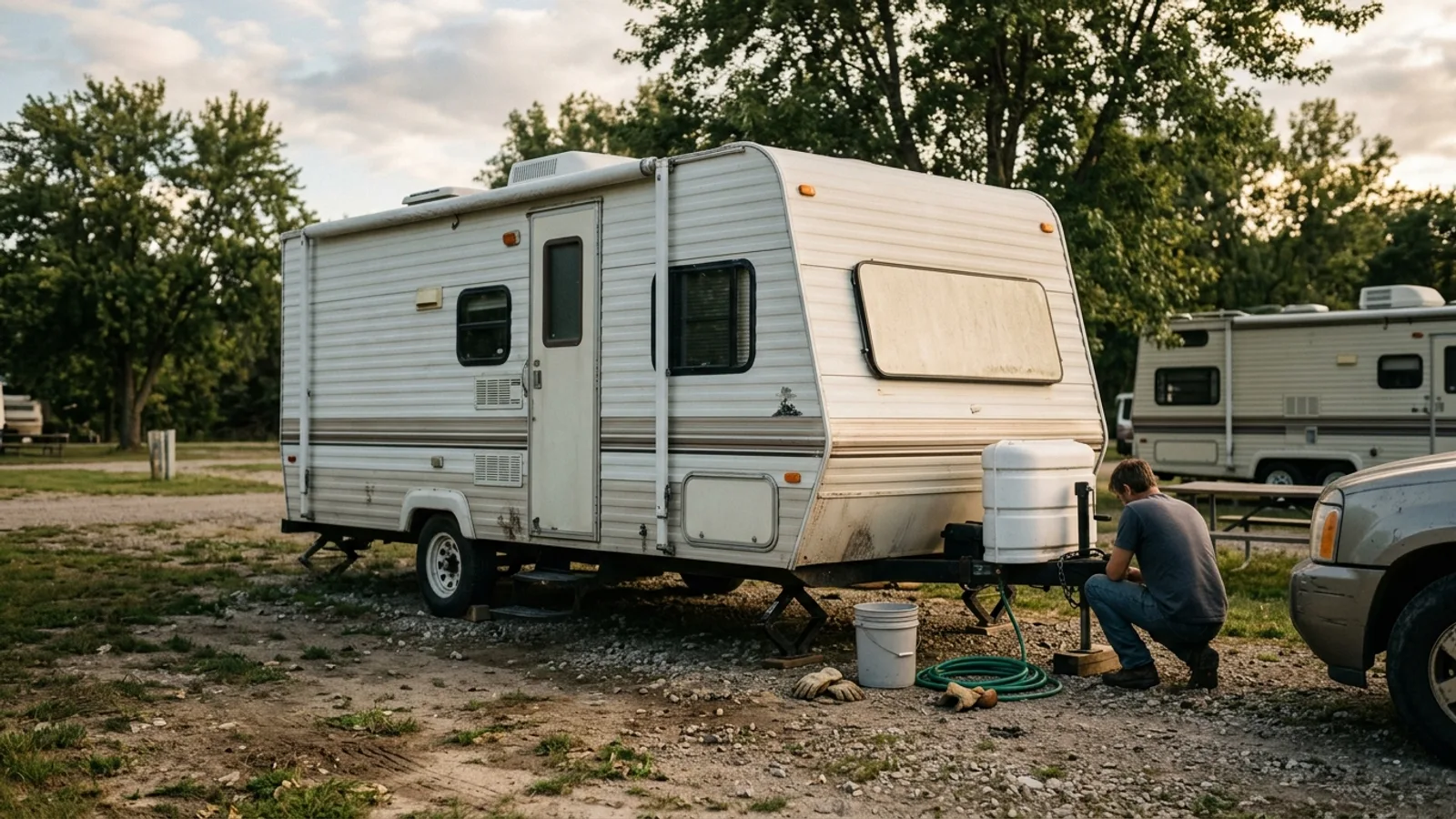
Every travel trailer needs regular upkeep regardless of age or price. Neglected maintenance is the most common reason trailers develop expensive problems, especially water damage from small leaks that go unnoticed.
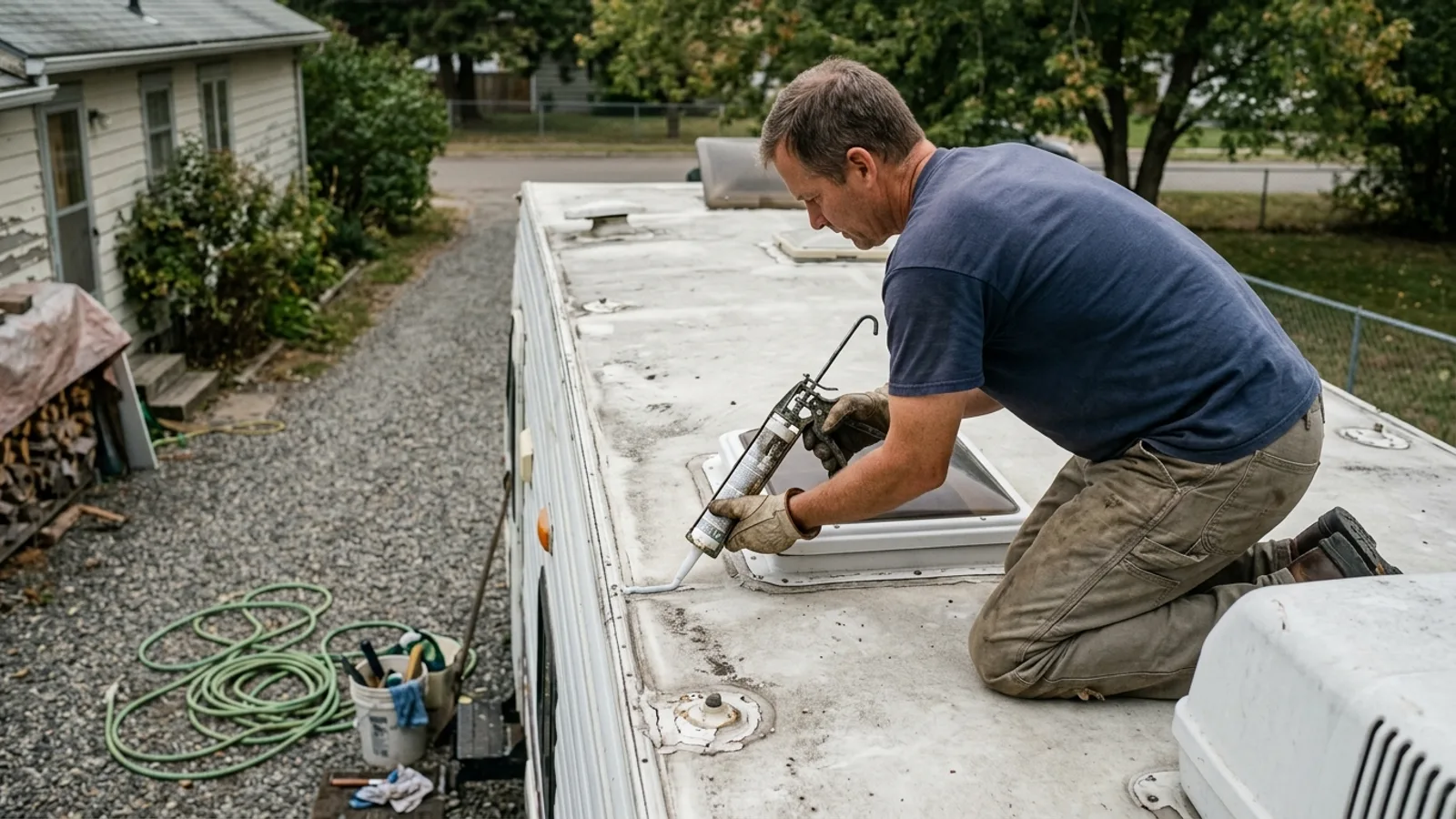
- Inspect the exterior seasonally. Check roof seams, window seals, and seams around vents for cracking or gaps, and reseal as needed before small leaks become structural damage.
- Follow a maintenance schedule. Tire condition and pressure, wheel bearings, battery health, propane systems, and appliance function should all be checked on a routine basis, following the manufacturer's guidance for your specific unit.
- Store it properly. Covered storage, tire covers, and disconnecting the battery during long idle periods all extend the life of the trailer.
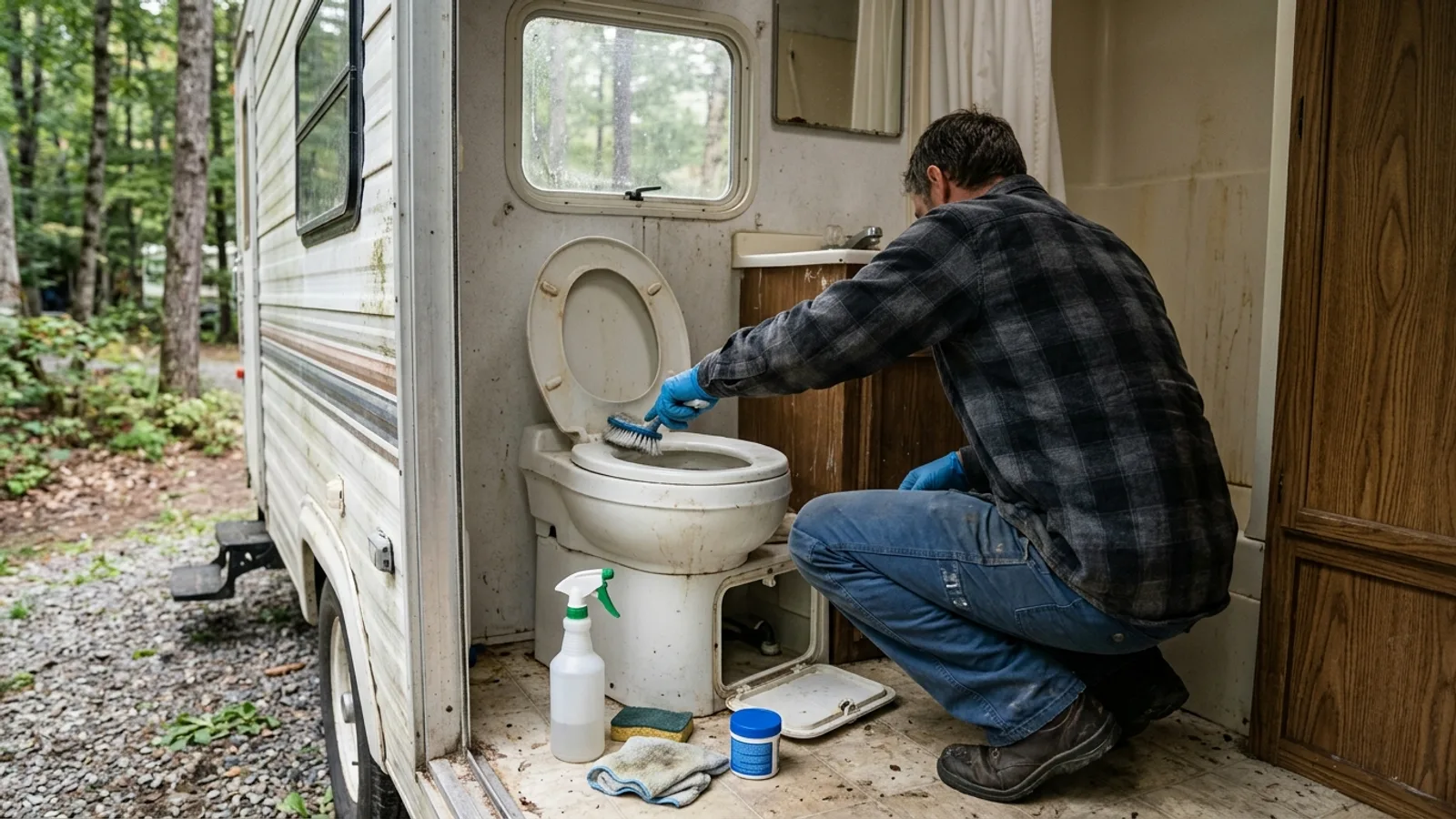
- Manage moisture inside. Ventilate the interior during storage and after use to prevent mold and mildew, particularly in humid climates.
Budget for these tasks as an ongoing cost of ownership, not a one-time expense at purchase.
New or Used: Weighing the Trade-offs
A new trailer gives you current design choices, no unknown history, and typically a manufacturer warranty to cover early problems. The trade-off is a higher upfront cost and the reality that a new trailer, like any vehicle, loses value quickly in its first few years.
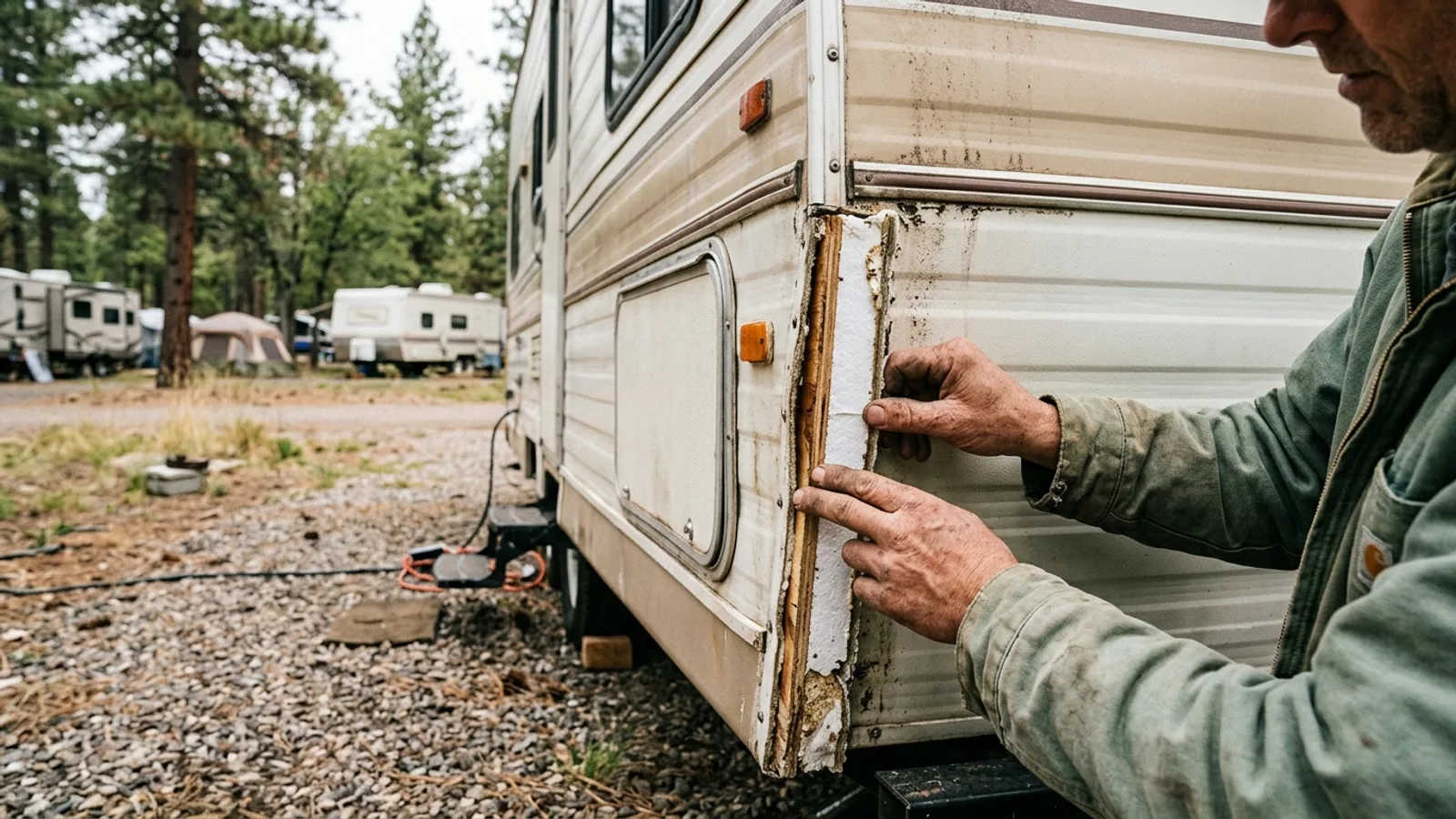
A used trailer can offer significant savings and may already have had early defects worked out by a previous owner. The trade-off is added uncertainty: you're relying on how well it was maintained and whether it has hidden damage, particularly water intrusion, which is not always obvious on a casual walkthrough.
If you're considering a used trailer, a thorough inspection matters more than the asking price. Check for soft spots in the floor and walls, signs of past water damage around windows and the roof, tire age (which can matter more than tread wear), and whether appliances and systems function properly. Ask for maintenance records and consider having it inspected before finalizing a purchase.
Consider Renting Before You Buy
Renting a trailer, even for a single trip, is one of the most useful steps before committing to a purchase. It lets you experience actual towing, setup, and daily living in a floor plan rather than judging one from photos or a showroom walkthrough.
Renting different sizes and layouts can clarify preferences you wouldn't otherwise know you had, such as how much you actually use a slide-out or whether a compact bathroom bothers you in practice. For people who only expect to camp a few times a year, renting each time may also simply cost less over time than owning, once storage and maintenance are factored in.
Practical Steps Before You Buy
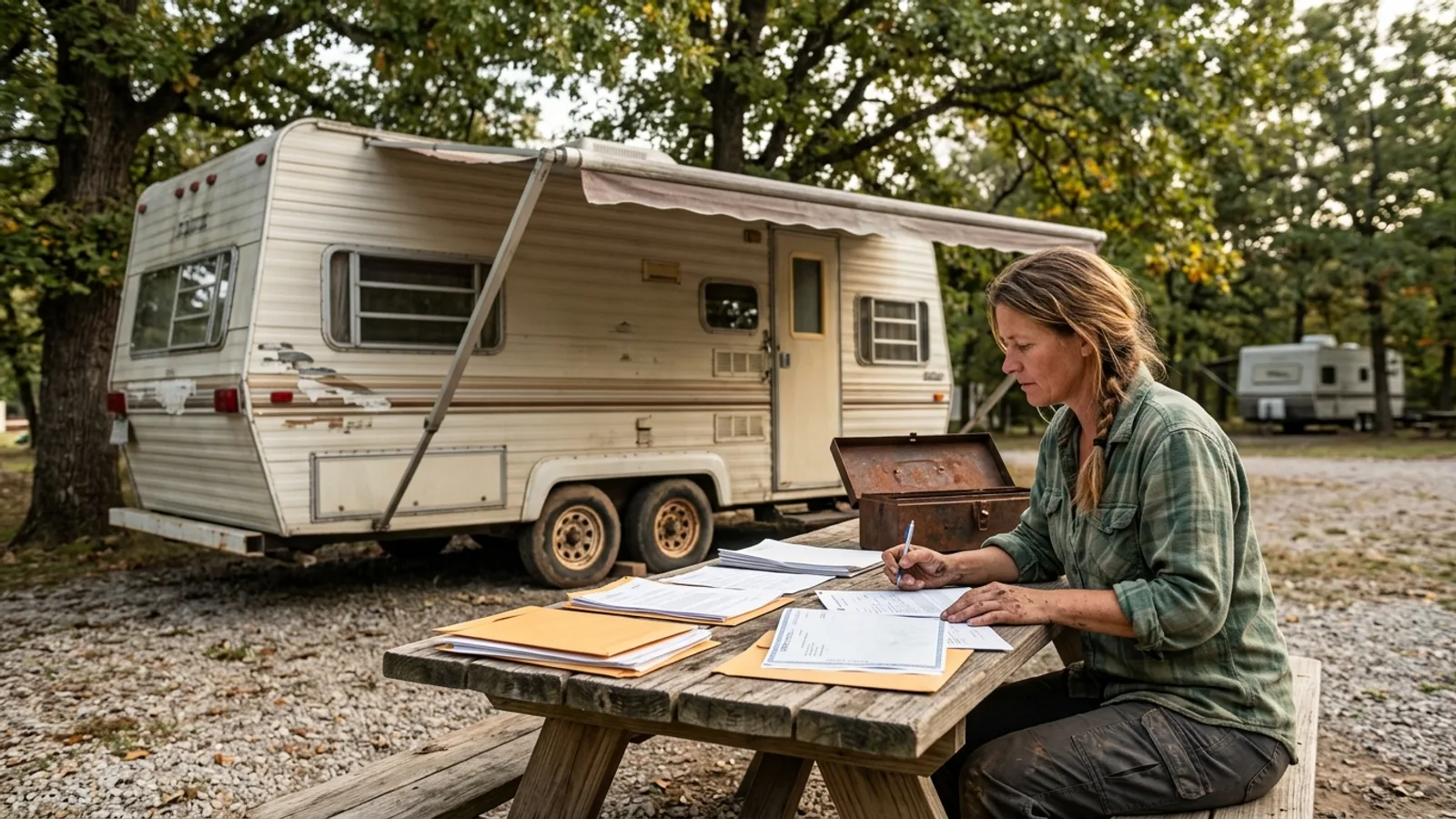
- Make a list of must-have features versus nice-to-haves, based on how you'll actually travel.
- Check that your tow vehicle is rated for the trailer's weight when loaded, not just its empty weight.
- Walk through any trailer in person before buying, including opening cabinets, running appliances, and checking under sinks for past leaks.
- Ask about warranty coverage and what it does and doesn't include.
- Factor in ongoing costs: storage, maintenance, insurance, and any towing equipment you may need.