How to Get a Title for a Camper
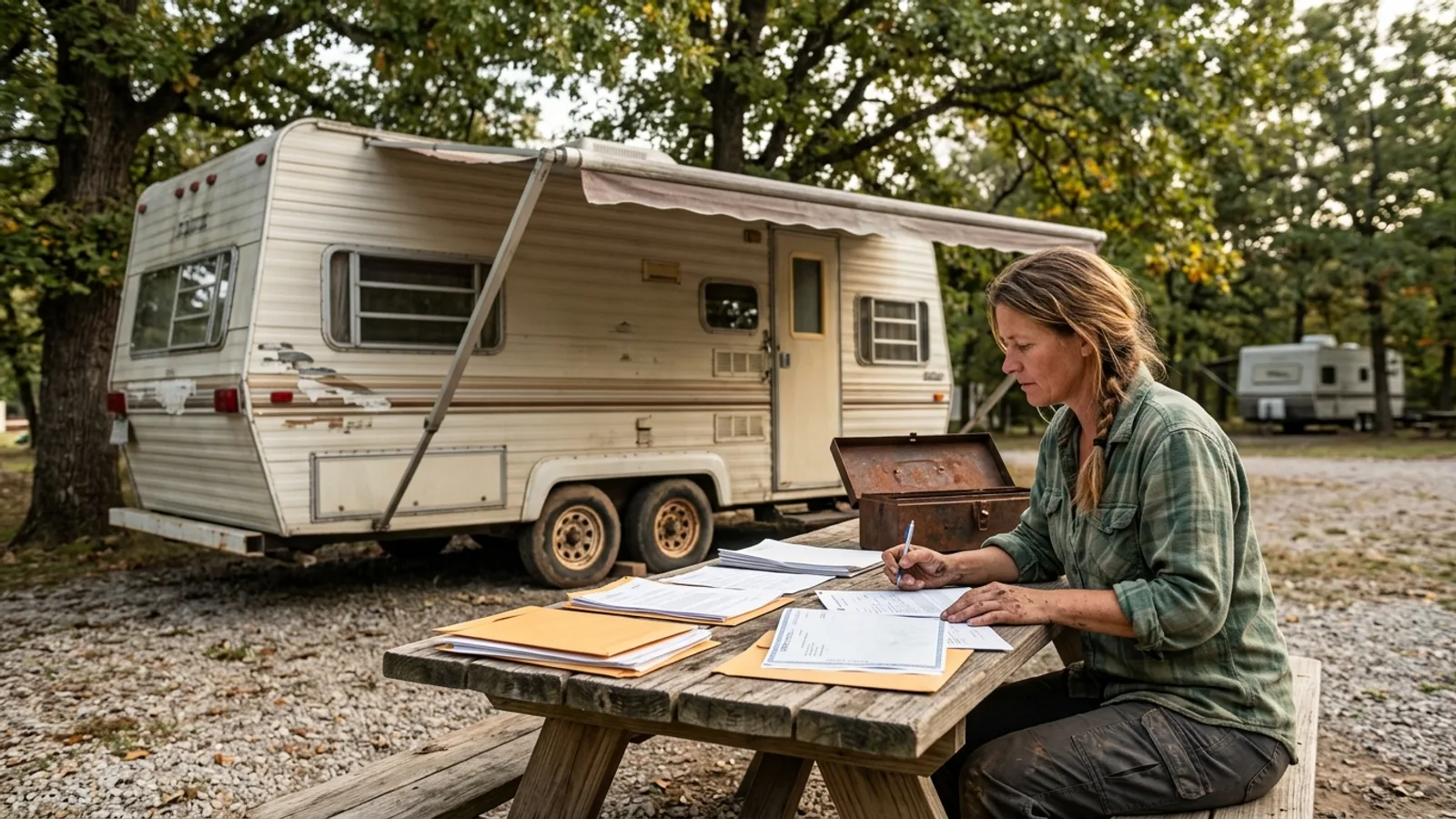
A title is the legal document that proves who owns a vehicle. For campers, it matters just as much as it does for a car or truck: it's what you'll need to register the camper, sell it, insure it in some cases, and prove ownership if there's ever a dispute or a theft. The process of getting one is straightforward, but it varies by state and by the type of camper you own, so it helps to understand the general shape of it before you walk into a motor vehicle office.
Which Campers Need a Title
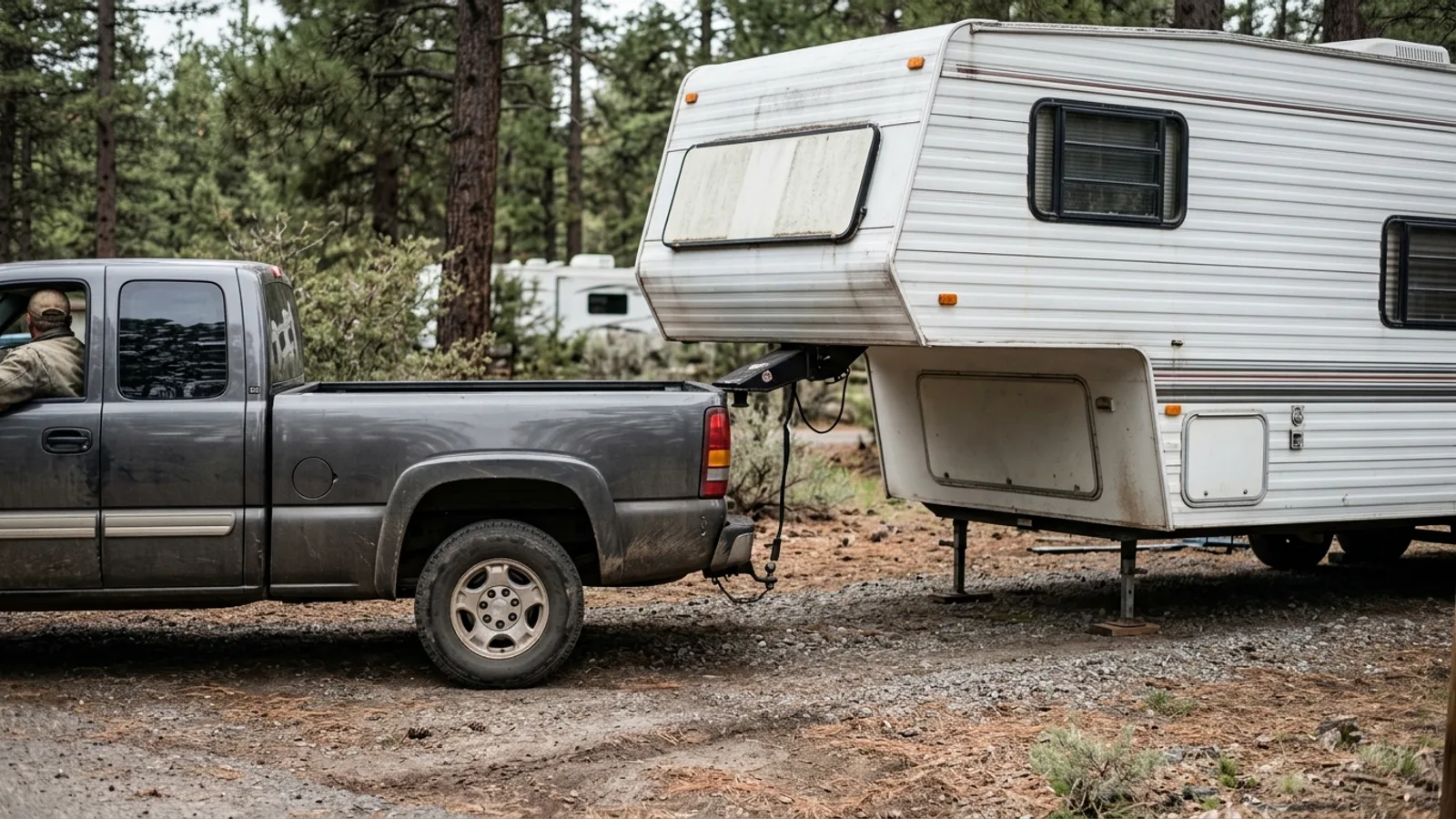
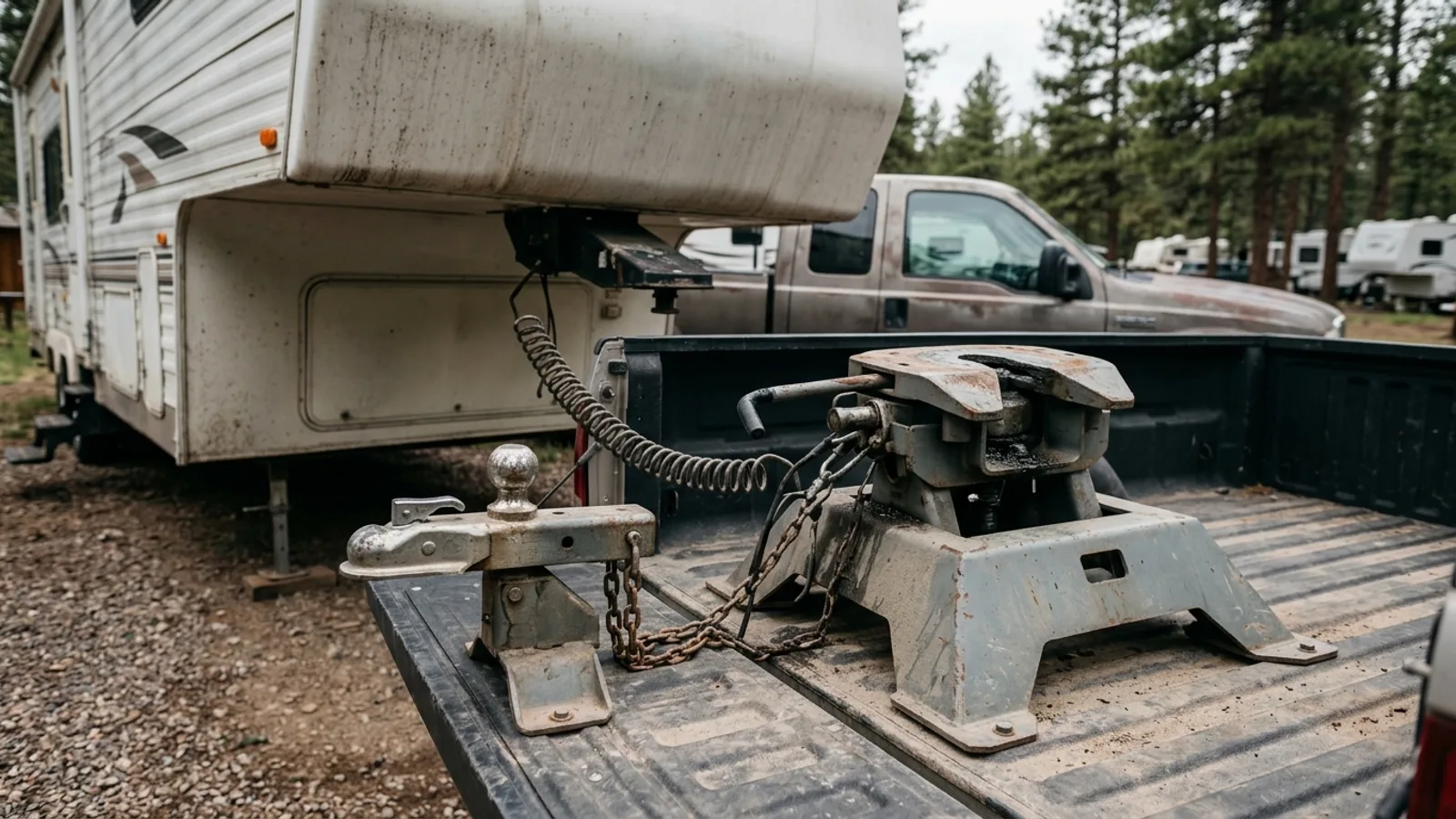
Most travel trailers, fifth wheels, and truck campers with their own vehicle identification number are titled the same way a car or boat trailer would be. The general rule most states follow is based on the camper's size and how it's used, not its brand or age alone.
Smaller pop-up campers or lightweight utility-style trailers sometimes fall under weight or length thresholds that exempt them from titling in some states, even though they may still need to be registered or display a license plate. Park models and travel trailers permanently set on a lot are sometimes treated more like manufactured housing than like a towable vehicle, which can change the paperwork entirely.
Because these thresholds and categories differ from one state to the next, the only reliable way to know whether your specific camper needs a title is to check with your state's motor vehicle agency before you assume either way.
How to Apply for a Title
The application process generally follows the same pattern everywhere, even though the exact form names differ by state:
- Gather proof of ownership. This is usually a manufacturer's certificate of origin for a new camper, or the previous owner's signed-over title for a used one. If you built the camper yourself or bought it without paperwork, ask your state's agency what alternate proof they accept, such as a bill of sale or a bonded title process.
- Fill out the title or registration application. States use a combined registration and title form, or separate ones. Fill in the vehicle identification number carefully — a single mistyped character is one of the most common reasons applications get sent back.
- Provide identification and, if applicable, a lien release. If the camper was financed, you may need documentation showing the loan is paid off or a release from the lender.
- Pay the applicable fees and any sales or use tax owed. These vary by state and by the camper's value, so confirm the amount with the agency rather than guessing.
- Submit the paperwork in person or by mail, depending on what your state allows, and wait for the title to be processed and mailed to you.
Keep a copy of everything you submit. If a title is delayed or lost in processing, having your own record of the VIN, application date, and documents makes it much easier to follow up.
Title-Only Transactions
If you want proof of ownership but don't plan to tow the camper on public roads right away — for instance, it will sit on private property or is being restored — many states let you apply for a title without registering the vehicle for road use. The application steps are nearly identical to a standard title application; you simply indicate that you're requesting title only. Keep in mind that if you later decide to tow the camper on public roads, you'll need to complete registration separately, which may involve its own inspection or fee.
Replacing a Lost, Stolen, or Damaged Title
If your original title is missing, most states offer a duplicate title process. Typically this means filling out a duplicate title request form, confirming your identity and ownership, and paying a fee. If the camper had a lien on it, the lender may need to be part of the request. Processing a duplicate can take longer than a first-time title, so start the process well before you plan to sell or transfer the camper.
Titling a Homemade or Older Camper
Homemade trailers and very old campers without an existing title present a special case. States generally have a process for this — sometimes called a bonded title or a certificate of ownership by inspection — where an official inspects the trailer, confirms it isn't stolen, and assigns it a new vehicle identification number if needed. This process usually takes longer and may require photographs, notarized statements, or a hearing, so budget extra time if this applies to you.
Other Things to Keep in Mind
- Safety inspections. Some states require an annual or periodic inspection for towed trailers, particularly if they're regularly on public roads. This is separate from titling but often tied to registration renewal.
- Selling or transferring ownership. When you sell a titled camper, you'll typically sign the title over to the buyer and both parties may need to notify the state. Keeping this paperwork current protects you from liability after the sale.
- Moving between states. If you relocate, you may need to re-title the camper in your new state, especially if that state's size or weight thresholds for titling differ from where you bought it.
- When in doubt, call ahead. Titling rules are set at the state level and can differ significantly. A short call to your state's motor vehicle agency before you gather documents can save you a wasted trip.