RV Wall Thickness Explained: What It Means for Insulation, Weight, and Durability
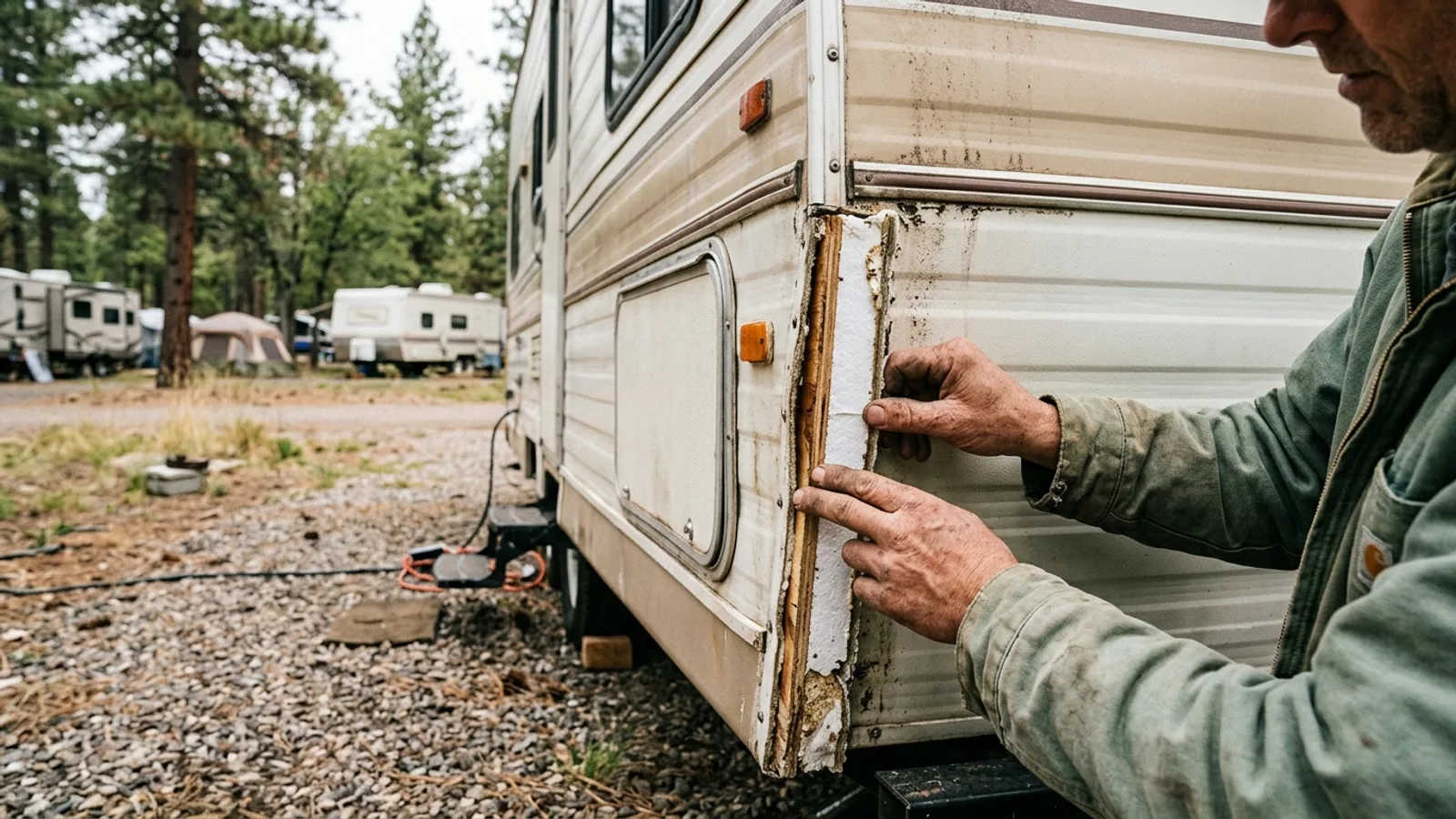
RV walls are not built like house walls. They're thin by necessity, since every extra pound of material adds to the weight the chassis has to carry and the tow vehicle or engine has to move. Understanding how these walls are put together helps explain why some RVs feel warmer or quieter than others, and what you can realistically do to improve yours.
How RV Walls Are Built
Most RV walls are a layered sandwich rather than a solid material. A typical wall includes an exterior skin (often aluminum or fiberglass), a layer of insulating foam or batting, structural framing (wood or aluminum), and an interior paneling layer. The combined thickness of these layers is what people mean when they talk about "wall thickness."
Because it's a sandwich, the number by itself doesn't tell you much. Two walls of the same overall thickness can perform very differently depending on how much of that thickness is actual insulation versus air gaps, framing, or paneling.
Construction style matters too. Some RVs use a laminated wall, where layers are bonded under pressure into a single rigid panel. Others use a framed wall, similar to stick-built construction, with insulation packed between studs. Laminated walls tend to be lighter and more resistant to water intrusion at seams; framed walls can be easier to repair and modify because you can access the cavity.
Why Thickness Isn't the Whole Story
Wall thickness gets discussed as a stand-in for insulation quality, but the material's insulating property matters more than raw thickness. A thinner wall with continuous, well-fitted foam insulation can outperform a thicker wall that has gaps, compressed insulation, or thermal bridging through the frame.
Thermal bridging happens when a conductive material, like an aluminum stud, runs through the wall and creates a path for heat to move in or out, bypassing the insulation entirely. This is one reason all-aluminum framed walls can feel colder to the touch in winter than wood-framed or composite walls, even with similar insulation thickness.
Weight is the other side of the equation. Every material choice in a wall involves a trade-off between insulating value, durability, and weight. RVs built for four-season use or extreme climates typically prioritize insulation and accept some added weight and cost. RVs built for lightweight towing often minimize wall thickness and insulation to keep the total weight down.
What Affects Comfort Inside the RV
A few practical factors shape how comfortable an RV actually feels, beyond the wall assembly itself:
- Windows and slide-outs are usually the weakest points for insulation and drafts, often mattering more than the wall thickness itself.
- Roof and floor insulation frequently lag behind wall insulation in RVs, so heat loss or gain through the roof can be more significant than through the walls.
- Sealing and gaskets around doors, windows, and vents affect draft and noise more than an extra half-inch of wall material would.
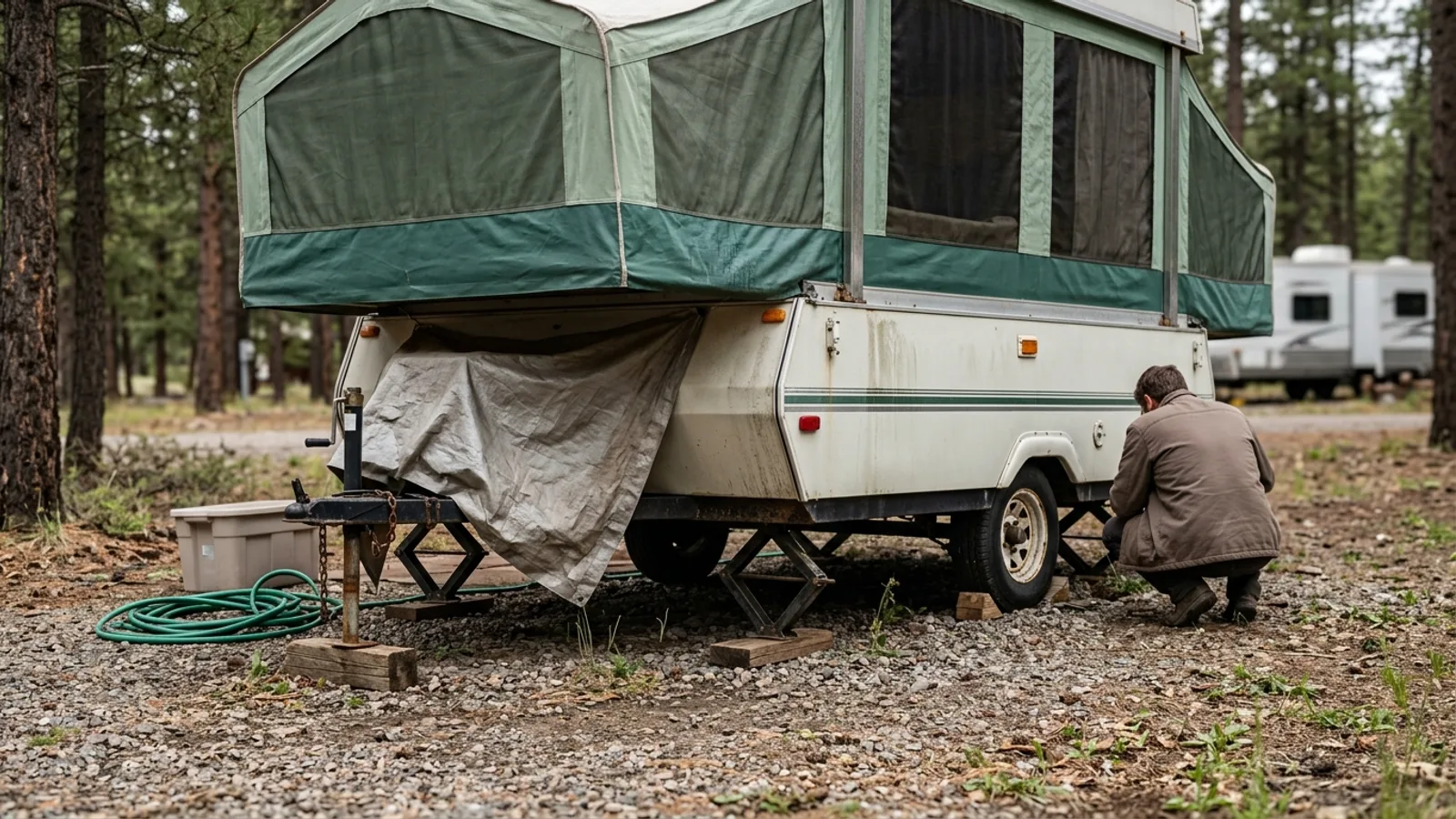
- Skirting around the underside of the RV during cold-weather stays can meaningfully reduce heat loss through the floor.
Improving Insulation and Comfort
If you want to make an existing RV more comfortable without a full wall rebuild, focus on the areas that leak the most energy first: window coverings designed for insulation, door and vent seals, and skirting for cold-weather parking. These changes are lower-risk and often make a bigger practical difference than altering the wall assembly itself.
Adding insulation inside wall cavities is possible in framed construction, but it requires opening the interior paneling, which affects the RV's interior finish and can be disruptive. It's worth weighing whether the effort matches the expected improvement, especially since foam insulation added afterward is rarely as well-fitted as insulation installed during original construction.
Reflective barriers and foam board added to interior surfaces can help in some situations, but they add bulk to interior space and their benefit depends heavily on installation quality and the specific climate you're dealing with.
Repairs and Modifications
If you're considering structural changes to RV walls — thicker panels, added framing, or different construction materials — treat this as a job for someone experienced in RV construction rather than a DIY project. Walls often serve structural roles beyond enclosing space, including supporting the roof load and tying into the frame. Modifying them without understanding those loads can compromise the vehicle's integrity.
Water damage is the most common reason RV walls need attention. Because walls are layered, water that gets past a compromised seal or seam can saturate insulation and rot framing before it's visible from the interior. Regular inspection of exterior seams, especially around windows, vents, and seams between wall sections, catches problems early and is more valuable long-term than any thickness upgrade.
What to Check When Choosing an RV
Rather than asking how thick the walls are, ask more useful questions: what insulation material is used, whether the construction is laminated or framed, how the manufacturer addresses thermal bridging, and how the unit is rated for cold-weather or four-season use if that matters for your travel style. These answers tell you far more about real-world comfort and durability than a single measurement.
If you plan to travel in a wide range of climates, look for RVs explicitly built or marketed for four-season use, since these typically have thought given to insulation continuity, heated compartments for water systems, and dual-pane windows, in addition to wall construction.