How Long Does an RV Water Heater Take to Heat Up?
Typical Heating Time
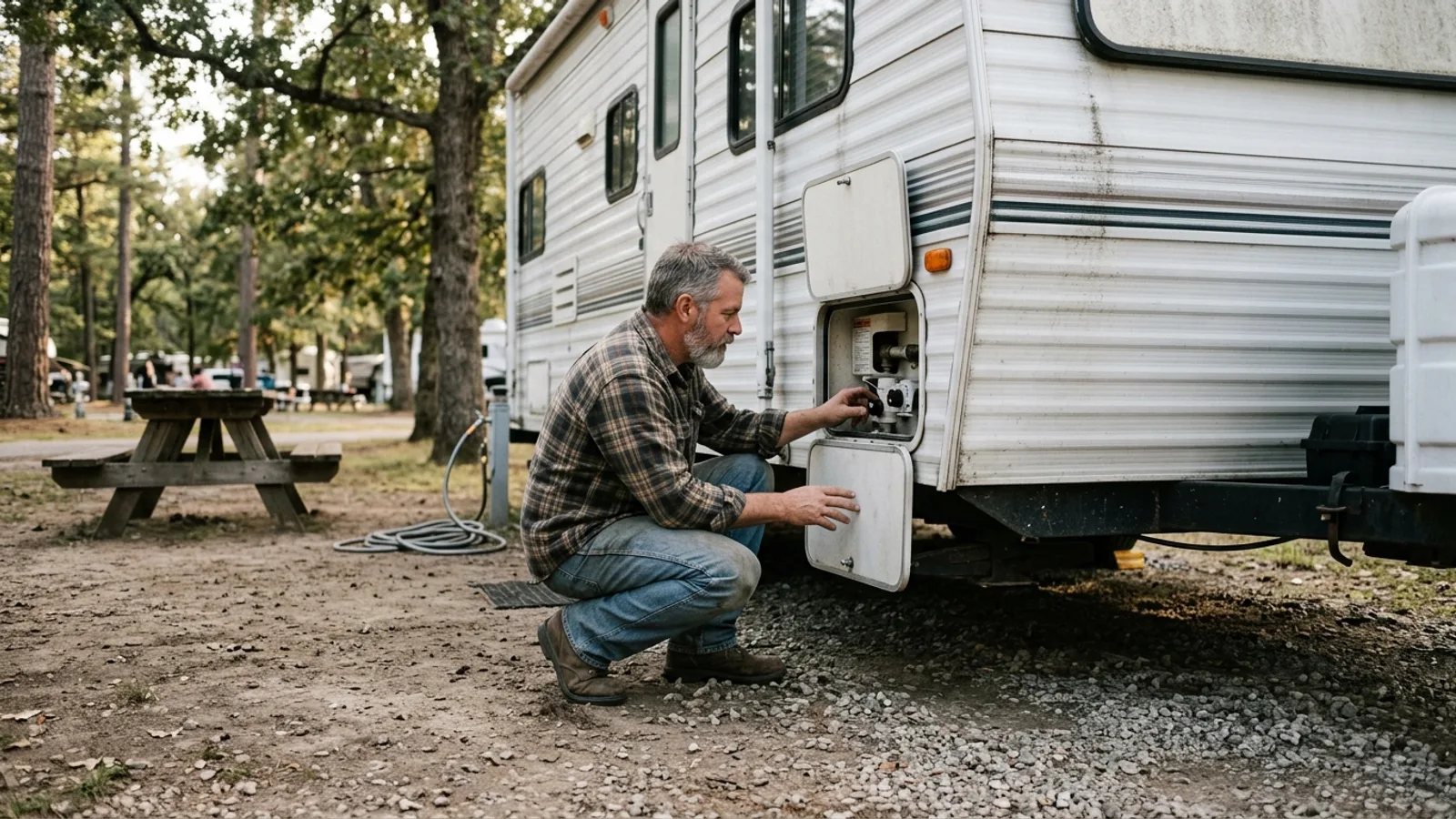
Most tank-style RV water heaters need somewhere between 20 and 40 minutes to bring a full tank up to temperature, starting from cold. The exact time depends on the tank size, the outside and incoming water temperature, and whether the unit runs on gas, electricity, or both.
Gas burners generally heat water faster than electric heating elements of similar size, because they deliver more heating power. Units with both gas and electric modes often heat quickest when both are running together, if your setup allows it.
Tankless systems work differently. There is no wait for a stored tank to heat up. Instead, water is heated as it flows past a heat exchanger, so hot water is available within moments of turning on the tap. The tradeoff is that flow rate and incoming water temperature affect how hot the water gets in real time.
How Tank-Based Water Heaters Work
A tank-based system stores a set volume of water, commonly in a range of small capacities suited to RV use, and heats it in place. Once water in the tank reaches the target temperature, it stays hot and ready until it's drawn down and replaced by cooler incoming water.
Because the tank holds a fixed supply, hot water can run out during heavy use, such as back-to-back showers. After that, the system needs time to reheat the incoming cold water before hot water is available again.
Tank-based heaters typically include a pressure relief valve. This is a safety feature that releases excess pressure automatically if it builds up beyond a safe threshold, protecting the tank and plumbing from damage. It's worth knowing where this valve is located and confirming it operates freely as part of routine upkeep.
How Tankless Systems Work
Tankless, or on-demand, water heaters don't store hot water at all. When you open a hot water tap, a flow sensor triggers the heating element or burner, and water is heated as it passes through on its way to the fixture.
This design means you're not limited by tank volume, so hot water can keep flowing as long as fuel or power and incoming water supply hold out. It also means the units can be smaller and lighter than tank-based heaters, which matters in a weight- and space-conscious RV.
Tank-Based vs. Tankless: Tradeoffs
Tank-Based Advantages
- Simpler mechanically, with fewer components that can fail
- Hot water is immediately available until the tank runs out, useful for quick tasks
- Generally straightforward to service and repair in the field
Tank-Based Drawbacks
- Takes up physical space and adds weight, even when empty
- Limited hot water supply between heating cycles
- Reheating time after the tank is depleted can interrupt use
Tankless Advantages
- Continuous hot water supply, useful for larger groups or extended use
- Smaller footprint and lighter weight
- No standby heat loss from a stored tank
Tankless Drawbacks
- More complex installation, often better suited to a qualified technician
- Water temperature can fluctuate with flow rate and incoming water temperature
- Repairs may require more specialized parts or knowledge
Getting Hot Water Faster
A few habits can shorten the practical wait for hot water:
- Turn the heater on well before you need hot water, ideally as soon as you arrive and hook up.
- If your unit supports both gas and electric heating, use both together when you need a fast recovery.
- Insulate exposed water lines and the tank area in cold weather, since cold ambient temperatures slow heating and increase heat loss.
- Keep the burner, electric element, and any vents clean and unobstructed, since buildup or blockages reduce heating efficiency over time.
Choosing a Water Heater: What Matters
Capacity
Bigger tanks provide a larger reserve of hot water but take longer to heat from cold and add weight. Match capacity to how many people typically need hot water at once and how you use it, such as quick handwashing versus full showers.
Energy Source
Gas-fired heaters work well for dry camping without hookups, since they don't depend on shore power. Electric heaters are efficient when you're plugged into a campsite's electrical service. Dual-source units offer flexibility for both situations.
Installation and Access for Service
Consider how easy the unit is to access for maintenance and repair, not just how it performs when new. Systems that are simple to service will save time and hassle over years of use.
Maintenance Needs
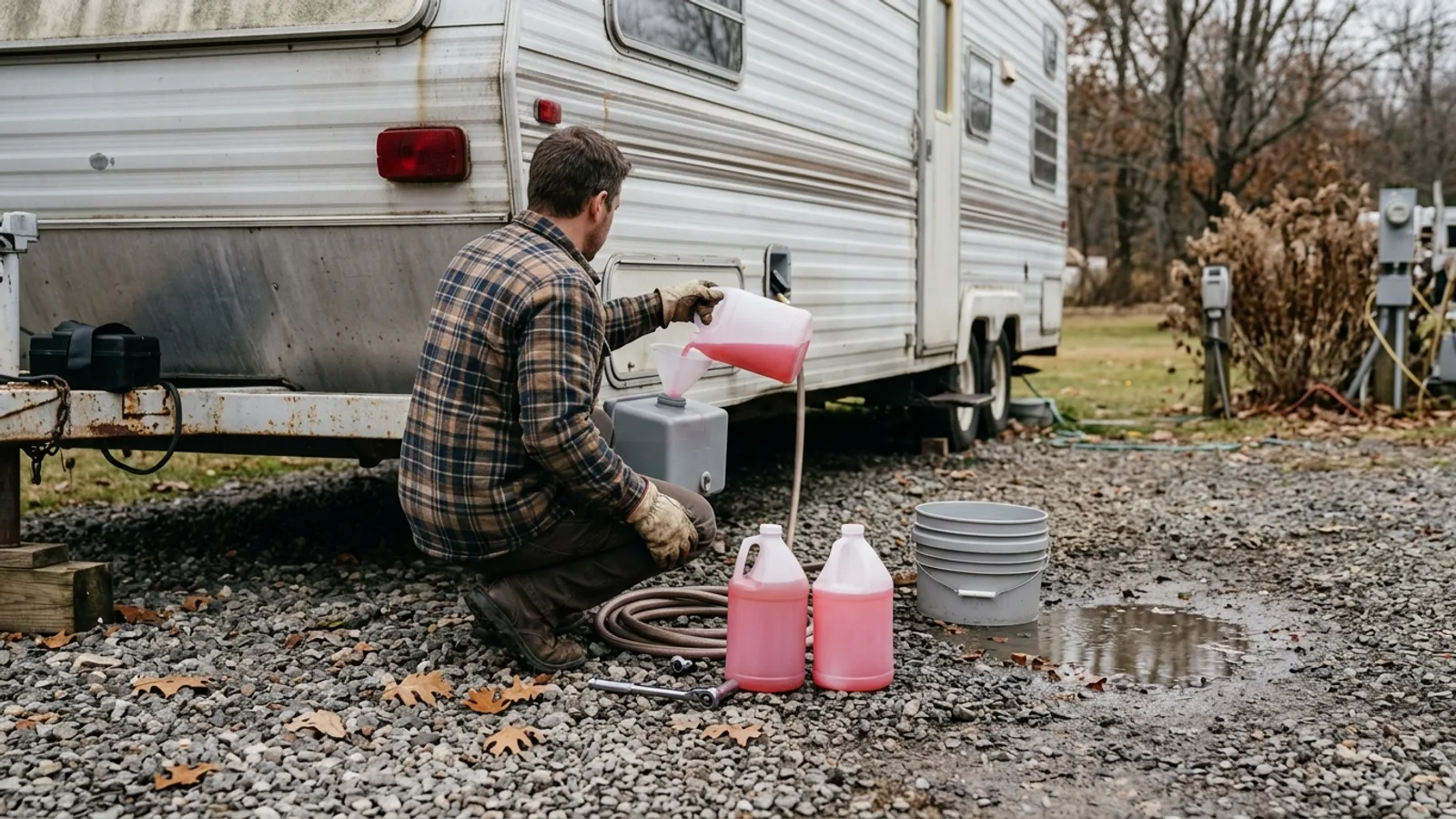
All water heaters benefit from periodic flushing to clear mineral buildup and sediment, which can reduce efficiency and shorten the unit's working life. Check manufacturer guidance for how often to flush the tank and inspect the anode rod, if your unit has one, replacing it when it's significantly worn down.
Safety Basics
Never operate a gas water heater in an enclosed space without proper ventilation, and be sure any exterior vents stay clear of snow, debris, or nesting insects before each trip. Test the pressure relief valve periodically according to the manufacturer's instructions, and address any signs of leaking, corrosion, or unusual odors promptly rather than waiting for a bigger problem to develop.