Rooftop Tents for Overlanding: What They Are and How to Choose One
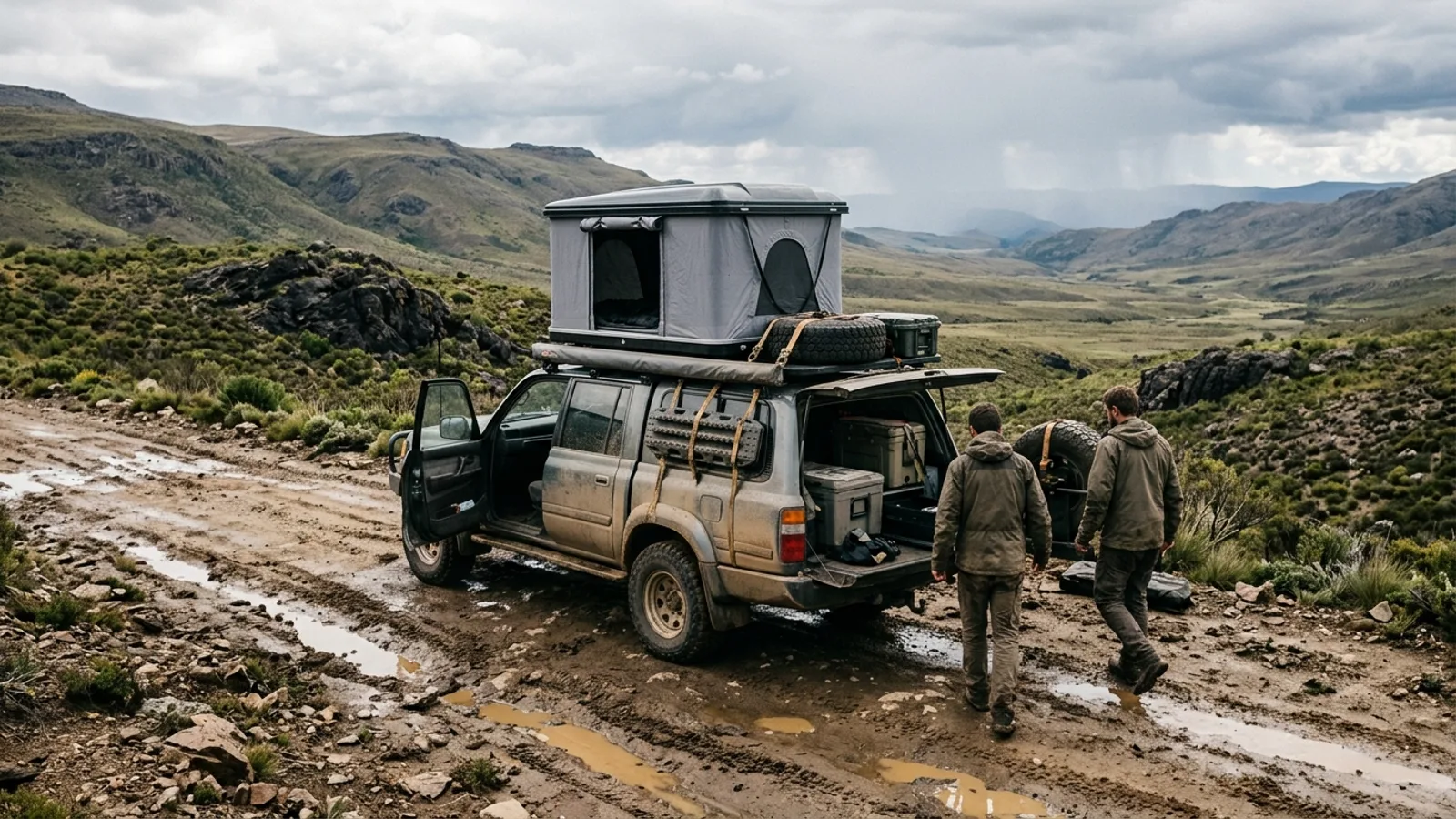
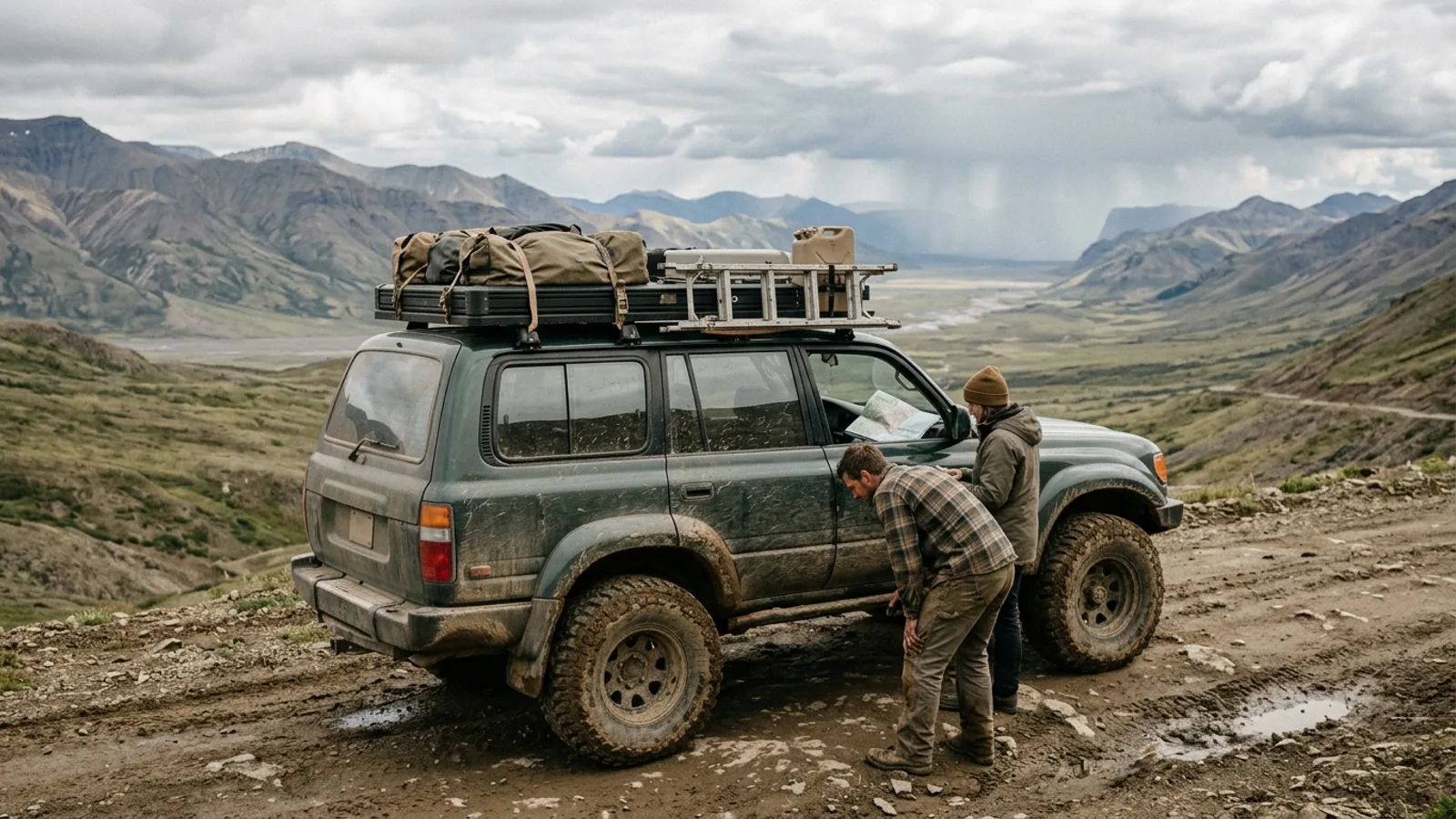
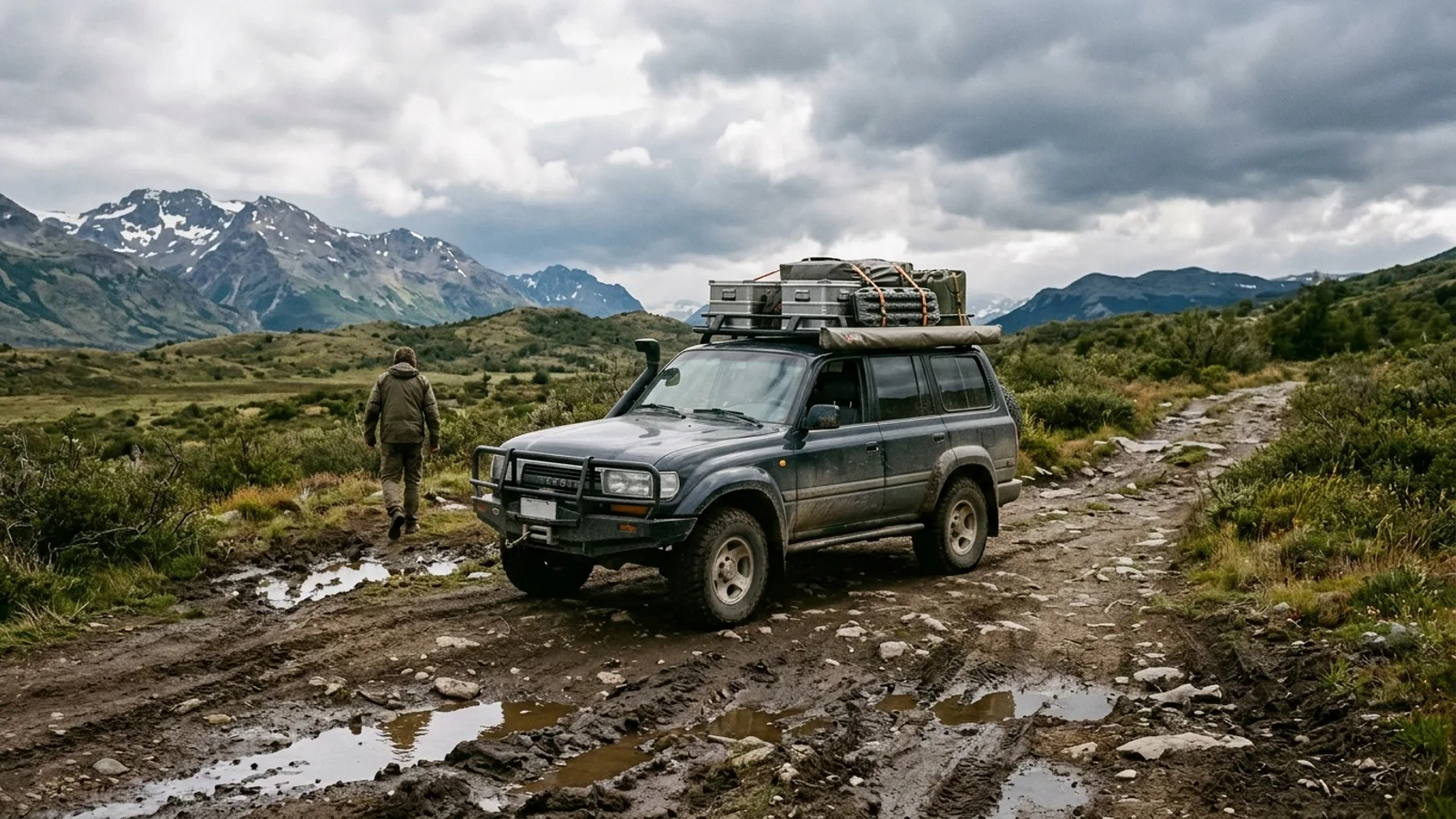
A rooftop tent is a tent that mounts to a vehicle's roof rack instead of pitching on the ground. Overlanding trips — multi-day travel by vehicle, often over rough roads to remote campsites — frequently use them because they cut setup time and keep sleeping gear off the ground. Understanding how they work, and what to check before buying one, makes the difference between a smooth trip and a frustrating one.
Why Overlanders Use Rooftop Tents
Sleeping off the ground has real advantages in the backcountry. You're away from mud, standing water, uneven rocky ground, and crawling insects. Setup and takedown are usually much faster than a ground tent, since the mattress stays inside the tent and the frame folds down onto the roof rack.
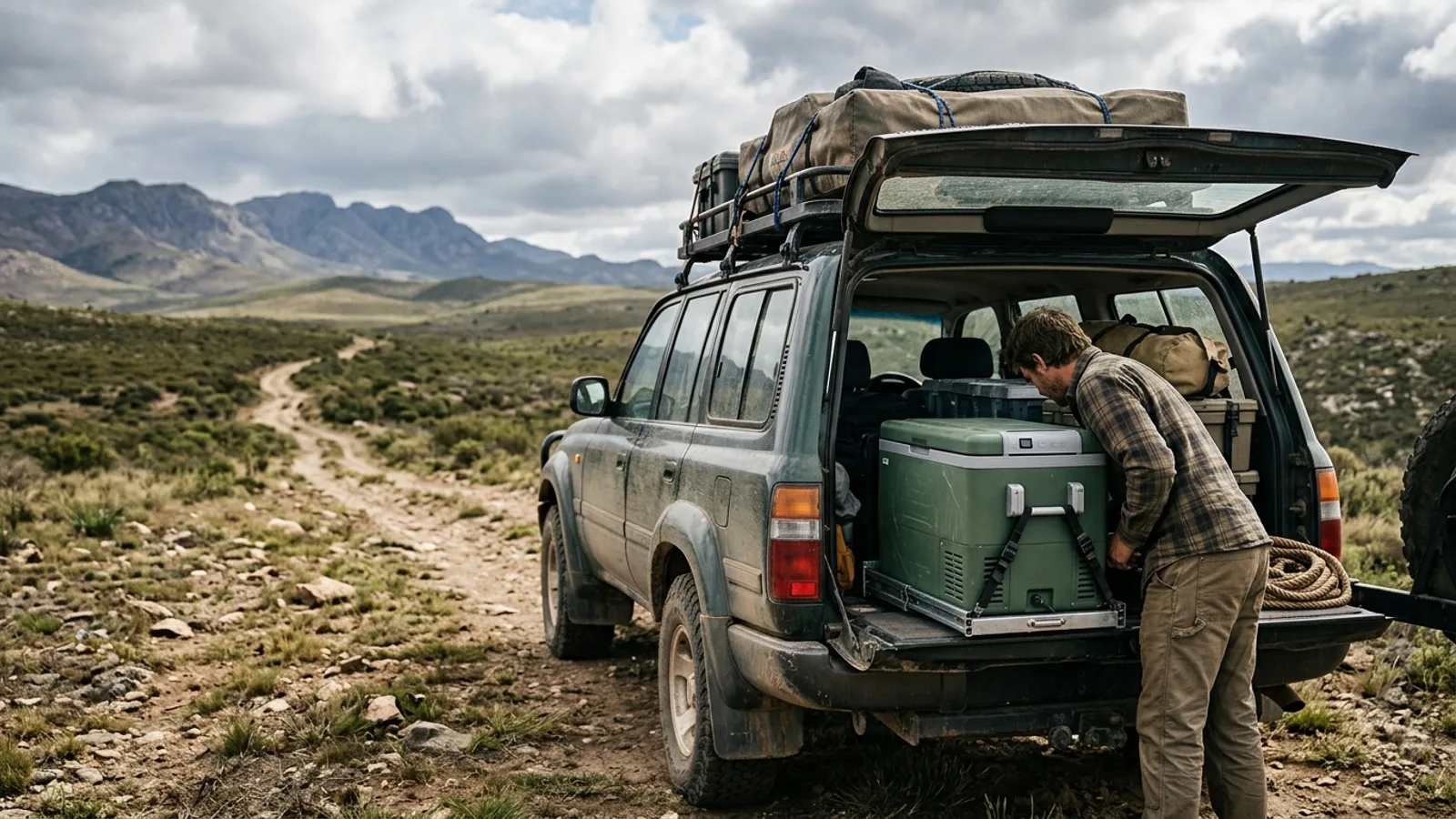
Storing the tent on the roof also frees up interior and cargo space for coolers, water, recovery gear, and food storage — useful on trips where you're carrying everything you need for several days.
The tradeoff is that you're tied to your vehicle. You can't drive anywhere without breaking camp first, and the tent adds height, weight, and wind resistance to the vehicle at all times, not just when it's in use.
Soft Shell vs. Hard Shell Tents
Soft Shell
Soft shell rooftop tents use a folding fabric body over a frame, similar in concept to a fold-out camping trailer tent. They pack down flat and are covered with a protective cover when not in use.
Advantages: they tend to be lighter than hard shell models, offer more interior floor space relative to their folded size, and often have large mesh windows for ventilation and views. Setup usually involves unfolding the cover, extending a ladder, and unfolding the tent body — typically a few minutes once you're practiced.
Drawbacks: the fabric needs occasional care, such as reproofing and drying out fully before long-term storage to prevent mildew. Setup is also slightly more involved than a hard shell, since there are more steps and moving parts.
Hard Shell
Hard shell tents have a rigid top and bottom shell, usually in a low-profile clamshell or pop-up design, with the fabric tent body folded inside. They open and close in seconds — often just a matter of releasing latches and letting gas struts do the work.
Advantages: faster setup, a lower profile that reduces wind drag and noise while driving, and better protection for the fabric body when packed away, since it's fully enclosed.
Drawbacks: hard shell tents are generally heavier and bulkier when closed, and interior space is often more fixed and can't expand the way some soft shell designs do.
Neither type is universally better — the right choice depends on how much you value fast setup versus interior room, and how much added roof weight your vehicle can handle.
What to Check Before Choosing a Rooftop Tent
- Roof rack and vehicle capacity: Every roof rack and roof structure has a dynamic weight rating (while driving) and a static weight rating (while parked, with people inside the tent). Both matter, and the static rating is usually much higher than the dynamic one. Confirm the tent's weight, plus the weight of anyone sleeping in it, stays within both limits.
- Vehicle height and stability: A rooftop tent raises your vehicle's center of gravity and overall height. This affects handling, fuel efficiency, clearance under low branches or garage entrances, and how the vehicle feels in crosswinds.
- Setup time and effort: Think about how often you'll be moving camp. A tent you'll set up and pack daily should be fast and simple to operate alone.
- Mattress and insulation: Comfort and warmth vary by design. Consider what climate and season you'll mostly be camping in.
- Accessories: Annexes, awnings, and ladders extend usability but need to be compatible with the specific tent's mounting points and dimensions.
- Long-term durability: Look for solid stitching, weatherproof zippers, and hardware that can be serviced or replaced, since these tents live outdoors and take a lot of wear.
Practical Tips for Using a Rooftop Tent
Secure it before every drive. Double-check that latches, straps, and the cover are fully closed and locked before moving the vehicle. A tent that isn't properly latched can shift or open at speed.
Mind your weight distribution. Keep heavy gear low and centered in the vehicle rather than piling it on the roof alongside the tent. This helps offset the higher center of gravity the tent already creates.
Level the vehicle at camp. A tent that's tilted is uncomfortable to sleep in and can strain the frame over time. Leveling ramps or blocks under the tires make a noticeable difference on uneven ground.
Practice at home first. Set up and pack down the tent a few times in your driveway before a trip. Doing it for the first time in the dark or in bad weather is much harder.
Check the ladder and access point. Make sure it's stable and rated for the number of people who'll be using it, especially with kids or pets.
Getting the Most Out of RTT Camping
Rooftop tents work well for trips where mobility and quick setup matter more than having a stationary base camp. They pair naturally with vehicle-based travel to public lands with dispersed camping options, where you might move between sites every day or two.
Whichever style you choose, matching the tent to your vehicle's capacity and your own setup routine will matter more than any single feature. Take the time to test the whole system — vehicle, rack, and tent — before relying on it far from help.