Getting Rid of Drain Flies and Gnats in Your RV
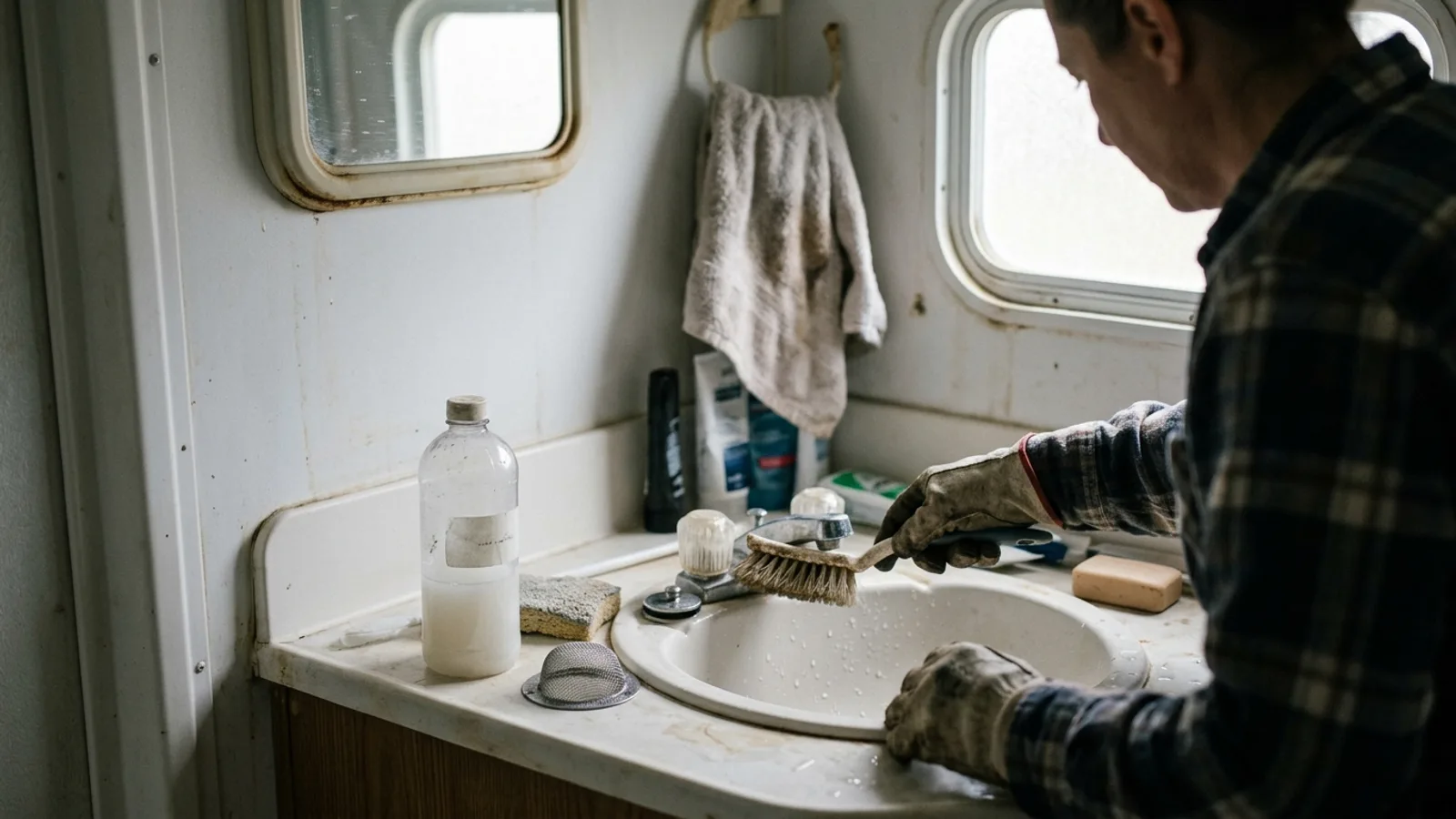
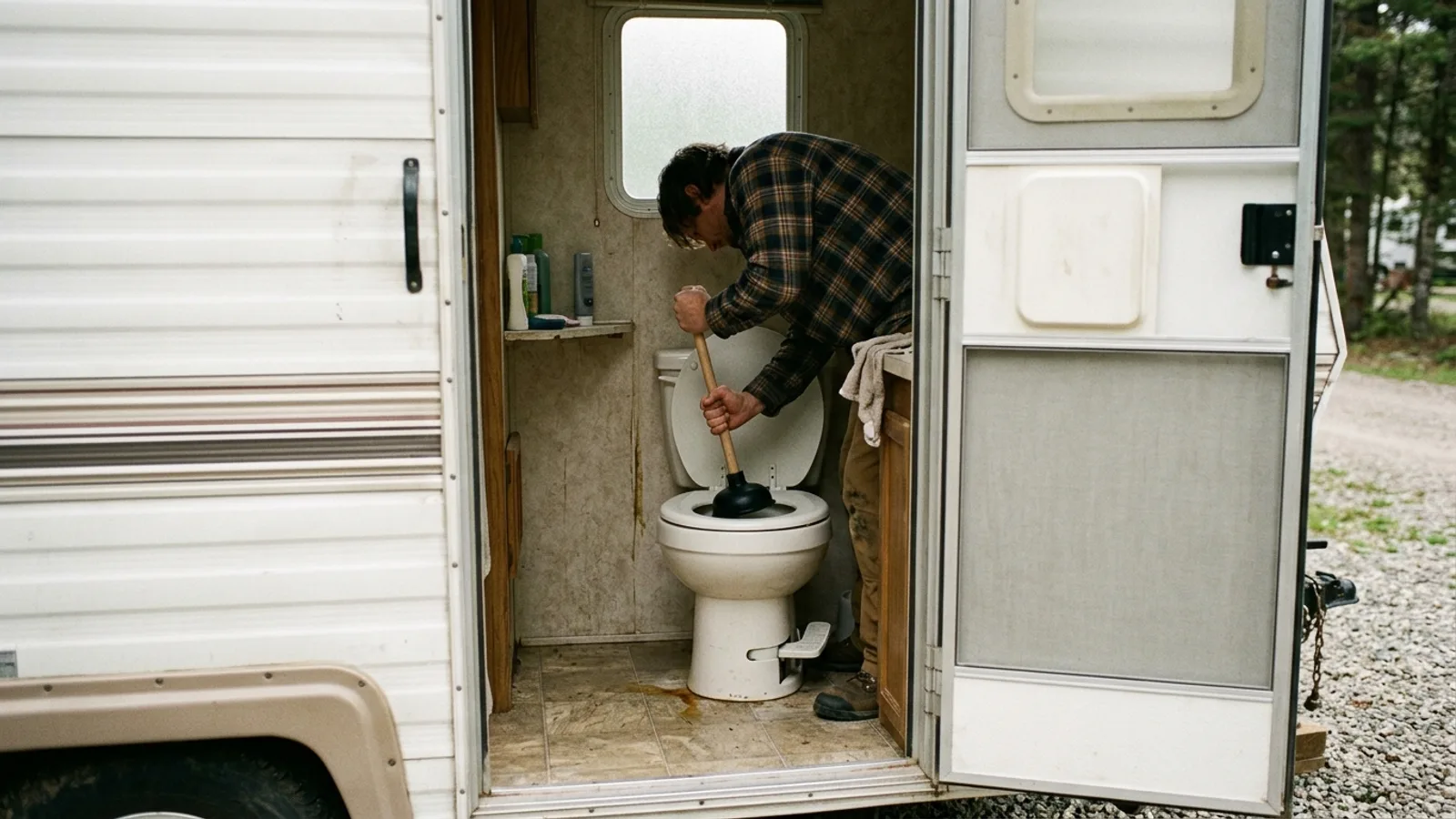
Small dark flies hovering around the toilet or kitchen sink in an RV are almost always drain flies (sometimes called moth flies or sewer flies), not fruit flies or houseflies. They breed in the film of organic waste that lines tanks and plumbing, and an RV's compact plumbing system gives them an easy path from the tank straight into your living space.
Why RVs Get Them
Drain flies lay eggs in damp organic residue: the buildup inside a black tank, sludge in a gray tank, or grime around a sink drain. They don't need much material to breed, and RV tanks are small enough that a light coating of waste can support a persistent population.
These flies are weak fliers and don't travel far from where they hatch, which is why you'll usually see them clustered near a specific drain or the toilet rather than spread through the whole vehicle. They don't bite, but landing on food prep surfaces or dishes means they can move bacteria from the tank to your kitchen, so an infestation is worth treating as more than a cosmetic annoyance.
Preventing an Infestation
The most reliable prevention is keeping the path from tank to living space closed off:
- Keep dump valves closed between dumps. Leaving a black tank valve open at a campground connection lets liquid drain away while solid waste stays behind and dries into a mound, which gives flies more surface area to breed on. Only open the valve when you're actively dumping, and dump the black tank when it's reasonably full so the flush has enough force to clear solids.
- Keep the gray tank valve closed when not actively draining, especially if you notice flies near sink or shower drains. Food residue and soap scum in a gray tank can support breeding just as the black tank does.
- Run water through rarely used drains periodically so P-traps stay filled. A dry trap lets sewer air and insects travel straight up into the RV.
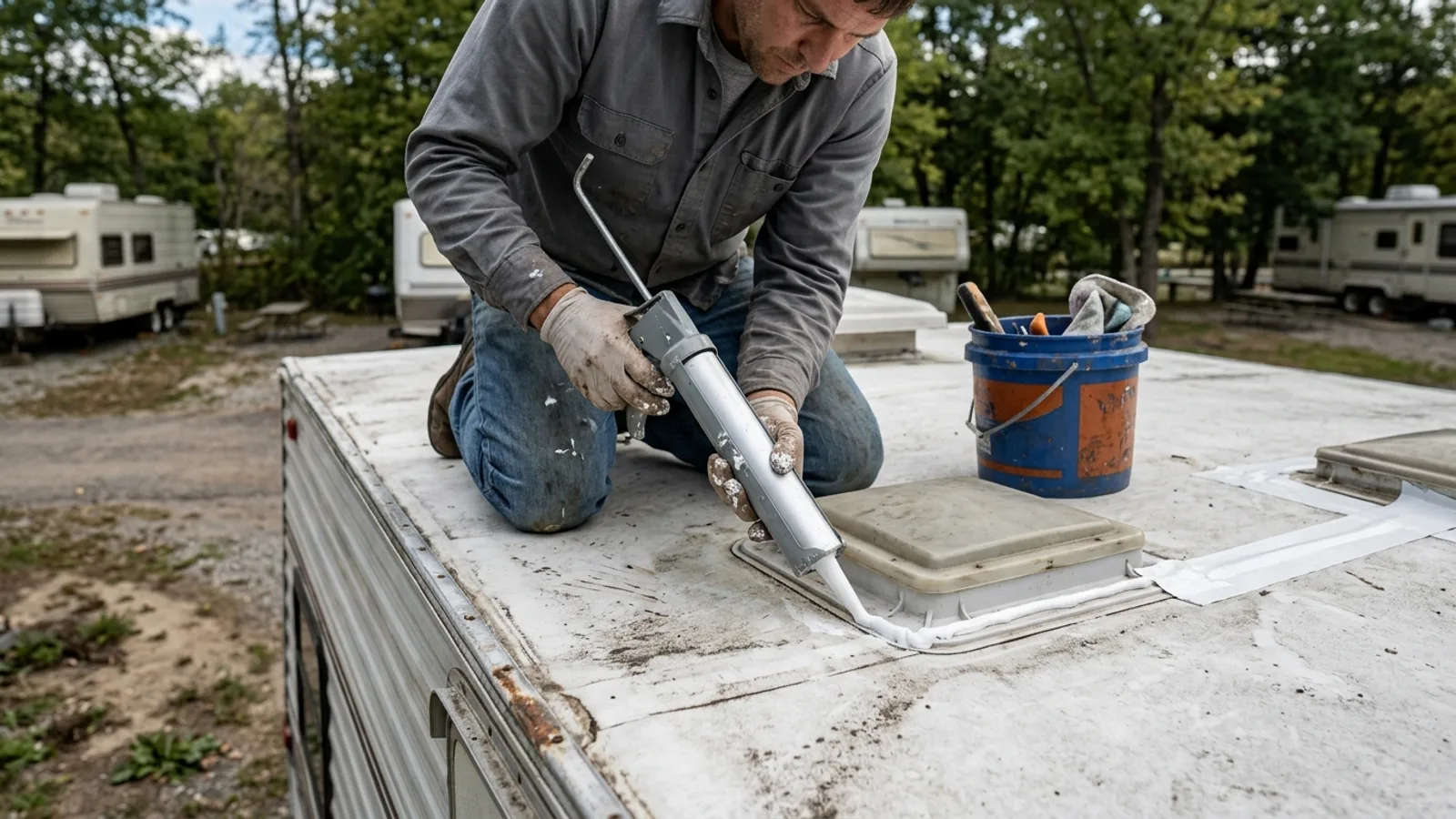
- Check exterior seals around plumbing vents, tank vent covers, and any gaps where wiring or plumbing passes through the floor or walls. Flies and other small insects can enter through surprisingly small openings.
Citronella, lemon eucalyptus, and similar scented candles or oils can make a space less inviting to flying insects and are a reasonable addition to an outdoor seating area, but they won't solve a breeding problem inside the tank or plumbing.
Treating an Active Infestation
If flies are already present, focus on the breeding site rather than just the flies you can see.
Flush and Treat the Tank
A thorough black tank flush, using a built-in flush system or a wand inserted through the toilet, does more to disrupt breeding than any additive. After flushing, let the tank sit with a fresh load of water and enough tank-treatment chemical to break down waste, then dump and flush again. This mechanically removes larvae along with the waste that feeds them, which matters more than any single ingredient added to the water.
Enzymatic Cleaners
Enzyme- or bacteria-based tank treatments are designed to digest organic buildup over time and are gentle on seals and valves. They work best as an ongoing maintenance habit rather than a one-time fix, since it takes repeated treatments to fully break down established residue.
Drain Gels and Foams
Gel or foaming drain treatments cling to the inside of pipes and can reach residue that a quick water flush misses. They're most useful for sink and shower drains where flies are concentrated near the drain opening rather than deep in the tank.
Traps
Sticky traps or small light traps placed near an active problem area can knock down the visible adult population while you address the breeding source. Traps alone won't stop an infestation if the tank or drain residue that's producing new flies isn't dealt with.
Long-Term Habits
Once an infestation is cleared, a few ongoing habits keep it from coming back:
- Wipe down kitchen and bathroom surfaces regularly and deal with spills or standing water promptly, since these areas are the flies' preferred habitat once they're inside.
- Keep dump valves closed except when dumping, and flush tanks thoroughly rather than partially.
- Do a periodic deep clean of tanks between longer trips, not just when a problem shows up.
- Reseal any exterior gaps you find, and check seals again after any plumbing repair.
Consistent tank maintenance is the single biggest factor in keeping drain flies out for good. Repellents and traps help in the moment, but an RV that's flushed properly and sealed up tends not to develop the problem in the first place.