RV Roof Materials: Comparing EPDM and TPO
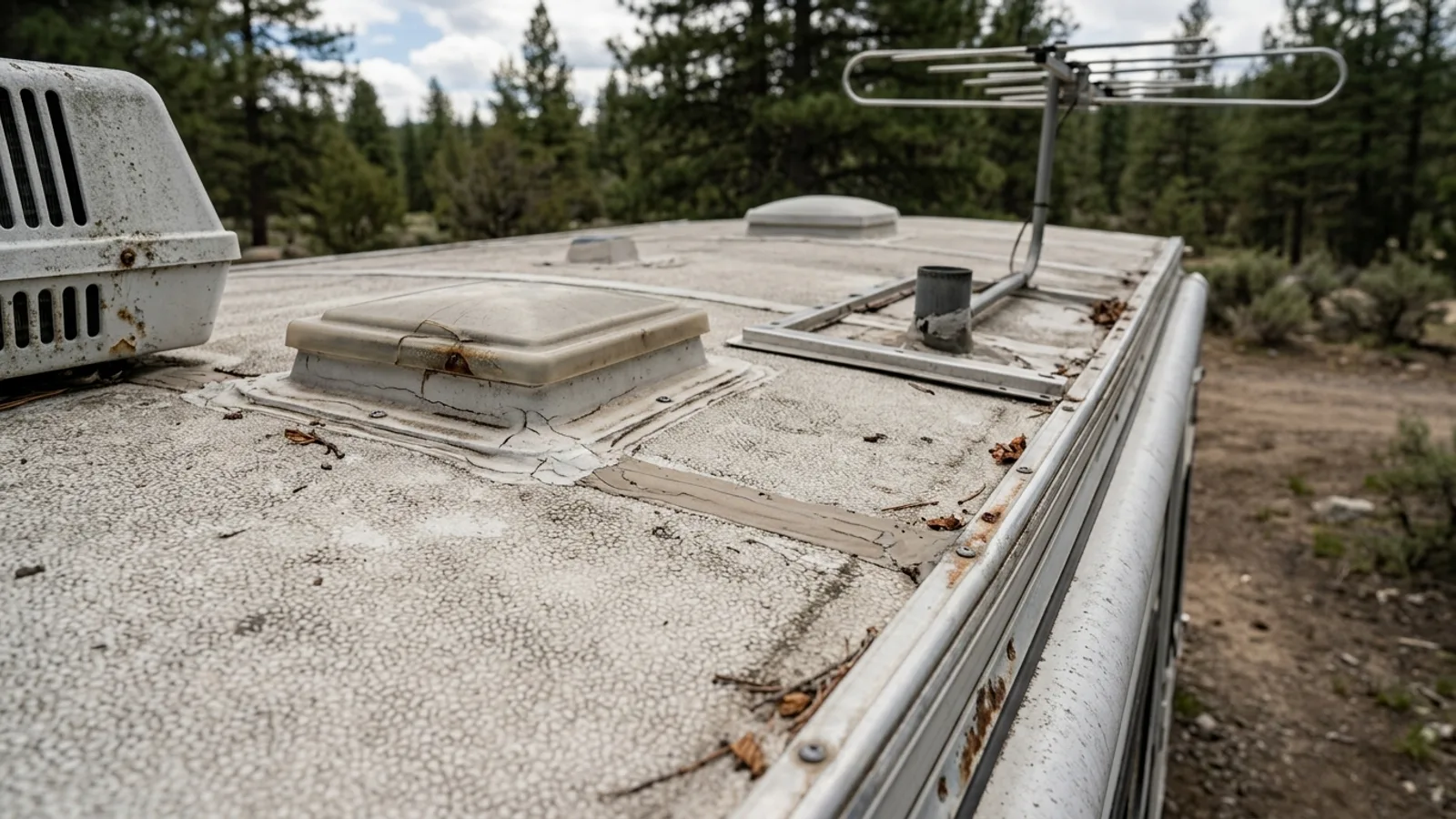
Why the Roof Material Matters
An RV roof takes constant abuse from sun, rain, temperature swings, and flexing as the vehicle moves down the road. The membrane you have covering that roof affects how often you'll deal with leaks, how much maintenance it needs, and how long it lasts before replacement. The two most common single-ply membrane materials on RVs are EPDM and TPO, and each behaves differently over time.
What EPDM Is
EPDM stands for ethylene propylene diene monomer, a synthetic rubber compound. It's been used in RV and commercial roofing for decades, so there's a long track record of how it performs in the field. EPDM is typically black, though white versions exist, and it comes in large sheets that are adhered to the roof deck.
Rubber membranes like this are naturally flexible, which helps them handle the expansion and contraction that comes with temperature swings and the flexing of a moving vehicle.
What TPO Is
TPO stands for thermoplastic polyolefin. It's a newer class of single-ply membrane, usually white or light gray, made from a blend of plastic and rubber compounds. Because the top surface is typically heat-welded at seams rather than only glued, TPO can offer a more consistent, tightly sealed joint when installed correctly.
TPO's lighter color reflects more sunlight than black EPDM, which can help keep the roof and the interior of the RV somewhat cooler in hot climates.
Key Differences
Flexibility and Movement
EPDM has a long history of tolerating the constant flexing an RV roof experiences, including through hot summers and cold winters. TPO is also designed to flex, but formulations vary between manufacturers, and quality has been inconsistent industry-wide, which is part of why some installers have stronger opinions one way or the other.
Seams
Seam quality is often the actual point of failure on any membrane roof, more so than the material itself. TPO's heat-welded seams can form a very strong, continuous bond when done properly. EPDM seams rely on adhesive tape or liquid sealant, which needs to be applied carefully and inspected periodically, since seam adhesive can degrade with age and UV exposure.
Color and Heat
Because TPO is usually a lighter color, roofs stay cooler to the touch in direct sun. This can modestly reduce heat transfer into the cabin, which some owners find helpful when boondocking or parking without shore power for air conditioning.
UV Resistance
Both materials are formulated to resist UV degradation, but any membrane roof will slowly break down under constant sun exposure over years. Regular cleaning and inspection matter more for long-term performance than the specific material choice.
Maintenance
Both membrane types benefit from the same basic maintenance routine:
- Rinse the roof periodically to remove dirt, tree sap, and debris that can trap moisture or abrade the surface.
- Inspect seams, roof edges, and any roof penetrations (vents, air conditioner mounts, antennas) at least once or twice a year.
- Reseal or recaulk around fittings as soon as you notice cracking or lifting sealant, rather than waiting for a leak to appear inside.
- Avoid walking on the roof more than necessary, and never drag equipment or ladders across the surface, since punctures and tears usually start as small surface damage.
- Use cleaning products that are compatible with your specific roof material; harsh solvents can degrade some membranes faster than others.
Neither material is maintenance-free. Skipping inspections is the most common reason any RV roof fails early, regardless of what it's made from.
Choosing Between Them
There's no universally "better" choice — the right material depends on your climate, how the RV will be used, and how diligent you plan to be with upkeep.
- If you camp in consistently hot, sunny climates, a lighter-colored TPO roof may help with interior temperatures.
- If you value a roofing material with a long, well-documented history of durability, EPDM has that track record.
- If quality of installation and seam work matters most to you, ask about the specific installer's or manufacturer's process rather than relying on the material name alone — installation quality varies more within each category than between them.
Repairs
Both membrane types can typically be patched using repair products made specifically for that material. Mixing materials (for example, patching an EPDM roof with a TPO-specific product) is generally not recommended, since adhesion and compatibility issues can arise. If you're not sure what your roof is made of, check your owner's documentation or look for a data plate near the roof access, since the correct repair material depends on getting this right.
Bottom Line
EPDM and TPO are both proven options for RV roofs when properly installed and maintained. The material itself matters less over the life of the roof than how well it was installed and how consistently it's inspected and cared for afterward. Whichever material your RV has, treat regular roof checks as routine maintenance, not an optional extra.