Destination Trailers vs. Travel Trailers: How to Choose
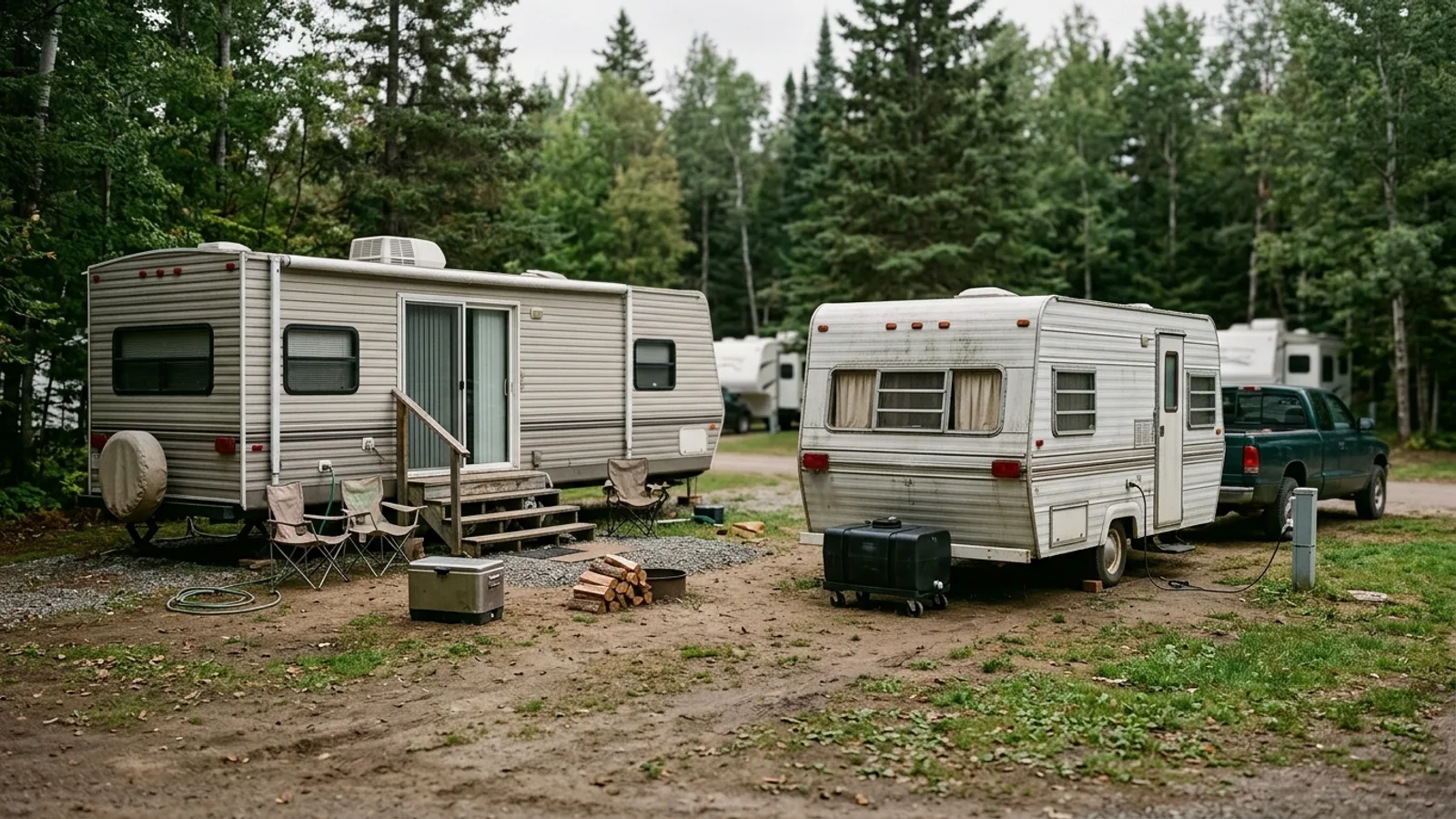
Both destination trailers and travel trailers are towable RVs, but they're built for different purposes. Understanding what sets them apart makes it much easier to pick the right one for how you actually plan to camp.
What a Destination Trailer Is
A destination trailer is built to stay put. Once it's set up at a campsite or seasonal lot, it typically isn't moved again for months or years at a time. Because it doesn't need to handle regular highway travel, manufacturers can prioritize space and comfort over aerodynamics and weight.
These trailers tend to have residential-style layouts: taller ceilings, larger kitchens, full-size appliances, and sometimes a separate bedroom or a bathroom with a real tub. Many have multiple slide-outs that expand the living space considerably once parked.
The tradeoff is mobility. Destination trailers are heavy and wide, and many aren't rated for frequent towing on public roads. Moving one usually requires special hauling arrangements rather than hitching it to a typical tow vehicle yourself.
What a Travel Trailer Is
A travel trailer is designed to be towed regularly. It's built lighter and more aerodynamically than a destination trailer, which makes it easier to pull, park, and maneuver with a properly matched tow vehicle.
Travel trailers come in a wide range of sizes and floor plans, from compact teardrop-style units to larger models with bunkhouses or slide-outs. They generally sacrifice some living space and residential-style features in exchange for being road-ready whenever you want to move on.
Key Differences at a Glance
- Mobility: Travel trailers are made for frequent towing; destination trailers are made to stay in one spot.
- Space: Destination trailers generally offer more square footage and taller ceilings; travel trailers are more compact.
- Amenities: Destination trailers often include full-size kitchen appliances and larger bathrooms; travel trailers usually have smaller, more efficient versions of the same.
- Weight and towing: Travel trailers are lighter and easier to match with a standard tow vehicle; destination trailers are heavier and less suited to routine towing.
- Typical use: Destination trailers suit long-term or seasonal stays at one location; travel trailers suit trips where you'll be changing campsites.
Factors to Weigh Before Buying
Towing Capability
If you plan to move the trailer yourself, check that your tow vehicle's rated towing capacity comfortably exceeds the trailer's loaded weight, not just its empty weight. Underestimating this is one of the most common and most dangerous mistakes new owners make. If a trailer is heavier than what your vehicle can safely tow, that's a sign it's better suited to staying in place.
How You'll Actually Use It
Think honestly about your travel pattern. If you're planning weekend trips, regional road trips, or visits to several parks in one outing, a lighter and more maneuverable trailer will serve you better. If you're looking for a comfortable base at one seasonal site or a long-term rental lot, the extra space and amenities of a stationary trailer may be worth the tradeoff in mobility.
Size and Layout
Consider how many people will regularly use the trailer and what layout suits them: open floor plans, separate sleeping areas, or slide-outs that add usable space once parked. Larger layouts add comfort but also add weight and towing complexity.
Systems and Self-Sufficiency
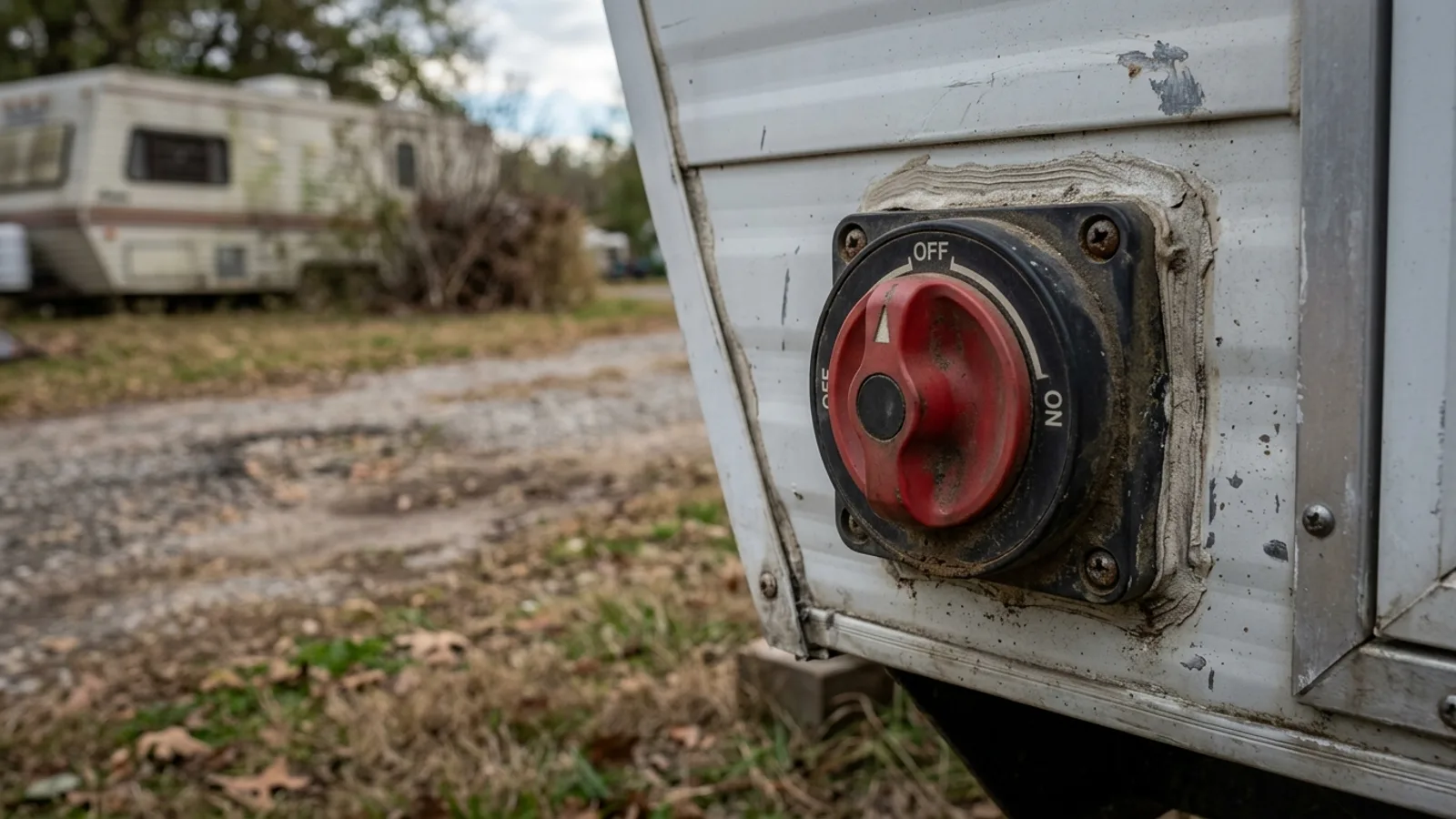
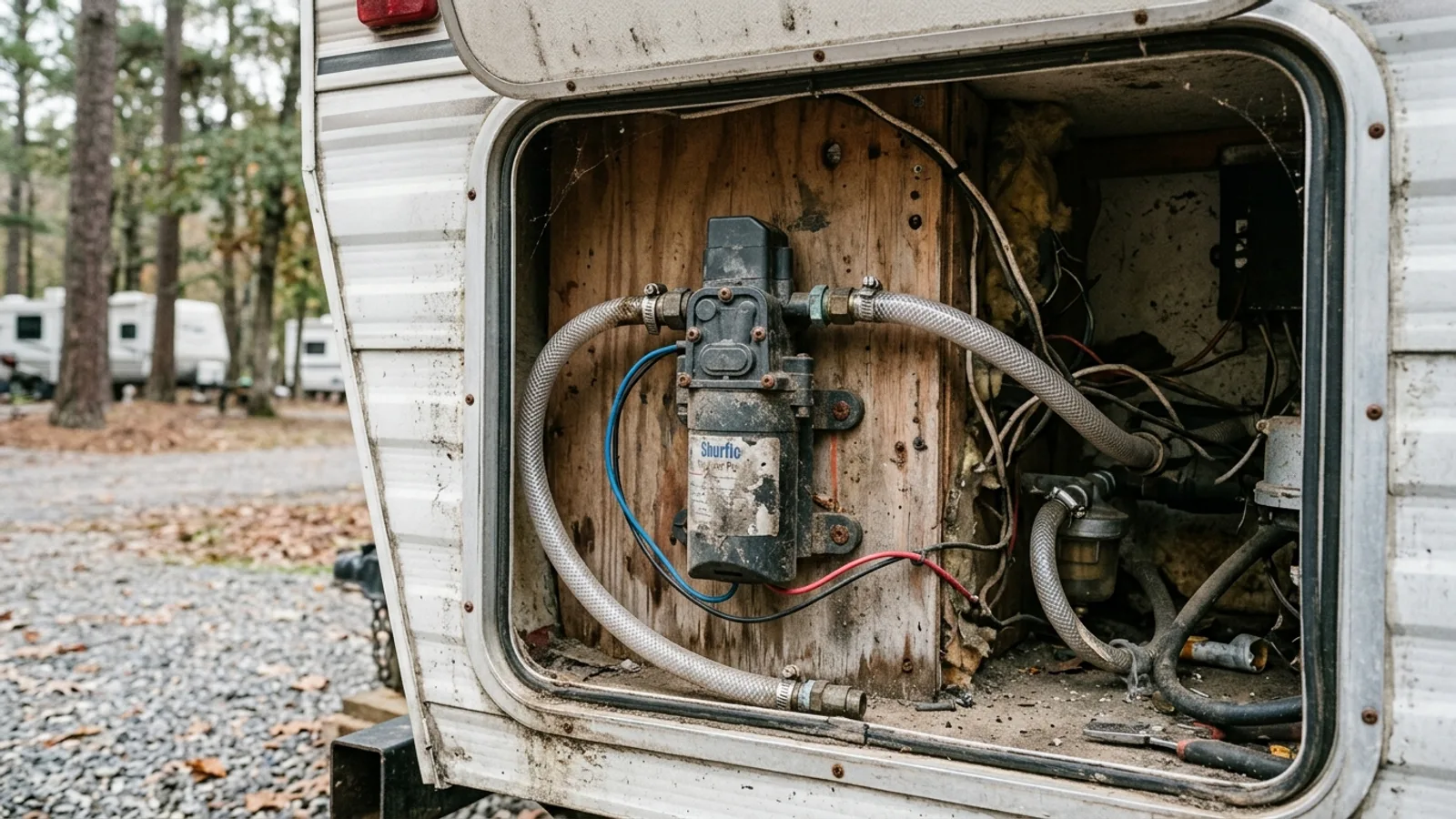
Most towable RVs, whether destination or travel trailers, include holding tanks for fresh water, gray water, and black water, along with a power system for use where full hookups aren't available. Check how these systems are sized and how often they'll need to be managed, since this affects how comfortably you can stay off standard hookups.
Maintenance and Storage
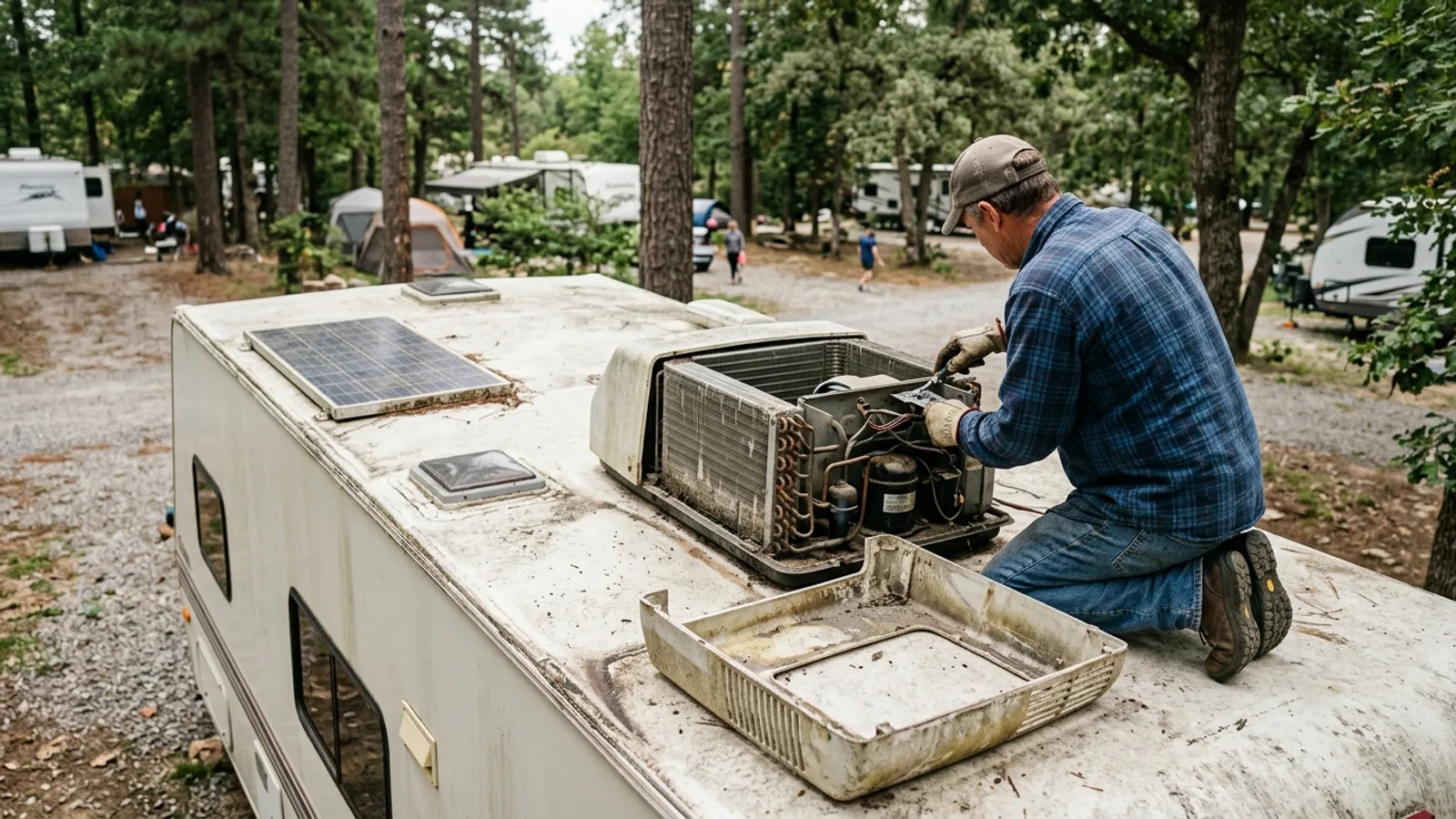
Any trailer requires regular upkeep: sealing seams, checking for leaks, servicing tires and axles if it's towed, and winterizing systems in cold climates. Where and how you'll store the trailer when it's not in use is worth planning for before you buy.
Budget
Larger, more amenity-rich trailers generally cost more to buy, insure, and maintain than smaller travel trailers. Factor in not just the purchase but ongoing costs like site fees, storage, and repairs.
Which One Fits Your Trip
If your idea of a good trip is moving between campgrounds, exploring different parks, and keeping your setup flexible, a travel trailer is the more practical choice. If you're after a comfortable, semi-permanent home base for extended stays at one location, a destination trailer's extra space and amenities make more sense.
Neither type is objectively better. The right choice depends on how often you plan to move the trailer and how much living space you want once it's parked.