Overnight Parking at Cracker Barrel and Other Retail Lots: A Practical Guide for RVers
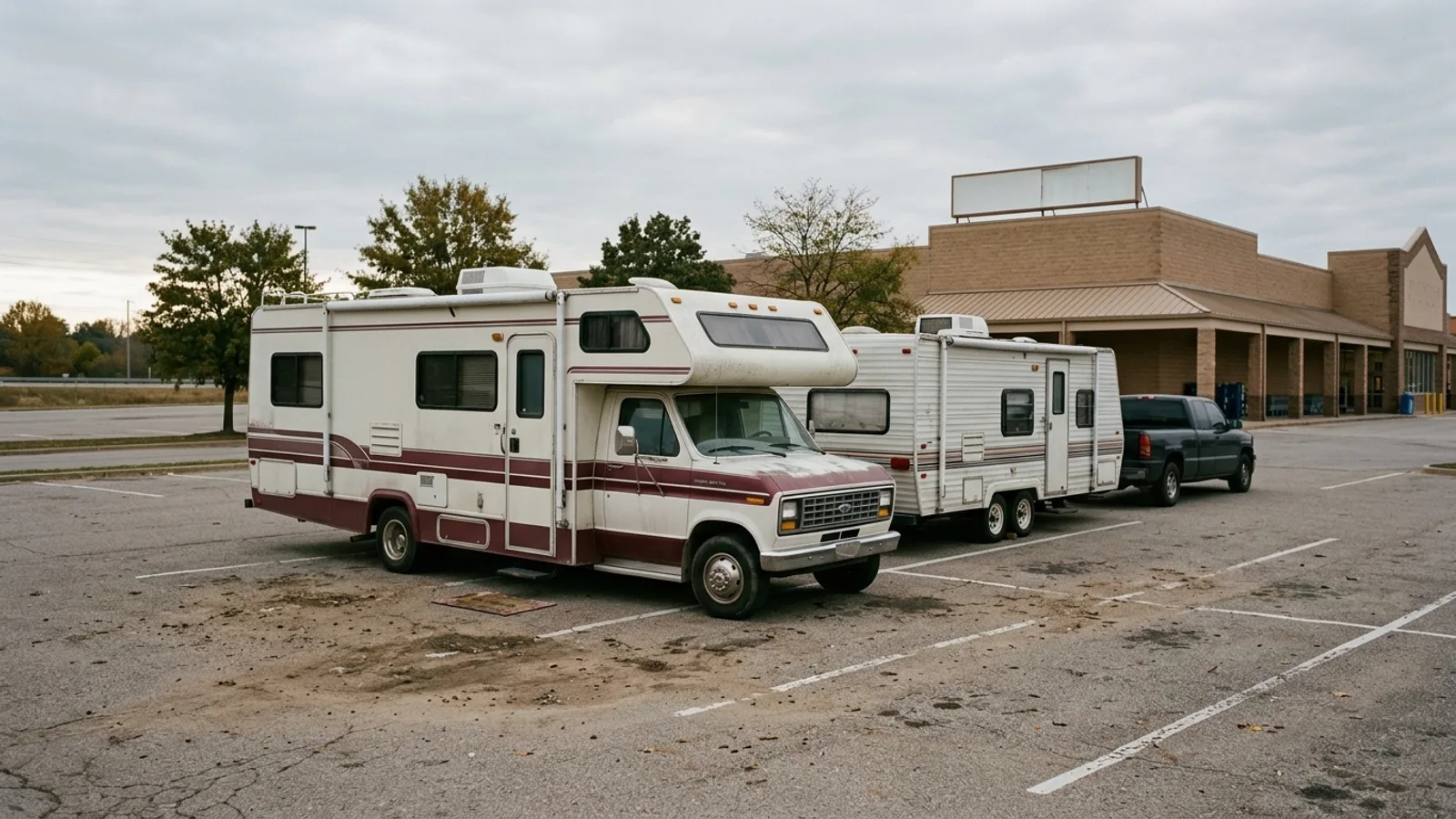
Many RVers rely on retail and restaurant parking lots as free overnight stops between destinations. Cracker Barrel is one of the most commonly cited options because its locations are often near highways and have large lots. This isn't formal camping — it's a courtesy stop for sleep, not a campground experience — but understanding how it works can make road trips easier and cheaper.
How This Kind of Overnight Parking Works
Overnight parking at a restaurant or retail store is generally allowed at the discretion of the individual location, not guaranteed company-wide policy. Local management can restrict or prohibit it based on local ordinances, lot size, security concerns, or past problems with RVers. Some municipalities also have their own rules banning overnight parking in commercial lots regardless of what the business allows.
Because of this variability, the only reliable way to know if you can stay is to call ahead or ask in person when you arrive. Don't assume permission just because you've heard other RVers do it or because you stayed at a different location of the same chain before.
Etiquette for Overnight Lot Camping
Whether you're at a restaurant, a big-box store, or an outdoor retailer, the same basic etiquette applies:
- Ask first. Speak with a manager or staff member rather than just pulling in. This confirms permission and lets them know a vehicle will be there overnight.
- Patronize the business if you can. Eating a meal or buying something is a reasonable way to thank a business for the courtesy, though it isn't always required.
- Park at the edge of the lot. Leave prime spots near entrances for customers, and choose a spot that doesn't interfere with deliveries, trash pickup, or early-morning traffic.
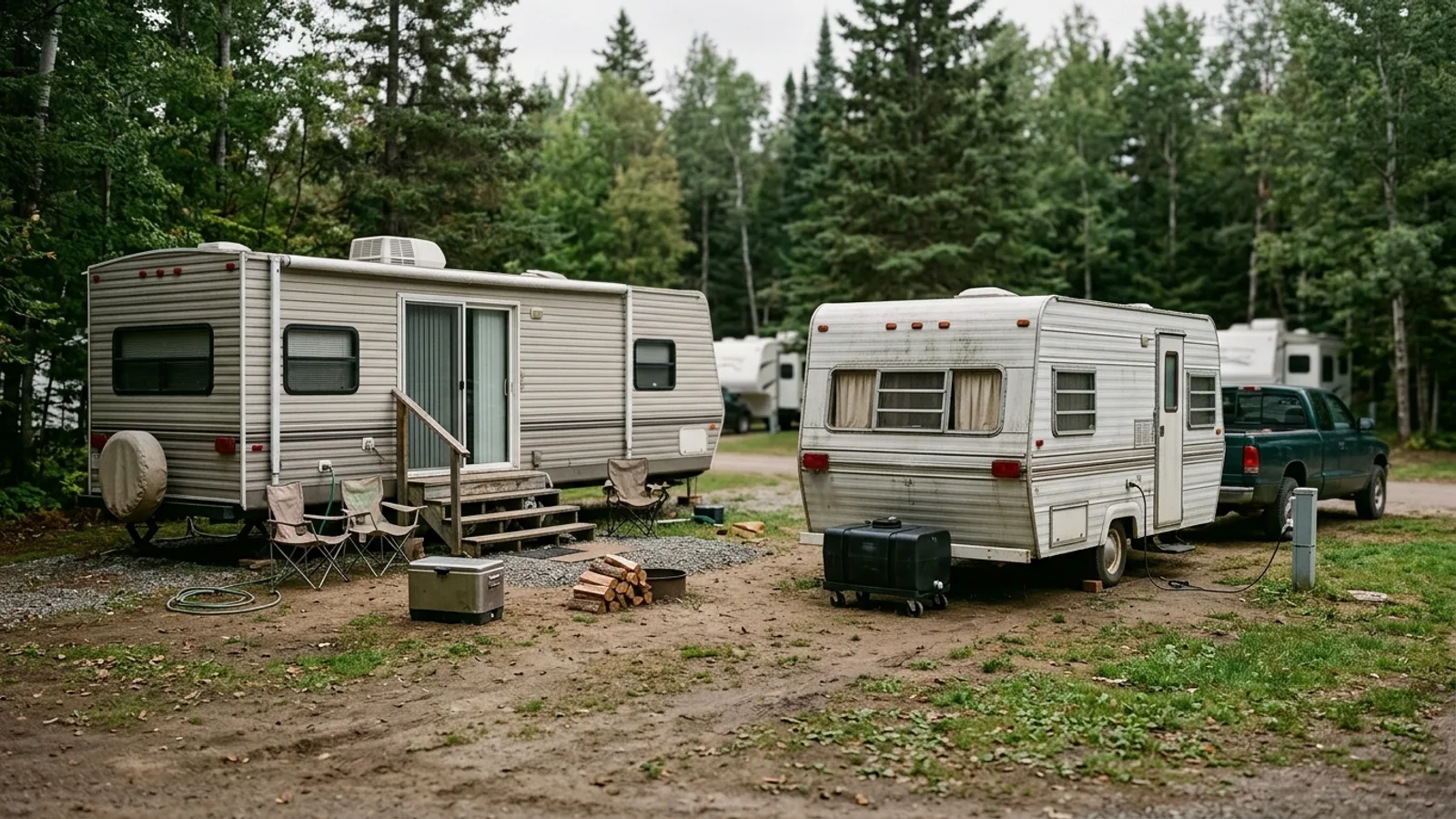
- Keep it low-profile. Don't set up chairs, awnings, grills, or other campsite-style gear in a parking lot. Overnight parking is about sleeping, not camping out.
- Limit your stay to one night. These arrangements are for a single overnight stop, not an extended stay.
- Handle waste and pets off-site. Don't dump gray or black water in a parking lot, and walk pets away from the building and any outdoor seating areas, cleaning up thoroughly.
- Stay quiet. Avoid running generators late at night, and keep noise to a minimum so nearby residents or hotel guests aren't disturbed.
Lots close to permission because of RVers who ignore these norms, so treating each stay as a privilege — not a right — helps keep the option open for others.
Alternatives to Consider
Cracker Barrel isn't the only business known for allowing overnight RV parking. Other large retailers, especially those with expansive lots on the outskirts of town, sometimes permit it as well, particularly outdoor recreation and home improvement stores. Truck stops and casinos are also commonly used, and many have amenities like fuel, food, or restrooms nearby.
Policies vary by location and can change without notice, so always confirm on arrival rather than relying on past experience or word of mouth. If a lot has posted "no overnight parking" signage, respect it and look elsewhere.
For overnight stays with more privacy or amenities, consider looking into rest areas (where legal for overnight stays), some public lands that allow dispersed camping, and RV parks or campgrounds that offer short-term or overflow parking.
Tips for a Smoother Overnight Stop
A few habits make lot camping more comfortable and lower-key:
- Block out light and noise. Parking lots are rarely dark or silent. An eye mask, earplugs, and window coverings for your rig can make a real difference in sleep quality.
- Arrive during a lull. Showing up outside of busy meal or shopping hours makes it easier to find a good spot and to speak with a manager without rushing them.
- Plan an early, unobtrusive departure. Leave with enough time for the business to prepare for its regular opening rush, and avoid lingering in the lot after you're awake and ready to go.
- Keep your rig road-ready. Since you likely won't be extending leveling jacks or setting up outdoor gear, keep your RV in "travel mode" — stabilized just enough to sleep, but ready to move quickly if asked.
- Pack essentials for a quick, self-contained stop. Flashlights, a portable table if you plan to eat outside briefly, basic tools, and any pet supplies you'll need should be easy to reach without unpacking your whole rig.
- Have a backup plan. If a location turns out to be full, under construction, or no longer allowing overnight stays, know a second option nearby — another retailer, a truck stop, or a campground — so you're not searching late at night.
When to Choose a Campground Instead
Parking lot stops work well for a single night during a long drive, but they aren't a substitute for real camping. If you want hookups, a fire, more space, or simply a quieter and more scenic setting, a public or private campground will serve you better. Reserving a site in advance, especially during busy travel seasons, can save you from searching for a lot-camping option at all.