What Is a Class C RV? A Practical Guide to This Motorhome Type
What Defines a Class C RV
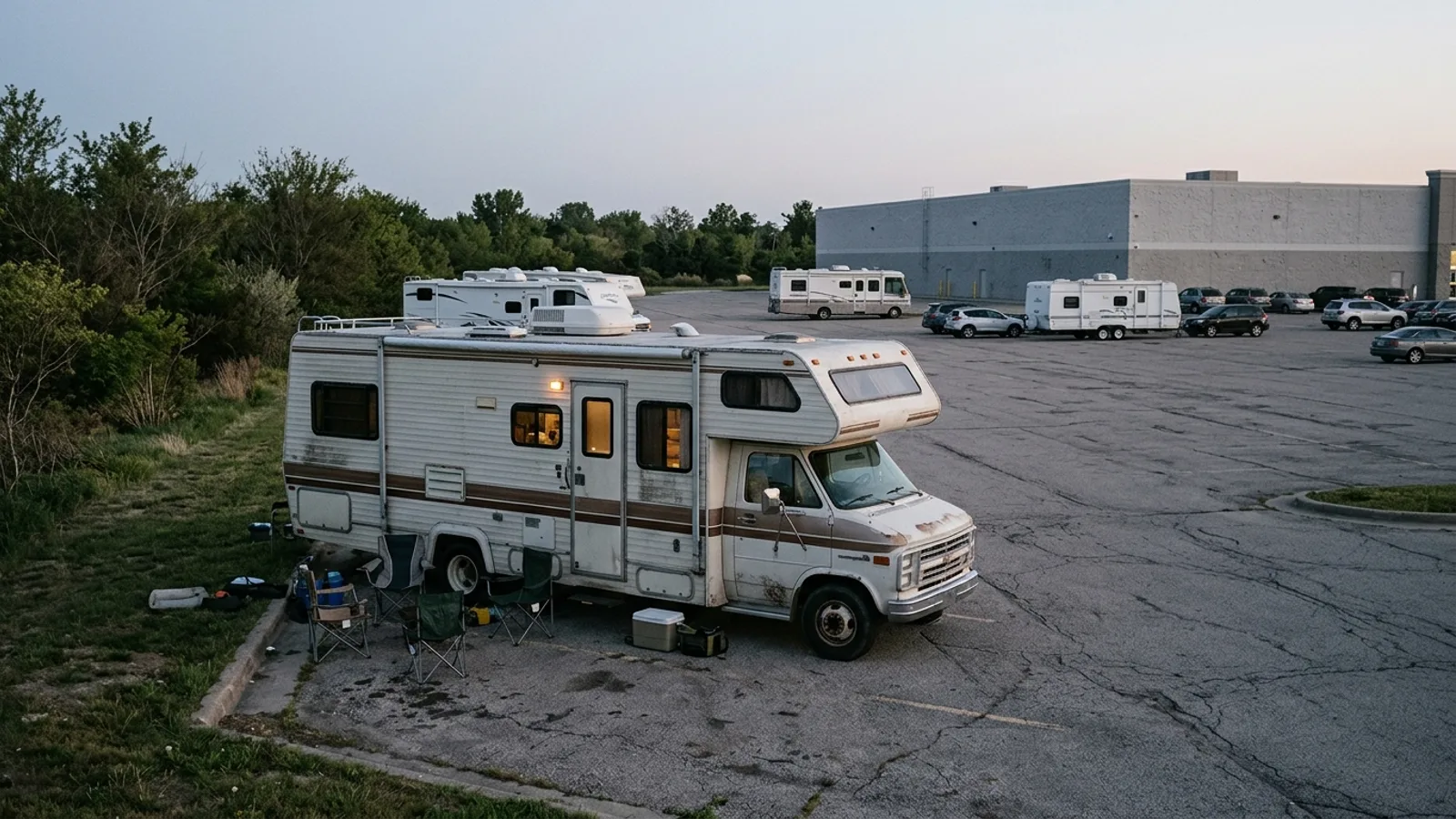
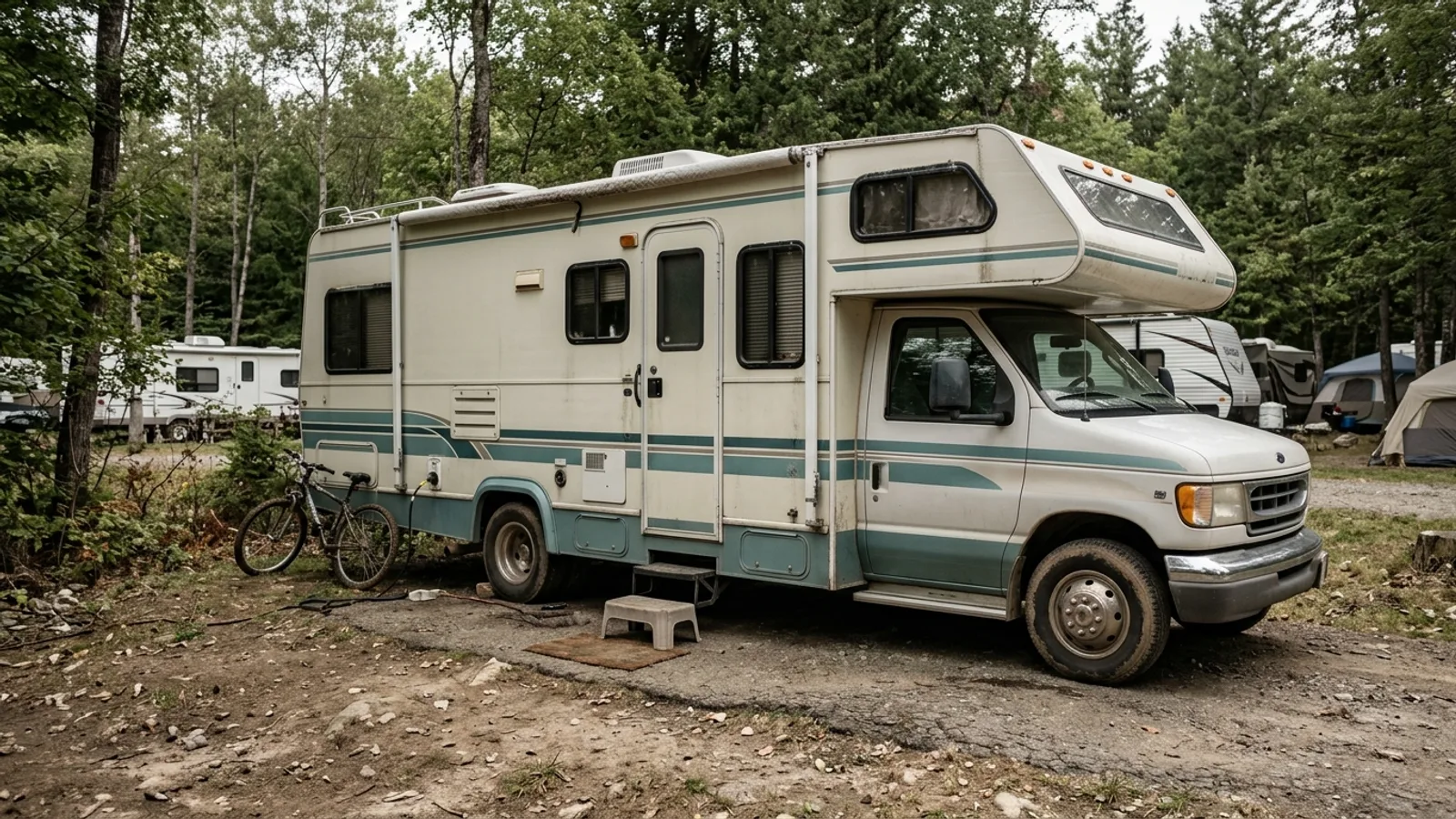
A Class C RV is a motorhome built on a van or truck chassis, easily recognized by the cab-over section above the driving cockpit, which usually houses a bed or storage. This design keeps the familiar dashboard and windshield of a van cab while extending the living space behind and above it.
Class C RVs generally fall in the mid-size range among motorhomes: larger and more amenity-rich than camper vans, but smaller and easier to maneuver than the biggest bus-style motorhomes. This middle position is the main reason many first-time RV owners choose one — it offers real living space without the learning curve of driving a full-size coach.
Class C vs. Class A: Size, Driving, and Comfort
Class A motorhomes are built on commercial bus or truck frames and tend to be longer, taller, and wider than Class C models. That extra size translates into more living space — bigger kitchens, more storage, and often multiple slide-outs that expand the interior when parked.
Class C RVs are more compact, which makes them easier to maneuver on narrow roads, in campgrounds with tighter sites, and in everyday parking lots. Their engine sits in front, similar to a truck or van, so the driving experience feels closer to driving a large vehicle you may already be familiar with. Class A motorhomes typically place the engine at the rear or beneath the vehicle, which can make for a quieter ride but a different driving feel to get used to.
If you prioritize maneuverability and a familiar driving position, a Class C is usually the easier transition. If uninterrupted living space and long-term comfort matter more than ease of parking, a Class A may be worth the tradeoff.
Class C vs. Class B: Space vs. Simplicity
Class B camper vans are built on a standard van body, without the extended cab-over section. They are the most compact and fuel-efficient motorhome option, and their smaller footprint means they can fit into regular parking spaces and narrower campground roads with little difficulty.
Class C RVs give up some of that ease of parking in exchange for more livable space. Many include a separate bathroom with a shower stall, more counter and storage space, and dedicated sleeping areas that don't require converting a lounge or bed nightly. Class B vans often use a single, more compact wet bath where the shower and toilet share the same space.
The choice comes down to how you plan to travel: a Class B suits solo or minimalist travelers who value simplicity and easy parking, while a Class C suits families or longer trips where extra space and separate sleeping areas matter more.
Questions to Ask Before Buying a Class C RV
- Engine type: Gas and diesel engines differ in maintenance needs, fuel availability, and long-term durability. Ask about routine service requirements for the specific chassis.
- Sleeping capacity and layout: Confirm how many people the RV comfortably sleeps and where — cab-over bunks, dinette conversions, and fixed beds all affect comfort differently.
- Tank capacities: Fresh water, gray water, and black water tank sizes determine how often you'll need to refill or dump during a trip. Larger tanks mean more time between stops but add weight.
- Propane capacity: Propane typically powers the stove, water heater, and furnace. Ask how long a full tank lasts under regular use so you can plan for refills.
- Warranty and service coverage: RVs often have separate warranties for the chassis and the coach (living area) build. Understand what each covers and for how long.
- Walk-through and orientation: A thorough walk-through of all systems — electrical, plumbing, propane, and slide-outs — before you drive off is one of the most valuable parts of buying an RV, new or used.
- Towing capacity: If you plan to tow a car or trailer, confirm the rig's actual towing capacity after accounting for passengers, water, and gear already on board.
Tips for Choosing and Living With a Class C RV
Rather than focusing on brand names, compare RVs by chassis type, floor plan, and how the layout fits your actual travel style. A layout that looks appealing in a showroom may not work well once you're living in it for a week.
Take a test drive before buying, and pay attention to visibility, turning radius, and how the vehicle handles at highway speeds. These factors matter more day-to-day than most listed specifications.
When shopping used, ask about maintenance history for both the chassis and the coach systems, and have any prospective purchase inspected for water damage — a common and costly issue in older motorhomes.
Class C RVs can be parked and camped in a wide range of settings, from developed campgrounds with full hookups to more rustic sites with no services. Always check size and length restrictions before booking a site, since many campgrounds list maximum RV lengths.
Is a Class C RV Right for You?
A Class C RV suits travelers who want more space and comfort than a camper van offers, without taking on the size and complexity of a full Class A motorhome. It's a practical middle ground for families, weekend campers, and those planning extended road trips who still want manageable driving and parking.
If you're unsure, renting a Class C for a short trip before buying is one of the most reliable ways to test whether the size, layout, and driving experience actually fit how you like to travel.