Conversion Vans Explained: A Practical Guide to Van Travel
What a Conversion Van Actually Is
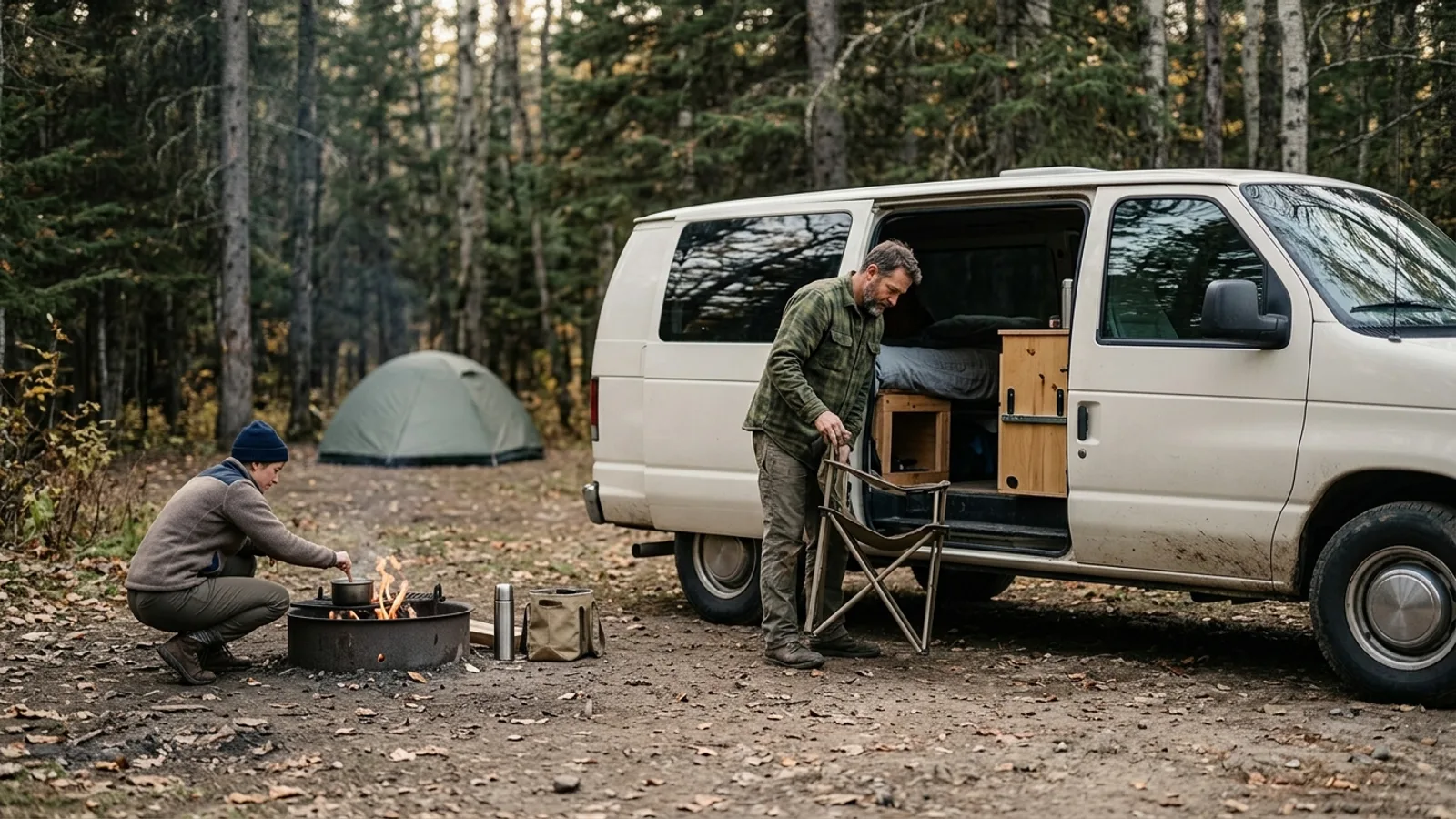
A conversion van starts life as a standard cargo van and is then modified for living or recreational use. The modifications range from a simple bed platform and some storage bins to a full build with a kitchen, seating, insulation, and a bathroom. Because the starting vehicle is a van rather than a purpose-built RV chassis, conversion vans tend to be narrower and shorter than motorhomes, which makes them easier to park, drive on regular roads, and take into places larger rigs can't go.
Some conversion vans are built by small shops or individual owners; others come from larger companies that turn out finished camper vans on a production basis. Wheelchair-accessible conversions are also common, using lowered floors, ramps, and tie-down systems rather than living amenities.
Why Travelers Choose Vans Over Other Options
The main appeal of a conversion van is flexibility. You're not committed to a fixed itinerary the way you often are with flights and hotel bookings, and you're not towing or driving a vehicle so large that it limits where you can go. A van can fit in a standard parking space, drive through a city, and still get you to a trailhead down a rough forest road.
Combining transportation and lodging in one vehicle also simplifies logistics. There's no separate check-in, no need to pack and unpack at every stop, and no dependence on finding lodging in remote areas. If the van has basic cooking facilities, you also gain the option of preparing your own food instead of relying entirely on restaurants, which is useful in areas with limited dining options.
The tradeoff is space. Even a well-designed van conversion is a small living area, and multi-day trips require some discipline about gear, food storage, and daily routines that wouldn't matter in a larger RV or a house.
Common Base Vehicles
Most conversion vans are built on one of a handful of full-size cargo van platforms from mainstream manufacturers. They differ mainly in interior height, length, and drivetrain layout, which affects how much standing room and storage a finished conversion can offer.
- Taller, high-roof vans allow most adults to stand up inside, which makes daily living considerably easier, at the cost of a taller vehicle that may not fit in some parking garages or under certain drive-throughs.
- Shorter, low-roof vans are less conspicuous and easier to park in urban settings or standard garages, but require sitting or crouching for many indoor tasks.
- Extended-length vans offer more interior square footage for a kitchen, bathroom, or bed setup, but are harder to maneuver and park than shorter versions.
There is no single "best" base van — the right choice depends on how you plan to use it, where you'll park it most often, and how much headroom and length actually matter for your build.
DIY Conversion vs. Professional Conversion
Building a van yourself gives you full control over layout, materials, and budget. It's genuinely rewarding for people who enjoy hands-on work, and it lets you make choices a shop might not offer, like an unusual floor plan or reused materials. The real cost is time: even a modest build takes weeks of focused work, and a full-featured one can take months, especially if it includes electrical, plumbing, or insulation work you're learning as you go.
Hiring a professional conversion company shortens that timeline dramatically and generally produces a more polished, code-aware result, particularly for electrical and gas systems. You lose some of the granular control over decisions, and professional builds cost more than comparable DIY ones, but you gain a finished product without the learning curve.
Neither route is objectively better. A DIY build suits travelers with the time, tools, and interest to do the work themselves. A professional build suits those who want to start using the van right away and are willing to pay for that convenience.
What to Plan For Before You Build or Rent
Think through daily practicalities before committing to a layout. Where will you store food, water, and waste? How will you handle power for lights, a refrigerator, or charging devices — through the vehicle's engine, solar panels, or a separate battery system? Where will you sleep if you're traveling with more than one person, and does the layout still work if weather keeps you inside for a full day?
If you're renting rather than building, ask specifically about kitchen setup, water capacity, bathroom facilities (if any), and how the bed converts, since photos alone can be misleading about how a space actually functions day to day.
Where Van Travel Works Well
Conversion vans are well suited to trips that combine driving with time outdoors — national parks, scenic byways, coastal routes, and public lands with dispersed camping options. Their smaller footprint means they can often use campsites and pull-offs that wouldn't accommodate a larger RV or trailer.
Check individual park and public land rules before you go: overnight parking, generator use, and off-road driving are regulated differently from place to place, and rules around where you can park overnight vary by city and jurisdiction as well.
Getting Started
If you're new to van travel, renting before you buy or build is a low-risk way to learn what layout and features actually matter to you. Pay attention to what you use, what you don't, and what you wish were different — that experience is more useful than any spec sheet when it's time to plan your own van.