Clay Pit State Vehicular Recreation Area: A Practical Guide
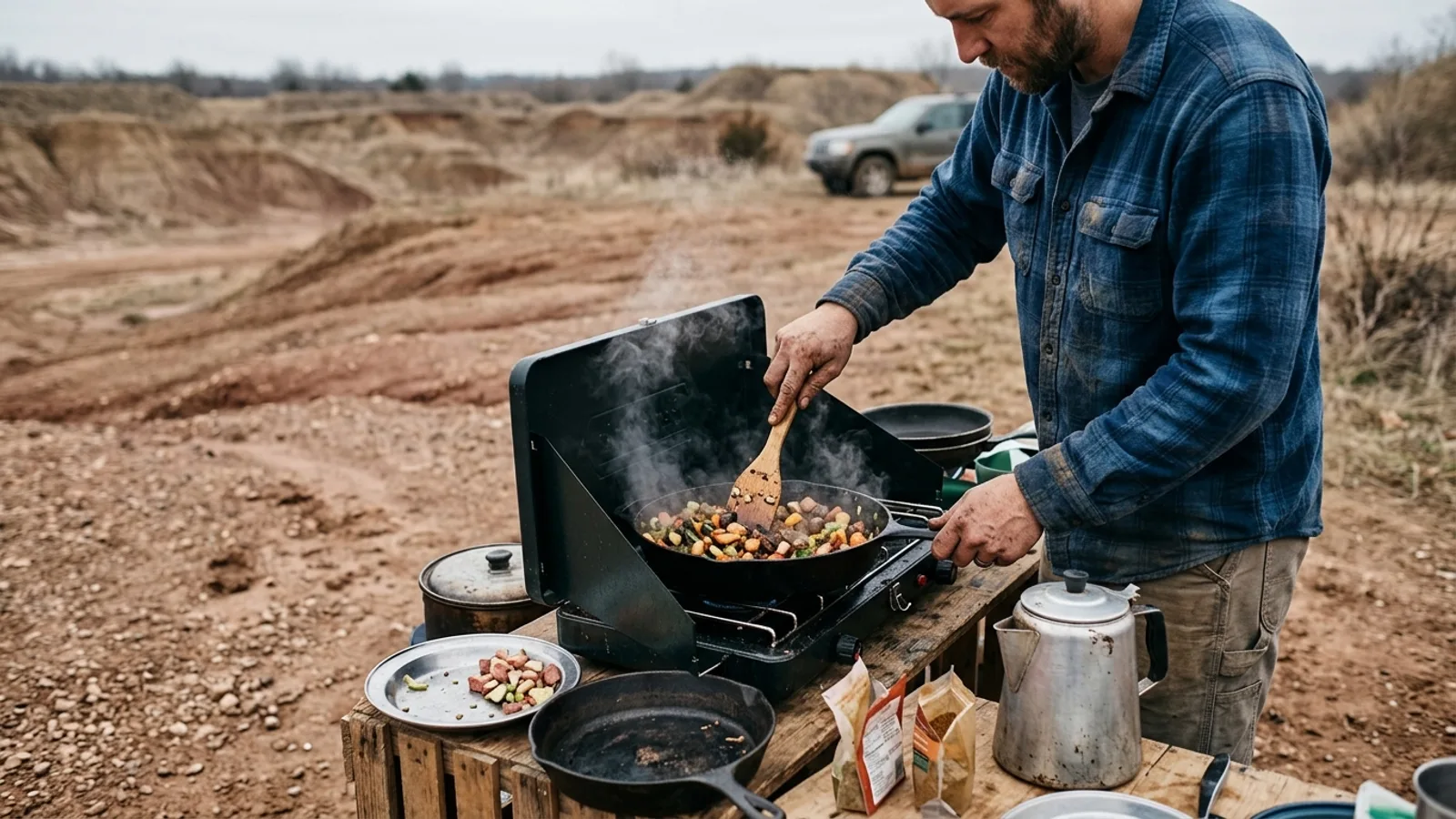
Clay Pit State Vehicular Recreation Area is an off-highway vehicle (OHV) park designed for motorized recreation, including ATVs, dirt bikes, and four-wheel-drive vehicles. Unlike a typical hiking-focused park, its trails and open riding zones are built specifically to handle motorized use, which makes it a popular stop for riders of varying experience levels.
What to Expect at the Park
The terrain at an OHV park like this is typically a mix of open riding areas, marked trails of varying difficulty, and sometimes hill climbs or technical sections for more advanced riders. Beginners usually start on flatter, wider trails before progressing to tighter or steeper terrain. Because ground conditions can shift with weather and use, trail difficulty is not always fixed season to season.
Dust and loose soil are common in vehicle recreation areas, so eye protection and a properly fitted helmet are standard practice regardless of vehicle type. Riders should also expect other vehicles sharing trails, so maintaining visible distance and predictable speed helps keep the park safer for everyone.
Permits, Rules, and Safety Basics
Most OHV parks require a valid entrance permit or day pass, and riders often need proof that their vehicle is registered for off-highway use. Requirements can vary by vehicle type, so it's worth confirming what documentation is needed before arrival rather than at the gate.
Helmets are typically mandatory for all riders, including passengers, and many parks enforce specific rules about maximum speeds, staying on marked trails, and yielding to other vehicles. Reviewing the posted rules at the entrance or visitor kiosk before heading out is a reliable way to avoid surprises.
Weather has an outsized effect on OHV terrain. Rain can make clay-based soils extremely slick or close trails entirely, while dry conditions can create loose, dusty surfaces that reduce traction. Checking current trail status before a trip helps avoid arriving to closures.
Trails and Riding Areas
Parks like this usually organize their terrain into zones by skill level: novice loops for newer riders, intermediate trail networks for building confidence, and more advanced sections with steeper grades or technical obstacles. Some areas may be set aside specifically for smaller or slower vehicles to reduce conflicts with faster traffic.
If you're new to a park, it helps to do a slower lap on marked beginner trails first to get a feel for the surface and layout before committing to more difficult terrain.
Camping Options
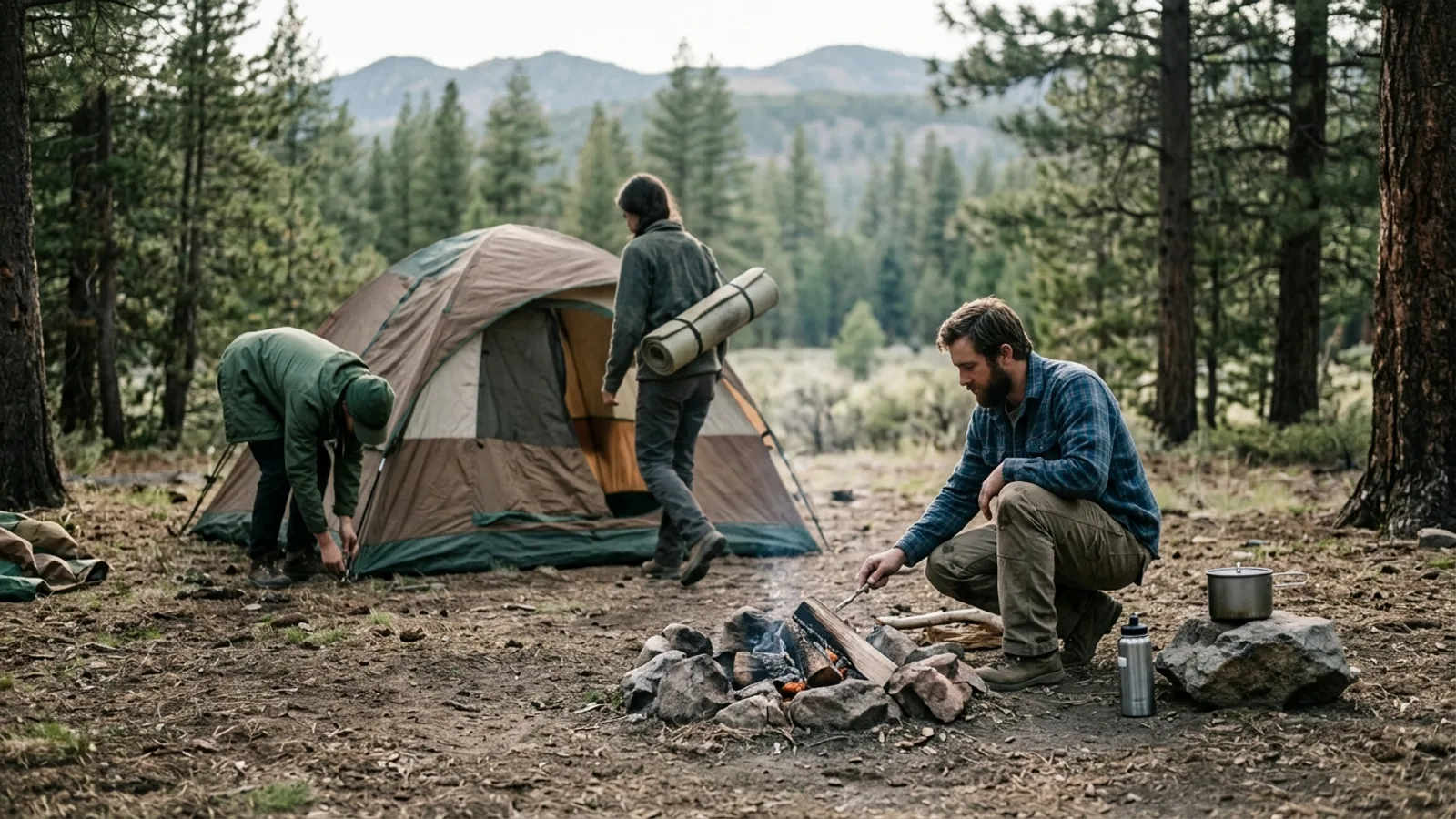
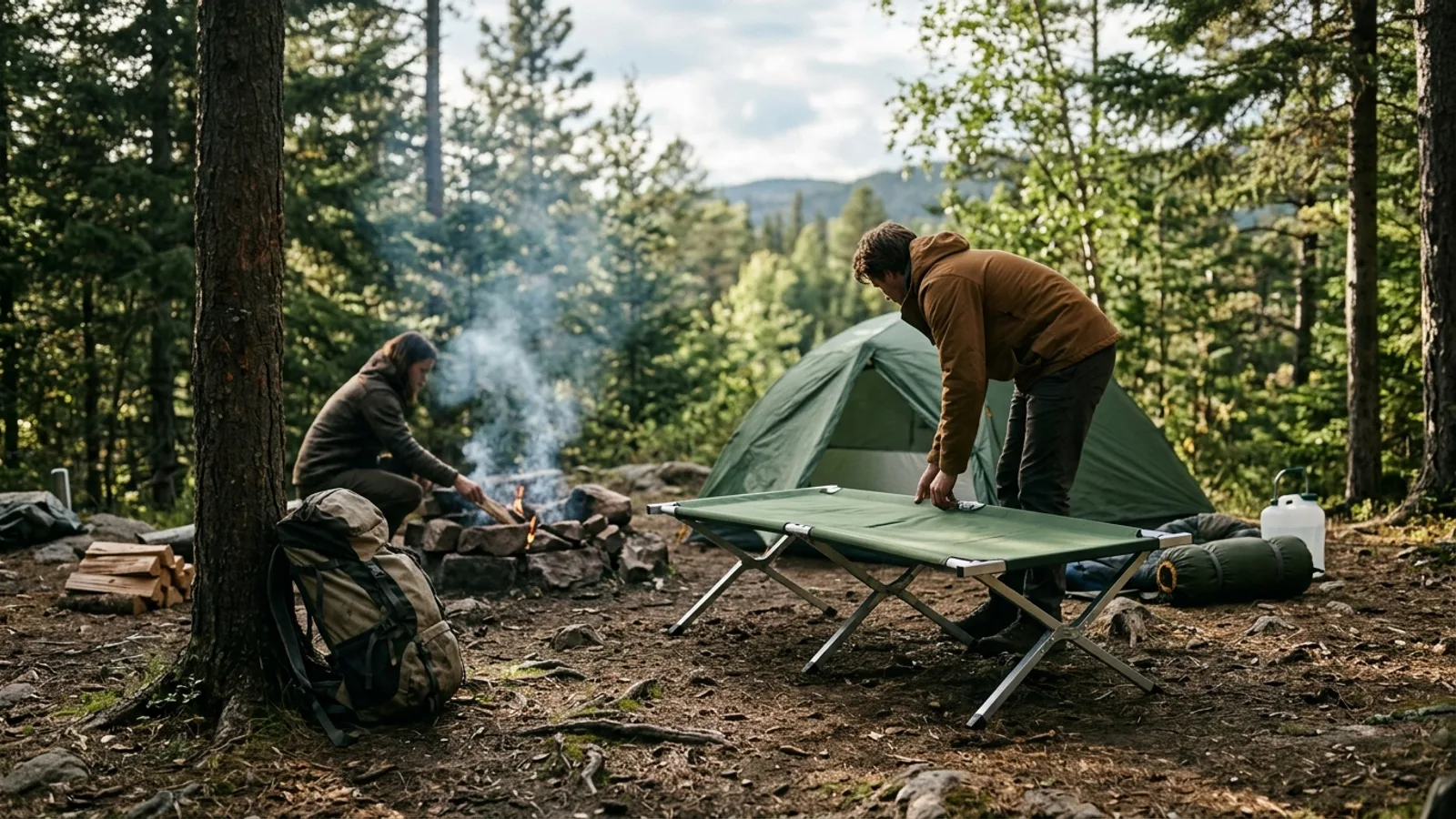
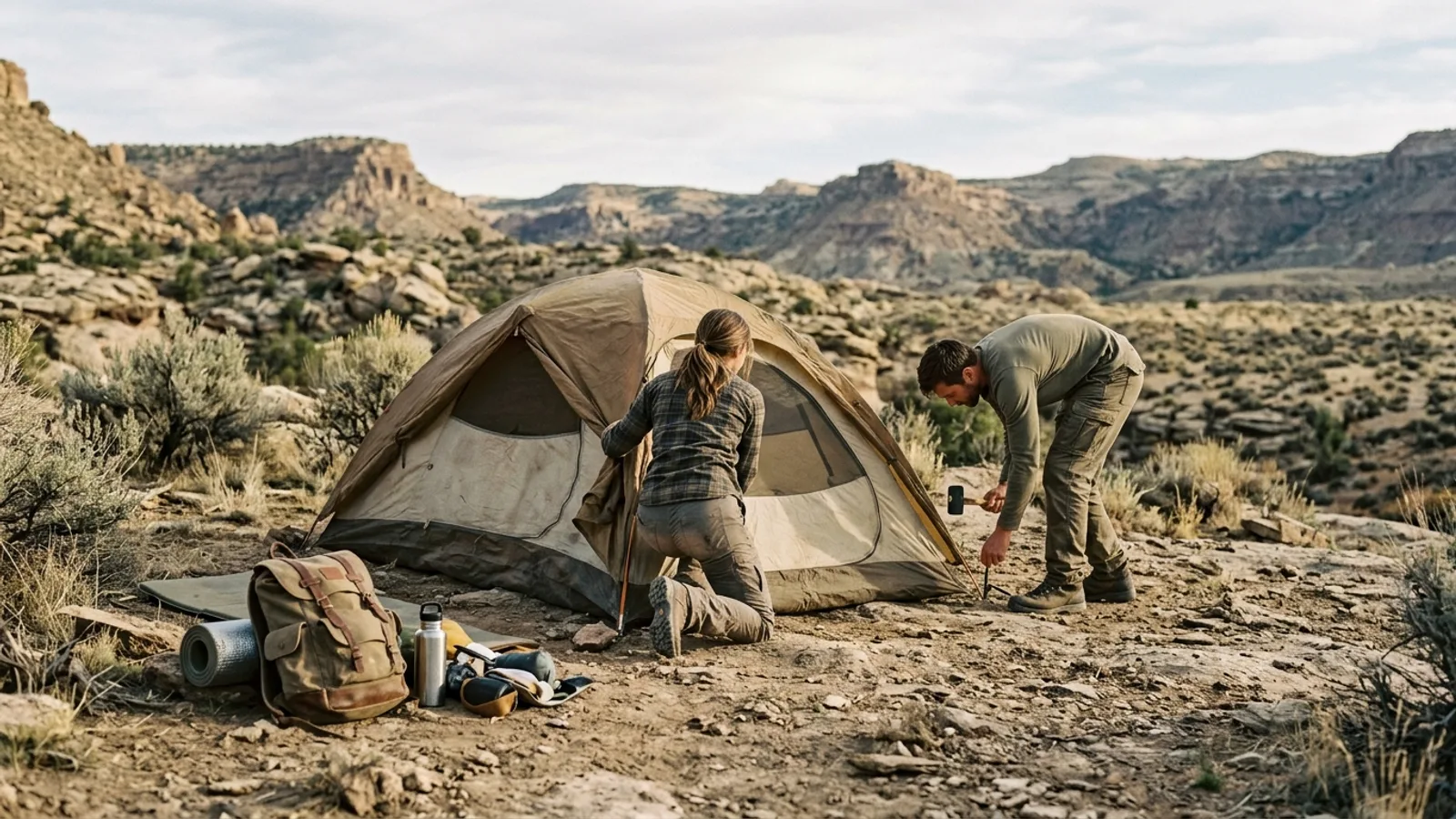
Many OHV parks offer on-site camping to support multi-day visits, ranging from primitive tent sites to sites with vehicle access or hookups for trailers and RVs. Facilities can be basic, so it's common to find pit toilets, fire rings, or picnic tables rather than full-service amenities.
Bring your own water, since not all vehicle recreation areas have potable water on site. Pack out all trash, and check whether campfires are permitted, since fire restrictions are common in dry conditions.
Planning Your Visit
Before heading out, confirm operating days and hours, since many OHV parks have reduced schedules on weekdays or during certain seasons. Bring your own fuel, spare parts, and basic tools, as repair services are rarely available on site. A physical or downloaded trail map is useful, since cell service is often unreliable in remote riding areas.
If you're traveling with a group that includes both riders and non-riders, check whether the park has spectator areas or non-motorized trails, since many vehicle recreation areas also include some hiking access separate from the OHV zones.
Exploring Nearby
Vehicle recreation areas are often located near other public lands, including state or regional parks with hiking trails, scenic overlooks, or water access. These can make a good complement to a riding trip, offering a lower-intensity way to spend part of a day if you want a break from motorized activity. Checking a regional map before your trip can help you identify what's within a short drive.
Before You Go
- Confirm permit and registration requirements for your specific vehicle type.
- Check current trail conditions and any weather-related closures.
- Pack helmets, eye protection, and basic repair tools.
- Bring more water and fuel than you think you'll need.
- Review posted rules on speed limits, trail boundaries, and right-of-way.