Camping While Pregnant: A Practical Guide
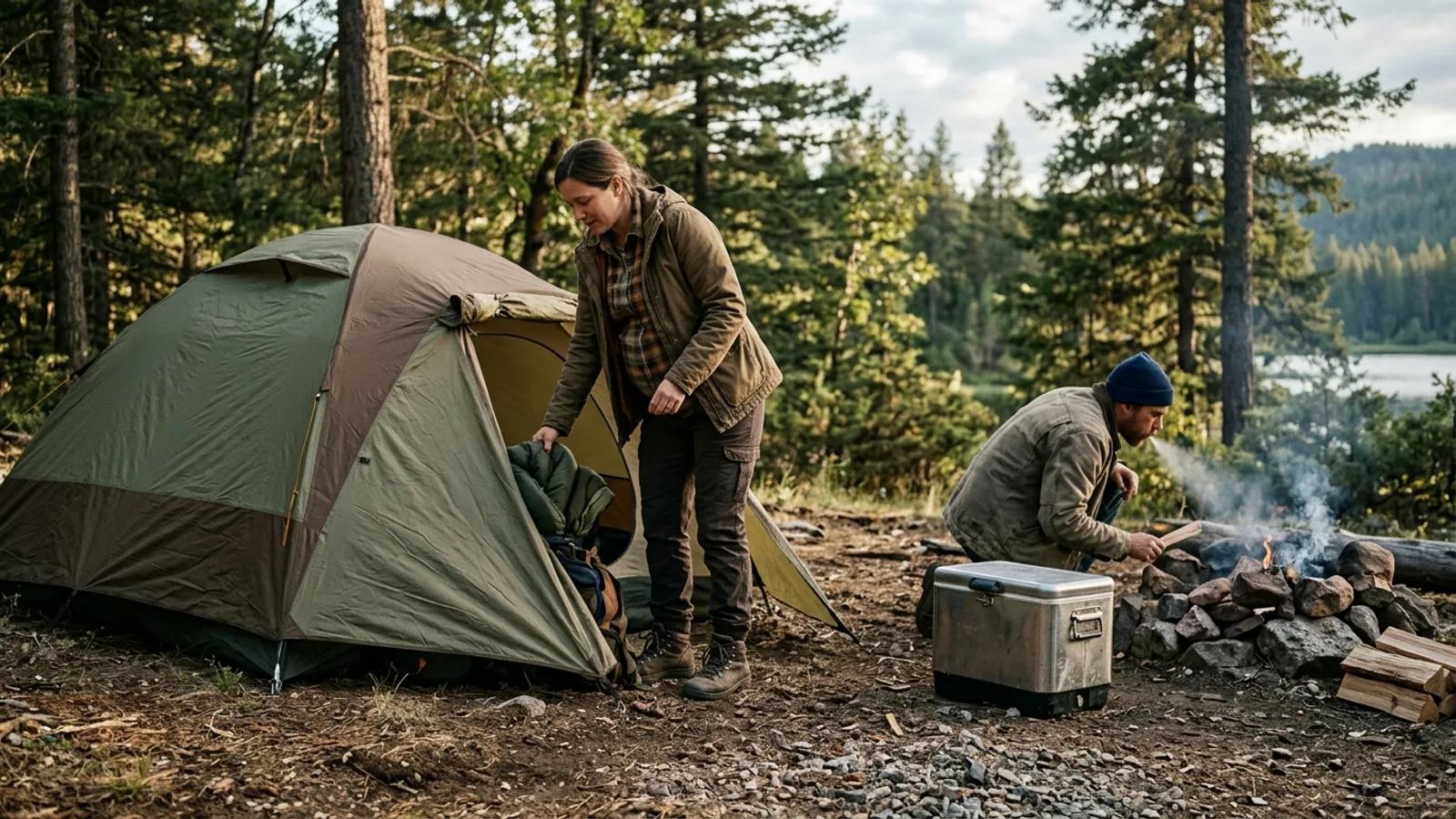
Camping during pregnancy can absolutely be done, and many people find it a welcome way to slow down before a baby arrives. The key is planning around comfort, hydration, and easy access to help if you need it — not pushing through discomfort for the sake of the trip.
Talk to Your Provider First
Before booking anything, check in with your midwife or doctor. Pregnancy is different for everyone, and how far along you are, your general health, and any complications all affect what's reasonable. This is especially true later in pregnancy or if you have any condition your provider is monitoring. Ask specifically about activity level, altitude, and how far you should be from medical care.
Choosing a Campground
Pick a site with realistic expectations for your changing body, not your usual camping style. Useful things to check ahead of time:
- Distance to the nearest hospital or urgent care, and whether cell service is reliable enough to call for help
- How far your site is from restrooms — this matters more as pregnancy progresses
- Whether the terrain from parking to your campsite is level and manageable
- Elevation, if you're traveling to a mountain destination — higher elevations can be harder on the body during pregnancy and are worth discussing with your provider
- Access to clean water
A short walk-in site is usually more sensible than a backcountry spot far from a trailhead.
Sleep Setup
Ground-level sleeping gets harder as pregnancy advances, both for comfort and for getting up at night. A cot or a thick, supportive sleeping pad raises you off the ground and makes it easier to get up. A body or wedge-shaped pillow can help support your hips and belly regardless of which side you're sleeping on. Bring extra layers, since temperature regulation can feel different during pregnancy and nights can run cooler than expected.
Staying Comfortable During the Day
- Footwear: Choose shoes that are easy to put on and take off without bending, with good traction and support, since balance shifts as pregnancy progresses.
- Clothing: Loose, breathable layers work better than fitted technical wear. Prioritize sun protection — a hat and lightweight long sleeves reduce the need for sunscreen reapplication.
- Shade and seating: Set up camp with some shade for the hottest part of the day, and bring a supportive chair rather than relying on logs or the ground.
- Hydration: Drink water consistently throughout the day, more than you think you need, especially in heat or at elevation.
- Food: Pack easy, protein-rich snacks and food you know sits well with you. Camping food can be heavy on processed carbs, so bring some variety.
Pacing Yourself
Plan for less activity than you normally would. Short, flat walks are usually a better fit than long hikes with elevation gain. Build in rest breaks and don't hesitate to nap in the afternoon. Avoid activities with a real risk of falling or abdominal impact, and skip anything at altitude or in heat that leaves you dizzy or overheated.
Sitting still for long stretches, including on long drives to reach a campsite, can affect circulation during pregnancy. Stop periodically to walk around, and avoid sitting with legs crossed for extended periods.
What to Pack for Health and Safety
- Prenatal vitamins and any prescribed medication, with a few extra days' supply
- A basic first aid kit
- Contact information for your provider and the nearest hospital or clinic to your campsite
- Sun protection: hat, sunglasses, lightweight cover-up clothing
- Wipes and hand sanitizer for times when running water isn't nearby
- A written note of your due date, provider's name, and any relevant medical conditions, in case you need care away from home
Glamping as an Alternative
If tent camping feels like more than you want to manage, a glamping setup — a furnished tent, cabin, or yurt with a real bed and nearby plumbing — offers a middle ground. It keeps you close to nature without the physical demands of setting up camp, sleeping on the ground, or walking to shared bathrooms. Many glamping sites are also closer to towns, which can mean shorter distances to food and medical care if needed.
When to Reconsider
Camping trips are easier to enjoy earlier in pregnancy. As you get closer to your due date, or if you develop any pregnancy complications, weigh the trip against practical questions: how far are you from care, how physically demanding is the site, and how would you handle an unexpected symptom. If anything about the plan doesn't sit right with your provider or with you, it's fine to choose a simpler trip closer to home instead.